



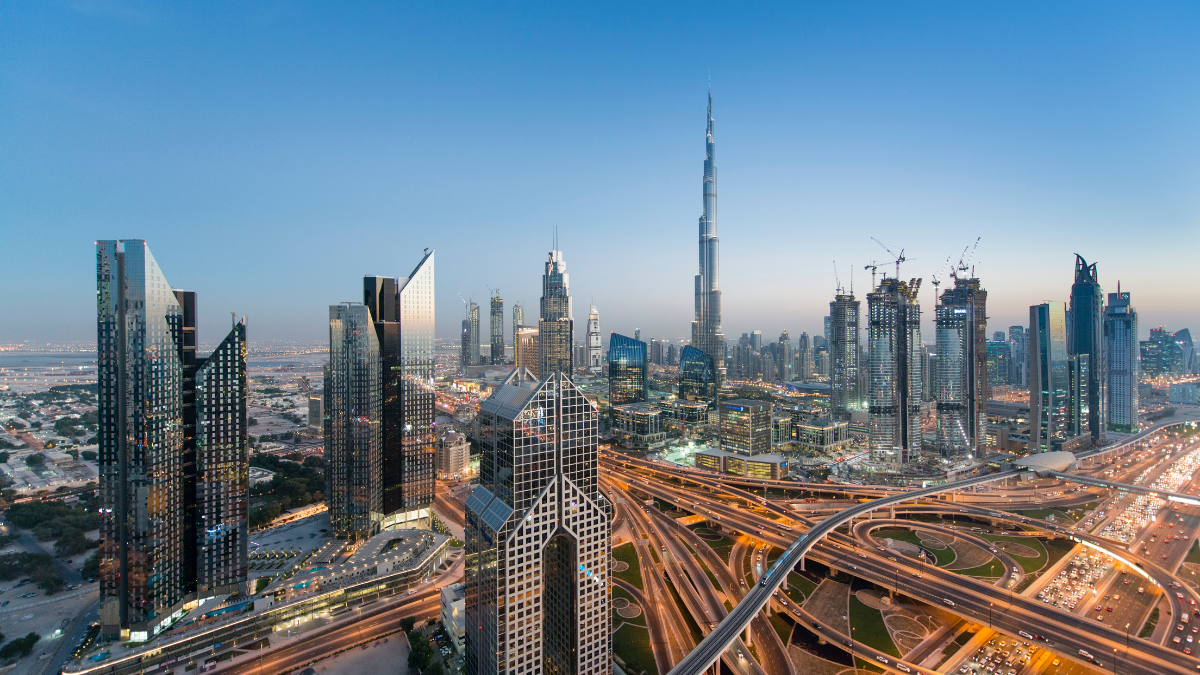

Dubai has emerged as the Middle East’s most appealing destination for travellers and secured 10th place globally on a 2026 index that gauges destination appeal through the lens of online discussion.

The ranking placed the emirate above several major global cities, including Singapore, Tokyo, Yokohama, Miami and Chicago, as reported by Al Khaleej newspaper.
Behind the results is the Yanolja Attractiveness Index, which evaluated 261 cities by mining online data and applying sentiment analysis. Rather than leaning primarily on conventional benchmarks like tourism policy or infrastructure, the study weighed what travellers themselves were saying about the places they visited. Its dataset spanned 14 languages and covered the period from June 2025 through May 2026.
Three academic partners carried out the work: Yanolja Research, Purdue University’s CHRIBA research institute and the H&T Analytics Center at Kyung Hee University.

Central to the methodology is a distinction between two separate measures. One tracks how frequently a destination surfaces in online conversation, indicating awareness, while the other captures how favourably travellers rate their time there. Yanolja Research explained that its framework centres on the real experiences and discussions of tourists, drawing on online sentiment to judge appeal and on the frequency of social media mentions to gauge visibility.
Japanese cities dominated the upper tier. Osaka finished first overall, with Kyoto in second. New York and Seoul followed in third and fourth, ahead of Paris in fifth and London in sixth. Rome, Okinawa and Bangkok rounded out positions seven through nine, placing directly above Dubai.
For a city like Dubai, a conversation-based approach reflects the sheer variety of its visitor base. The emirate attracts newcomers and returning cultural travellers alike, alongside business guests, food lovers, arts audiences and those drawn to outdoor pursuits, all of which feed a wide spectrum of online discussion.
The findings signal a shift in how destination competitiveness might be judged. Traditional assessments focus on what a city offers on paper, but sentiment-driven rankings attempt something different: measuring the impressions visitors carry away and voice publicly, and whether that feedback carries enough positive weight to sway others considering a trip.
