



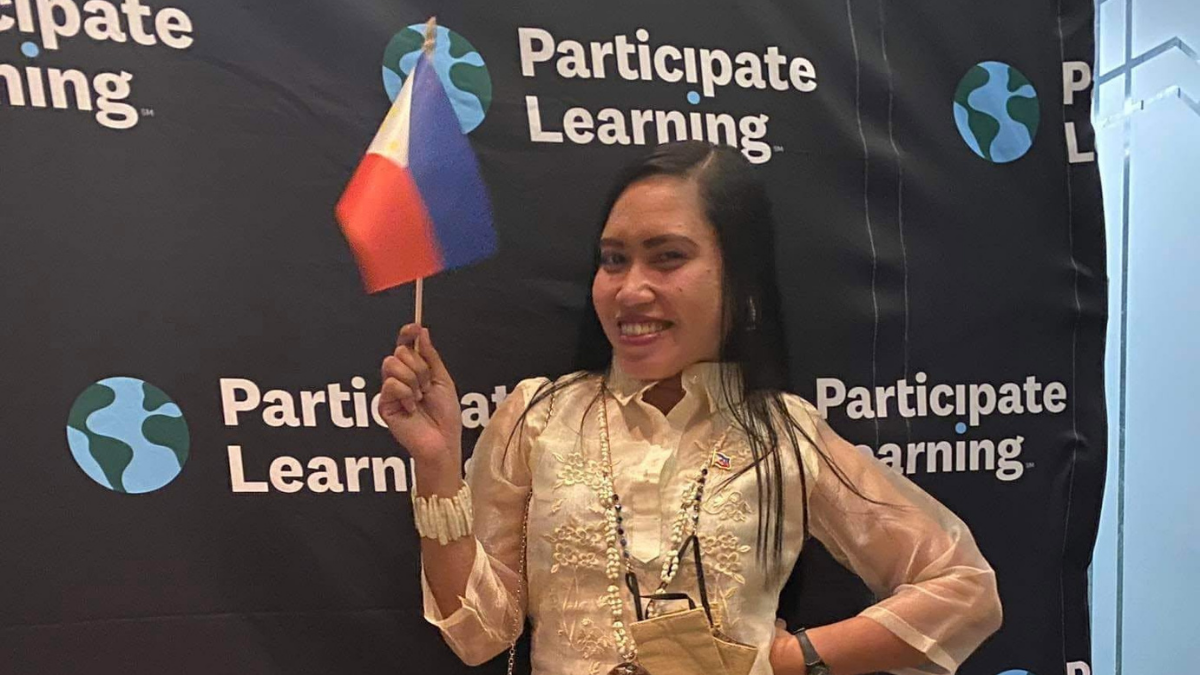

The statistics on Filipino teachers abroad rarely capture what the decision actually costs — the parents left behind, the first winter spent alone, the quiet arithmetic of homesickness measured in daily video calls. Mayette Albina Saberon knows that math intimately. Four years ago, she left Valencia, Negros Oriental, for a fourth-grade classroom in Virginia, trading a life spent almost entirely under her parents’ roof for a country where she would have to learn, all at once, how to drive, cook, clean, and command a room of American nine-year-olds.

“Living with my parents for most of my life made it heavier for me to make a decision to work abroad,” she shares with TGFM. She applied anyway.
The girl they underestimated
To understand why Mayette bet on herself, you have to go back further than 2022. She grew up poor in a town where people were generous with their doubt. They told her she would never finish school. They told her the mayor would change and her scholarship would vanish with him.
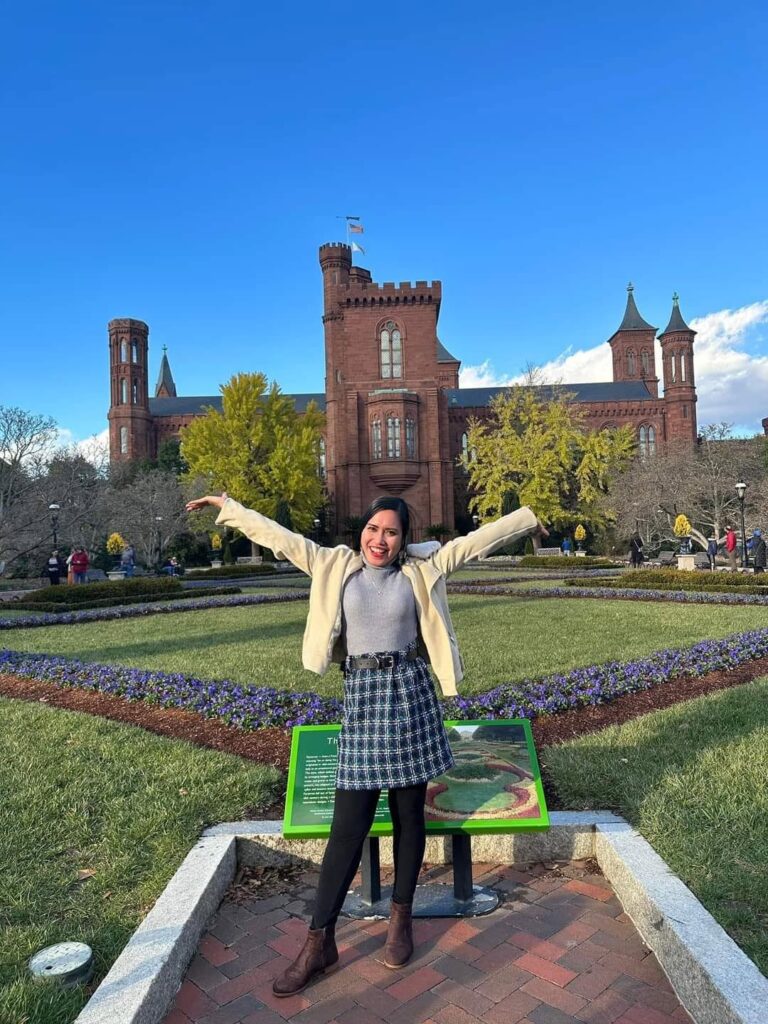
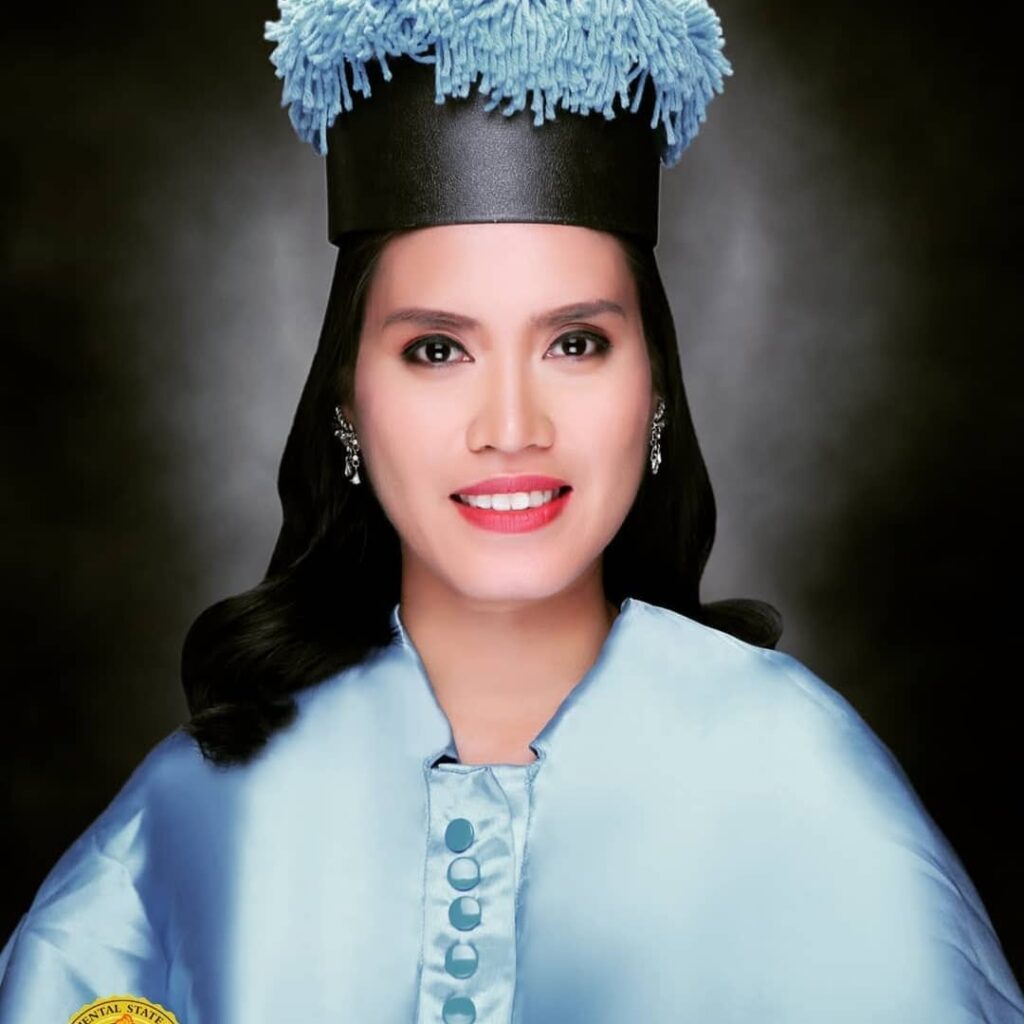
She proved them wrong on every count. A full scholarship carried her through a prestigious Catholic university in Dumaguete, where she graduated cum laude. Then came the Department of Education, where the doubt resurfaced in a new form.
“Many discouraged me and told me that I wouldn’t be hired because I did not have any teaching experience and I did not know anyone in the department,” the Filipina teacher recalls. She applied once, prayed, and waited. When the Registry of Qualified Applicants results came out, she had ranked first in the entire district — despite scoring zero percent for teaching experience. A new item position had just opened in her own barangay. She took it.
That first posting became her real education. Over six years in a public elementary school, she wore every hat a rural Filipino teacher inevitably wears: reading coordinator, school paper coordinator, adviser to the Supreme Pupil Government. When the pandemic shuttered classrooms, she conducted home visits, ran online classes, and filmed video lessons so her students wouldn’t fall behind.
Learning to be alone
The move to Virginia was the reward and the reckoning both. Teaching abroad had always been the dream — she just never expected the dream to say yes. Now she teaches reading, math, science, and Virginia Studies to a diverse group of learners, and she recently passed the Virginia Praxis exam to earn her state teaching license.
The classroom, it turned out, was the easy part. The hard part was everything after the final bell.

“Living alone in a different country with only hope to help my family, prayer and bravery in myself is not a smooth sailing journey,” she says. She learned to do everything herself — the driving, the cleaning, the cooking, the laundry — on top of a heavy workload and the daily test of student behavior. Some evenings she came home with a heavy heart.
Her anchors are deliberate and unglamorous. She video-calls her parents every day, telling them the truth about her struggles rather than a polished version. She stays in touch with friends. She prays the rosary daily and goes to church for guidance. And when the loneliness creeps in — which, she is candid, it often does — she returns to the things she loves. “Here in the US, it can get really lonely,” she says, with the plainness of someone who has stopped pretending otherwise.
More than a paycheck
Ask her what she enjoys about the work and she reframes the question entirely. “Teaching is not an easy job, it is a noble job. It is more of a vocation, a calling,” she says. The most satisfying thing in her world, she explains, isn’t a high test score — it’s watching a student take a lesson off the page and use it in real life.
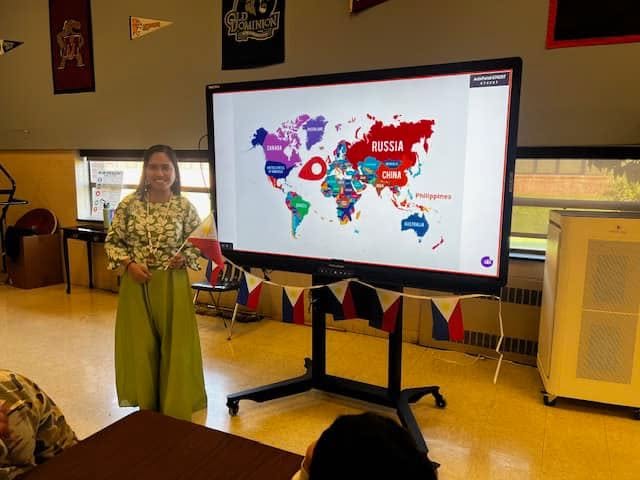
She is just as clear-eyed about what the move has given her. A higher income means a wider reach: she supports her parents, and her giving extends to relatives, an animal shelter, fellow teachers, schools, her church, and the wider community. She has traveled across American states, absorbed their history, and — the part she says with obvious pride — carried her own culture into rooms that had never encountered it. She now serves as a resource speaker on Filipino culture for her county and at a governor’s school.
“I love to share my culture and tradition to the world, that I am proud to be a Filipino, raising our flag high,” she says. The resilience, she adds, was an unexpected dividend: she came out of it a stronger, more diligent version of herself.
Her ambition still hasn’t found a ceiling. She is pursuing a PhD in educational leadership and has completed TESOL and TEFL training. The long-range plan is to teach in yet another country — to keep collecting cultures and keep exporting her own.
For kababayans struggling abroad, her advice is practical before it is spiritual. Keep a monthly budget and an emergency fund. Don’t spend more than you earn. Don’t lend your hard-earned money too quickly, and be careful about whom you trust. “I will not say do not trust anyone but just trust some few and genuine people who will help you succeed.” And when a door closes, she believes, another and better one is being prepared.
It is a worldview built on a single stubborn conviction, the one she repeats to herself on the heavy-hearted nights: success is measured not by how many times you fall, but by how many times you rise. So far, she has risen every single time.
