



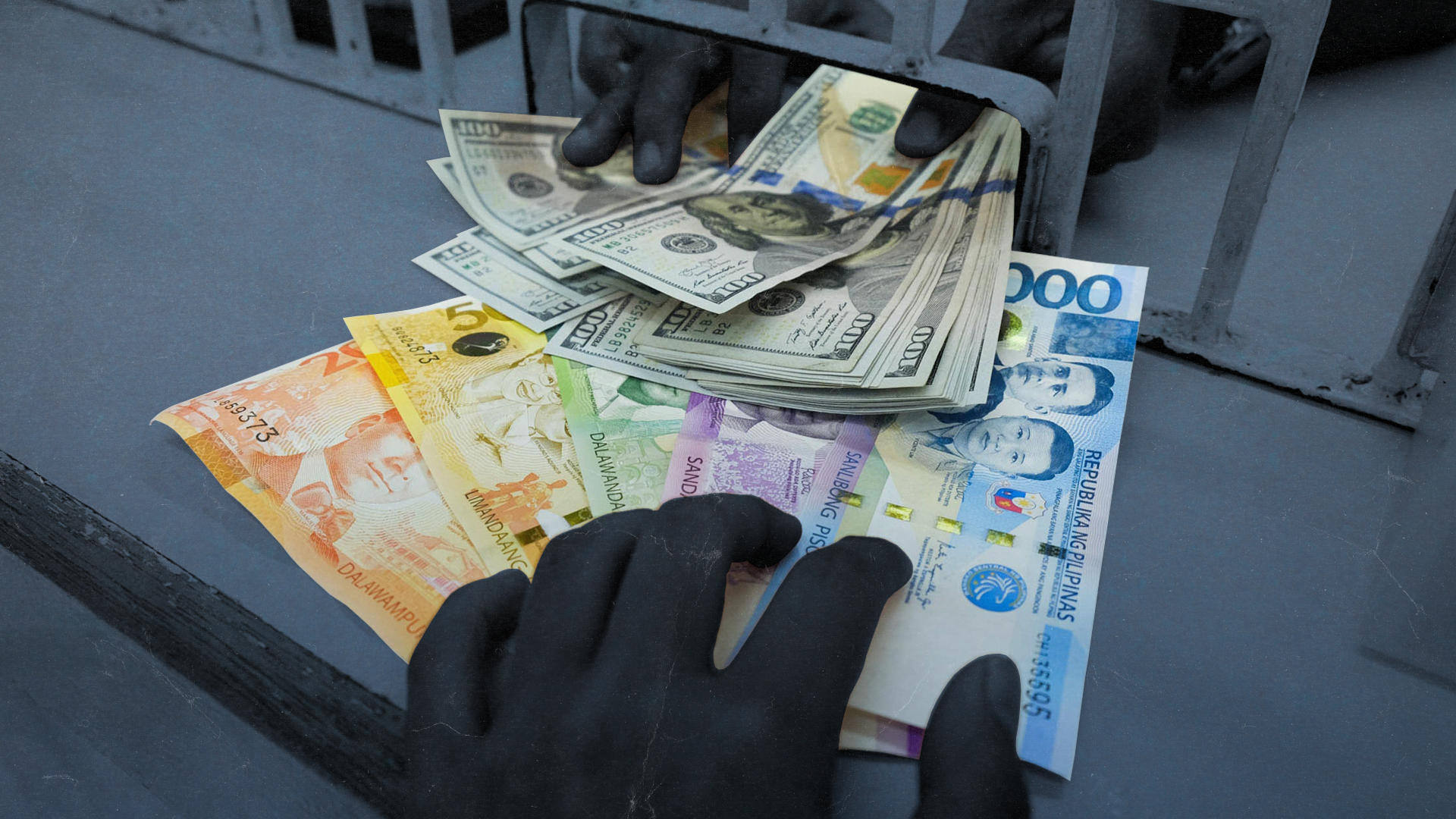

The Philippine central bank acknowledged the peso’s ongoing weakness carries real costs for ordinary households, even as it pointed to sectors that stand to benefit from the currency’s slide against the dollar.

Bangko Sentral ng Pilipinas Governor Eli Remolona Jr. noted that exchange rates hovering above the P60-per-dollar threshold work in favor of the country’s export sector and help narrow the current account deficit. Remittances from overseas Filipino workers also stretch further in peso terms at the current rate, providing a buffer for recipient families and contributing to the country’s external balance.
Service industries that rely minimally on imported inputs — including business process outsourcing and tourism — gain a competitive edge when the peso weakens, Remolona added.

The flip side falls on consumers. A softer peso drives up the cost of imported goods, from petroleum products to food and power supplies, feeding inflation and eroding the purchasing power of Filipino households.
The peso hit an all-time low of P60.30 against the dollar on March 23, three weeks after the United States became directly involved in a regional conflict. The rate has since held near P60.23, kept under pressure by sustained dollar demand and rising global oil prices.
Remolona clarified that the BSP does not intervene in foreign exchange markets as a matter of routine, stepping in only when volatility becomes excessive. He assured, however, that the central bank stands prepared to act should the peso’s continued depreciation become disorderly.
