



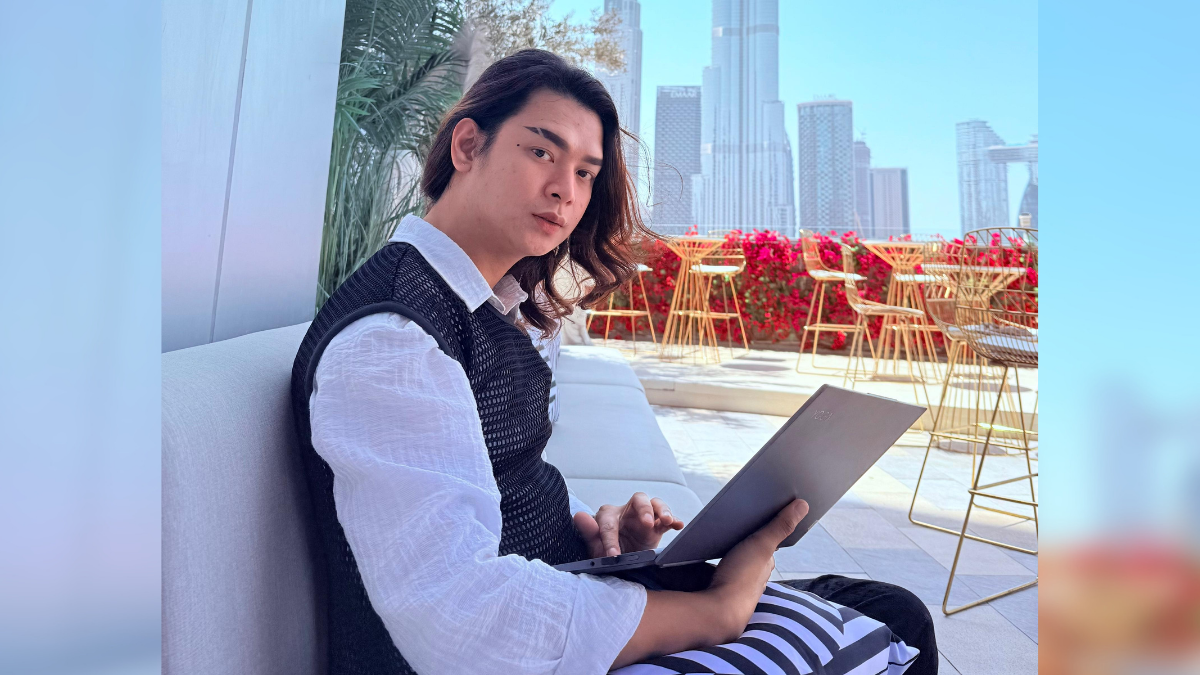

Few people can trace their career back to a childhood obsession with clothes and say it with a straight face. Nathaniel Amor Cruz can.

Nathaniel, now 33, is the Brand Visual Merchandising Manager for La Senza in the United Arab Emirates. His job is, on the surface, about storefronts and mannequins. But the way he describes it, it is really about language—a visual kind, one that speaks before a customer even reaches for a product.
“My role goes beyond arranging products—it’s about creating experiences, translating brand identity into visuals, and inspiring both customers and teams,” he shares with TGFM.
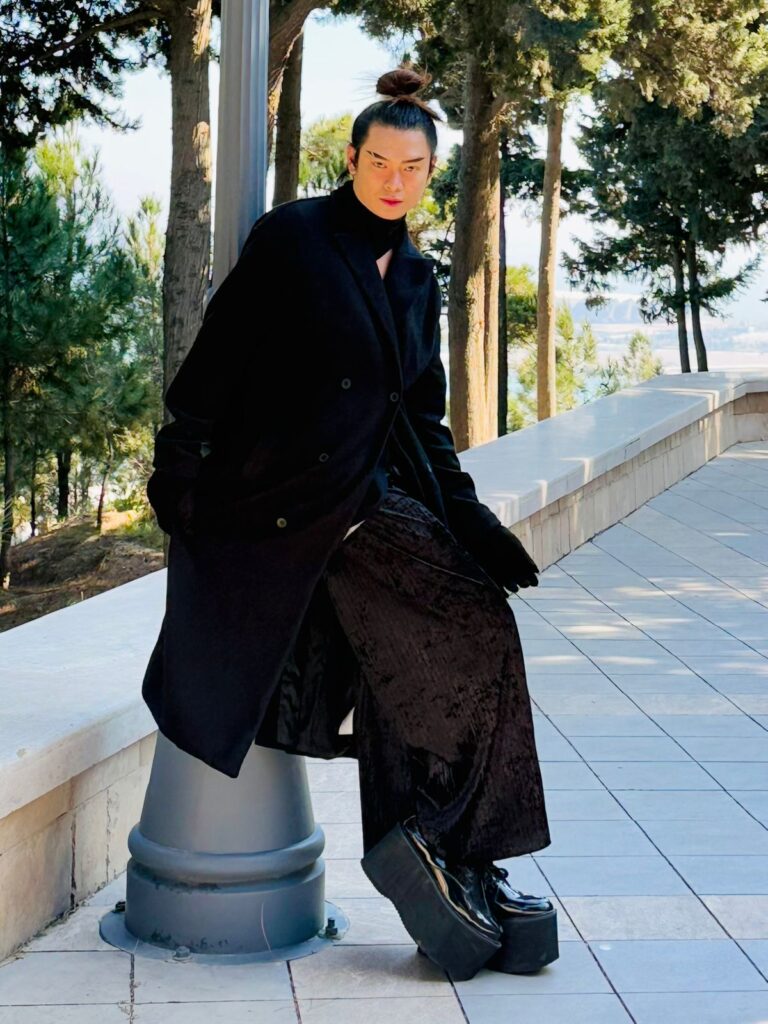
That language, it turns out, was one he had been learning his whole life without knowing it.
The boy from Santa Barbara
Nathaniel grew up in Santa Barbara, Pangasinan, where, as he puts it, “life is simple, but rarely easy.” The kind of place that teaches you early that resourcefulness is not optional. A passion for fashion and visual storytelling took root young, though it would be years before he understood what to do with it.
Before heading abroad, he worked as a store manager for a fashion retail company in the Philippines. It was solid, stable work, and he was good at it. But stability, for Nathaniel, was never quite enough. In 2015, he took a job in Saudi Arabia as a visual merchandiser, trading the familiar for the uncertain.
“Working abroad was not just about financial growth; it was about personal transformation,” he says. “It challenged me to be independent, resilient, and adaptable.”
Three years in Saudi Arabia laid the groundwork. Then came the UAE, and with it, an expanded role—one that eventually pulled him into fashion styling for brand photoshoots and campaigns, turning an early passion into something far bigger than he had imagined.
The weight of the distance
Success abroad rarely arrives without cost, and Nathaniel does not pretend otherwise. He has lost a job while living far from home. He has sat with the particular loneliness that comes from facing a crisis without family nearby—the kind that compounds until it starts to feel like something heavier.

“There were days when loneliness and uncertainty turned into depression,” he admits.
What he returned to in those moments was a mantra he has carried for years: If you can’t change the situation, change the way you think. It is not a slogan so much as a survival mechanism—something to hold on to when the circumstances themselves refuse to shift.
“I reminded myself that while I couldn’t control everything happening around me, I could control how I responded,” he says. “Those experiences didn’t break me—they rebuilt me into someone stronger, braver, and more resilient.”
That kind of reckoning, the kind that comes from having nothing left to lose but your own perspective, tends to leave a mark. For Nathaniel, it left clarity.
Building something that lasts
Nathaniel is not finished yet, but he is already thinking about what comes after. When his time abroad is done, he wants to bring the industry knowledge he has built back to the Philippines—to mentor young creatives who are where he once was, staring at an opportunity they are not sure they deserve.
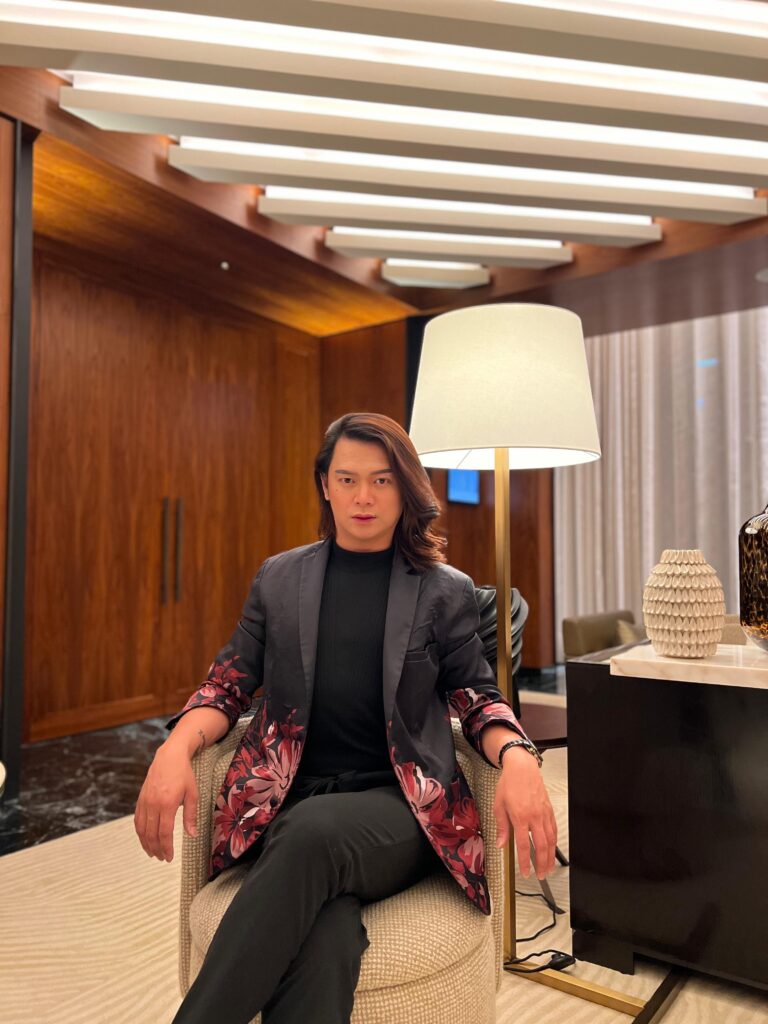
He also wants to speak honestly about mental health among OFWs—the struggles that often go undiscussed because admitting them feels like weakness when you are supposed to be the one sending money home.
“I want to advocate for mental resilience and personal growth—because success abroad is not just about earning more, but about becoming more,” he says.
For fellow Filipinos navigating the same road, his counsel is blunt and practical: be careful with your money, be careful with your circle, and protect your peace. And when the weight of it all becomes difficult to carry, return to the one thing nobody can take from you.
“You may not always have control over your situation,” Nathaniel says, “but you always have control over your mindset.”
From a province in Pangasinan to managing how an international brand looks in one of the world’s most competitive retail markets—the throughline was never really about fashion. It was always about the belief that how you frame something changes how people see it. He just eventually learned to apply that to his own story too.
