



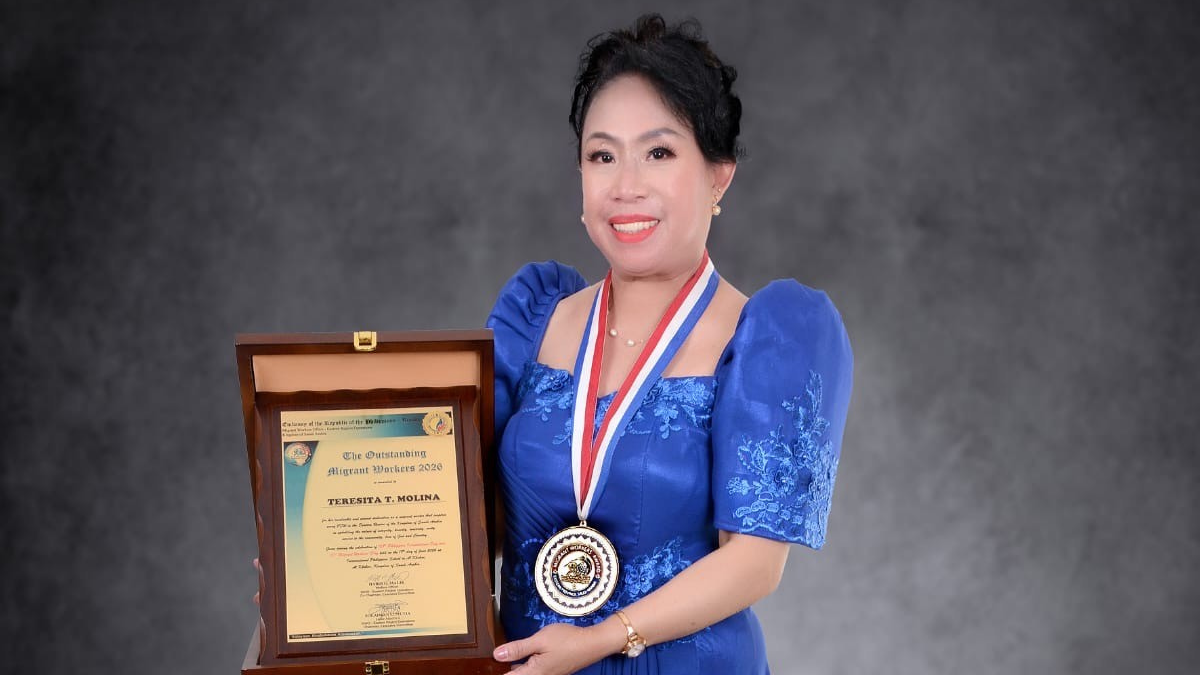

Twenty-eight years is long enough to raise a family, build a career, and watch a profession change around you. For most people, it would also be long enough to grow tired. The woman who has spent that span coordinating healthcare in the Eastern Province of Saudi Arabia talks about it differently — not as endurance, but as a series of doors that kept opening to people who needed help.

Teresita Marie T. Molina arrived in Dammam in 1998 carrying a degree in Banking and Finance from Notre Dame University in Cotabato City. What she did not carry was a clear picture of where she would end up. Her first job title was Nurse Aide. The path from there to insurance coordination was not planned so much as discovered, one patient and one problem at a time.
A finance graduate in a hospital ward
The mismatch is the first thing that stands out. A commerce graduate, trained in banking, beginning her overseas life as a nurse aide in a foreign hospital — it is the kind of detour that defines the OFW experience more than the brochures ever admit. People leave home for stability and end up improvising.
For her, the improvisation took. Twenty years at Al Mouwasat Hospital moved her from ward work into administrative and insurance-related roles, where her finance background finally found its use. By the time she left in 2018, she had become an insurance coordinator — the person who stands between a sick patient, a hospital, and an insurer’s approval.
Her reasons for leaving the Philippines were the ones nearly every OFW recites. “Like many OFWs, I chose to work abroad to provide a better future for my family,” she says. “I wanted to give my children educational opportunities and financial stability while supporting my loved ones back home.” What she did not anticipate was a second motive growing alongside the first. “It also gave me opportunities to help fellow Filipinos, which eventually became one of my greatest purposes in life.”
The work behind the paperwork
It would be easy to picture insurance coordination as a desk job buried in forms. She insists the forms are the least of it.

“Healthcare insurance coordination is more than processing documents,” she says. “It is ensuring patients receive the care they need at the right time.” Behind every approval she pushes through is someone waiting on a treatment, a diagnosis, or simply the relief of knowing the cost is covered. “Every approved treatment, solved insurance issue, and assisted patient contributes to someone’s recovery and peace of mind.”
After Al Mouwasat came Tadawi General Hospital, where she handled insurance approvals from 2018 to 2024, then a stint as Quality Coordinator at GAMA Hospital, and now her current post as Committee Insurance Coordinator at Al Saif Medical Center in Dammam. The titles changed; the orientation did not. The reward she names is not a promotion but a sentence overheard. “The most rewarding part of my work is hearing appreciation from patients and colleagues whose lives I have touched.”
The hardest stretch was not professional. It was the distance. Years away meant missing milestones and raising children from afar, and homesickness that no job title could soften. Then came the pandemic, which scattered fear across the OFW community in Saudi Arabia. Her response says a great deal about her instincts. Rather than retreat into her own worry, she organized food distribution and assistance programs for fellow Filipinos in need. Faced with uncertainty, she went looking for people to help.
Service as the second career
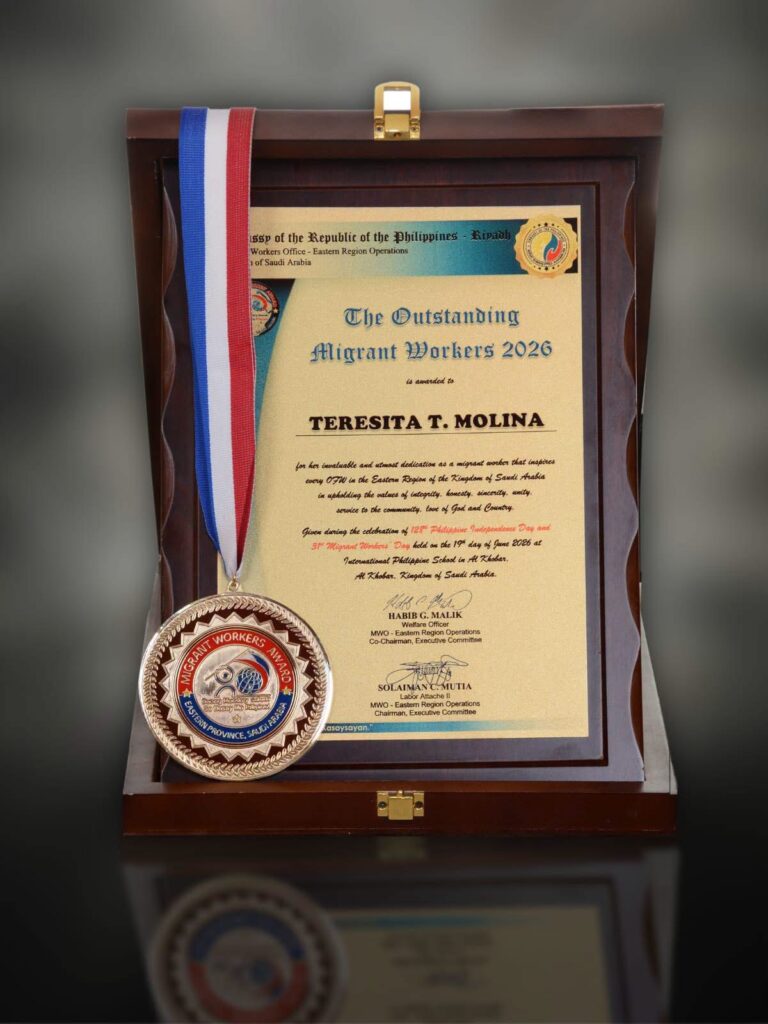
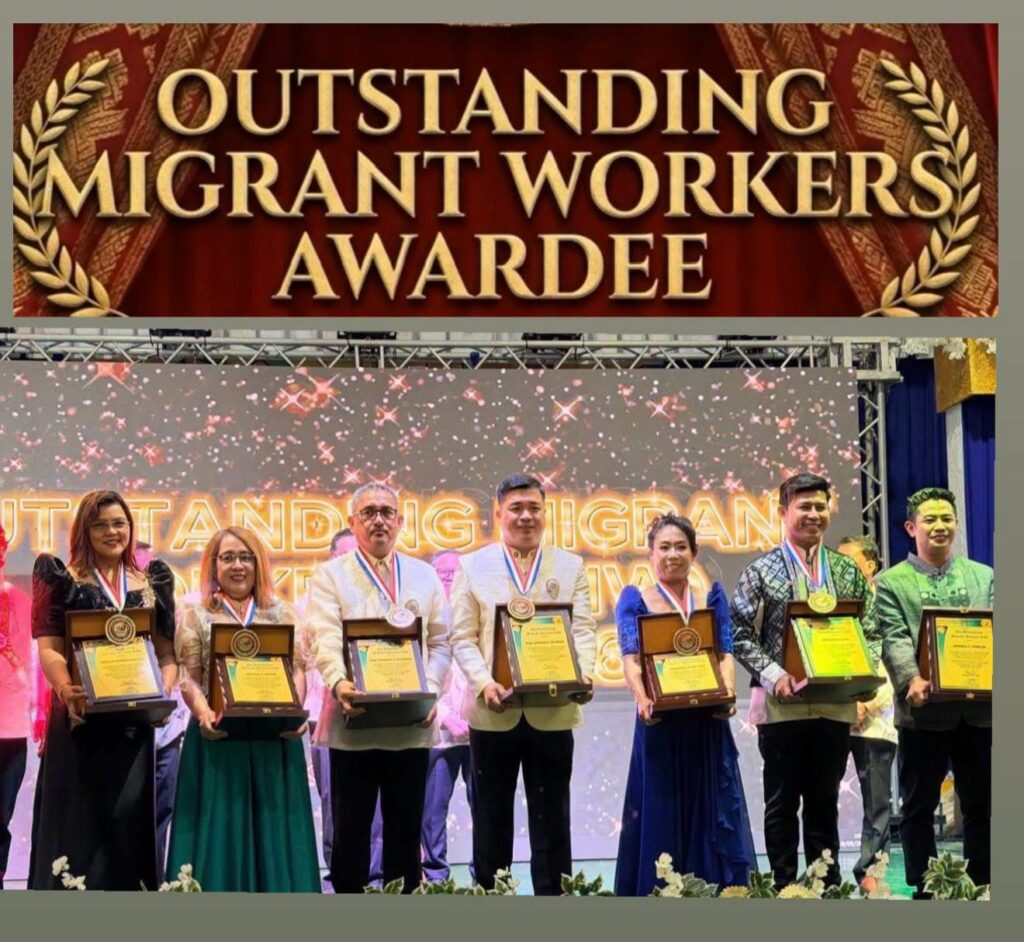
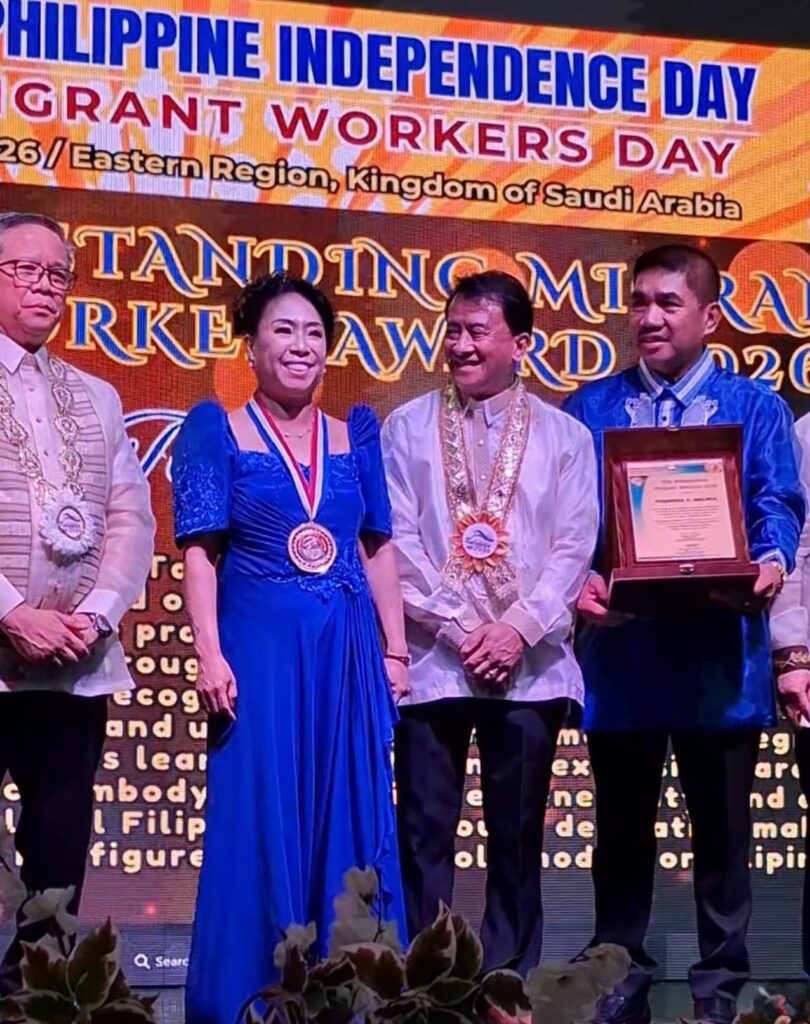
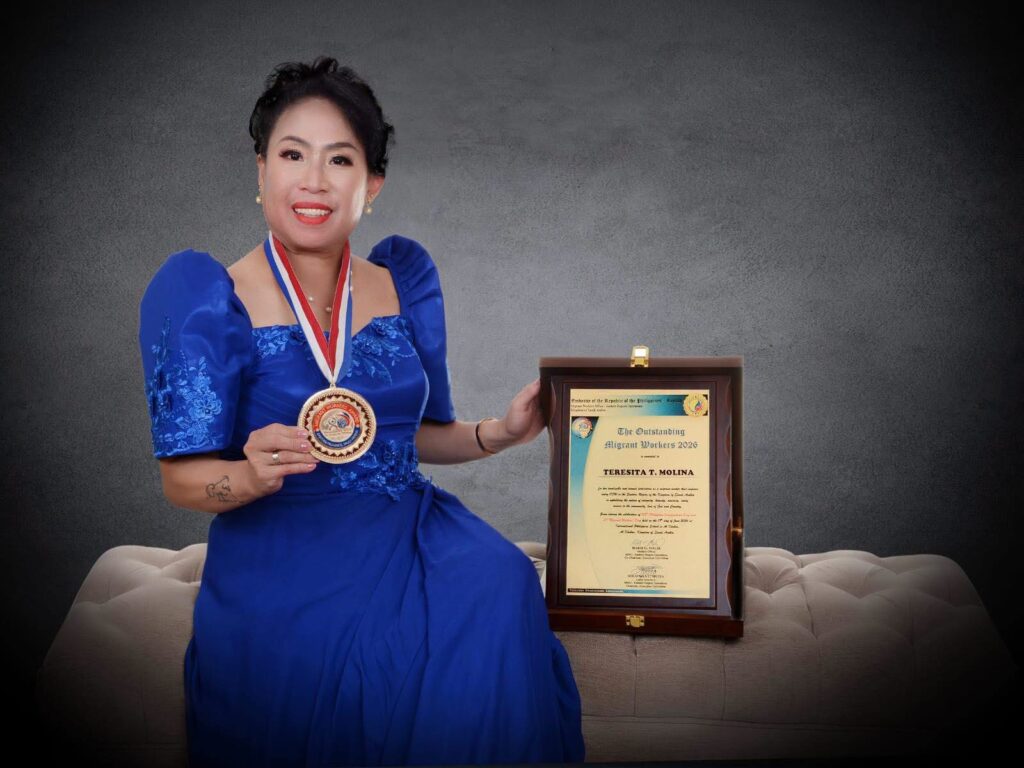
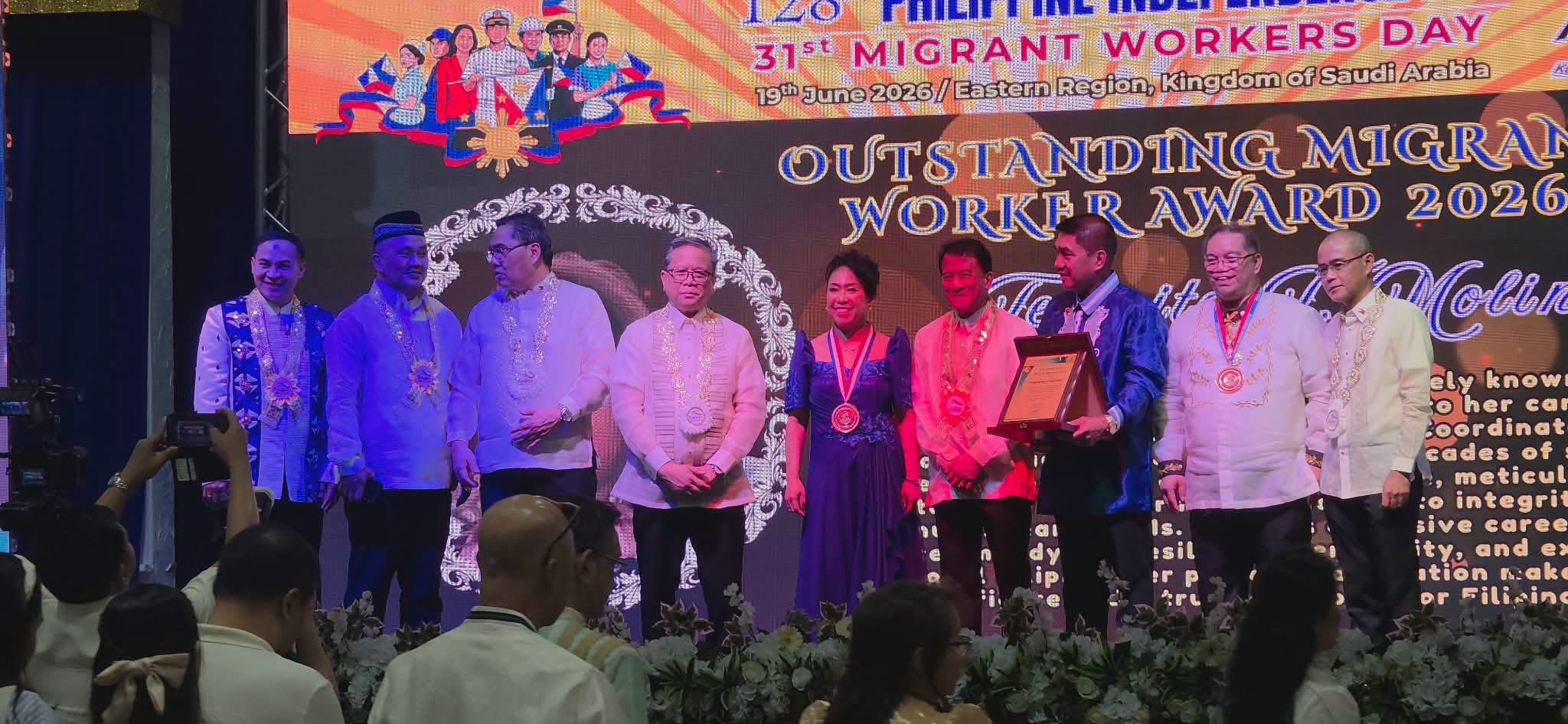
Somewhere in those 28 years, the volunteer work stopped being a sideline. Today she serves as Director General for Women of the Overseas Filipino Workers Congress – Eastern Province, alongside feeding programs, blood drives, scholarship assistance, and disaster relief. The recognition followed: Employee of the Month, community awards, and most recently a place among the Outstanding Migrant Workers for 2026, an honor from the Migrant Workers Office – Eastern Province awarded during the 128th Philippine Independence Day celebration in the Eastern Region.
She is clear about what those honors actually measure. “True success is not measured by awards or titles,” she says. “It is measured by the impact we leave on others.”
Her advice to younger OFWs carries the weight of someone who has tested it. “Never lose hope during difficult times. Remember why you started your journey and keep your goals clear.” Save wisely, stay close to family, choose good company, and ask for help when it is needed. “Success abroad is not measured only by income but also by the lives you touch and the values you preserve along the way.”
Retirement, when it comes, will not look like rest. She plans to return to the Philippines and keep working — on scholarships, women’s empowerment, and helping returning OFWs find their footing back home. “I believe retirement should not mean stopping service,” she says. “It should be another opportunity to serve the community.”
