



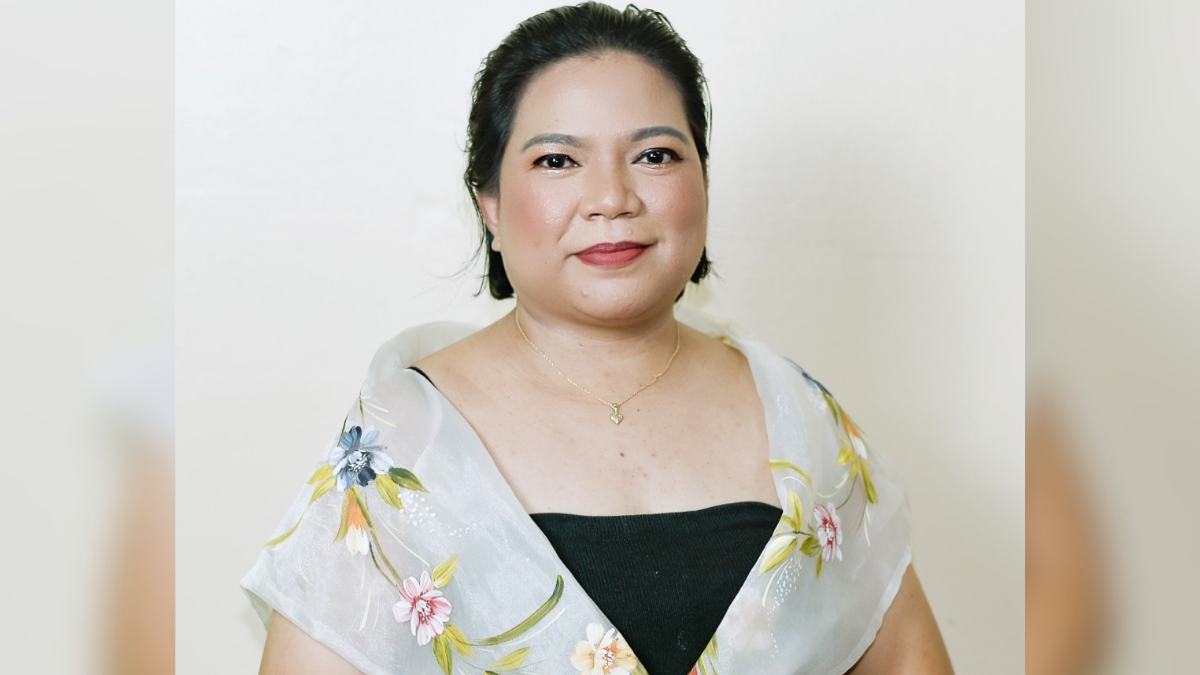

Kindergarten rooms tend to look the same from the doorway — bright rugs, alphabet borders, small chairs arranged in hopeful rows. What that view misses is everything that matters: the child who finally sounds out a word, the family that walks in wary and leaves trusting, the teacher quietly rebuilding a foundation one five-year-old at a time. Jacklyn B. Tuazon has spent seventeen years learning to see past the doorway, and for the last four of them she has done it on the Pine Ridge Reservation in Oglala, South Dakota.

She teaches at Loneman School (Isna Wica Owayawa), a Bureau of Indian Education–funded school serving the Oglala Lakota community. Her subjects are Reading, Mathematics, Science, and STEM, but her actual work runs wider than any list of subjects — analyzing student data through NWEA MAP Growth assessments, designing intervention plans, sitting on the School Improvement Team, and building the kind of family partnerships that don’t show up on a lesson plan.
A classroom half a world from home
Jacklyn did not arrive in South Dakota chasing a paycheck. She came as an exchange teacher, and the reasoning she offers is unglamorous in the best way. “I wanted to challenge myself, broaden my perspective, and contribute to improving educational outcomes for students while supporting my family and pursuing my professional goals,” she shares with TGFM. Loneman was her first overseas post — no gentler landing, no easing-in period, just an Indigenous community and an educational system she had to learn from the ground up.
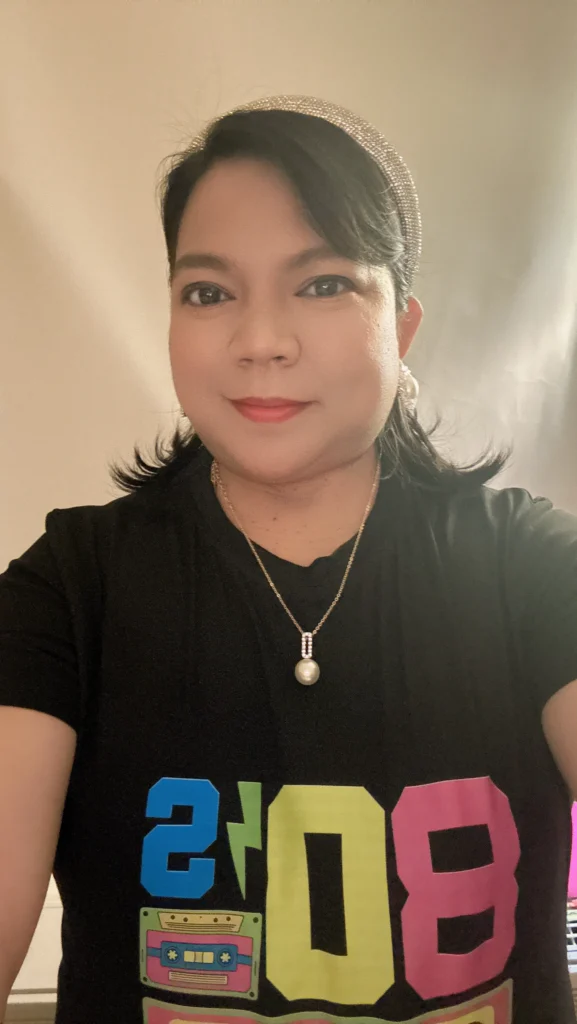
Before any of that, there was the Philippines, and a career already well underway. The Filipina educator taught in elementary classrooms for well over a decade, served as Kindergarten Chairman, coached students in competitions, and was named Most Outstanding Kindergarten Teacher in her district. She kept volunteering — outreach projects, leadership programs, the extra hours that benefit parents as much as children. By the time she boarded a plane for the United States, she was not a beginner testing the waters. She was an accomplished teacher choosing to start over in unfamiliar terrain.
Learning from the people she came to teach
The surprise of her story is not that a Filipino teacher succeeded abroad. It’s the direction the learning traveled. She came to educate Lakota children and found herself being educated by their community — its ceremonies, its traditions, its way of folding outsiders into the circle.

“One of the elderly from Oglala Sioux Tribe gave us a chance to be a part of their ceremonies like Powwow and Feather tying, where my husband was given a Lakota name that symbolizes the community accept as one of their relatives,” she recalls. A visiting teacher’s family, welcomed not as guests but as relatives — that is not a footnote to her time on the reservation. For the former district awardee, it reframed the entire assignment. She had expected to serve underserved students. She had not expected to belong.
That sense of belonging steadied her through the parts nobody puts in a recruitment brochure. Like many overseas Filipino workers, she wrestled with homesickness, cultural adjustment, and the ache of distance from family. The teaching itself demanded reinvention too — new expectations, new instructional practices, new community norms to honor. Her way through was not dramatic. “I overcame these challenges by remaining positive, continuously learning, seeking guidance from my colleagues and administrators, and relying on my faith and my family’s encouragement,” she says. Her students, she adds, became one of her greatest motivations to keep going.
The long view from a small chair
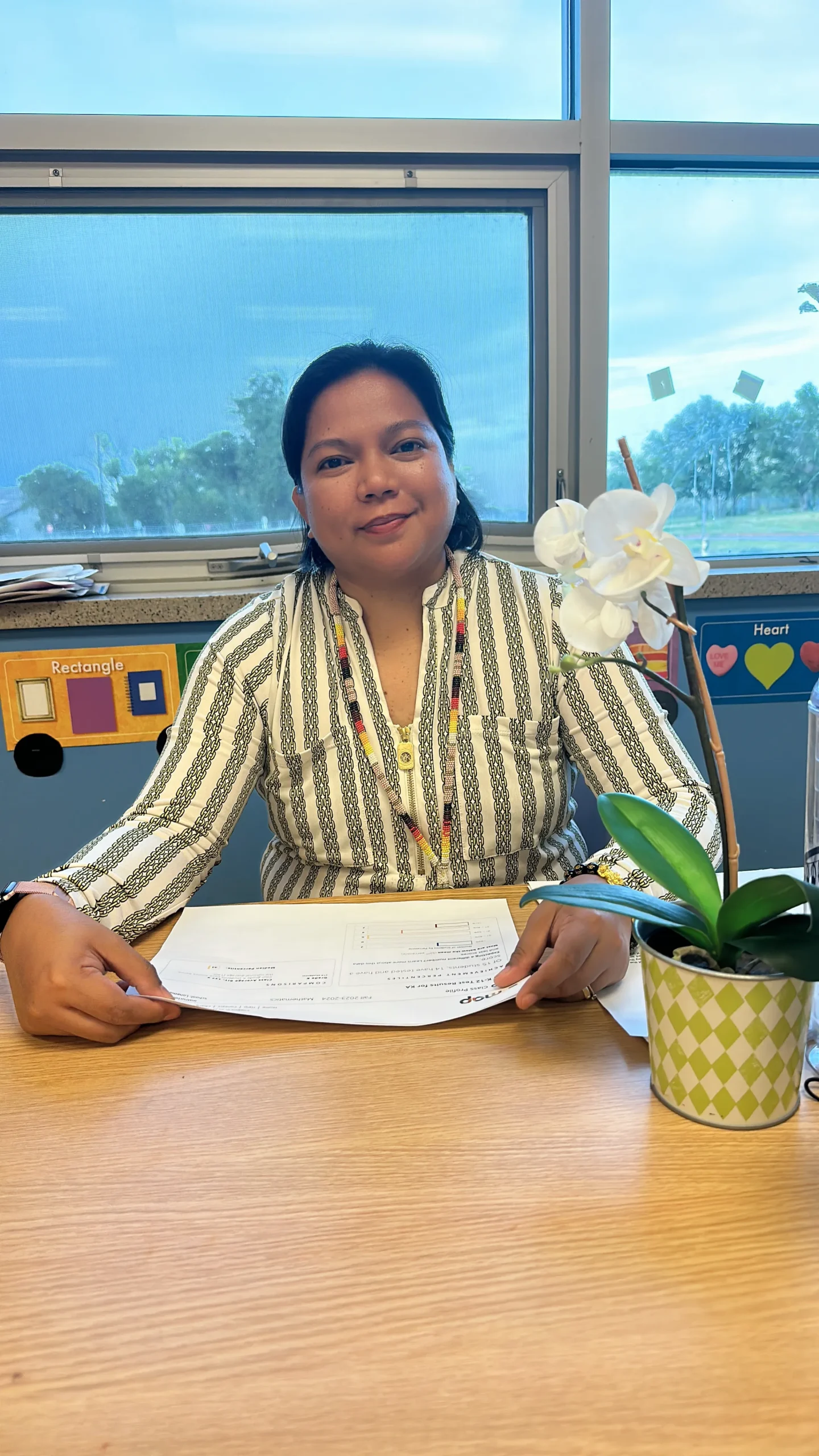
Ask what keeps her in the work and she doesn’t reach for lofty language. “The most rewarding part of my job is seeing young children gain confidence and discover the joy of learning,” she says — a plain sentence from someone who understands that kindergarten is where the whole structure either holds or doesn’t. She talks about STEM activities she builds by hand, about relationships with families, about watching children grow academically, socially, and emotionally across a single school year.
Her ambitions reach past her own classroom. She wants to mentor other teachers, expand STEM education, and support educators serving underserved communities wherever they are. And she has learned something she’s eager to pass on to Filipinos struggling abroad. “Always remember why you started your journey,” she offers. “Stay humble, work hard, manage your finances wisely, and never stop learning.”
There’s a version of the overseas Filipino story that ends at the remittance — money earned, money sent home. Jacklyn tells a different one. “Being an Overseas Filipino Worker is about more than earning a living,” she says. “It is about representing the Philippines through hard work, professionalism, and kindness.” Four years into a reservation classroom on the far side of the world, with a Lakota name in her family and a room full of five-year-olds learning to read, the Filipina teacher has made that case about as convincingly as anyone could.
