



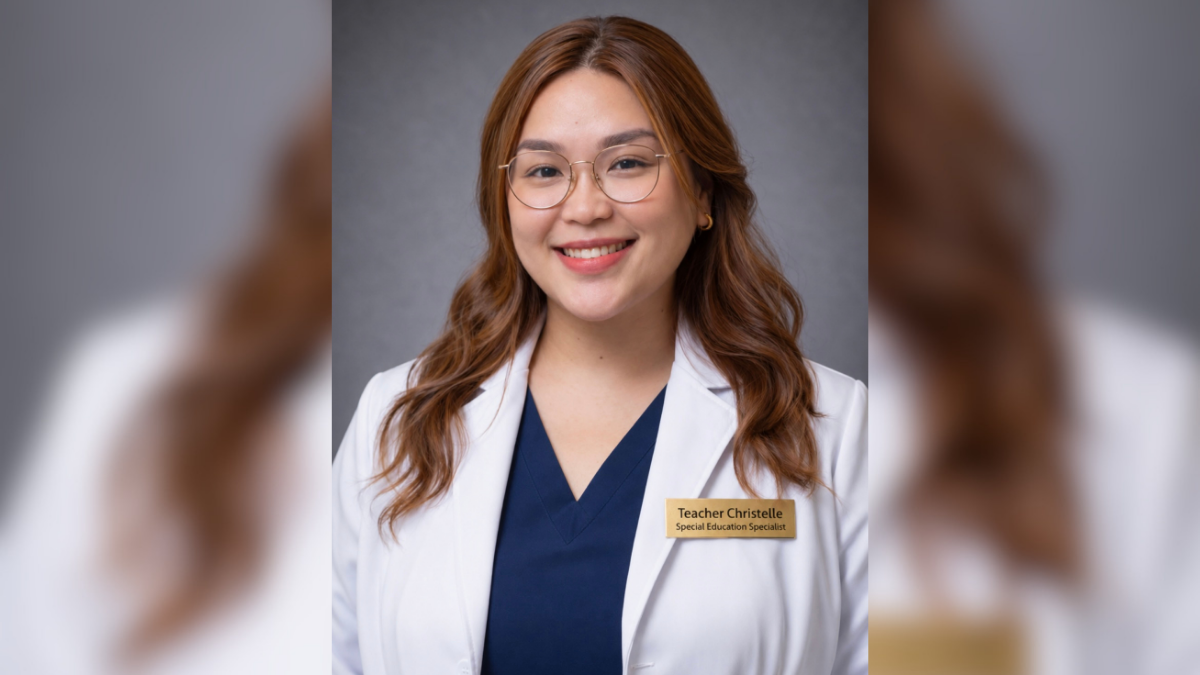

How far would you go to keep a promise you made as a child — before you had any idea what it would take? Christelle Villaruz has been answering that question for four years now, one classroom day at a time, in a school more than 6,000 kilometers from the home she grew up in. At 31, she is a Special Education Teacher at the Emirates Down Syndrome Association in Dubai, working with children who have Down syndrome and autism spectrum disorder. She has been teaching for a decade.

But that title, she is quick to say, captures only a sliver of who she is. Ask her to describe herself and the list runs long — teacher, daughter, entrepreneur, charity volunteer, and someone who has organized her entire life around a single conviction: that success matters most when you spend it on other people.
“I am an OFW, a teacher, a daughter, a charity volunteer, an entrepreneur, and someone who believes that success becomes more meaningful when you use it to help others,” she shares with TGFM. It sounds like a mission statement. In her case, it reads more like a schedule.

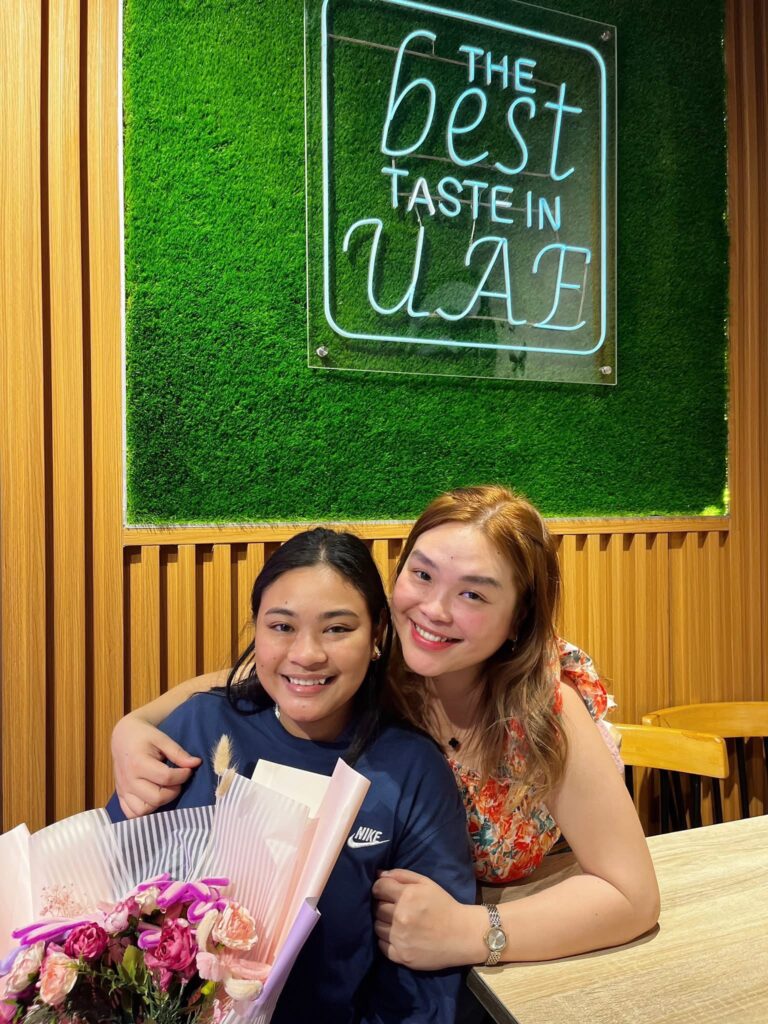
The girl who made a promise
The origin of all of it goes back much further than Dubai, further than her first classroom. It goes back to a childhood friendship.
“When I was a child, I had a friend with Down syndrome,” Christelle recalls. “I remember looking at him and thinking that I wanted to help him. I made a promise that when I grew up, I would become a teacher for children like him.”
Children make promises constantly, and most dissolve by adolescence. This one didn’t. It followed her through school, shaped what she studied, and eventually pointed her toward a field that demands far more than most people realize. Years later, she says, she understood what had happened almost without noticing it. “The little girl who made that promise was slowly becoming the teacher she dreamed of becoming.”
She talks about her students the way other people talk about their proudest personal achievements, because to her the two are the same thing. There were children in her care who could not speak when they arrived and who, over time, began to communicate. There were students who needed intensive support and who eventually moved into regular classrooms alongside their peers. To an outsider these might register as small clinical milestones. To the teacher and the family, she says, they can mean everything.
“Sometimes, the work we do quietly can change a child’s entire future,” she says. It is the kind of line that could sound like a platitude coming from someone else. From her, after ten years of it, it just sounds like a report of the facts.
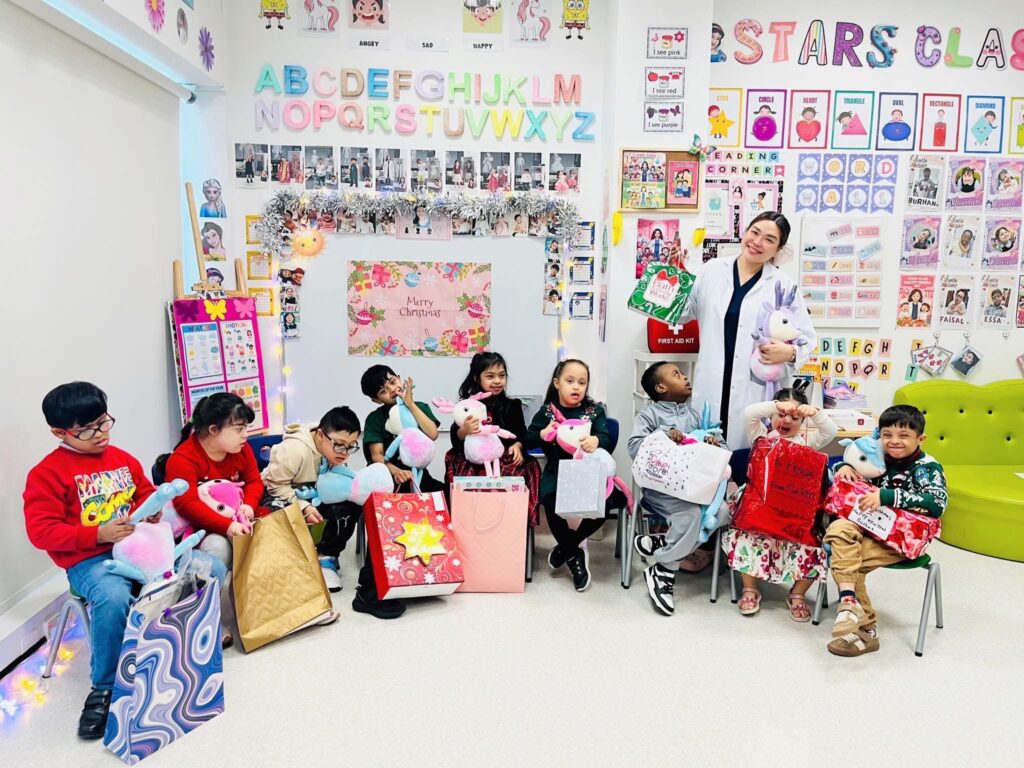
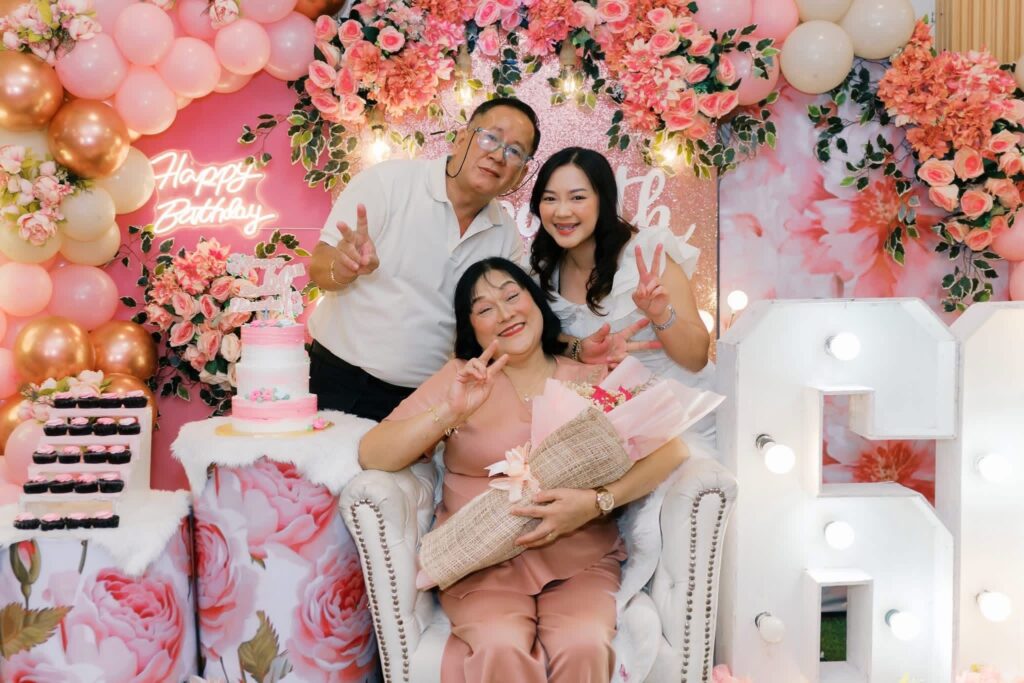
She has a name for the version of herself who does this work — “Super Teacher” — and she is careful to explain that the label has nothing to do with perfection. It has to do with the sheer range of things the job requires on any given day. Patience when a lesson isn’t landing. Creativity when the usual approach fails. Strength when she is exhausted. Compassion when a child is struggling, and the stubbornness to keep believing when progress refuses to hurry. “I don’t just teach children,” she says. “I believe in them.”
The years nobody photographs
The distance between wanting the job and getting it was longer and harder than she expected. Her path into her current school was not, by any measure, an overnight success.
“I had sleepless nights, countless moments of uncertainty, and years of patience before I was able to reach the school where I currently work,” she says. There were rejections. There were long stretches of waiting that felt like dead ends. There were moments, she admits, when she genuinely questioned whether she would ever arrive at the place she was working toward.
What kept her moving was a reframing that took years to earn. Rejection and waiting, she came to believe, are not always the end of a dream — sometimes they are the setup for the right opportunity, arriving later than you wanted. She leaned on that idea when there was little else to lean on.
But the professional grind was never the hardest part of leaving. The hardest part was the family she left behind. She is, by her own description, unusually close to her parents and her two sisters, Angel and Pao, and she was never accustomed to being far from them. Four years on, the ache hasn’t dulled into something manageable so much as become a permanent feature of the arrangement.
“Sometimes the hardest part of being an OFW isn’t the work,” she says. “It is knowing that while you are helping build a better future, you are missing the ordinary moments you can never get back.” She lists them the way you list things you’ve actually lost — birthdays, family meals, ordinary conversations, being physically present when someone you love needs a hug. There were nights she cried quietly, she says, and mornings after those nights when she got up and went to work anyway.

This is the part of the OFW story she wishes more people understood. The photos and the achievements and the things sent home are real, but they are the surface. “They don’t always see the nights we cried, the sacrifices we made, or the moments we wished we could simply go home.” Strength, in her telling, was never the absence of breaking down. “Being strong means you allow yourself to cry, wipe your tears, remember why you started, and continue anyway.”
There was also, underneath the professional ambition, something more personal driving her — a desire to answer the people who had doubted she would amount to anything. She names her faith as the counterweight to that doubt. “I have God and I know he is with me forever in my journey,” she says. She came to Dubai with dreams, but also with a promise to herself: that every sacrifice would carry a purpose.
A charity that crossed an ocean
If Christelle only taught, her days would already be full. She does considerably more than teach.
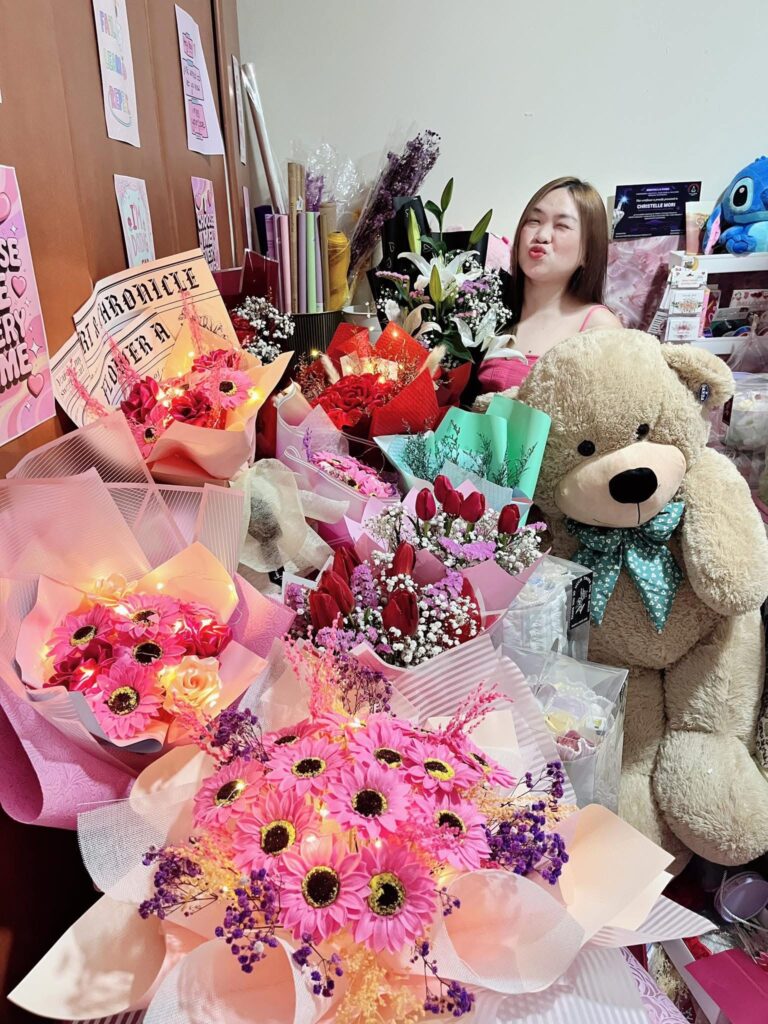
Outside her regular hours she runs a small constellation of side ventures — she makes handmade flowers, takes photographs, and bakes pastries. Part of the motive is practical; the extra income helps her save and support her family. But the ventures feed something larger than her own household. For nearly 13 years she has run her own charity in the Philippines, Lakbay Krestala Charity, and the work she takes on abroad is, in no small part, how she keeps it alive from a distance.
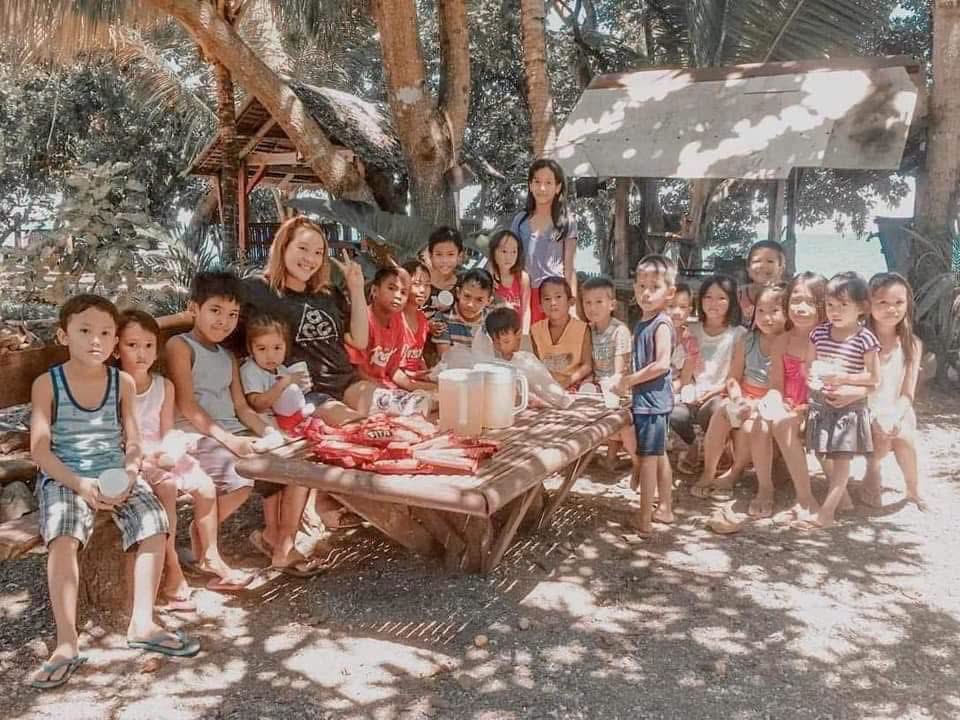
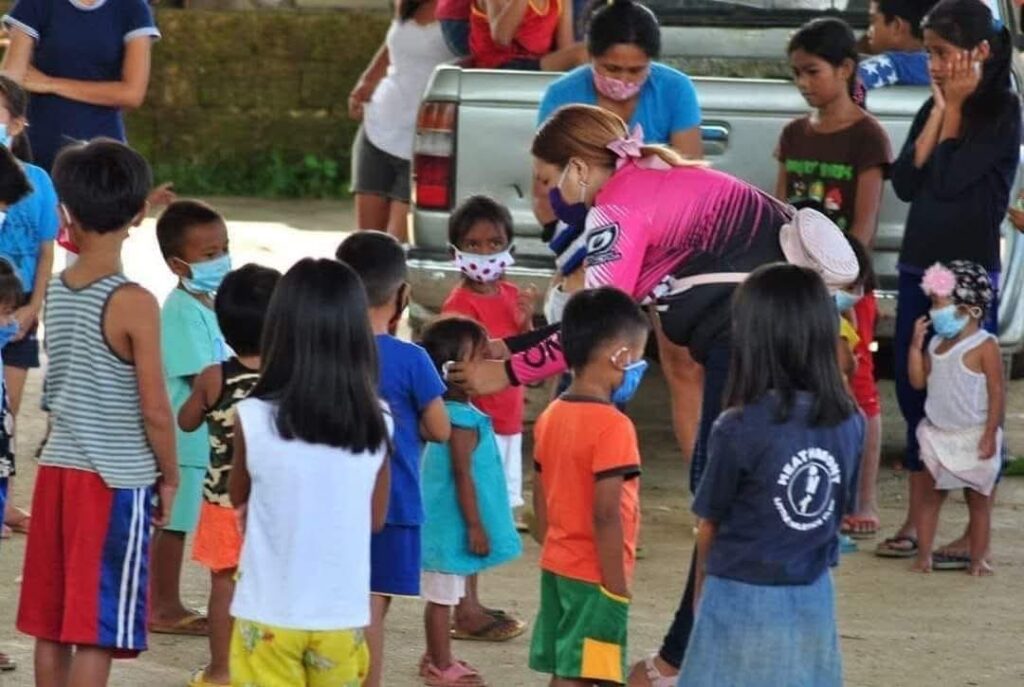
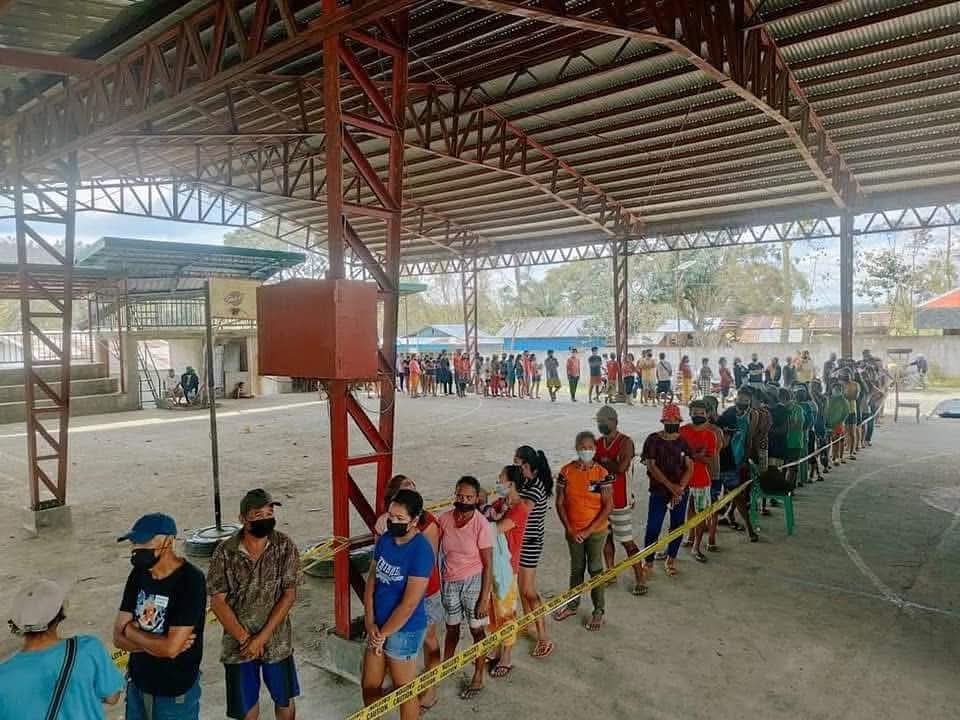
“Even though I am thousands of miles away from home, I make sure that I never forget the people who need help,” she says. The charity’s reach is concrete. Back home, she runs cafés that give out free water, bread, and food to people who are homeless — an operation that has continued running even while she builds her life in the Gulf. “This is what makes me happy, and until now, even I’m here abroad, it’s still going on,” she says.
She also gives free tutorials to children with special needs whose families can’t afford private sessions, particularly when money is tight for them. The logic connecting all of it is simple and consistent: extra effort earns extra income, and that income gets divided among her family, her charity, and a child who needs someone in their corner. “Distance should never be an excuse to stop caring,” she says of the charity that has anchored her for well over a decade.
There is one milestone from her time abroad that she returns to with obvious joy, and it has nothing to do with money. She managed to bring one of her sisters to Dubai — and not just to the same city. The two of them now work at the same association, supporting children with special needs side by side. After years of missing family across an ocean, she gets to build her work with a piece of that family right beside her.
Coming home with more than savings
Christelle is clear-eyed that Dubai is a chapter, not the destination. She plans, one day, to return to the Philippines and bring home everything she has absorbed abroad — to keep working in Special Education, to keep advocating for children whose families cannot afford extra support, and to keep expanding the charity that has been close to her heart for almost 13 years.
What she wants to carry home, though, is not what the OFW narrative usually promises. “I hope that someday, when I finally come home, I won’t just come home with savings or accomplishments,” she says. “I want to come home with stories of people I helped, children whose lives became better, and dreams that became possible because I chose to share what I had.”
Her advice to other Filipinos working abroad flows straight out of everything she has learned the hard way. Your worth, she insists, is not measured by how much money you send home. “You are a person before you are an OFW.” Take care of your mental, emotional, and physical health. Save. Learn to say no when you need to. Be careful about who you trust with your money, your relationships, your friendships. And don’t be embarrassed to start small — if you can bake, bake; if you can take good photographs, take them; if you can make something with your hands, make it. A modest side hustle, she points out, might one day fund a dream, or help someone else survive a hard season.
For anyone in the middle of the waiting she remembers so vividly, she offers the reassurance she once needed. “Your current situation is not the final chapter of your story,” she says. She knows what it is to wait, to work while exhausted, to miss home — and she knows what it feels like when the opportunity you’ve prayed and worked for finally arrives.
That knowledge circles her back to the child who started all of this, the girl who made a promise she couldn’t yet grasp the cost of. That girl didn’t know about the sleepless nights, the leaving, the pain of missing her parents, the number of times she would have to begin again. She knew only that she wanted to help.
Today, that promise is no longer a plan. It is her life — a classroom full of children with different abilities and different dreams, some of whom now speak after once being silent, some of whom now learn beside their peers. She doesn’t want to be remembered simply as a teacher who delivered lessons. She wants to be remembered as the one who believed, who stayed, who saw possibilities where others saw limitations.
“I left the Philippines to build a future,” she says. “But along the way, I learned that the greatest success is not how far you go — it is how many people you bring with you along the way.”
