



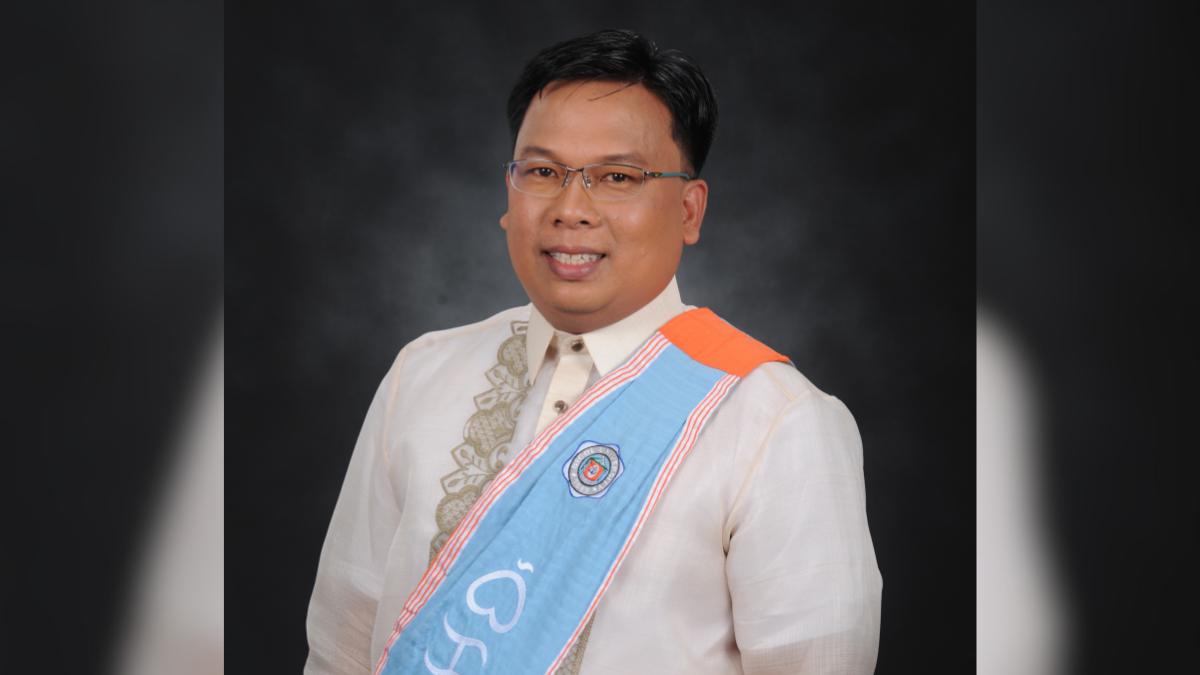

Most people will never think about the string of digits printed in fine type on a food package — the FDA registration number that says a product is safe to eat. For Dr. Robert Llantero Loquillano, that number is the closest thing his profession has to applause. “I love to see the products I developed displayed in the shelves of the supermarket and contain the highly coveted FDA registration number,” he shares with TGFM, and the way he says it — coveted — tells you everything about how a microbiologist measures a life’s work.

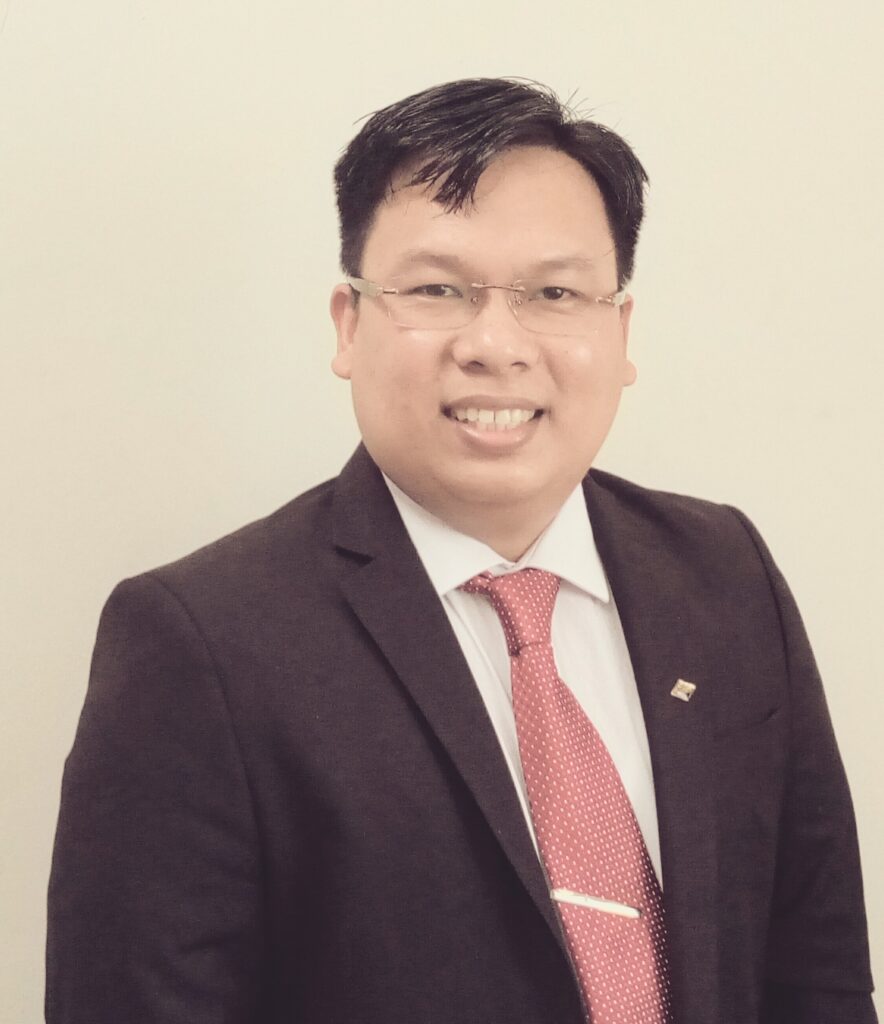
He is 46 now, twenty-two years removed from the country he still calls home, and the title on his door in Lomé, Togo, reads Plant Operation Manager and Head of Research and Development at TOPFOOD Company. But the story does not start in West Africa. It starts at 1 a.m. in a laboratory in Pasig City, where a young analyst clocked in while most of Manila slept.
Where everything started
“Where everything started and rest is history,” Dr. Robert writes of his first job at Chempro Analytical Services Laboratories. He reported at one in the morning to collect client samples and test them for the microbial parameters that the Department of Health and the old BFAD required. It was unglamorous, nocturnal work. It was also, in his telling, the door that opened every door after it.
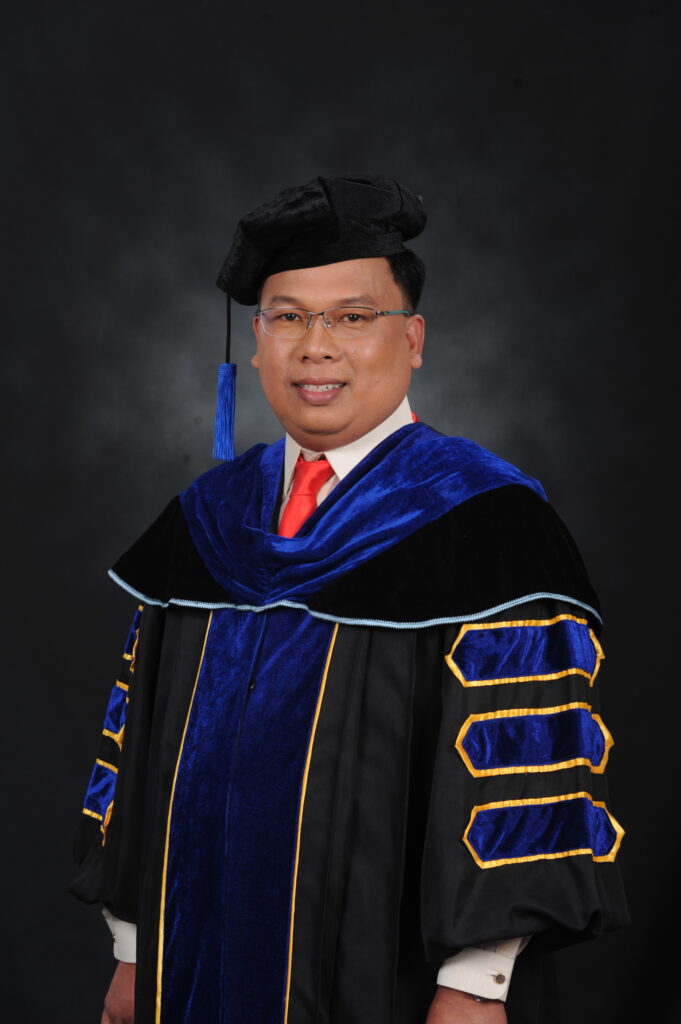
A graduate of Bicol University in Legazpi City — Bachelor of Science in Applied Biology, major in Plant Pathology — he is, by his own precise distinction, “a Plant Pathologist by education, and a Microbiologist by profession.” Twenty-five days after his class was confirmed graduates, he was already employed as a microbiologist. From there he moved to the central laboratory of the JG Summit group, working under Westpoint Industrial Mills, running physio-chemical analyses on water and wastewater and, even then, training the people around him.
The decision to leave was not romantic. It was arithmetic. He had two younger siblings to put through school and parents to support, and the math of a Philippine salary did not close the gap. “Knowing that the salary in the Philippines is not so high I decided to apply overseas as an OFW,” he says. The first offer abroad was, in his words, “good enough for a first timer.” He took it. The siblings would get their education. That was the whole equation.
What followed was a career that crossed two continents and a half-dozen regulatory regimes. Abu Dhabi, where he certified medical devices as a QC technician and microbiologist. Riyadh, where as Microbiology Division Manager at Watania Agriculture he answered to both the Saudi Arabian Standards Organization and the Gulf Standard. Then Nigeria — first as a technical consultant, then through a steady climb at Boulos Foods and Beverages in Ibadan, where between 2013 and 2017 he stacked roles like a man who could not say no: Quality Manager, then HSE Manager and Head of R&D, then, for a year, Acting Plant Manager.
The conscience of the factory
It would be easy to read that résumé as pure ambition. Dr. Robert reads it differently. The Boulos years, he says, were where the work stopped being only technical and became, for lack of a better word, moral.
The project was financed by the International Finance Corporation, which meant he had to enforce the IFC’s Performance Standards on environmental and social sustainability to the letter. He describes the effect almost as a conversion. The standards let him “see the reality of the effect of industrialization,” he says, and pushed him toward “a leadership that is more focus on humanity, environment and welfare of the indigenous and vulnerable member of the society.”
That phrase — leadership focused on humanity rather than only on the balance sheet — is the thread that runs through everything he has built since. He talks about the four analytical laboratories he has stood up across the Gulf and Africa, equipped to test against Codex Alimentarius and other international food-safety standards, with the same breath he uses to talk about empowering the people who staff them. He is, he says, “a strong advocate for women’s empowerment and equal employment opportunities for highly qualified but underprivileged individuals.” He has written the manuals to prove it — codes of conduct, anti-discrimination policies, equal-opportunity frameworks — the unsexy architecture of a fair workplace.
By his count, sixteen food products carry his fingerprints, each one developed to comply with regulatory and statutory requirements, many of them fortified with the vitamins and minerals that move a product from mere calories to nutrition. The satisfaction, he insists, was never mainly financial. “Satisfaction is not all about financial though its part,” he says, “but the most important part is when you have peace of mind, you have liberty to express your wisdom, your technical knowledge and to share your expertise and train young professionals that will soon lead the organization.”

The power of ink
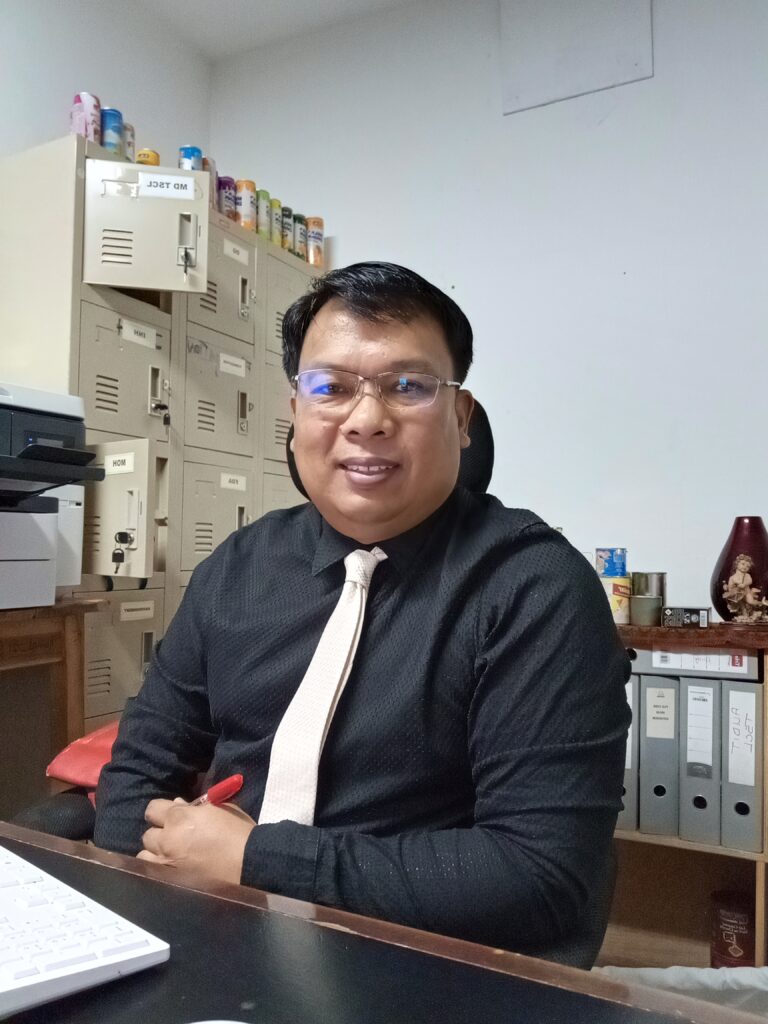
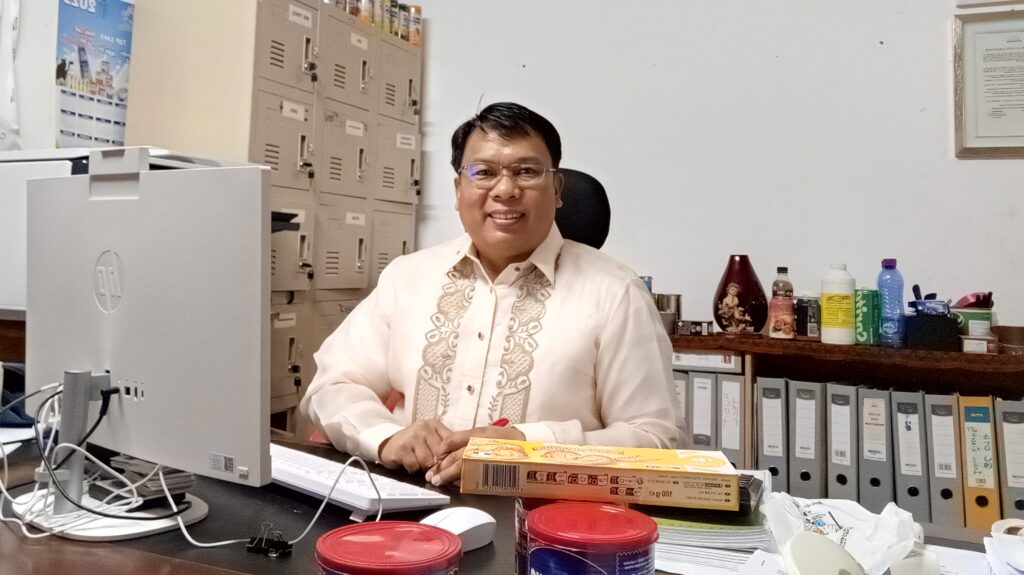
Twenty-two years abroad does not pass without friction, and Dr. Robert is candid about the early grind. When he first landed in the Gulf, the communication systems that today’s OFWs take for granted barely existed. He was dropped into a multicultural workplace where habits clashed and where, by his account, some colleagues simply did not hold quality to the standard he expected of himself.
His response was not to fight. It was to write. “I never confront people verbally,” he says. “I always apply the professional way following the concept of the power of ink to address my concern.” It is a revealing line — a scientist’s faith that a careful memo outlasts a heated argument. He credits his father for the instinct, recalling the older man’s counsel about listening before speaking, and connects it to the transformational-leadership theory he later studied formally. Patience, tolerance, resilience: he names them like reagents in a formula he had to mix himself.
The pandemic tested that temperament in a way no factory dispute had. Dr. Robert found himself doubling as an informal lifeline for the Filipino community in his corner of West Africa, coordinating with the embassy in Nigeria. Renewed passports for his kababayans were routed through his office; some he delivered himself, others were collected at his desk. He had a factory to keep running and a workforce to protect, and he built the control measures to do both. The credential he is quietly proudest of may be the least credential-like of all: that when his countrymen needed someone, he was the one they could reach.
There is a principle buried in his hiring practices that deserves to be said plainly. The fourteen Filipino workers he has since brought to TOPFOOD were deployed, he notes, “without salary deductions and without placement” fees — a condition he imposed on the recruitment agency himself. Anyone who knows the darker economics of overseas labor will understand exactly how unusual that is.
Building the way home
For all the years away, Dr. Robert talks about the future the way a man talks about a homecoming he has already started planning. He intends to teach — a part-time professorship in microbiology and food technology back in the Philippines. He wants to open a small microbiology laboratory for water testing that doubles as a training center for students in his field, and to hang out a consultant’s shingle in food safety and ISO management. He is already building toward a hospitality and rental business on the side. And he means to keep doing, for free, the thing he has apparently always done: mentoring undergraduates through their theses and guiding master’s and doctoral students through theirs.
His mantra is three words long — “Quality Education for all” — and it is not decoration. It is the through-line from the 1 a.m. samples in Pasig to the products on supermarket shelves in West Africa to the laboratory he wants to build for students who will never know his name.
Asked what he would tell a struggling kababayan abroad, he does not lead with money or career. He leads with home. “Maintain communication with your family never stopped loving them,” he says, before the practical coda about setting aside part of every salary because “you never know what tomorrows may bring.” For a man who has registered products with regulators on three continents, his closing belief is strikingly unscientific, and all the more convincing for it. “Love, peace, dignity, integrity and wisdom hold greater value than material possessions, careers, and even status.”
He has spent half his life proving a product is safe before it reaches a stranger’s table. The harder thing he learned along the way was that the same care — patience, integrity, the long game over the loud win — works on people, too. “There’s no place like home,” he says, “and family is the smallest entity as defined in our constitution but that is the biggest and constant refuge regardless of our situation.”
The registration number gets the supermarket. The man behind it is already planning his way back.
