



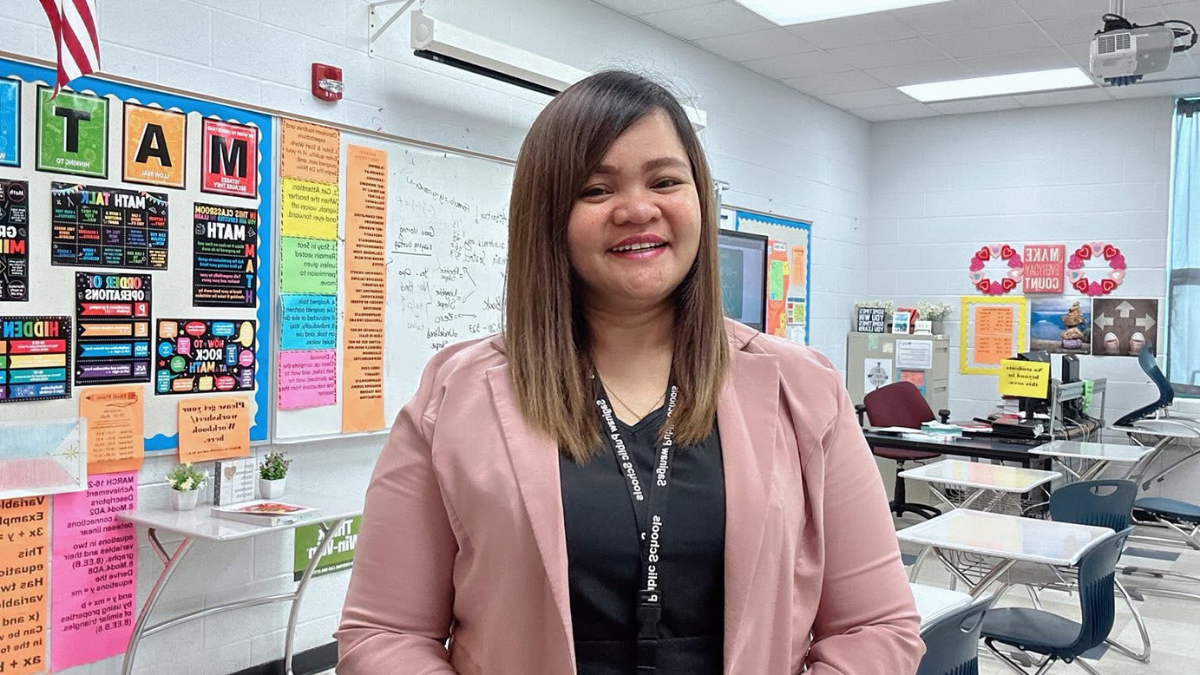

There is a version of the Filipino teacher’s story that everyone thinks they already know: the modest salary, the years of quiet service, the eventual leap abroad for a better paycheck. It is a familiar arc, and it is real. But it flattens what actually happens inside a life like that — the waiting, the near-misses, the doors that open only after several have closed. Mary Grace Jacalan Du has lived every beat of that harder, truer version, and at 41 she is standing in a middle-school mathematics classroom in Saginaw, Michigan, roughly 13,000 kilometers from the sitio where she once studied by kerosene light.

She is a J-1 Exchange Teacher, in her first full school year abroad. On paper it reads like an achievement reached. In practice, it is the payoff of a decade that nearly didn’t arrive on time.
From ₱6,000 a month to a classroom in America
Mary Grace’s teaching career began in 2014 at a private school in Cagayan de Oro City. Her first paycheck was ₱6,000 a month. It climbed to ₱10,000 the following school year, which was better but not the future she had in mind — not for herself, and not for the family depending on her. In 2016 she applied to the Department of Education and was hired as a public-school teacher, a post she would hold for the next nine years.
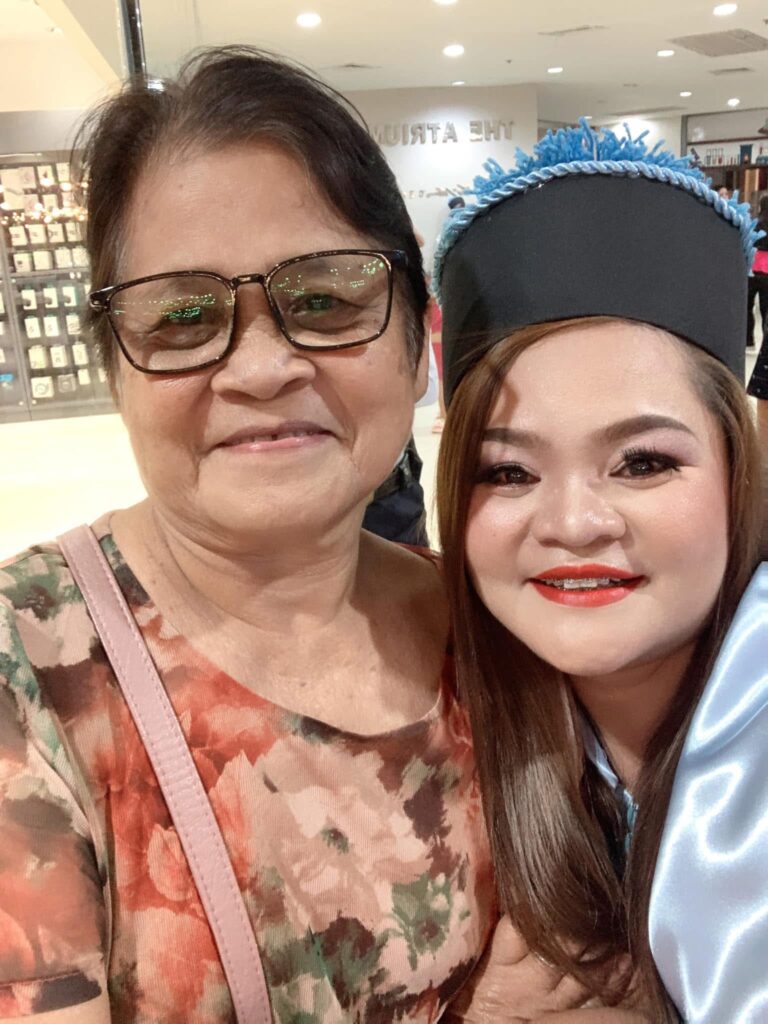
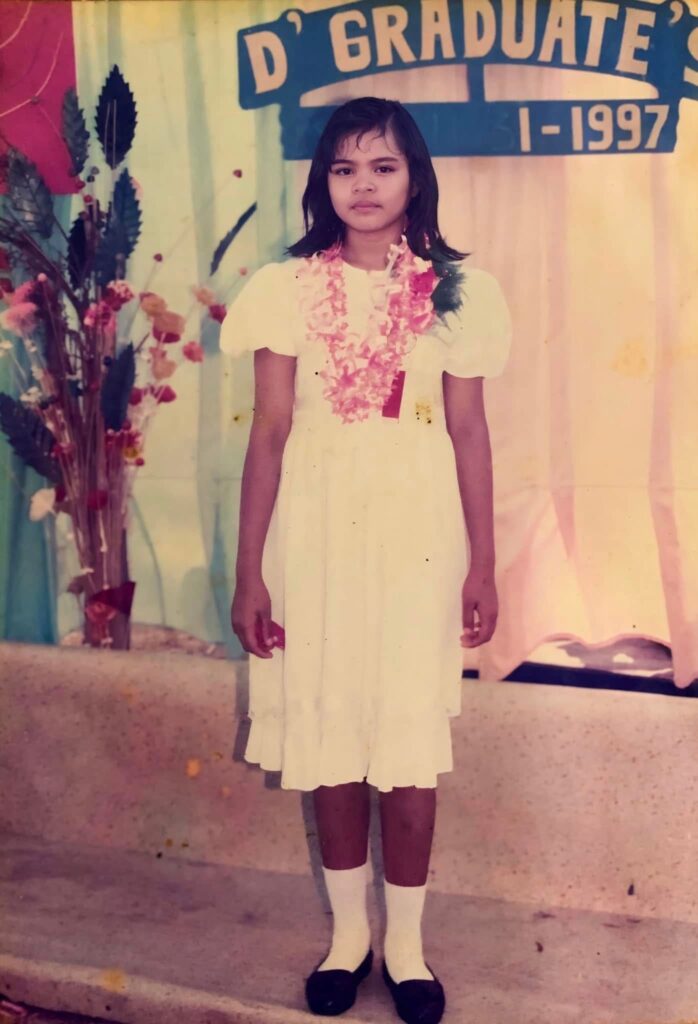
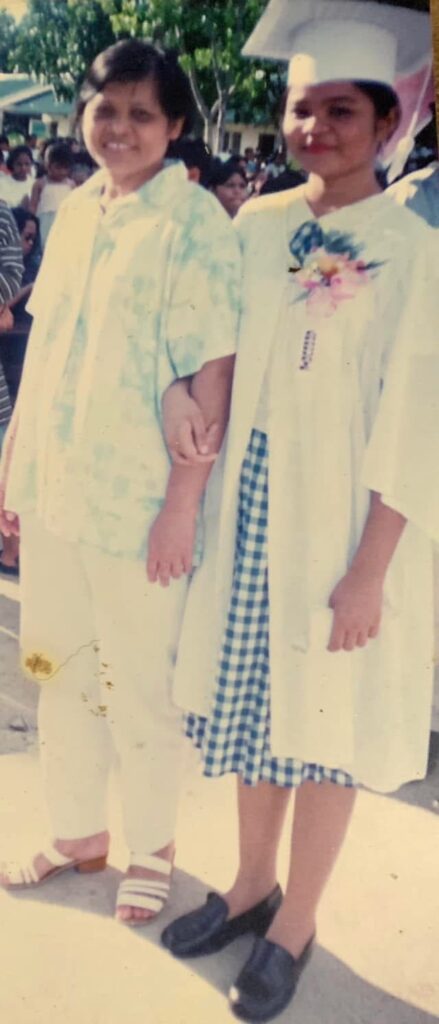
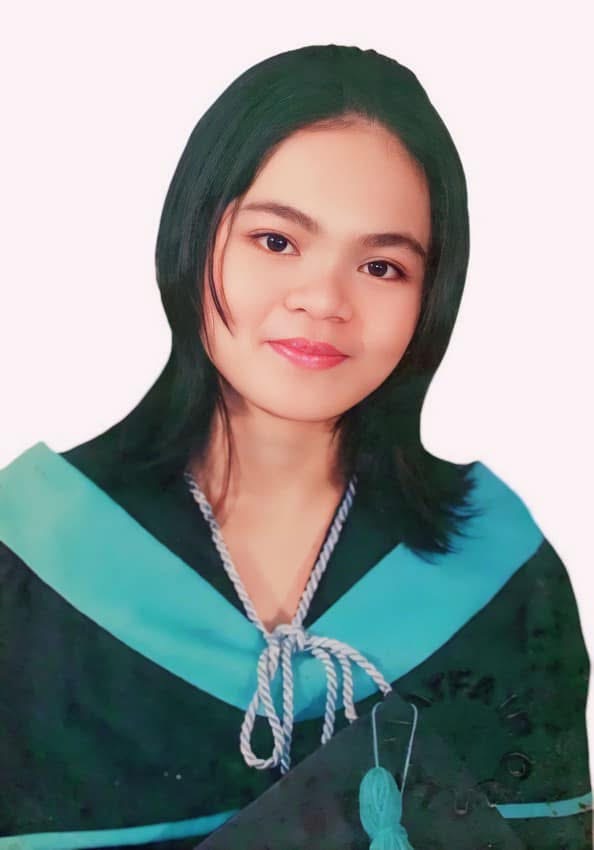
Those nine years were not a plateau. While teaching full-time and raising her son alone, she finished a master’s degree, and she is now working toward a second one in special education. “I believe that learning is a lifelong journey and that teachers should never stop growing,” she shares with TGFM — a line that could sound like a slogan from anyone else, but which she has quite literally spent her adult life proving. She was also helping support her mother and her nephews the whole way through, which is part of why each degree, each promotion, each milestone carried more weight than it might have for someone with fewer people leaning on them.
Her responsibilities in Saginaw stretch well beyond delivering lessons. She designs inclusive learning experiences, tracks academic progress, works with colleagues and parents, and tries to build a room where, as she puts it, “every child feels valued, respected, and inspired to learn.” She frames the J-1 role as something larger than employment. “It is more than an opportunity to teach,” she says. “It is a chance to exchange cultures, grow professionally, and proudly showcase the passion, competence, and heart of Filipino teachers on the global stage.”
The dream that almost didn’t push through
The neat version of this story would have her boarding a plane on schedule and settling in with the rest of the staff on the first day of class. That is not how it went.
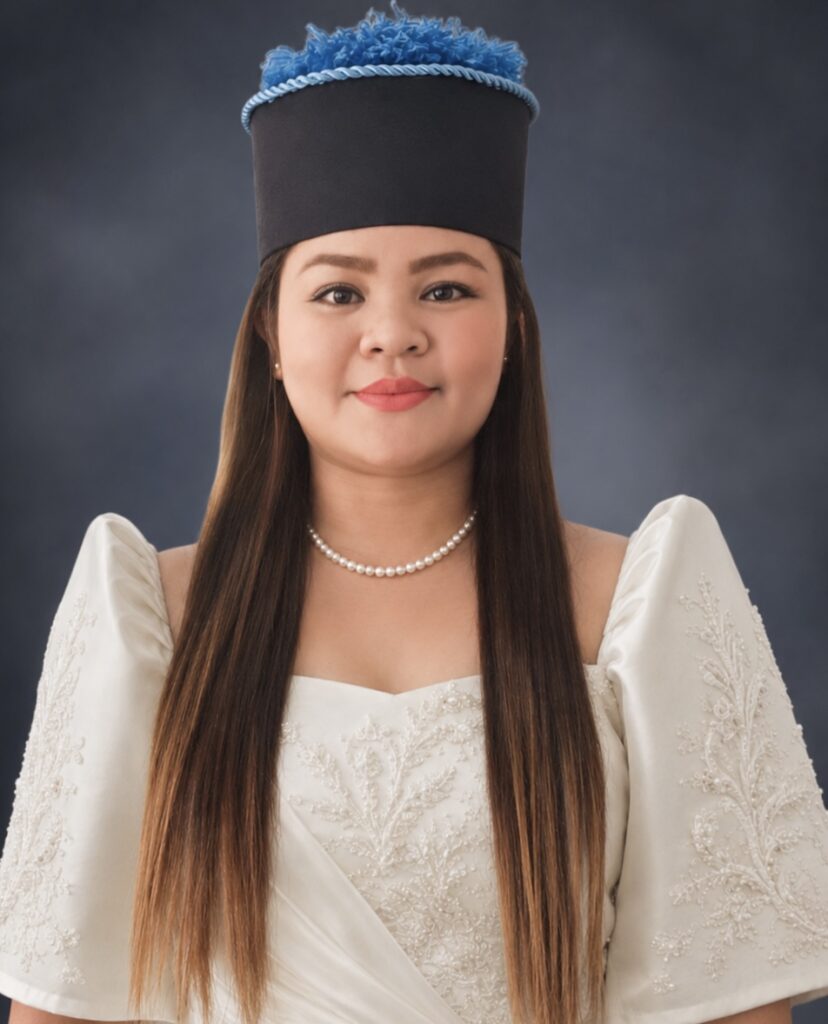
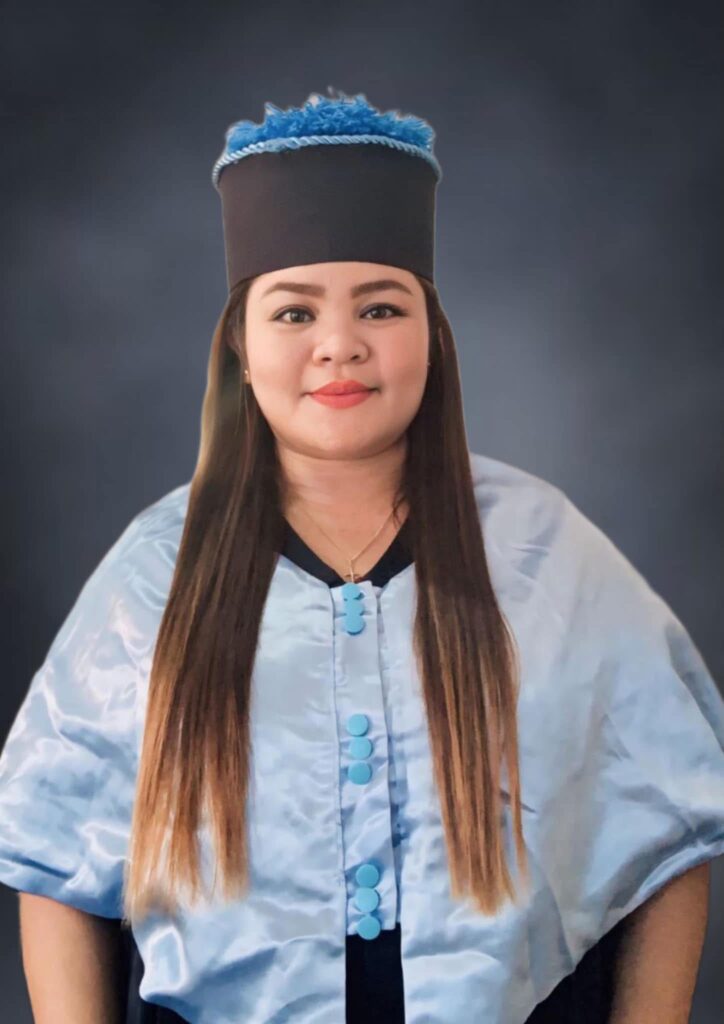
By the time her paperwork cleared, the school year in Saginaw had already begun. Her processing had taken longer than expected, and she started to believe she had missed her window entirely. “I even questioned whether I should continue,” she recalls. What kept the door from shutting was a single conversation. When she spoke with the Assistant Superintendent, he told her the district was willing to wait. “That conversation reignited my hope and strengthened my determination to keep going.”
Money was its own obstacle. Like many aspiring overseas workers, she did not have enough to cover everything the move required, and she has never pretended otherwise. Her way through was equal parts faith and other people’s generosity. “Lord, if this opportunity is truly meant for me, I know You will make a way,” she remembers praying. A cousin backed her throughout. A former co-teacher offered to lend her the money for a plane ticket. In the end the school district itself covered her airfare, lifting the single largest cost off her shoulders.
Even the visa interview came down to a margin. When she went to schedule it, only one slot remained for the entire month of August. She booked it. She arrived in the United States in October 2025 — after the school year had started — and it took more than a month before she officially began teaching. Adapting to a new educational system while simultaneously trying to catch up to a class already in motion was, in her words, “both exciting and overwhelming.”
Teaching students she had never been trained to teach
The hardest professional adjustment was not the accent or the paperwork or the unfamiliar routines, though there were plenty of those. It was the students.
Many of the children in her classroom have Individualized Education Programs — IEPs — and require specific accommodations, interventions, and careful documentation. It was the first time the former DepEd teacher had handled learners with that range of special educational needs. “Although it was overwhelming at first,” she says, “I embraced it as an opportunity to become a more compassionate, patient, and effective educator.” She leaned on Filipino teachers who had made the same crossing before her, asked questions without embarrassment, and treated every gap in her knowledge as something to close rather than hide.

The catching-up eventually turned into contributing. One of her proudest moments came during Math Month, when an activity she proposed was recognized by school leaders and adopted as a model activity for the entire Mathematics Department. For a teacher who had arrived late, uncertain, and thousands of miles from anything familiar, seeing her own idea become a template for colleagues was proof that “dedication, creativity, and passion can make a meaningful impact regardless of where you come from.”
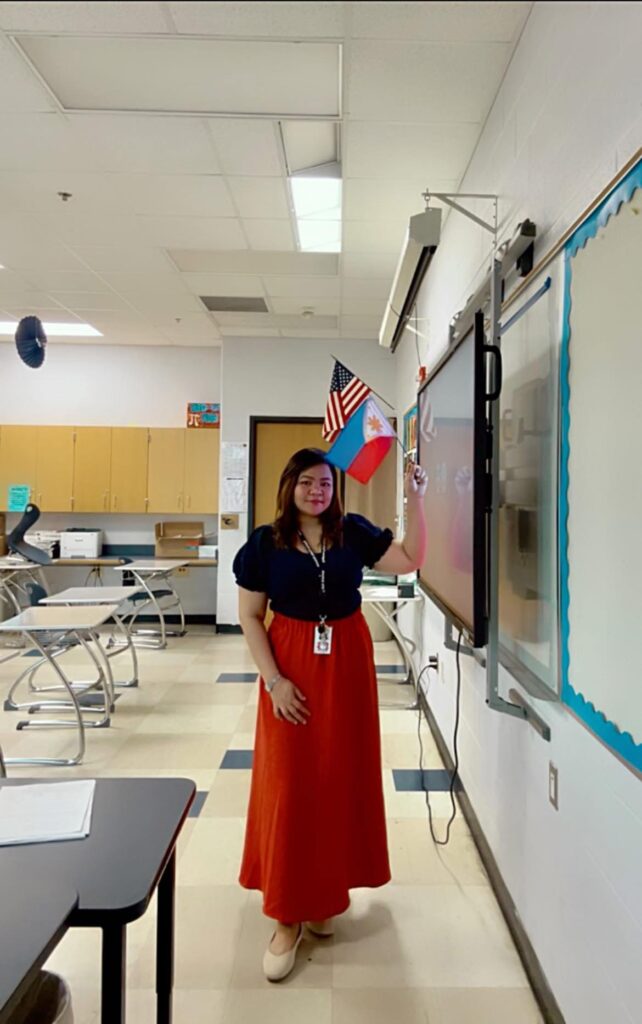
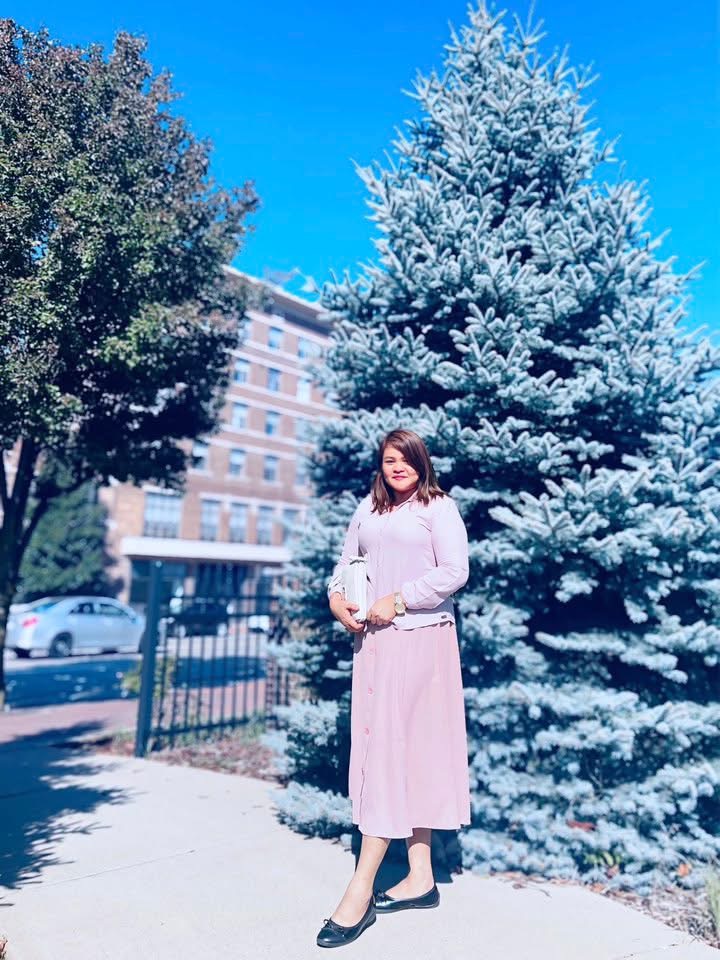
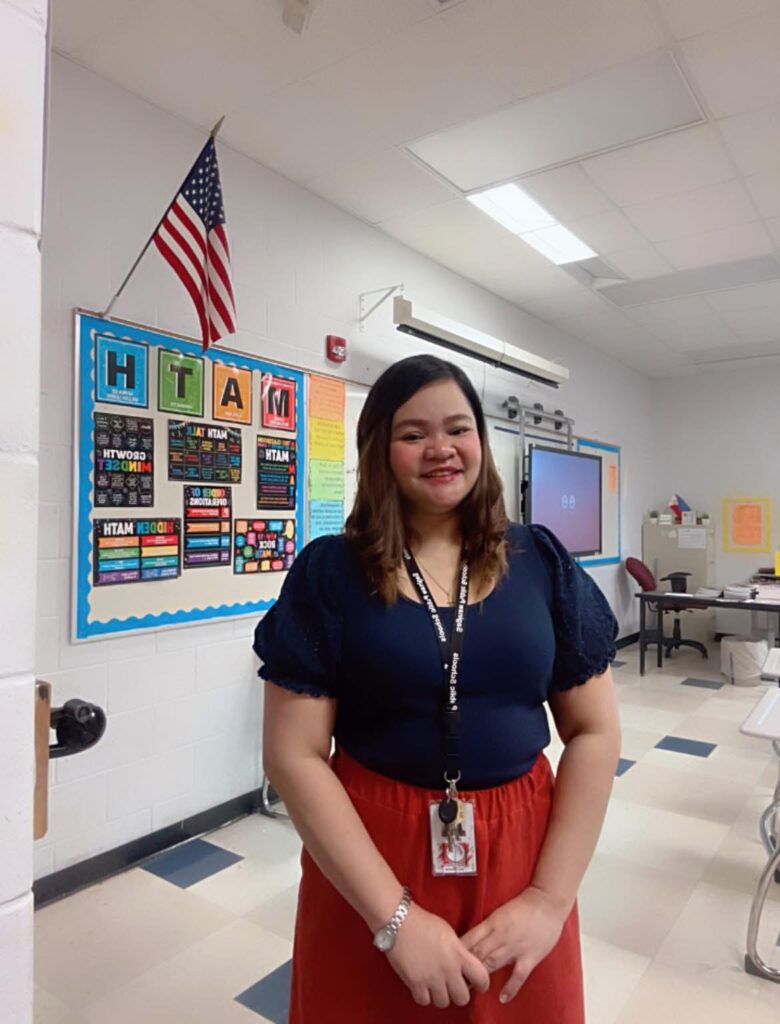
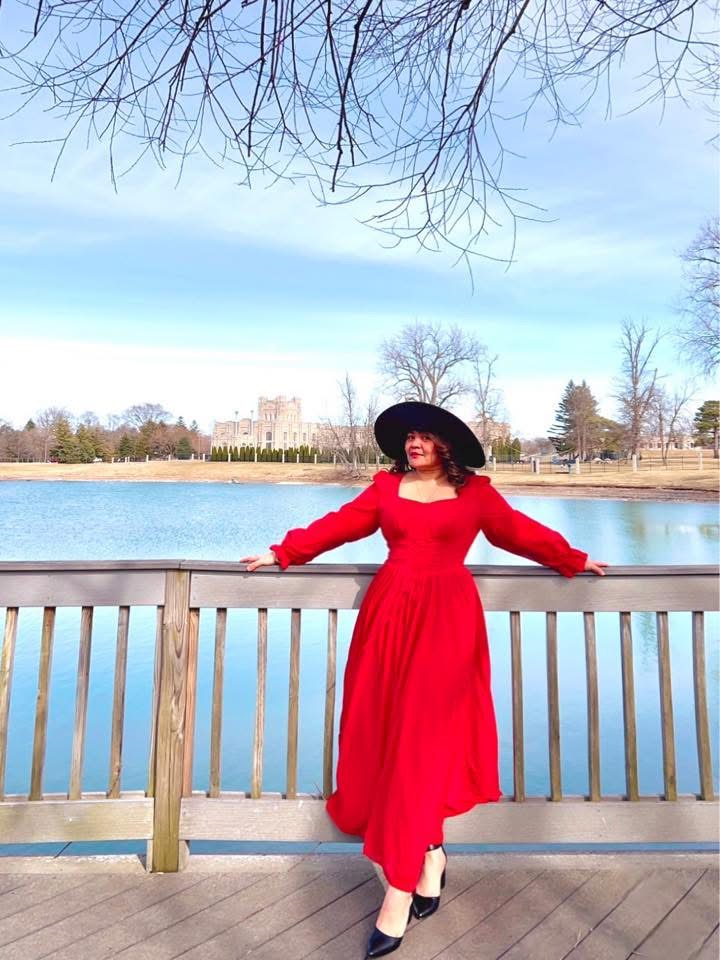
What she values most, though, is quieter than any award. “There is no greater fulfillment than seeing a child gain confidence, overcome challenges, discover their unique strengths, and believe in their own potential,” she says. She talks about her students growing “not only academically but also emotionally, socially, and personally,” and it is clear this is where the real reward sits for her — not in the mathematics, but in the child who starts to believe in himself while learning it.
The son she left behind
For all the professional wins, the mathematics teacher is candid that the steepest cost of this journey has been personal. Leaving her son behind was, she says plainly, “one of the hardest decisions I have ever made.” The first months abroad brought homesickness, loneliness, and self-doubt in a place where everything — the culture, the school system, the people, even her daily routine — was unfamiliar at once.
Her way of carrying that is to keep the reason in front of her. “There will be moments when you question whether all the sacrifices are worth it,” she tells fellow Filipinos weighing the same move. “During those times, hold on to the reason you started your journey.” Her own reason is her family and her child, and her steadiness comes largely from her mother, whom she credits with teaching her “the values of hard work, humility, perseverance, and trust in God.” Distance, she has decided, does not get to weaken those bonds — regular video calls and messages are how she keeps them intact.
There is a thread running underneath all of this that she traces back to childhood. Growing up, her family did not own a television. She watched Hollywood movies at an aunt’s house in the city, transfixed by snow-covered streets, autumn trees, spring gardens in full bloom. “One day, I’ll be there,” she remembers telling herself as a teenager. “One day, I’ll take a picture of myself in the snow, beneath the colorful autumn trees, and surrounded by the beautiful flowers of spring.” She is living inside that image now, one season at a time.
What she wants to carry home
Ask her about the future and she does not describe staying abroad indefinitely. Her plan is to return to the Philippines and teach again — but as a different teacher than the one who left. She wants to bring back the student-centered strategies and global perspective she has picked up in Saginaw and put them to work in her own community, because she believes “every Filipino child deserves access to engaging, inclusive, and high-quality learning experiences.”
She also wants to mentor the teachers coming up behind her, especially those chasing international placements of their own, and to advocate for underprivileged children who need resources and opportunity more than they need luck. “Education is the most powerful tool for breaking the cycle of poverty and creating lasting change,” she says — a conviction that reads less like theory and more like autobiography.
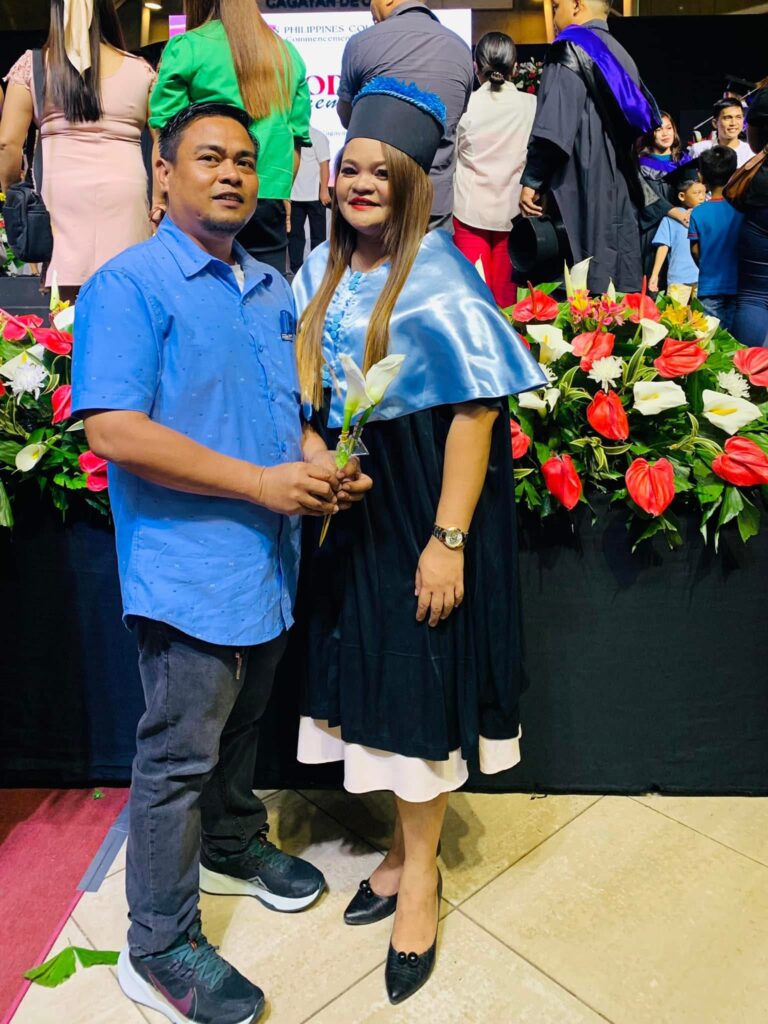
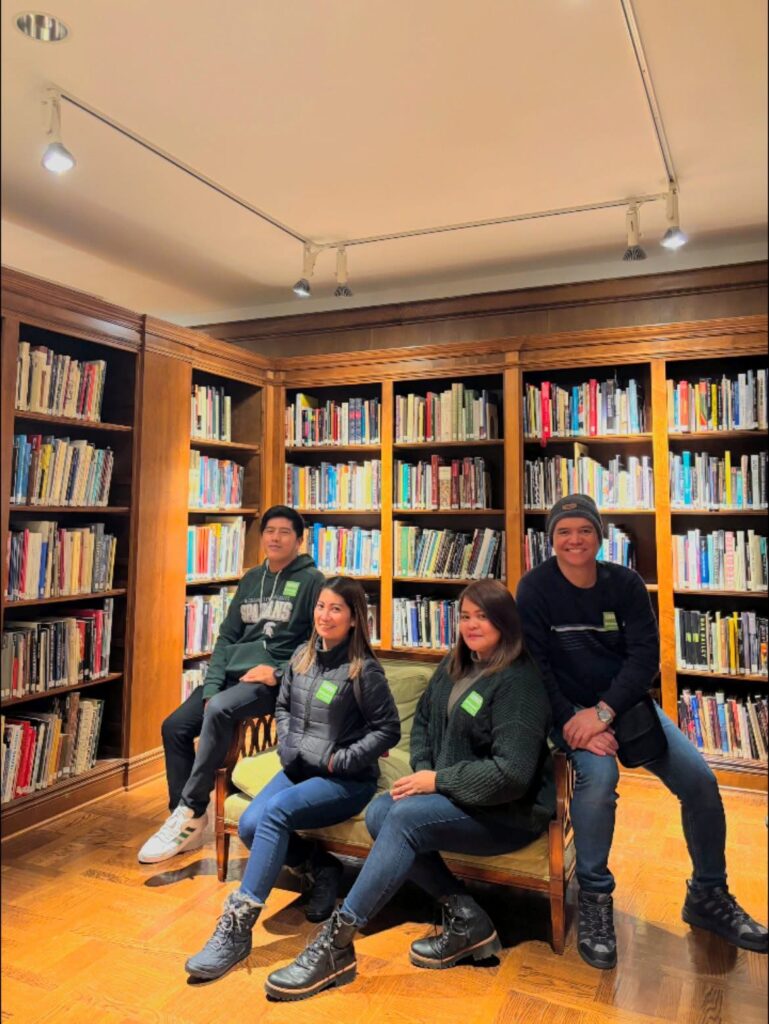
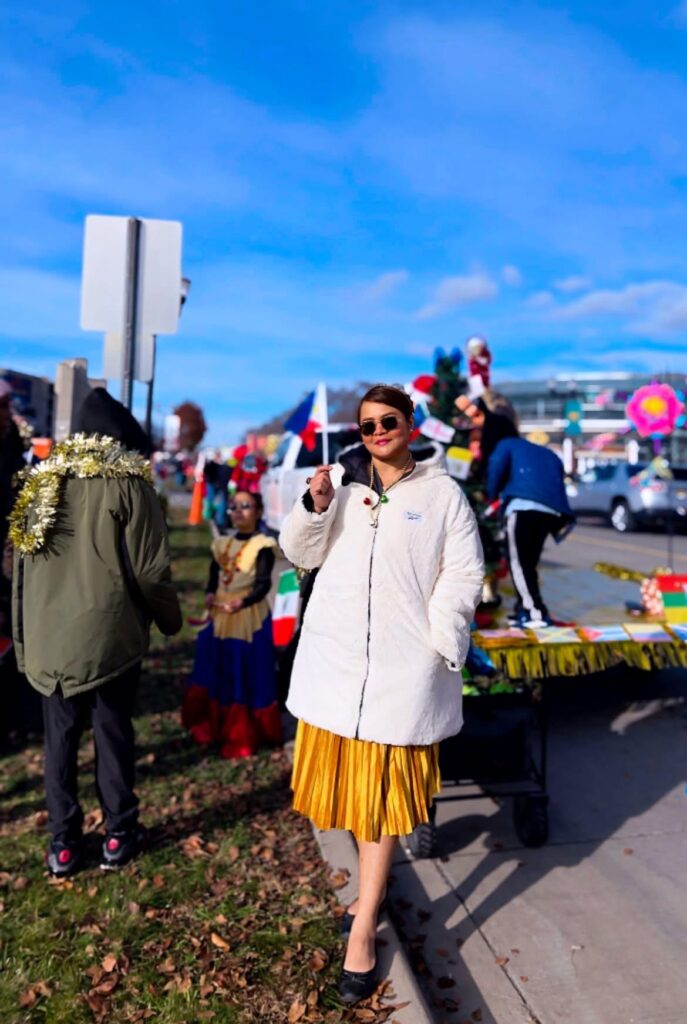
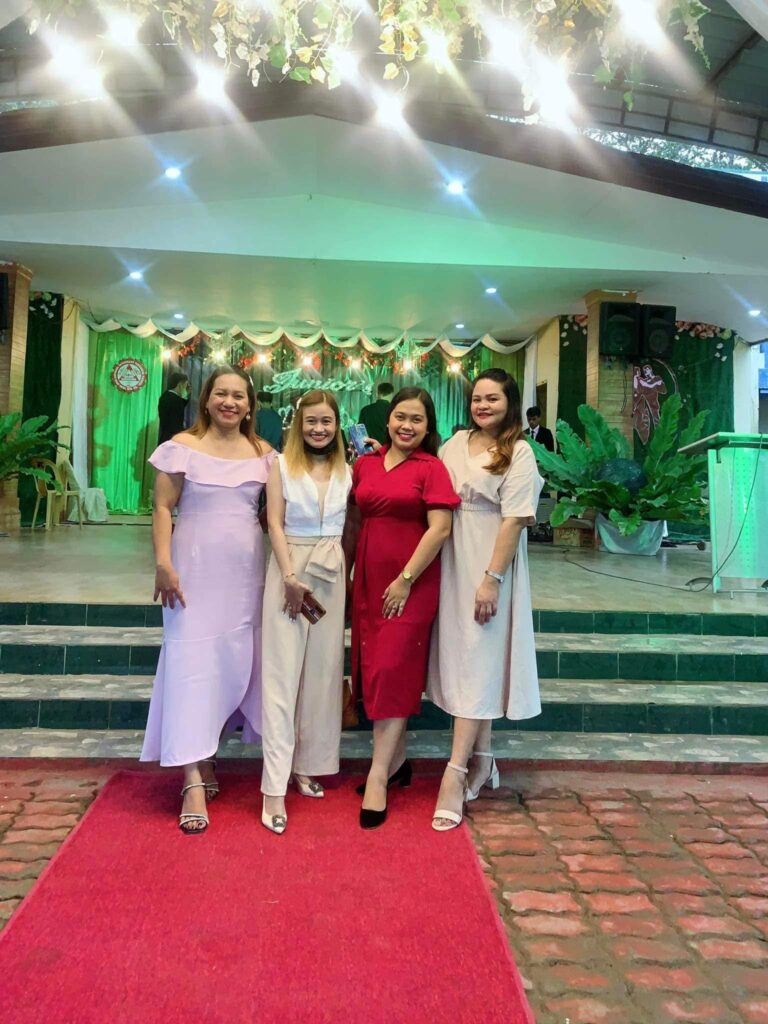
She has a specific origin she keeps returning to: Sitio Gusa, Bonbon, Opol, Misamis Oriental, and the grandparents who raised her there, Tatay Pedro and Nanay Erene. They were not wealthy, she says, but they gave her “love, faith, humility, and the belief that education could change my life.” Walking long distances to school, studying by kerosene lamp, growing up with very little — she describes these not as wounds but as instruction. “Those experiences became my greatest teachers long before I entered a classroom as an educator.”
Her marriage, which ended, she counts among life’s hardest tests without flinching from it. “It broke my heart, but it did not break my spirit,” she says, framing it instead as the thing that made her more independent and more determined to give her son a future filled with hope.
Looking back at the opportunities that fell through before this one, she has landed somewhere close to peace. “God’s answer was never ‘no.’ It was simply, ‘Not yet,'” she says. Had the earlier chances worked out, she points out, she would never have had the interview she almost skipped, or the unexpected help that got her to it, or the school community that welcomed her.
Her advice to kababayans abroad circles back to where she started: never forget the “why,” keep learning, represent the Philippines with integrity, protect your family and your roots, and save for a future that overseas work — temporary by nature — is meant to build. “Your beginning does not define your destination,” she says. She would know. The little girl who once walked to school with rice and dried fish wrapped in banana leaves, who watched winter only on a screen, now teaches middle-school mathematics through a Michigan winter — and, by her own account, the best chapters are still being written.
