



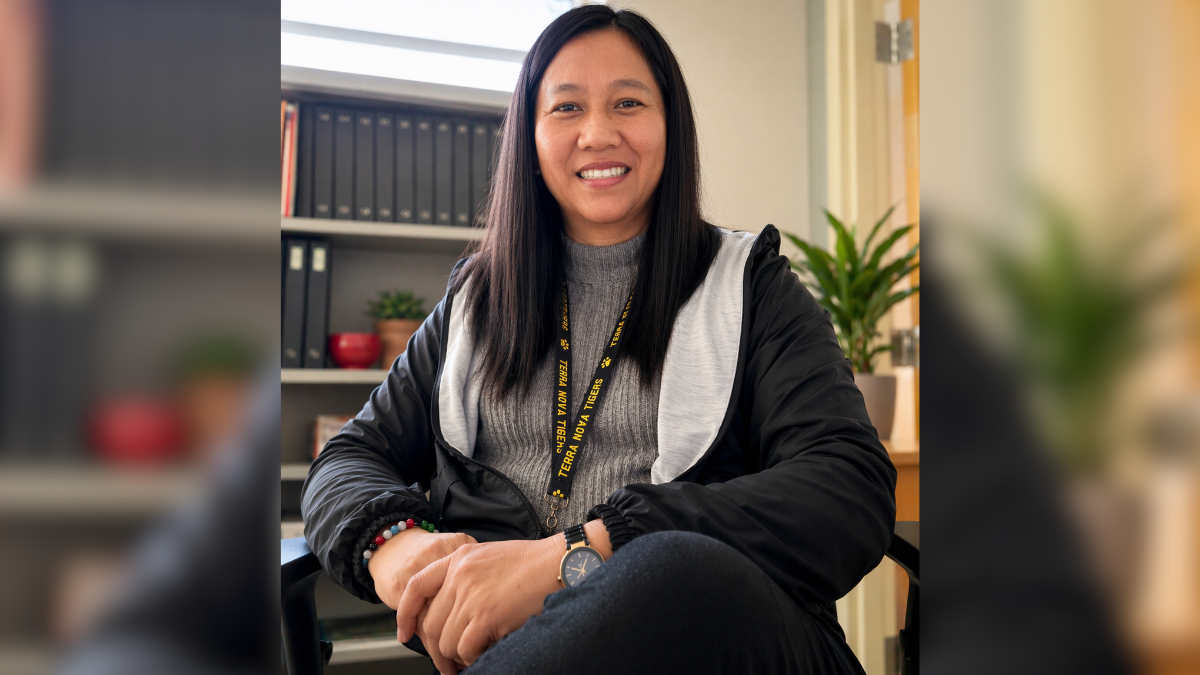

How Joana Bundoc turned sacrifice into a calling — and brought it all the way to California

Most people have a moment they do not talk about much — a year that changed the shape of everything that came after. For Joana Bundoc, it was the year she did not go to school so her brother could. She was seventeen. She went to a factory instead, earning ten pesos an hour. She did not frame it as a sacrifice then. She was just doing what needed to be done.
More than two decades later, that same girl stands at the front of a therapeutic classroom in Pacifica, California, working with students whose emotional and behavioral needs have, in many cases, led others to give up on them. She has not given up on any of them. She does not know how.
Joana, now 42, is a Special Education Specialist at Terra Nova High School under the Jefferson Union High School District. She works within the STEP Program — Support, Trust, Empowerment, and Progress — a structured environment designed for students with Individualized Education Programs whose learning is significantly affected by emotional and behavioral challenges. Her team includes a mental health therapist, behaviorist, registered behavior technician, wellness counselor, and transition specialist, among others. It is, by any measure, demanding work.
“It is the most meaningful work I have ever done,” she says, “because it calls on everything I have learned and everything I am.”
A plan that was never the plan
Joana did not set out to become an overseas Filipino worker. She had built a solid career at home — joining the Department of Education in 2009, teaching science, eventually becoming Officer in Charge at Sta. Monica High School. She led departments, advised clubs, mentored hundreds of students every year. It was a full life, and it was hers.
Then a former colleague mentioned the demand for teachers in the United States.
“Something shifted in me,” she recalls. “I saw it not just as a career opportunity, but as a chance to grow beyond what was familiar — to test myself, to expand my impact, and to provide a better future for my family.”
In 2019, she left for Pacifica, California, joining Oceana High School as a Special Education teacher — a field she had no formal background in. The transition was immediate and steep. IEP processes, compliance requirements, behavior management systems, a different culture — all of it came at once. The classes she inherited had been without a permanent teacher for months. There was little structure in place. She built it, largely from scratch.
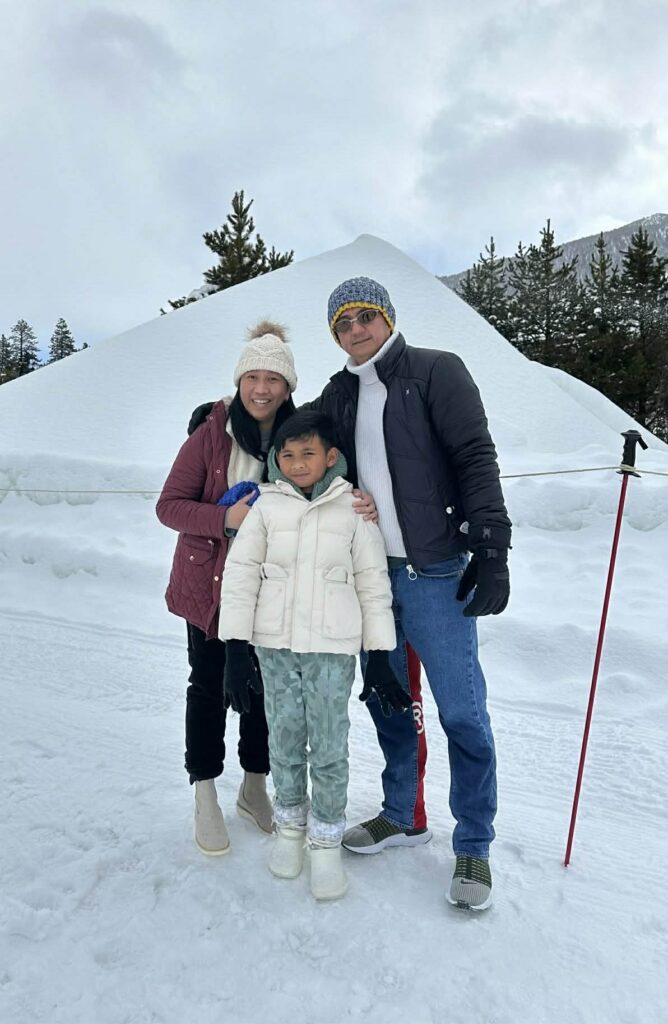
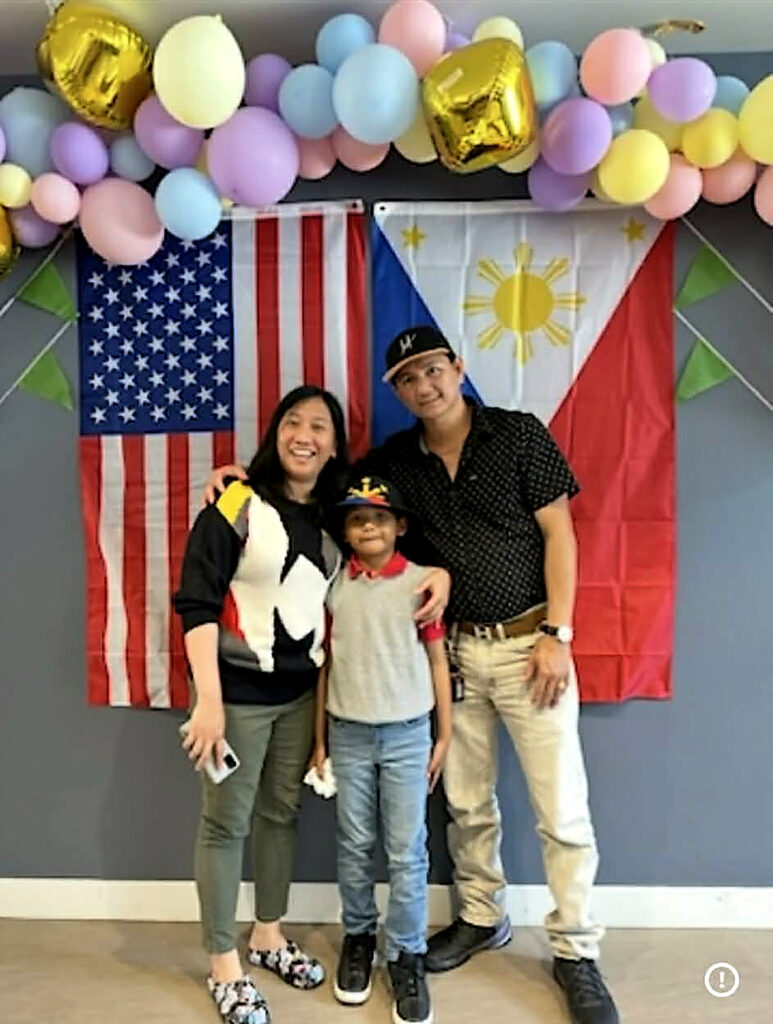
Back home in the Philippines, she had left behind a two-year-old son and a husband working in the Middle East.
The hardest classroom she ever taught
When the pandemic arrived, Joana was already in unfamiliar territory. Now she was being asked to teach students with significant learning and behavioral disabilities through a screen. It was, she says without drama, one of the most difficult things she has ever done.
She did not stop.

“No one had ever given up on me,” she says simply. It is the closest thing to an explanation she offers, and in its simplicity, it is complete.
At Oceana, she eventually rose to head the Life Skills Department, took on case management responsibilities, and mentored students through certificate programs and senior exhibitions. She pursued further studies at the University of Phoenix and UC San Diego. She became a panel member for statewide assessments. When her visa conditions required her to return to the Philippines in July 2024 for a two-year home commitment, she kept working — tutoring students with learning disabilities through Bahay Turo and Tutor Me Education, supporting both Filipino and American learners remotely.
She returned to California in August 2025, and was assigned to Terra Nova High School’s STEP Program.
What it means to believe in a student
The students in the STEP Program are not easy to reach. Many have been misread, mishandled, or simply overlooked by systems not built for them. Joana does not approach them with a strategy first. She approaches them with belief.
“Every day, I walk into a room full of students who have been misunderstood, overlooked, or underestimated — and my job is simply to believe in them,” she says. “That belief, I have learned, is the most powerful intervention of all.”
The moments that stay with her are the quiet ones. A student who develops a coping strategy they can actually use on a hard day. A child who used to shut down, beginning to engage with the world around them. These breakthroughs do not make headlines. But they are, she says, everything.
Her mantra — Teach. Touch. Transform. — is printed on no banner and announced to no crowd. It is, as she describes it, not just a phrase but a mission. One she intends to carry home.
Once her work in California is done, Joana wants to return to the Philippines not just as a returning OFW, but as a builder. She envisions contributing to — or perhaps founding — a program that extends specialized support to Filipino students with learning disabilities and mental health needs, a population she knows is underserved and often invisible within the country’s education system. She also hopes to mentor young Filipino educators who are considering going abroad, offering them the kind of guidance she had to find on her own.
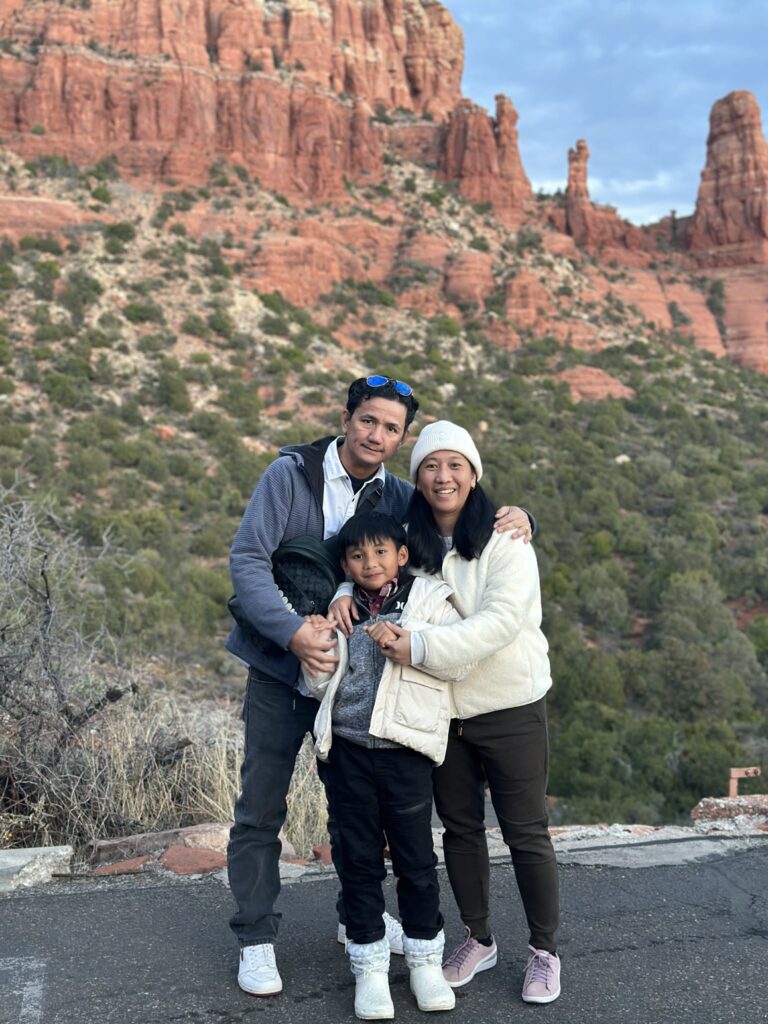
To fellow Filipinos navigating life overseas, her advice is direct: “It is okay to struggle. It is okay to cry in the car before walking into work. What is not okay is letting that struggle convince you that you do not belong. You were chosen for a reason. Honor that.”
There is a thread that runs from that factory floor in the Philippines to the classrooms in Pacifica — a thread made of stubbornness, of love, of the particular kind of resolve that forms in people who have had to set their own needs aside for someone else. Joana Bundoc knows that thread well. She has been following it her whole life.
“To the world, I may simply be a Filipino teacher filling a gap in the US school system,” she says. “But to my students — especially those who have been told in a hundred different ways that they are not enough — I hope to be proof that someone believes in them completely.”
She still thinks about that seventeen-year-old girl sometimes. The one who worked so her brother could study. The one who did a hard thing without making much of it.
“That girl reminded me,” Joana says. “You have done hard things before. You can do this too.”
