



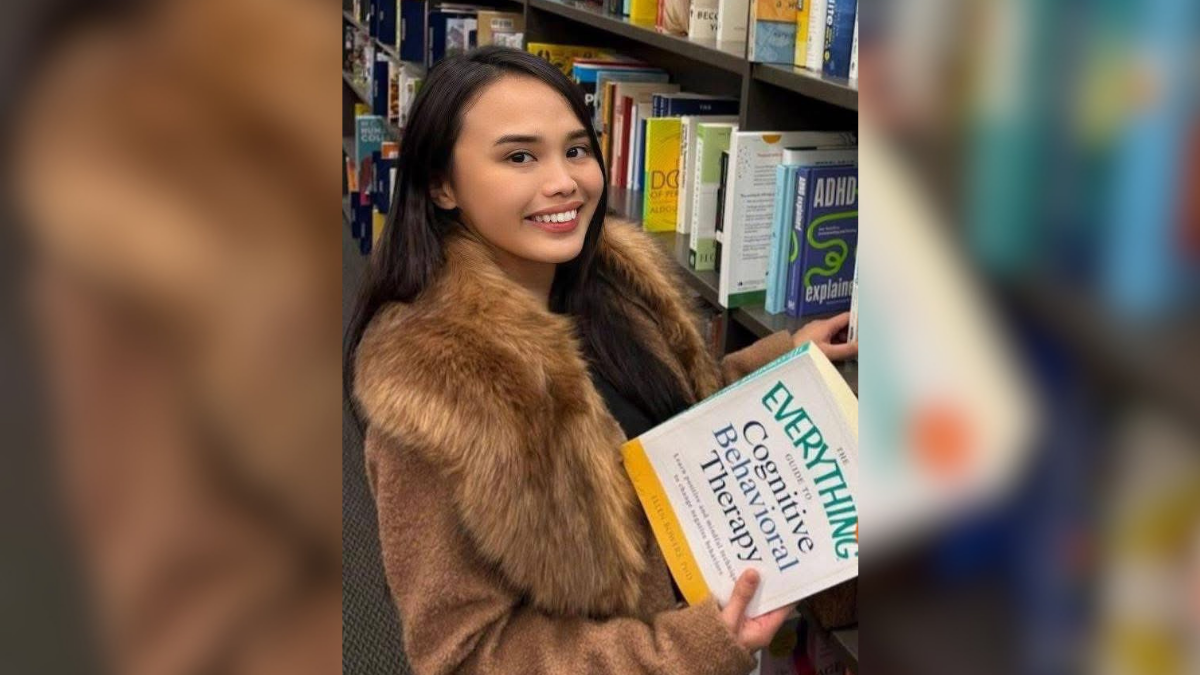

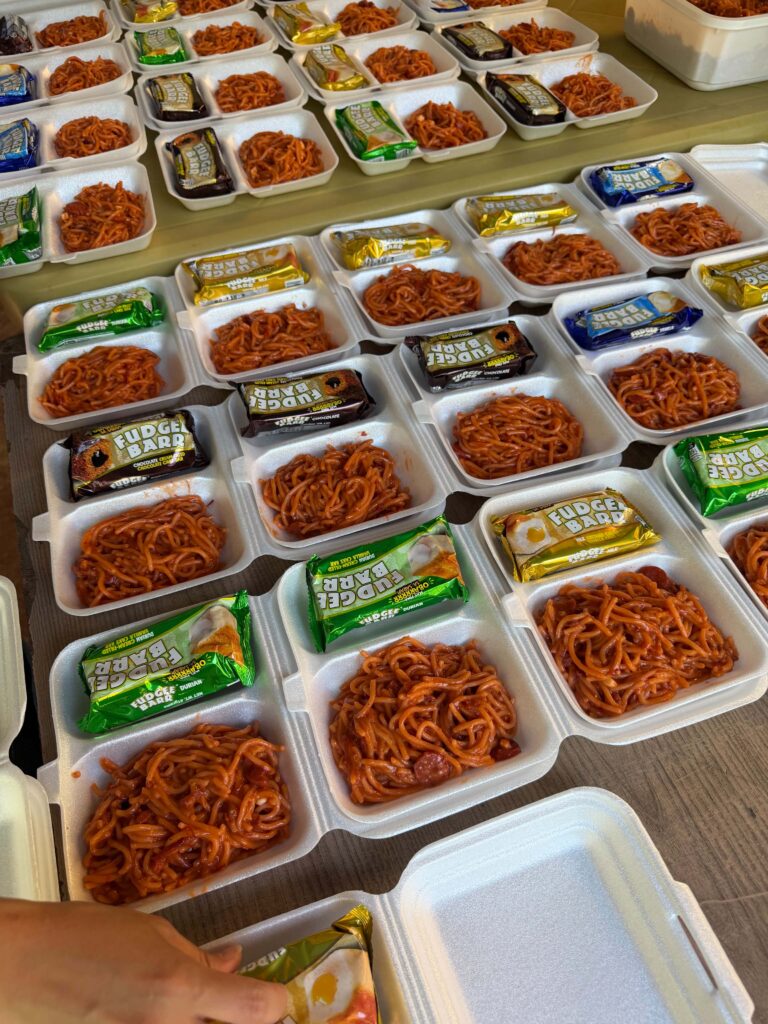
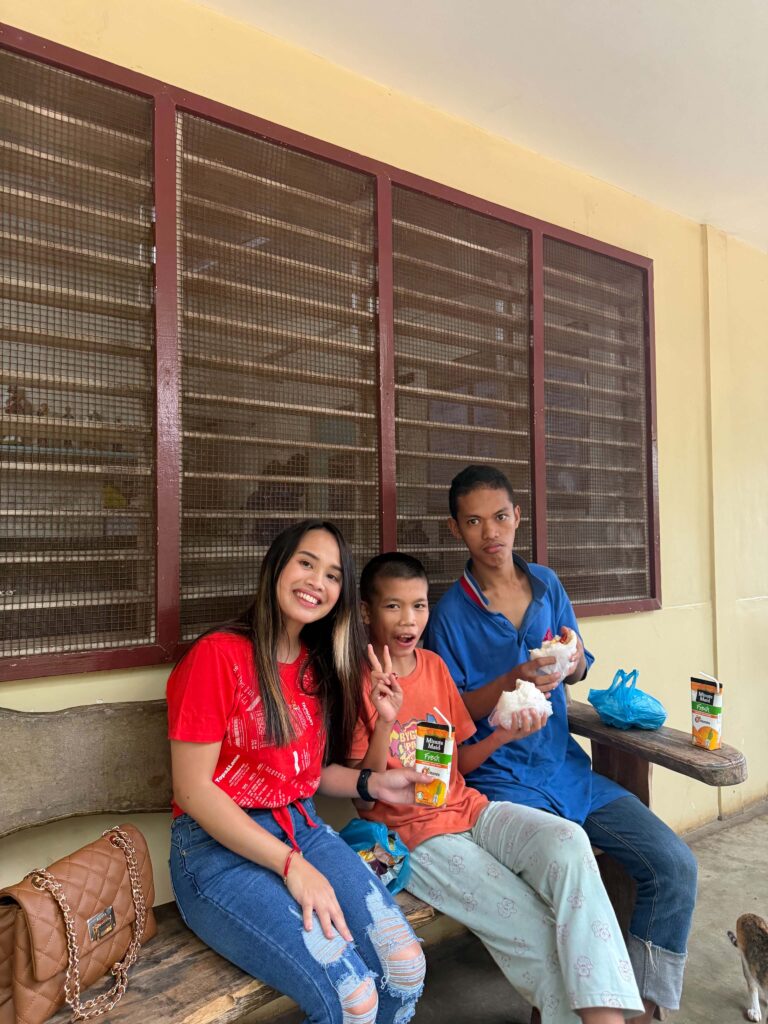
The children had walked down from the mountains, and one of them had just learned there would be spaghetti. His reaction stopped her cold — a joy so outsized, over a plate of noodles, that Marielle Alberto found herself blinking back her own. “That moment really melted my heart,” she says. She was back home in Zamboanga City on one of her outreach visits, a Special Education teacher who now works in South Carolina but keeps returning to the children she cannot stop thinking about. What that child felt over spaghetti, she had felt in reverse decades earlier — as a girl who knew exactly what an empty stomach was.

The leap that fear almost stopped
The move to the United States was not a certainty. It was a question, and a frightening one.
“When I first arrived in the United States, I felt excited, nervous, and scared at the same time,” she shares with TGFM. “Everything was new to me, the place, the culture, the school, and the way of teaching.” The excitement was real — teaching in America was, as she puts it, a big opportunity. But so was the fear. She was leaving behind her family, her friends, and a life in Zamboanga that, however busy, still had room for the people she loved.
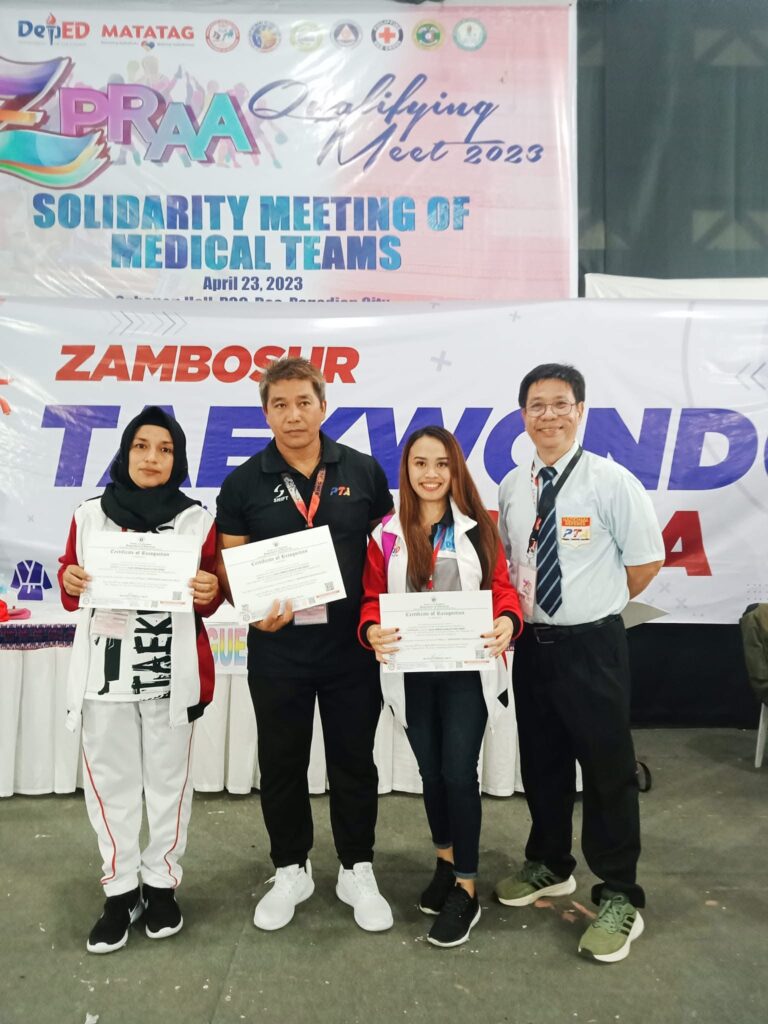

What tipped the balance was a small, stubborn phrase she asked herself before saying yes.
“When I had the opportunity to teach in the United States, I could have been scared and said no,” she says. “But I asked myself, ‘Why not try?'” That question has since become something like a personal creed. For the Filipina teacher, “Why not?” means giving yourself a chance — refusing to let uncertainty make the decision for you. “I learned that you don’t have to know everything before you take a chance,” she says. “Sometimes you just have to take the first step.”
She took it. And the ground she landed on was unfamiliar in almost every way.
Learning to stand on her own
The adjustment to South Carolina was not only professional. It reshaped the rhythms of her daily life.
“One of the biggest adjustments for me was being away from my family and friends and getting used to a different way of life,” she says. Back home, even a packed schedule left space for friends. In the United States, she noticed a different tempo — people working, and working very hard — and she had to find her place within it. There was budgeting to learn, independence to build, decisions to make without her mother’s voice at her shoulder.
“My mom always taught me about the important things in life,” she says, “but being here allowed me to experience those lessons for myself.” Managing her own money, taking care of herself, weighing her own choices — these were things she had heard about for years and was now living out, alone, far from the people who had taught her.
The classroom demanded the same humility. She arrived expecting to have answers and quickly understood that competence would come slowly, through experience rather than certainty. “I realized that I could not expect myself to know everything right away,” she says. “I had to learn from my experiences, from my coworkers, and from my students.” Confidence, when it came, came little by little.
The small victories that confirm a calling
For a Special Education teacher, progress rarely announces itself in dramatic terms. It arrives quietly — in a routine finally followed, a rule finally understood midway through the school year.

“It may seem like a small thing to other people,” she says, “but as a special education teacher, I know how much effort it takes for some of my students to reach that point.” Those moments, modest as they look from the outside, are the ones that settle any lingering question about whether she chose the right path.
She frames her role in unusually intimate terms. Many of her students struggle to express what they need, and she sees herself as a bridge across that gap. “I am here to help children who have difficulty communicating their needs and wants,” she says. “In some ways, I am here to be their voice and help them communicate with others.” Every increment of growth she witnesses returns her to the reason she entered the profession at all. “These moments make me realize that being a teacher is my calling and my purpose.”
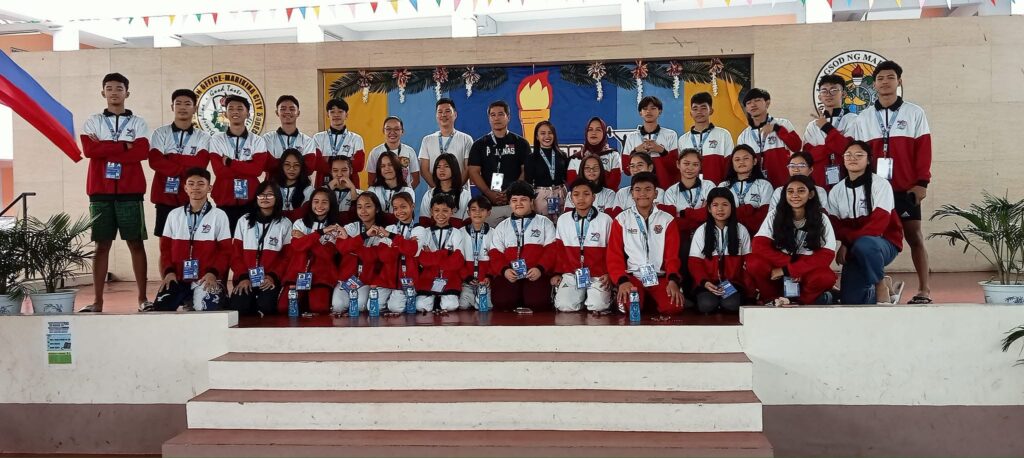


Giving the childhood she wishes she’d had
Here is where her story bends back on itself. The teacher who now advocates for children in an American classroom was once a girl in a Zamboanga public school, sitting out extracurricular activities her family could not afford.
“When I was in elementary school at Talisayan Elementary School in the Philippines, I was not given many opportunities to participate in extracurricular activities because my family did not have enough money,” she says. What little money she had covered the fare home — and sometimes not even that. “Sometimes, I would just walk home so I could save money.” She knows hunger and scarcity not as abstractions but as memory. “I experienced empty pockets and an empty stomach.”
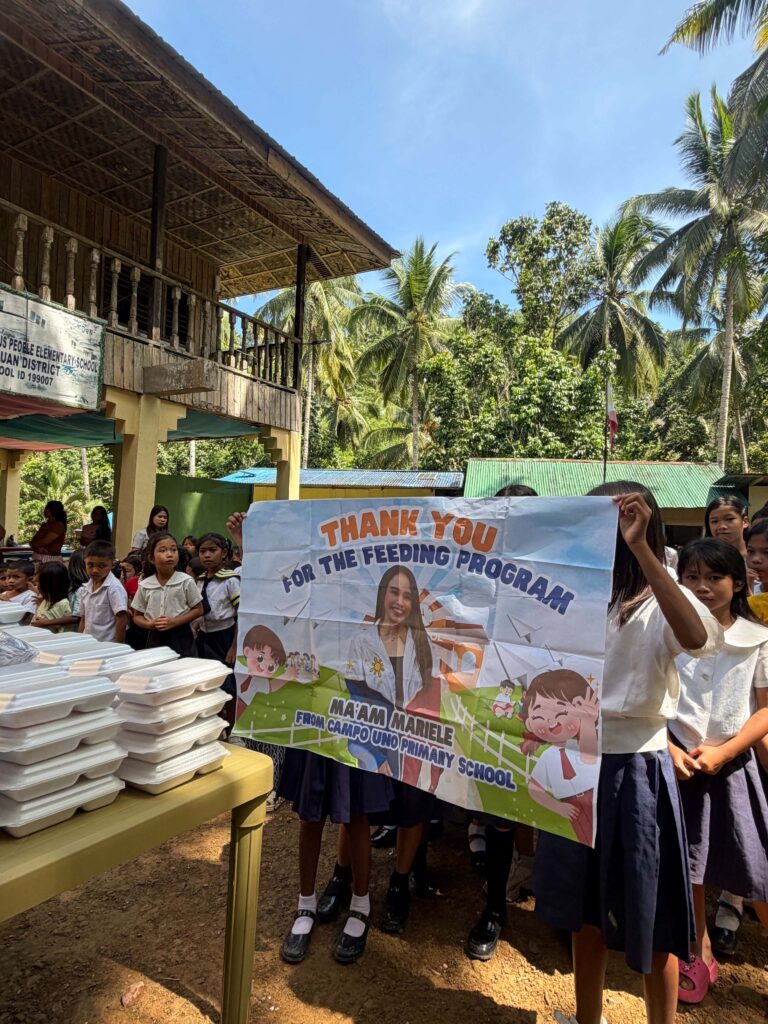
That memory became a promise. She told herself that if she ever had the means, she would give back to children living what she had lived. Now, whenever she returns to the Philippines, she keeps it. She has joined feeding programs, visited orphanages, and supported children in remote mountain schools. “I do this because I know how it feels to have nothing,” she says.
She is clear-eyed about the limits of one person’s reach. “I may not be able to make sure that these children will never go hungry,” she says, “but at least I can let them experience what it feels like when someone supports them, cares for them, and gives them food.” For a woman who grew up without a complete sense of security, the outreach does double duty. “Being able to help them is also part of healing my inner child. I feel that I am giving to the children the things that I wish I had when I was younger.”
That boy and his spaghetti stayed with her precisely because his joy was so disproportionate to its cause — and because she understood it. “I remember thinking, ‘Thank you, God, for making me an instrument to help these children,'” she says. The memory sharpens a longing she carries constantly, the wish to earn more, reach more, do more. “I know I cannot help everyone by myself, but I want to continue doing what I can.”
The door she almost didn’t open
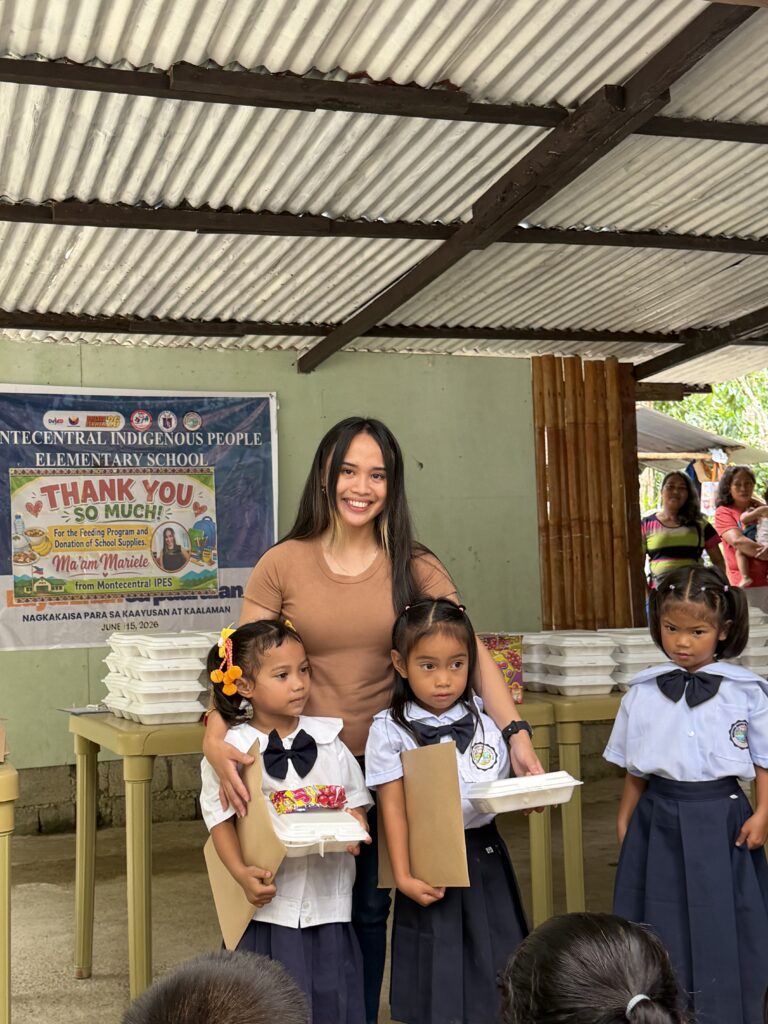
Her own hardship did not make her bitter; it made her fluent in a language of dignity that no training program teaches. Growing up with less, she says, taught her to appreciate small things and to recognize that scarcity should never cancel a child’s right to dream. “I know what it feels like to have dreams but not always have the resources to reach them,” she says. “Now that I have the opportunity to help, I want to share what I can.”
She hopes her story does more than travel. She hopes it connects — that individuals, organizations, and fellow Filipinos abroad might reach the children in Zamboanga’s mountain communities and public schools who still need food, school supplies, and support. “With more people working together,” she says, “we can reach more children who need food, school supplies, and support.”
To anyone standing where she once stood — an unexpected opportunity in front of them, fear whispering that it’s safer to stay — she offers the counsel of someone who knows exactly what refusing would have cost.
“Do not let fear stop you from trying. You might struggle. Things might not go exactly as planned. But you will learn something from the experience,” she says. “If I had said no because I was afraid, I would not have experienced the life I have today.”
Then, the line that has carried her from a long walk home in Zamboanga to a classroom in South Carolina, and back again to the children she refuses to forget: “Sometimes, one small ‘Why not?’ can open a door you never expected.”
