




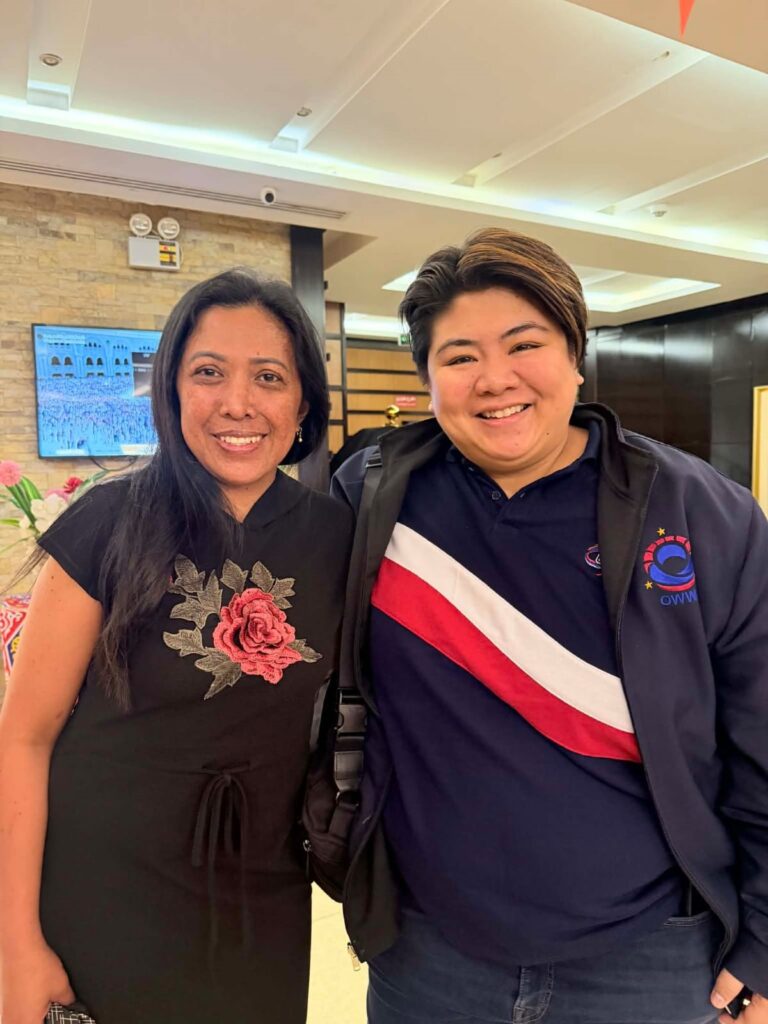
For 42-year-old nurse and mother, Nanette Pahit Pandan from Surigao City, returning home from Bahrain was more than just a journey; it was a step toward safety, renewed hope, and peace of mind. She was one of 89 overseas Filipino workers (OFWs) who were repatriated from Bahrain, part of a larger contingent that included 317 workers and 26 dependents. The repatriates came from across the Gulf region, including Saudi Arabia (Riyadh and Al Khobar), Kuwait, Bahrain, and Qatar, and were gathered in Riyadh, which served as the main jump-off point for their journey back to the Philippines.

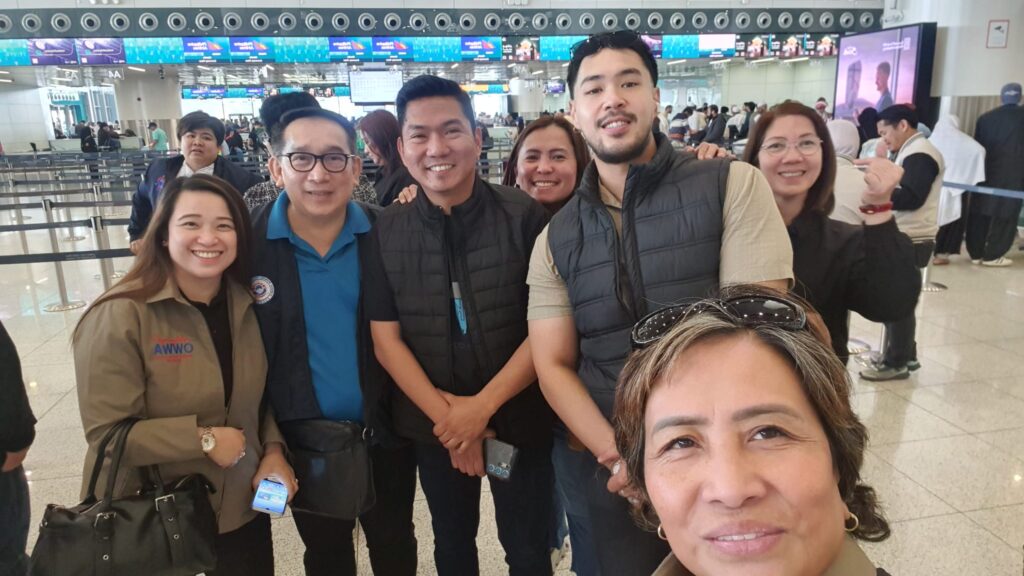
At dawn on March 23, a chartered flight carrying 343 overseas Filipino workers and their families landed at Villamor Air Base, marking a crucial step in the Philippine government’s ongoing efforts to bring its citizens home from the Gulf region amid rising tensions.
“I slept well for the first time in three weeks,” she shared, her voice carrying both relief and exhaustion. “For several days, I hardly managed to rest, preoccupied with the sounds outside, uncertain if I would wake up safely each morning.” The weight of uncertainty and fear had kept her on edge, and only now, with the journey home secured, could she truly feel a wave of tranquility and gratitude wash over her..
Upon arrival in the Philippines from the fourth chartered flight, the repatriates were immediately welcomed by various government agencies that provided essential assistance, including food, temporary accommodation, transportation support, psychosocial services, and reintegration programs. Recently, 38 OFWs from Bahrain were repatriated as part of the previous batch.
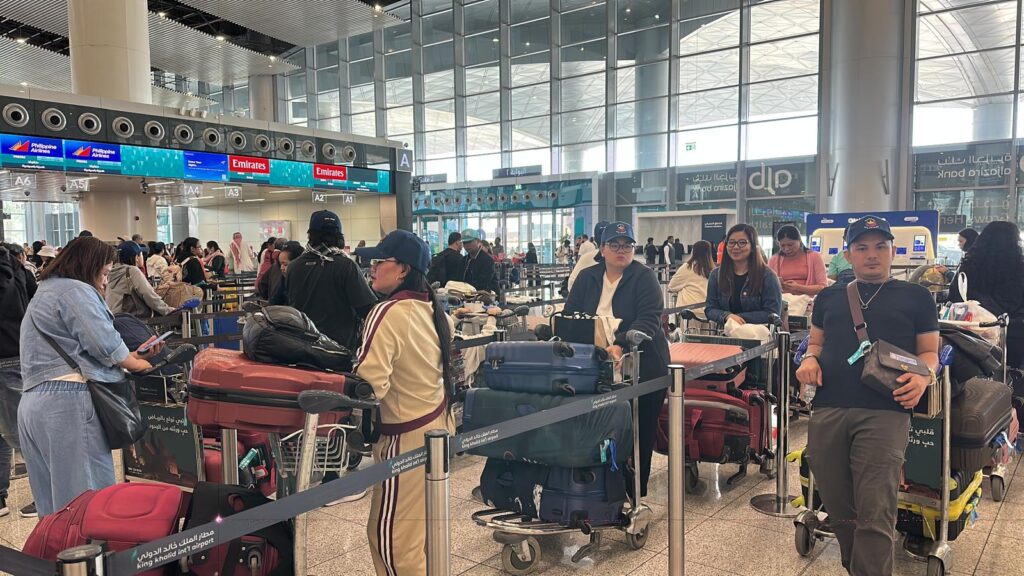
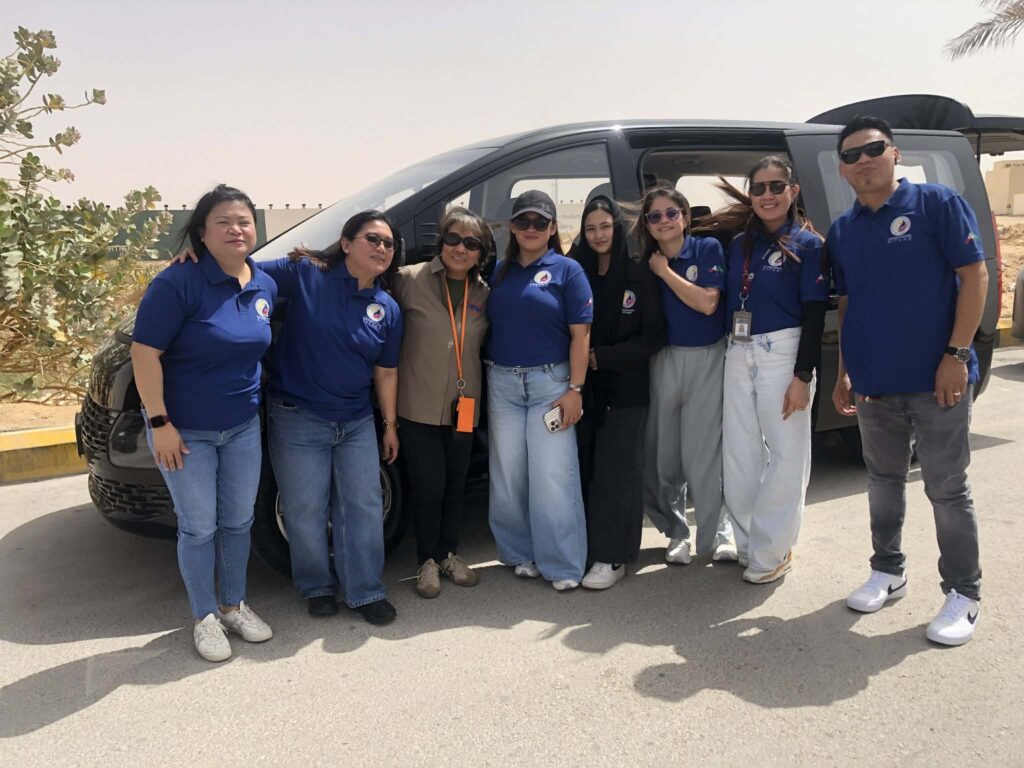
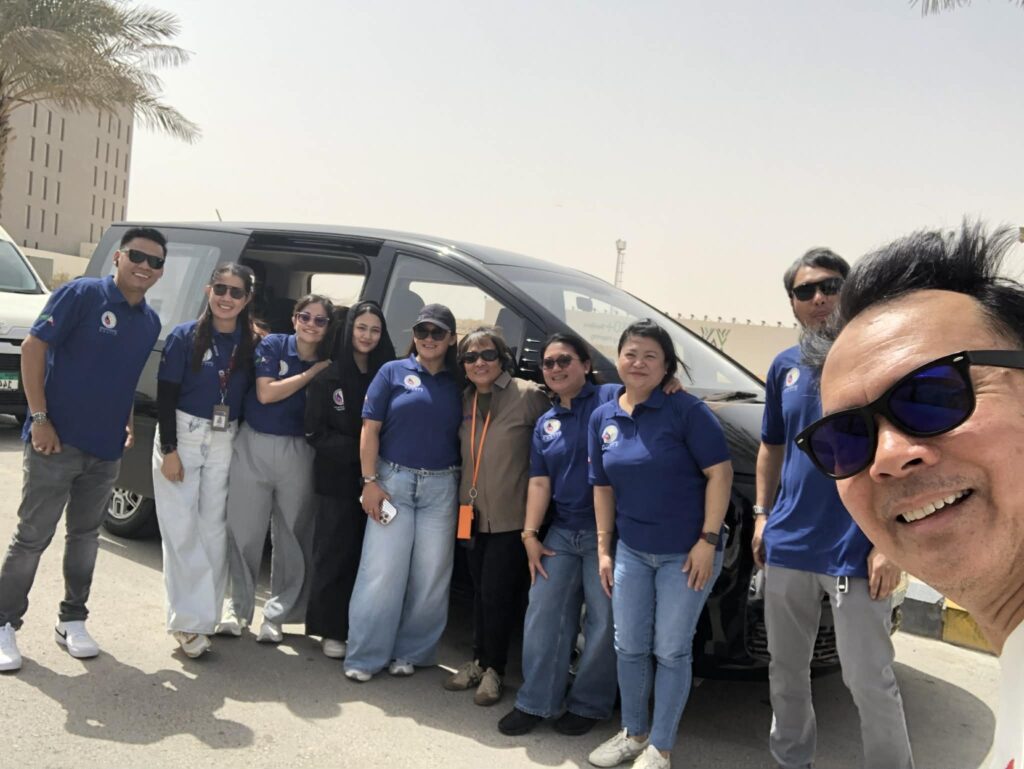
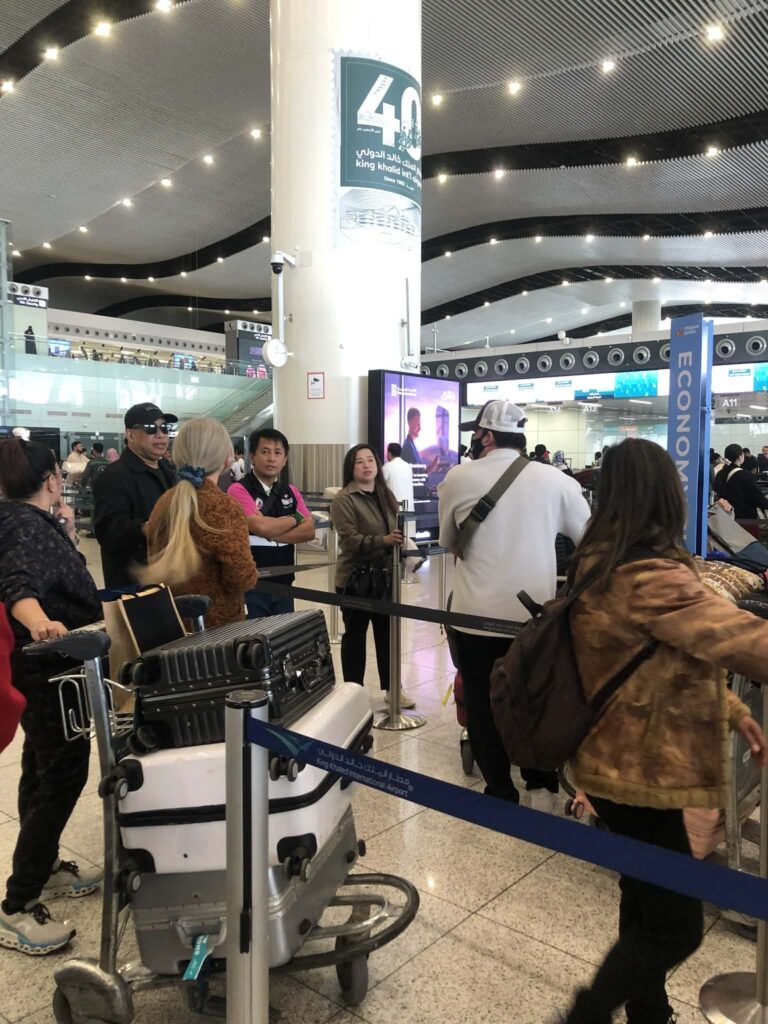
The homecoming represents the Philippine government’s ongoing efforts to assist and safely bring home Filipinos affected by the current situation in the region.
Ms. Pandan shared that she and her fellow OFWs stayed at a hotel in Riyadh for two nights after arriving around 11:30 p.m. on March 20. By the evening of March 22, at approximately 10:00 p.m., they left the hotel and headed to Riyadh Airport to prepare for their flight back to the Philippines.
Despite leaving behind her beloved furbaby, Ceasar in her home in Gudaibiya as well as friends in the kingdom, Pandan remained optimistic and continued to pray for an end to the conflict.
After spending 12 years in Bahrain, Pandan became increasingly worried about the situation, particularly with the possibility of tensions rising after Eid. To prioritize her safety, she initially went to the Philippine Embassy to update her employment contract. Following that, she visited the Overseas Workers Welfare Administration (OWWA) desk to ask about the option of voluntary repatriation, which was available for Filipino workers including herself. On March 12, Pandan received a call from the Philippine Embassy regarding an opportunity to return to her home country. She submitted her passport and other documents required and discreetly attended the briefing before traveling to Riyadh with a transit visa on March 20.
Pandan also spoke warmly about her experience dealing with embassy staff. “I had heard negative things online, but when I interacted with them directly, I found them approachable and genuinely attentive to OFWs’ needs,” she said.
Pandan shared that she had initially planned to take a vacation, but her flight was cancelled. At first, she hesitated to avail of the repatriation program due to concerns that she might need an exit visa and risk losing the opportunity to return to her employer.
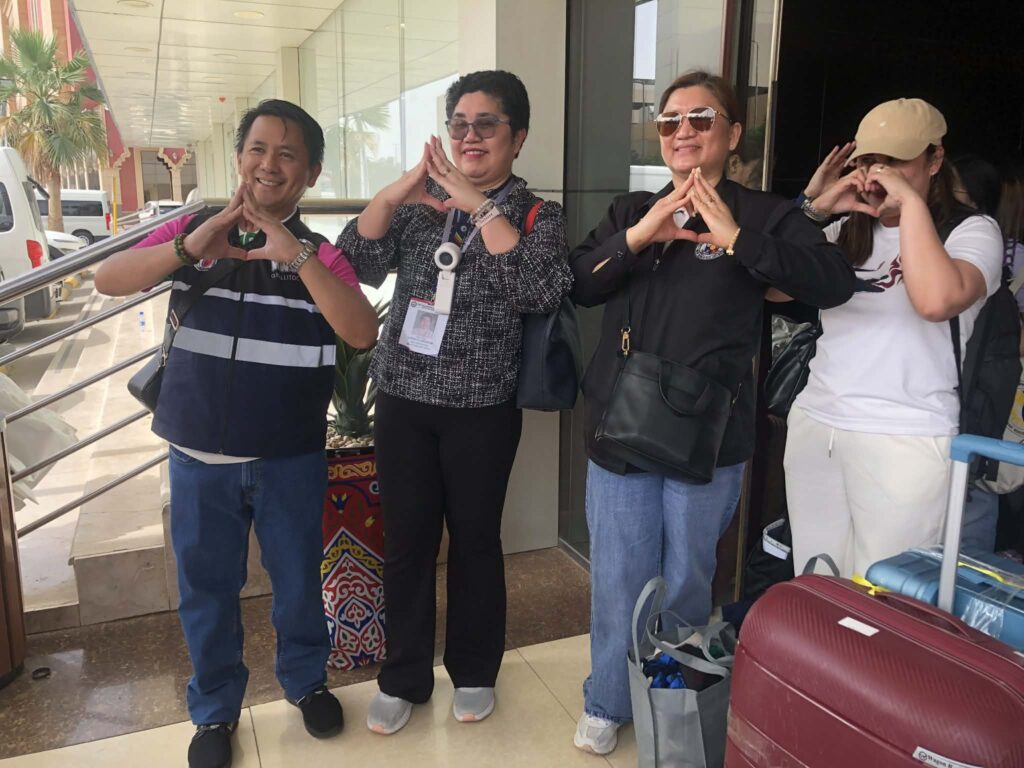
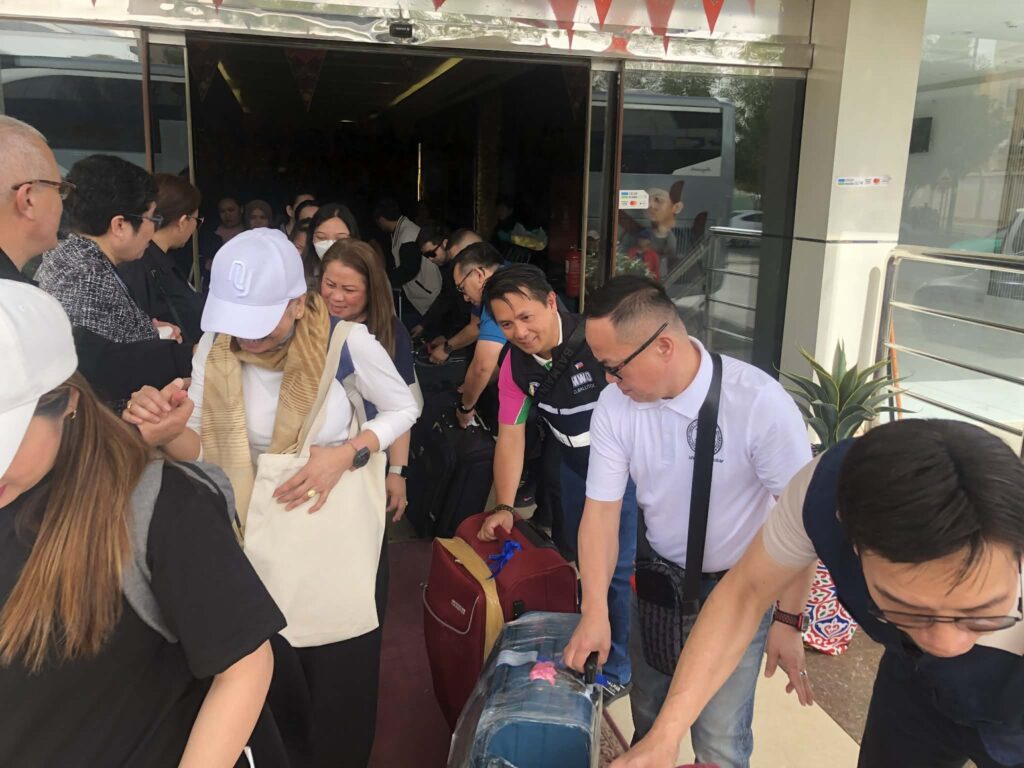
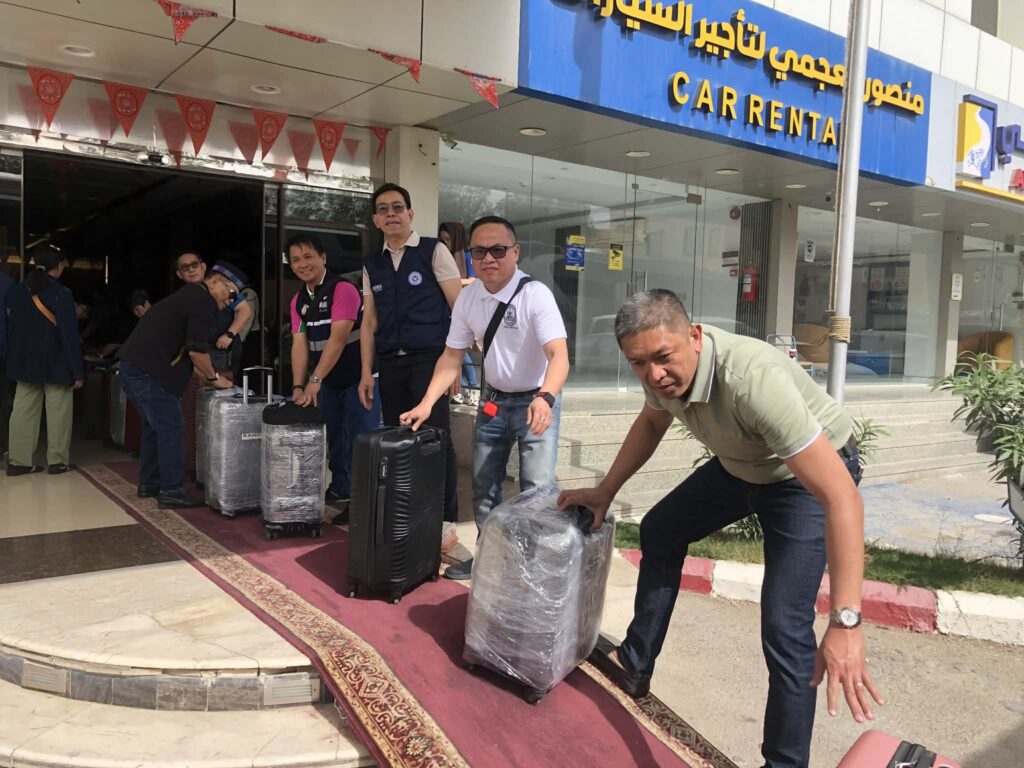
Her decision, however, changed after watching an interview with Department of Migrant Workers (DMW) Secretary Hans Leo J. Cacdac, who clarified that OFWs could still return to their employers after the conflict, provided their visas remain valid and are not cancelled.
Pandan noted that this information became the deciding factor in accepting the opportunity for repatriation offered by the Philippine Embassy.

Throughout the repatriation process, embassy personnel particularly those from the MWO and OWWA provided comprehensive support, including medicine, food, hotel accommodations, and an assistance to another OFW with damaged luggage. “It felt good to be guided and not left behind, right up until the airport,” Pandan said, expressing her heartfelt gratitude for the hands-on assistance from Philippine government officials and volunteers.
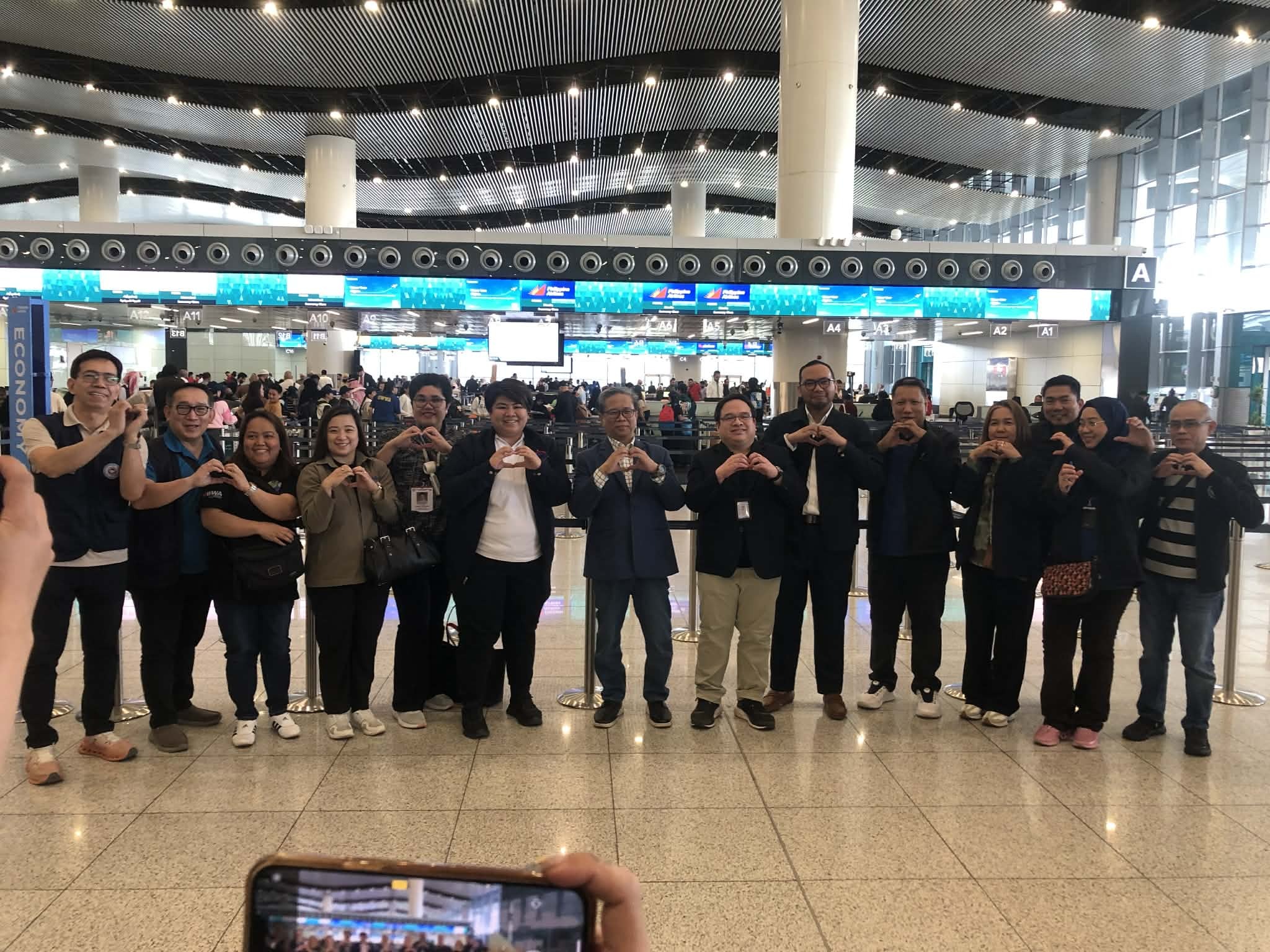
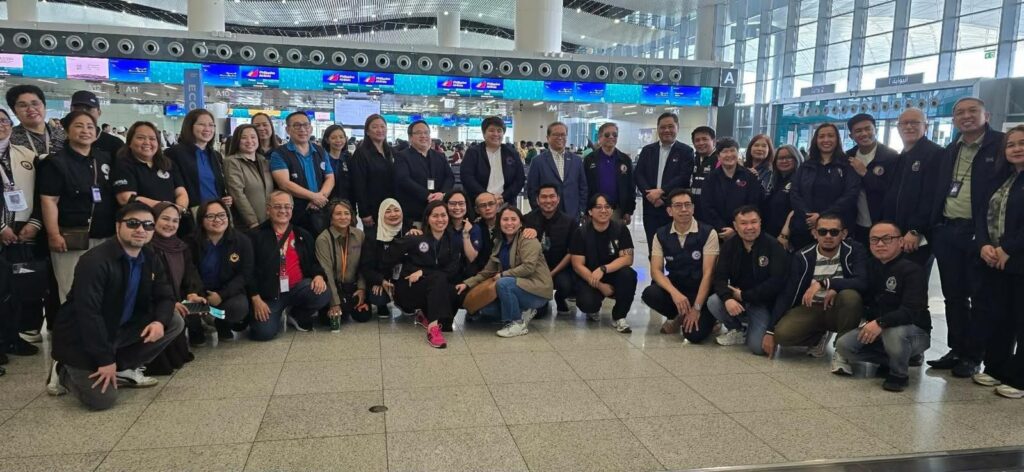
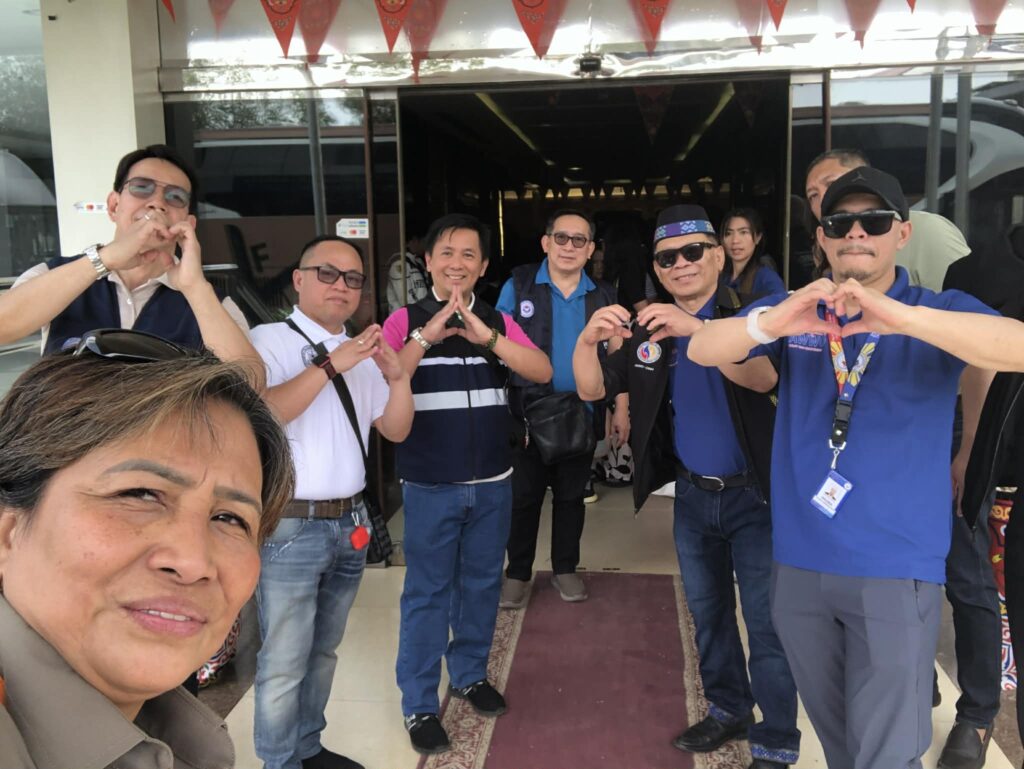
OWWA Welfare Officers Juvilyn “Butch” Gumabay and Eric Miranda, based in Bahrain and Riyadh respectively and Bahrain Labor Attache Dr. Orville A. Ballitoc were at the forefront of supporting the OFWs throughout the repatriation program working closely with Philippine Ambassador to Bahrain His Excellency Gines Jaime Ricardo D. Gallaga and Vice Consul Charlie Prenicolas. Their steadfast support and leadership provided the OFWs with reassurance amid uncertainty, turning a stressful and challenging journey into a safe, organized, and hopeful return home.
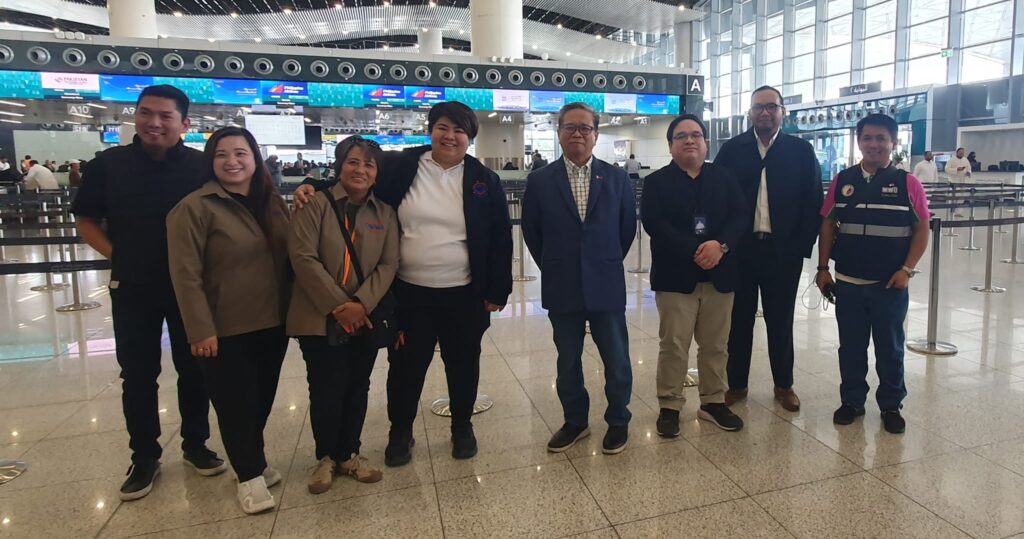
Patricia Yvonne “PY” Caunan, OWWA Administrator, who personally traveled to Riyadh to oversee the operation, ensured that the coordination of welfare assistance and travel arrangements for the OFWs was carried out efficiently, guaranteeing their safe journey until boarding the chartered flight back to the Philippines.
Prior to their departure, OFWs from Kuwait, Bahrain, and Qatar were assisted by personnel from the Department of Migrant Workers–Migrant Workers Office (DMW-MWO), OWWA, and the Rapid Response Team in safely crossing various land borders.
Upon arrival in the Philippines, Pandan and her fellow repatriates received financial assistance from OWWA, as well as temporary accommodations and tickets for their provincial flights.
Pandan also addressed circulating negative comments on social media questioning the legitimacy of the repatriation efforts, noting that some claimed the initiative was not real.
She encouraged fellow overseas Filipino workers to personally visit or coordinate with the Philippine Embassy to inquire about the government’s repatriation program. She emphasized that the Embassy remains ready to extend assistance to Filipinos in need.
While expressing admiration for those who continue to work despite the ongoing tensions, Pandan underscored the importance of prioritizing safety. She reminded her fellow OFWs that life is irreplaceable, and while opportunities to earn can return, personal safety must come first. She urged them to remain vigilant and not hesitate to temporarily leave their jobs if the situation worsens.
She also expressed hope and prayers for a peaceful resolution to the conflict in the Middle East. At the same time, she conveyed her gratitude to Bahrain’s defense forces for their continued efforts to protect residents from threats and ensure utmost safety.
‘’After everything that happened, I’ve been thinking carefully about my next steps. I want to explore new opportunities, whether it’s finding a new job or starting my own business, so I can build a more stable future. Once the conflict ends, I hope to return to Bahrain, where my employers treated me with kindness and respect. This experience has taught me the value of resilience, patience, and hope, reminding me that even in difficult times, there are paths forward if I stay determined and keep trusting in God’s guidance’’.
For Nanette Pahit Pandan, returning home was more than a journey, it symbolized a victory of bravery, optimism, and perseverance. Her story reflects the struggles and sacrifices of countless overseas Filipino workers, yet also the power of support, guidance, and solidarity in turning apprehension into safety. As she embraces her daughter once again, Pandan’s experience stands as a powerful reminder that even in the most uncertain times, hope and determination can light the way back home.’’ It is through God’s providence that this became possible’, she expressed.
