



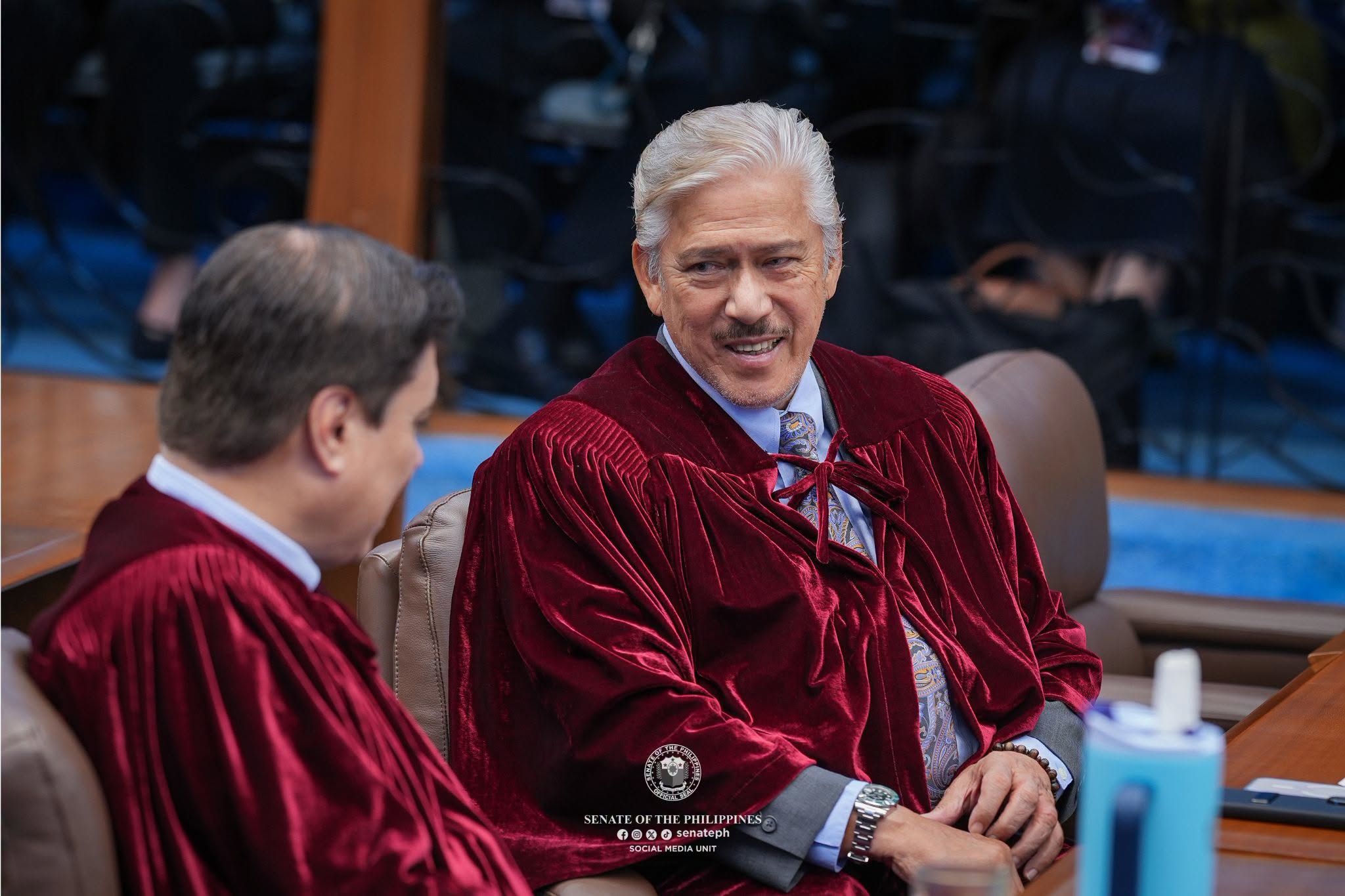

Republic Act No. 6085 permits pseudonyms in the Philippines only for narrow purposes tied to literature, film, television, and similar entertainment work, Senator-judge Vicente “Tito” Sotto III told the impeachment court on Tuesday as he weighed in on the distinction between a genuine alias and an invented one.

His manifestation drew a clear line between the two. “If there is a person behind the alias, then it is an alias. If there is no person behind the name, it is a fictitious name or a fake name,” Sotto said, grounding the point in the same statute that governs how aliases may lawfully be used.
The question of what counts as a real name has taken on weight in recent weeks as the court examines allegations that Vice President Sara Duterte improperly spent confidential funds. Among the evidence were acknowledgement receipts carrying signatures from individuals whose names echoed snack labels, fruits, Filipino expressions, and even figures in local politics. Mary Grace Piattos, Andy Lim, Miggy Mango, and Kristine Applegate Estrada were among those listed.

Sotto framed the governing rule for both the court and the public, noting that the law he referenced restricts pseudonym use to creative and entertainment contexts. “For the public and for us, the general rule that she mentioned is Republic Act No. 6085, regulating the use of aliases, which only allowed in the Philippines [the use of] pseudonyms, solely for literary, cinema, television and other entertainment purposes,” he said.
The statute entered the proceedings through prosecution counsel Mae Divinagracia, who raised it in reaction to an argument from Senator-judge Robin Padilla. Padilla had suggested that resorting to aliases was not inherently improper, pointing to the country’s national heroes as figures who had done the same.
