



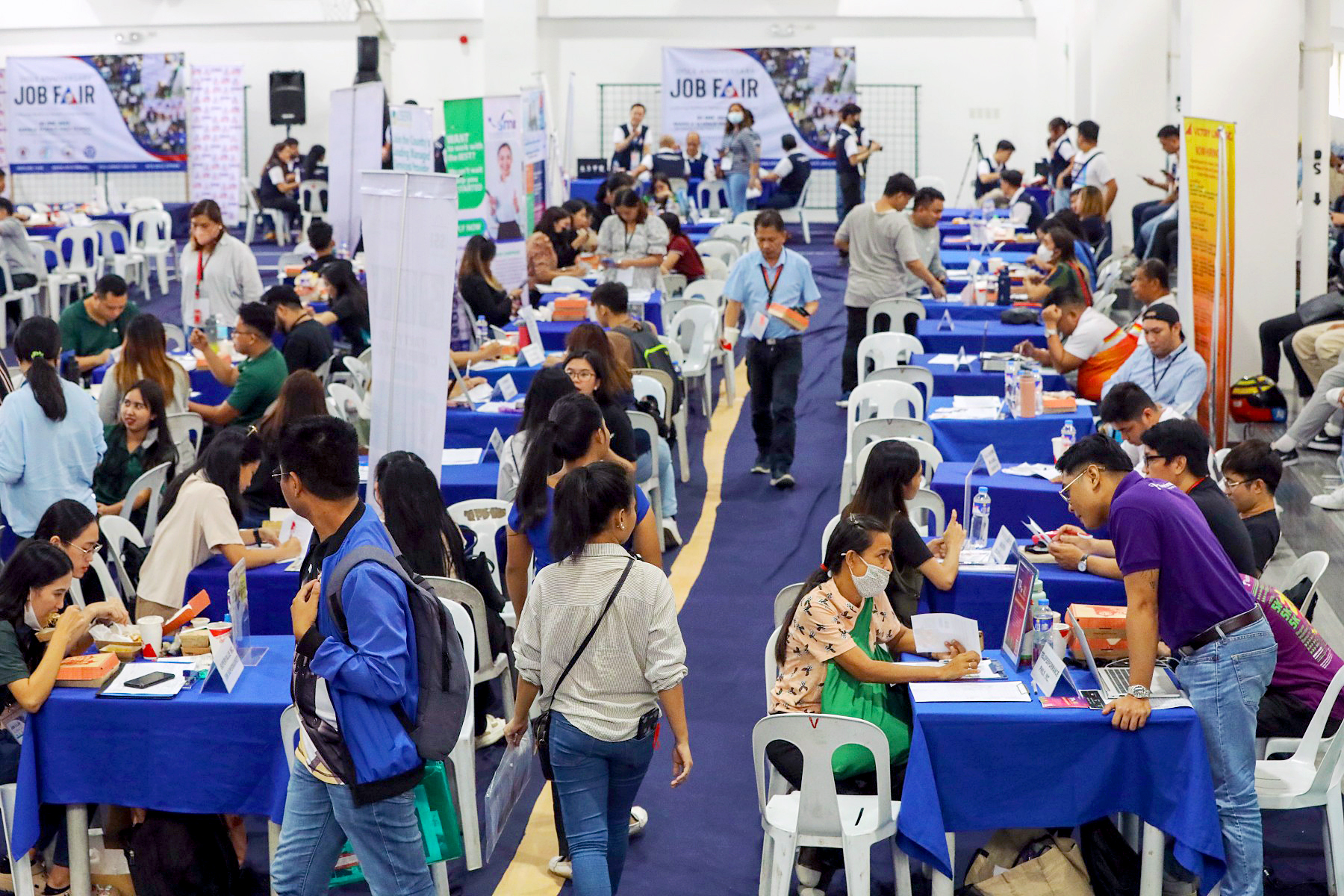

Young Filipinos streaming into the labor market faster than employers could absorb them pushed the country’s ranks of the jobless to 3.14 million in July, the steepest total the government has recorded in years.

National Statistician Dennis Mapa traced the bulk of the increase to newcomers — many of them 15 to 24 years old — who entered the workforce only to find limited openings. The labor force expanded by 3.71 million compared with a year earlier, and roughly 1.33 million of that growth came from the youngest job seekers, an age band heavy with graduates moving from classrooms into the search for work.
The Philippine Statistics Authority placed the unemployment rate at 6 percent for the month, up from 4.9 percent in June and 5.3 percent a year prior. BusinessWorld reported the July reading matched the highest level since June 2022, while Rappler noted the actual headcount of unemployed had not been this large since December 2021, when it sat near 3.28 million.
Regional disparities were sharp. According to BusinessWorld, Metro Manila carried the worst jobless rate of any region at 8.2 percent, trailed closely by the Bicol Region at 8 percent, the Ilocos Region at 7 percent and Central Visayas at 6.3 percent, with six regions landing above the national figure.

The strain arrived against a backdrop of slowing output. Economic expansion cooled to 2.3 percent in the second quarter after a 2.8 percent showing in the first three months of the year. Officials at the Department of Economy, Planning, and Development called the labor picture uneven and pointed to the need for more decent-paying positions.
“These figures show both progress and challenge. More Filipinos are participating in the labor market, which means that we need to intensify efforts to attract investments, especially those that create quality jobs,” DEPDev Secretary Arsenio Balisacan said.
Underemployment — a gauge of workers stuck with too few hours or scrambling for a second income — climbed to 12.9 percent from 12.1 percent the previous month, covering about 6.33 million people. Measured against July of last year, though, that share had actually eased from 14.8 percent.
Employment rose in raw numbers, reaching 49.21 million from 46.05 million a year earlier, but the gains could not keep pace with the swelling labor pool. The employment rate consequently slipped to 94 percent, down from 94.7 percent over the same twelve-month stretch.
