



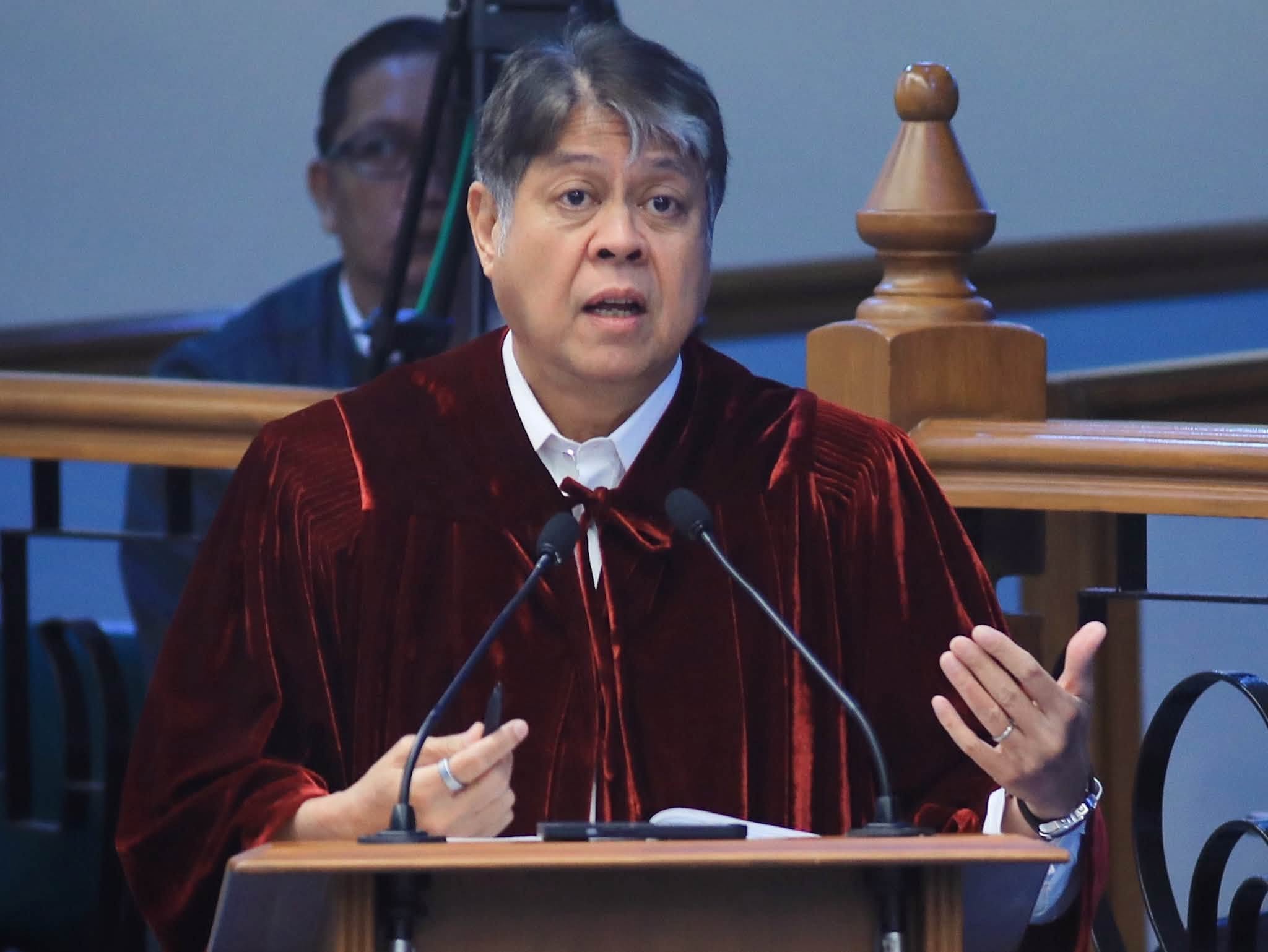

Two questions will determine whether Senator Francis “Kiko” Pangilinan throws his support behind Pax Silica: whether the country’s poorest and most vulnerable stand to gain from it, and whether it carries strong enough safeguards to protect the environment.

The senator laid out that position in a statement posted to his Facebook page on Wednesday, July 29, weighing in on the US-led initiative that Manila joined in April 2026 as its 13th member. Pangilinan framed his stance around a series of things he agrees and disagrees with, drawing a line he said he would not cross.
He said he welcomes the ambition behind moving the Philippines up the global value chain. As Pangilinan put it, the country mines and ships out raw materials while other nations do the processing, build higher-value goods, and earn far more from resources that originated in the Philippines. Citing available data, he said the country ranks sixth in total nickel reserves worldwide and among the top two in production, and that it made sense in principle to stop being a mere supplier of raw ore and become a center for processing, industry, and innovation.
Pax Silica is envisioned as a high-technology manufacturing and innovation hub tied to the Luzon Economic Corridor, meant to position the country within global supply chains for semiconductors, artificial intelligence, and critical minerals. The Bases Conversion and Development Authority is working to finalize a framework agreement with the US State Department, with a formal signing eyed for November 2026.
Where the senator drew back was on who ends up carrying the cost. He rejected what he described as large, sweet promises of progress paid for by ordinary Filipinos who sacrifice the most and are hurt the most. He said the labels attached to a project do not settle the matter, arguing that calling something “strategic” does not automatically make it fair, correct, or good for the country.

His warnings pointed squarely at farmers, fisherfolk, workers, Indigenous peoples, and families already struggling to earn a living. Pangilinan said he would not accept their welfare being traded away yet again for pledges of industrialization and development. He tied that concern to the climate crisis, invoking the heat waves, super typhoons, droughts, and worsening floods now being felt, and said the country’s natural wealth — especially the water that sustains people and their crops — should not become the price paid.
Questions of land, water, livelihood, possible community displacement, electricity, and noise, he argued, are not obstacles to development but the very measures of whether progress is real. He insisted the framework agreement under discussion must pass through rigorous and transparent review, including the free, prior, and informed consent principles that Philippine law guarantees for the rights of Indigenous communities.
“Simple lang ang paninindigan ko sa Pax Silica: Kung makakatulong itong palakasin ang industriyang Pilipino habang pinoprotektahan ang mga komunidad at kalikasan natin dito sa Pilipinas, nararapat lamang itong suportahan,” Pangilinan said.
His entry into the debate adds a senator’s scrutiny to a project that has drawn concern from environmental and militant groups. The 1,620-hectare industrial estate is planned within New Clark City in Tarlac, and the BCDA has said no mining will take place inside the project area, that all components must secure Environmental Compliance Certificates before construction, and that the venture is purely commercial. Critics, including the Kilusang Magbubukid ng Pilipinas, counter that the demand for nickel and other minerals could accelerate large-scale mining in provinces such as Zambales, Palawan, and Nueva Vizcaya. For the senator, the standard remains fixed: support if Filipino industry is strengthened without gutting communities and nature, and firm opposition if the outcome is renewed pressure on those already squeezed so that only a few reap the windfall.
