




The video that prosecutors are using to prove Vice President Sara Duterte threatened President Ferdinand Marcos Jr. was never obtained in its native form, an admission that has now become the center of a public argument over evidence handling in the Senate impeachment trial.

Senior Agent John Mark Calilung of the National Bureau of Investigation told senator-judges on Wednesday, the trial’s third day, that the bureau’s copy was captured from material already circulating online. Calilung said he personally screen-recorded the livestream using OBS software, and that the only affidavit on file covering the capture was his own, according to Manila Bulletin’s Balita.
The footage in question comes from Duterte’s November 23, 2024 online press briefing, in which she said she had arranged for an assassin to kill Marcos, First Lady Liza Araneta Marcos and then-House Speaker Martin Romualdez should she herself be killed. Those remarks underpin Article IV of the impeachment complaint.
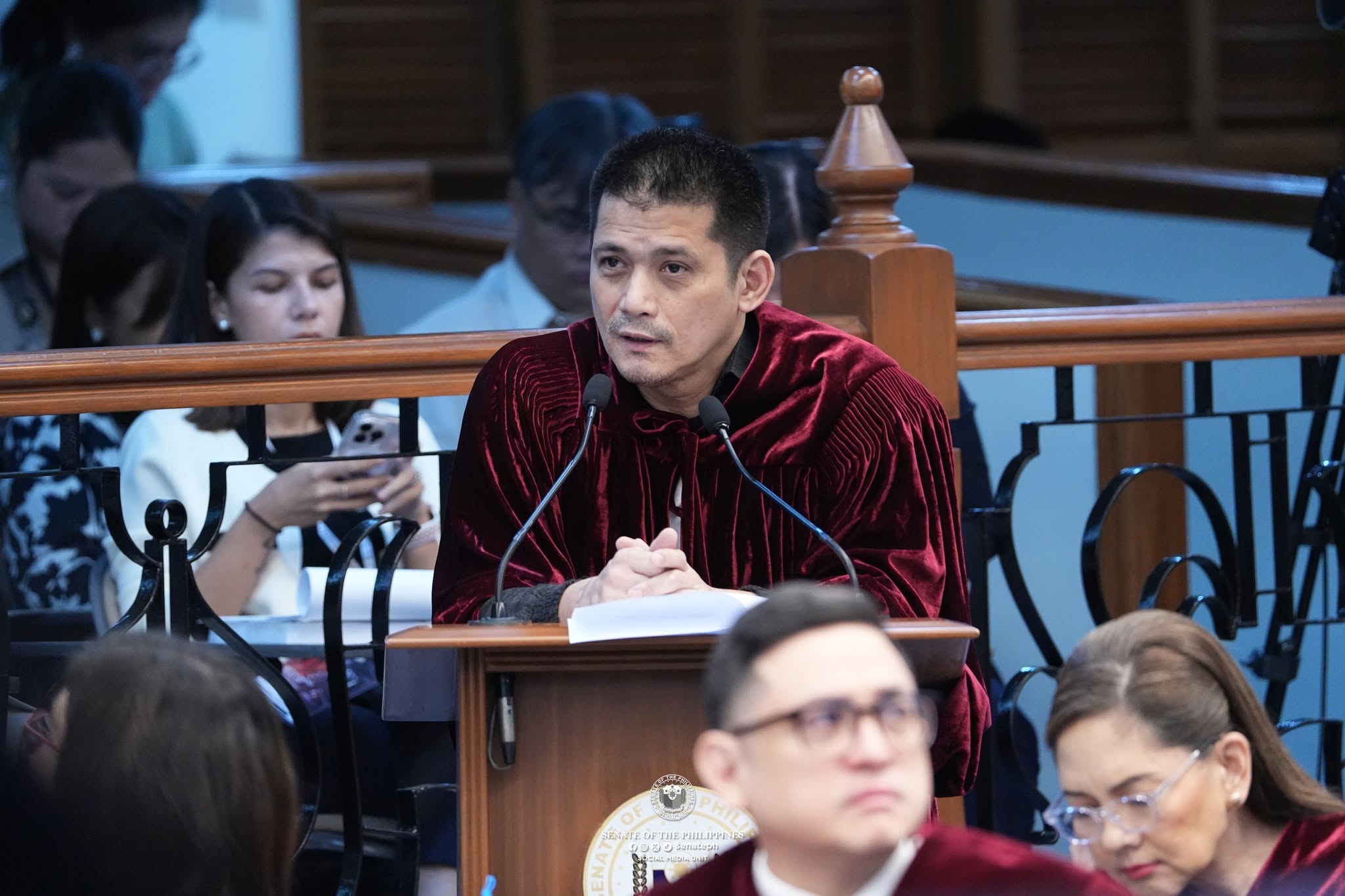
Senator Robin Padilla pressed Calilung on that gap during the hearing, asking whether investigators had ever spoken with whoever made the initial recording.
“Hindi po, ‘yung mismong nag-record po kay Inday, sa vice president, nakausap niyo po ba? ‘Yung RAW file po. Kasi napakahalaga po nu’n. Kasi du’n po natin malalaman kung original ba o hindi,” Padilla said.
The questioning drew criticism, prompting the senator-judge to publish a lengthy defense on Facebook Thursday. He argued that Zoom’s built-in recording function generates the authoritative file, and that anything pulled off a livestream or elsewhere on the internet amounts to a copy vulnerable to tampering.

“Ibang klase talaga ang mga bayaran kahit alam nila ang katotohanan ay ililigaw ninyo ang mga tao. Ang zoom ay makakapag-record ng kahit anong nangyayaring conversation maging personal o live… ‘Yan ang original copy na tinatawag, recorded ng kung sinoman ang nagsagawa ng zoom meeting o interview. Lahat ng kumopya dyan sa live feed maging ano man ‘yan galing sa internet, duplicate na ‘yan, anything recorded as duplicate can be manipulated,” Padilla wrote.
He placed the burden squarely on investigators. “Trabaho ng investigator hanapin ang raw o ang originally recorded ng creator ng meeting o ng interview… ‘Yun ang laging basehan, hindi ang duplicate file,” he wrote, citing four decades in film and television as the basis for his understanding of recorded media.
Padilla was not alone in probing the material’s provenance. Senator Panfilo Lacson raised similar concerns about whether the evidence could survive judicial scrutiny, while Senator Raffy Tulfo asked whether the witness was qualified to determine if the footage had been synthetically generated. Calilung said he skipped detection tools because the recording ran more than two hours, relying instead on a frame-by-frame manual comparison against the source he located online.
Philstar.com reported that the NBI traced the livestream to former presidential spokesperson Harry Roque’s Facebook account and filed a preservation request with Meta to keep it accessible. Calilung testified that he generated a hash value on the recording to guard against subsequent alteration.
Padilla also asked the impeachment court to compel the submission of Calilung’s full credentials and certifications before his expertise is accepted.
