



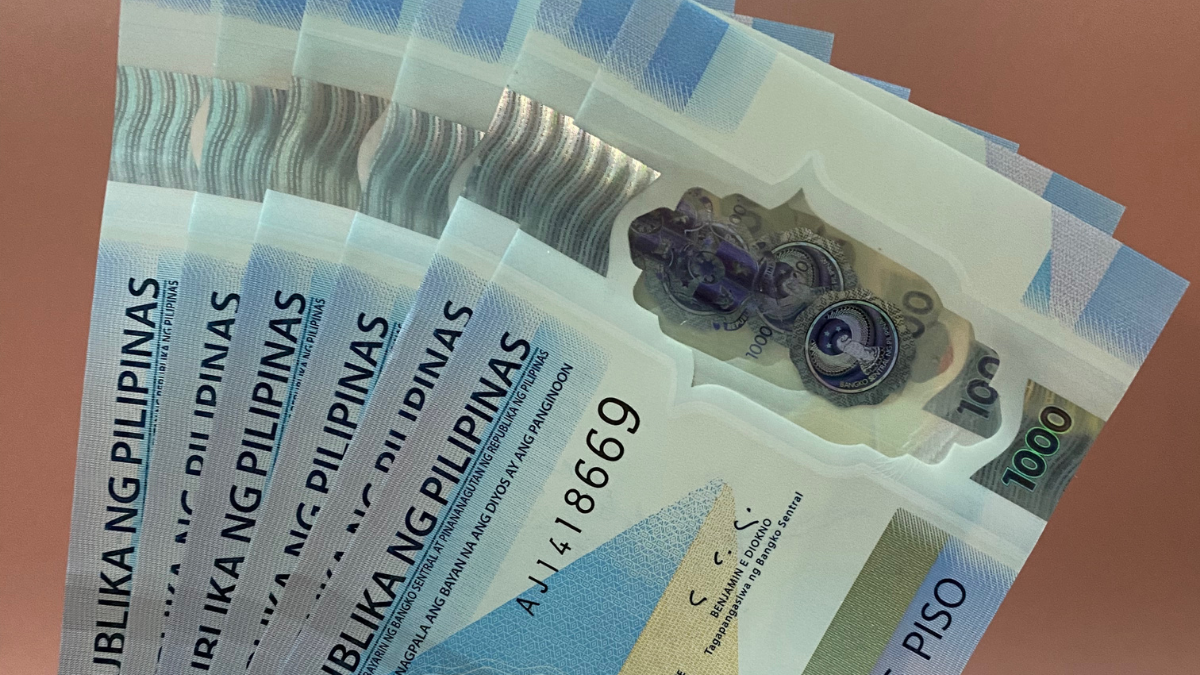

The Philippine peso has lost a quarter of its purchasing power since 2018, new government data shows, with inflation accelerating to its fastest pace in 20 months last March.

National Statistician Claire Dennis Mapa of the Philippine Statistics Authority announced Tuesday that one peso today buys only what 75 centavos could in the base year 2018 — meaning P1,000 worth of goods eight years ago now costs around P1,333.
March inflation reached 4.1%, driven largely by a succession of fuel price increases tied to the ongoing Middle East conflict, the PSA said.

Mapa explained the direct relationship between rising prices and eroded currency value: “The purchasing power of the Philippine peso is inversely related to inflation rate. When inflation increase, the purchasing power of the peso decreases.”
The PSA calculates purchasing power by dividing 1 by the consumer price index and multiplying the result by 100 — a formula that translates headline inflation figures into concrete terms of what money can actually buy.
The 4.1% March reading marked the sharpest inflation rate recorded in 20 months, compounding the cumulative erosion that has steadily trimmed the peso’s real value throughout the post-pandemic period.
