



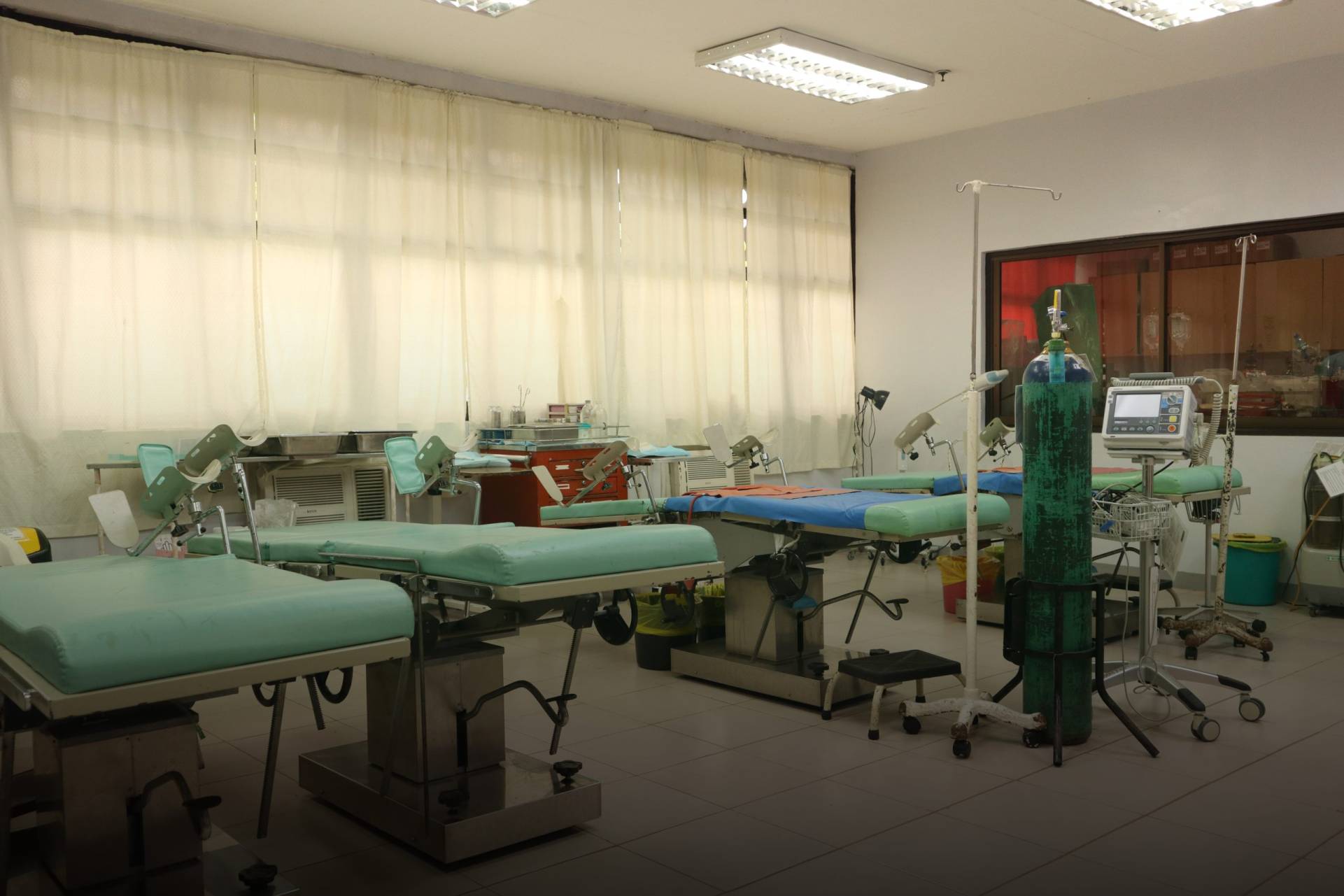

Patients admitted to government hospitals stand to benefit from a P10.38-billion fund cleared by the Department of Budget and Management, money intended to underwrite the Zero Balance Billing (ZBB) program and spare Filipinos from crippling hospitalization costs.

The bulk of the money, P9.38 billion, is earmarked for a dozen Department of Health hospitals operating in Metro Manila. Those facilities include Amang Rodriguez Memorial Medical Center, Dr. Jose Fabella Memorial Hospital, East Avenue Medical Center, Jose R. Reyes Memorial Medical Center, the National Center for Mental Health, National Children’s Hospital, Philippine Orthopedic Center, Quirino Memorial Medical Center, the Research Institute for Tropical Medicine, Rizal Medical Center, San Lazaro Hospital and Tondo Medical Center.
Acting Budget Secretary Kim Robert de Leon framed the release as a matter of shielding households from impossible decisions. “No Filipino should have to choose between getting the medical care they need and protecting their family from a hospital bill they cannot afford. This P10.377-billion release is about making sure that when our people get sick, the government is there to help carry the burden,” he said.

Beyond the capital, P6.04 billion has been set aside for DOH regional hospitals and other state-run health facilities located outside Metro Manila. A further P1 billion was downloaded to cover six pilot local government unit hospitals spread across Benguet, Batangas, Laguna, Quezon, Aklan and Sarangani.
That provincial component, according to the department, carries the program past DOH-run institutions. “The funding expands the reach of the program beyond DOH-run hospitals and brings government support closer to patients seeking treatment in their own provinces and communities,” the agency said.
Eligible patients admitted to participating hospitals are meant to walk away with little or no remaining balance on covered services, provided they meet the relevant guidelines and eligibility rules, positioning ZBB as one plank in the government’s larger drive toward Universal Health Care. The entire release draws on the DOH allocation under the 2026 General Appropriations Act.
