




A 30-year-old woman facing recurrent ovarian cancer was able to keep her hopes of having a family intact after undergoing a race-against-time fertility preservation program that did not push back her chemotherapy, according to SEHA’s Corniche Fertility Centre.

The patient had been diagnosed with a recurrent juvenile granulosa cell tumor of the ovary. Because chemotherapy can damage a woman’s reproductive capacity, her oncology team moved quickly, flagging her case to the fertility center to weigh preservation methods before any cancer treatment got underway.
Timing left little room to spare. Doctors saw the patient within seven days of the referral, and ovarian stimulation started just 24 hours after that first consultation. With the patient already married, clinicians settled on embryo freezing as the soundest way to protect her chances of having children later on.
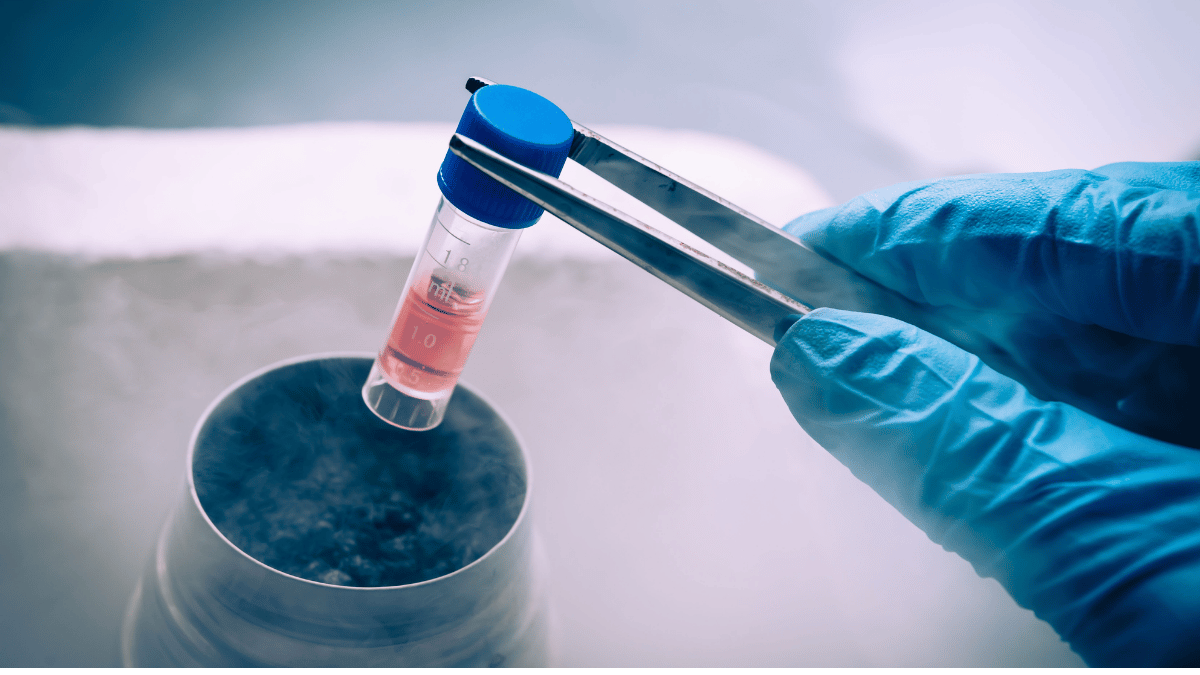
Eggs were collected from her one remaining ovary. Once fertilized, the eggs yielded five embryos, all of which were frozen and stored for whenever she may wish to use them.

Every step fit inside the narrow medical timeframe available, which meant her chemotherapy could go ahead exactly when it needed to.
Dr. Arianna D’Angelo, consultant physician at the center, framed the balancing act this way: “A cancer diagnosis understandably shifts immediate focus to life-saving treatment. However, concerns about future fertility are equally significant for many patients. Early referral and close coordination between oncology and reproductive medicine teams allow us to provide effective fertility preservation without compromising cancer care timelines.”
Options for patients in similar situations can range from freezing eggs or sperm to storing embryos, with the right approach depending on each person’s medical picture. What matters most, specialists stress, is raising the conversation as soon as a diagnosis lands, so patients can make informed choices while there is still time to act before chemotherapy or radiation begins.
SEHA is a subsidiary of PureHealth, described as the largest healthcare group in the Middle East. As Dr. D’Angelo put it of this particular patient: “In this case, rapid action and integrated planning ensured the patient could proceed with chemotherapy while preserving future family-building options.”
