



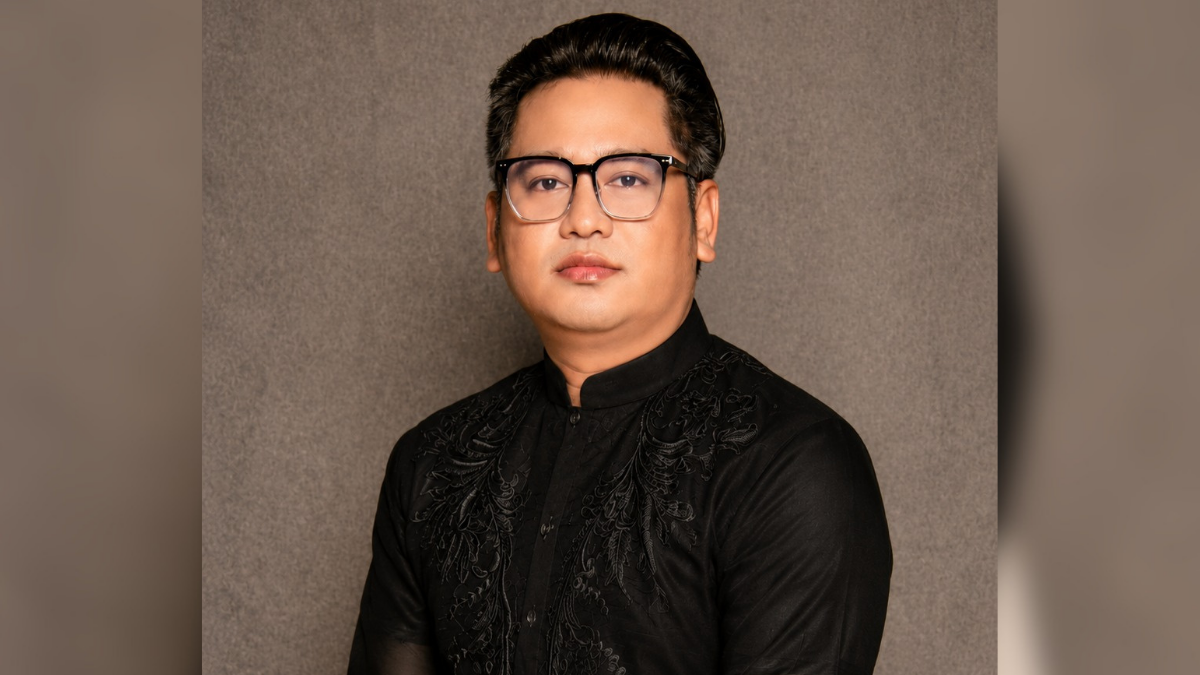

A balance sheet reconciles at the end of the day, or it does not. There is no room for approximation, no sentiment in a ledger, no partial credit for good intentions. It is a field that attracts people who find comfort in precision, in the quiet satisfaction of a column that adds up. And yet the man who has spent fifteen years perfecting that precision in a Saudi industrial city measures his career by something no audit could ever verify.

Nouven George M. Billena, Accounting & Systems Manager at Makana Industries & Services Co. Ltd. in Jubail, Kingdom of Saudi Arabia, keeps two sets of books. One tracks VAT compliance, budgets, and ERP rollouts. The other, the one he says defines him, records the smile of a child holding school supplies for the first time and the tears of a family that did not expect help to arrive. At 40, having risen from admin assistant to a leadership role over more than fifteen years abroad, he has decided which ledger matters.
“The greatest wealth we can accumulate in life is not found in our bank accounts,” he shares with TGFM, “but in the lives we have touched with kindness and compassion.”
From La Paz to the pioneer roster
The story does not begin with promotions. It begins in Barangay Magsaysay Village, La Paz, Iloilo City, in a household where the arithmetic of survival was learned early. Nouven watched his parents work without pause simply to keep the family afloat, and as the breadwinner he absorbed a lesson most children are spared: if the situation was going to change, the responsibility to change it was his.
He worked while he studied. During his college years he pulled shifts at Jollibee Foods Corporation, first as service crew and later as an administrative clerk, balancing classes against long hours behind a counter. It was unglamorous, and he speaks of it with something closer to gratitude than embarrassment. “Jollibee taught me humility and discipline,” he recalls, framing the fast-food job not as a detour but as a foundation.
A degree in Business Administration, major in Financial Management, opened the next door. He joined Sarabia Manor Hotel & Convention Center as a sales account executive, his first full-time professional role, and discovered an unexpected appetite for business development and closing deals. The recognition came fast: Sales Buster of the Year, an award that gave a young man from a humble family the confidence that he belonged in rooms he had once only imagined.
Then came the harder arithmetic. Providing his family with real security, he concluded, meant leaving them. On February 5, 2011, he flew to Saudi Arabia and joined Makana as one of its pioneer employees, hired as an Admin & Accounting Assistant. It was, by his own account, one of the most difficult decisions of his life, carried out despite the uncertainty of a foreign country and the emotional cost of an empty seat at every family table back home.
“It was one of the most difficult decisions I had ever made,” he says, “but I believed that temporary separation would eventually lead to a brighter future for my family.”
Earning the trust, one system at a time
What followed was a slow, deliberate climb that no single promotion captures. Accounting Assistant became Accounting Supervisor, then Accounting Manager, then Accounting & Systems Manager. Each rung came with more than a title. It came with the expectation that he could build something the company had not had before.
He speaks about accounting the way some people speak about a craft. For him the numbers were never the point; they were the evidence of something larger. “It is more than just working with numbers,” he says. “It is about creating order, accountability, and sound decision-making within an organization.” The work he now oversees runs the full length of that conviction: financial reporting, budgeting, internal controls, VAT compliance, ERP implementation, and the digital transformation initiatives that keep a growing company from outrunning its own systems.
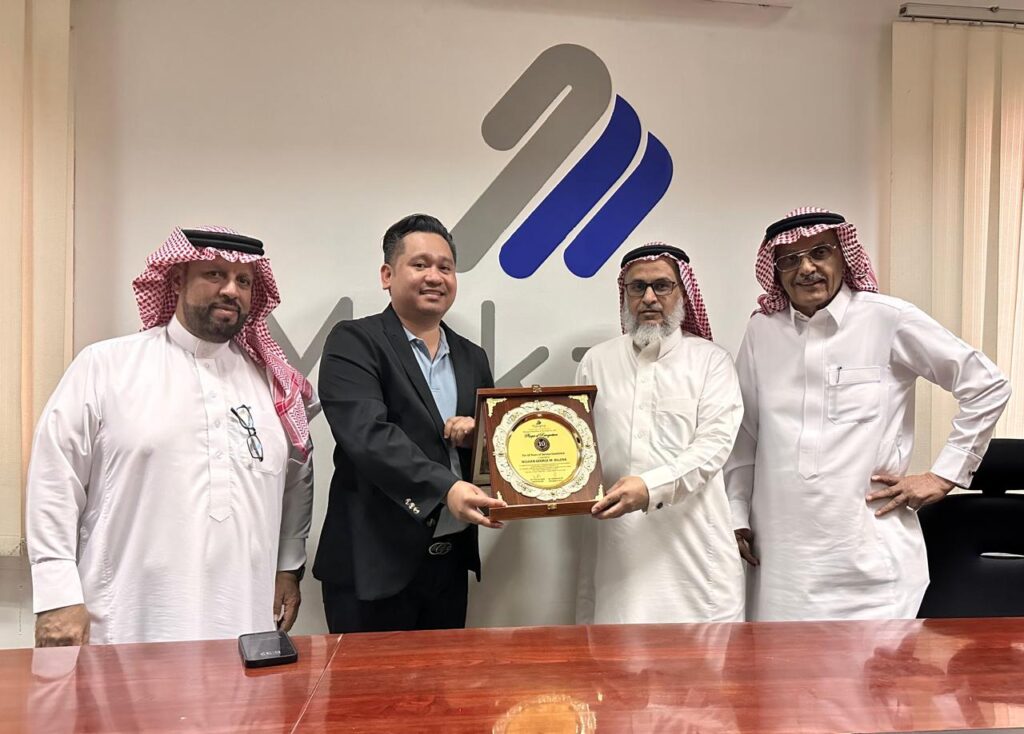
The Filipino professional found a particular satisfaction in the parts of the job that outlast any single report. Over the years he helped construct and strengthen Makana’s accounting, administrative, human resource, and operational systems, the invisible scaffolding that lets an organization scale without collapsing. His work drew formal recognition inside the company: a 5-Year Service Excellence Award, a 10-Year Service Excellence Award, and an Employee Loyalty Award.
The most telling vote of confidence, though, came during a period of upheaval. When Saudization reshaped the workforce in 2022, forcing organizations across the Kingdom to restructure, the company made a decision that spoke louder than any plaque. It kept him. “The company demonstrated its confidence in my expertise by ensuring that I remained an integral part of the organization,” he says, “a recognition that I deeply value.”
He is candid that the trust was not gifted. It was earned daily, and often against real pressure. “Being in a foreign country meant adapting to a different culture, understanding new ways of working, and earning the trust of people from different backgrounds,” he says. There were stretches when the weight felt like too much, particularly during the organizational changes. His response was to reframe the difficulty rather than resent it. “Instead of allowing uncertainty to defeat me, I chose to let it strengthen me. I reminded myself that while circumstances may change, integrity, competence, and hard work will always have value.”
The books he cares about most
Somewhere in those fifteen years, the accountant discovered that the ledger he most wanted to balance had nothing to do with money.
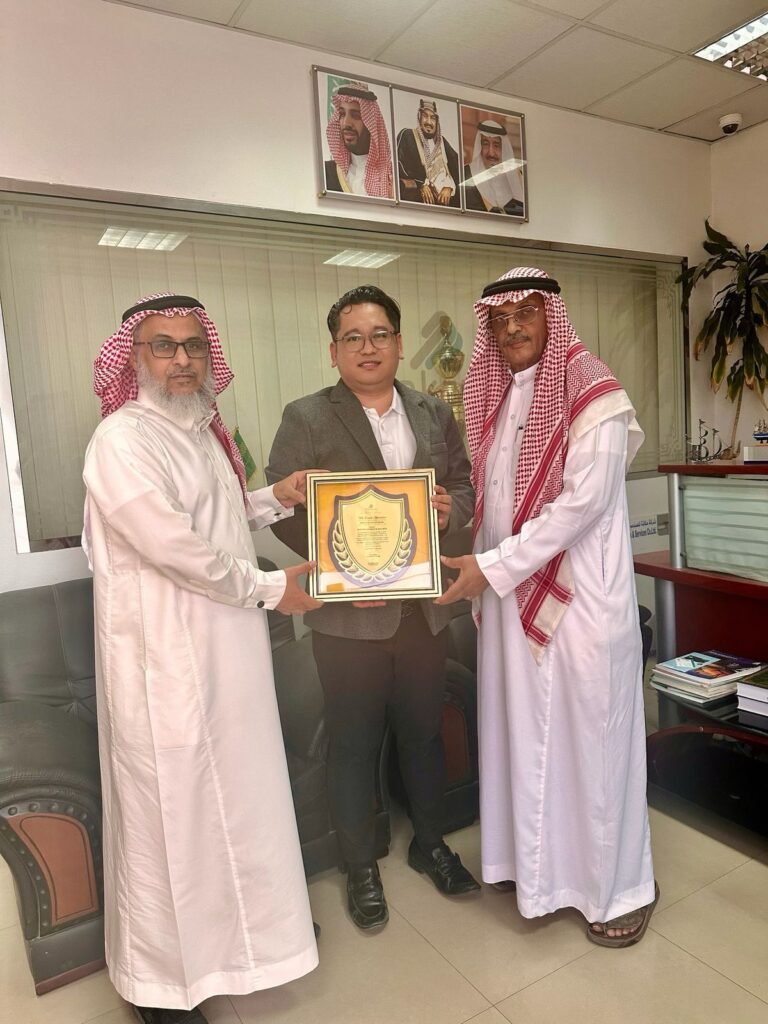
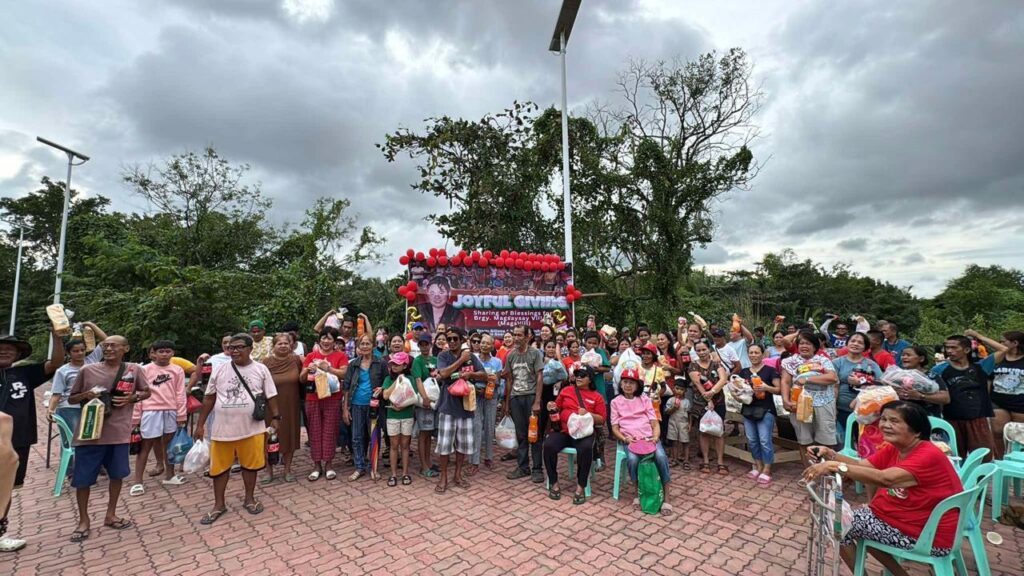
The turning point arrived in 2020, in the strange, suspended time of the pandemic. Watching hardship spread through the community that had shaped him, he reached into his own pocket and started something he called Sharing of Blessings, a humanitarian initiative funded personally and built on a single instinct: give back. It began small, a modest outreach in an uncertain year. It did not stay small.
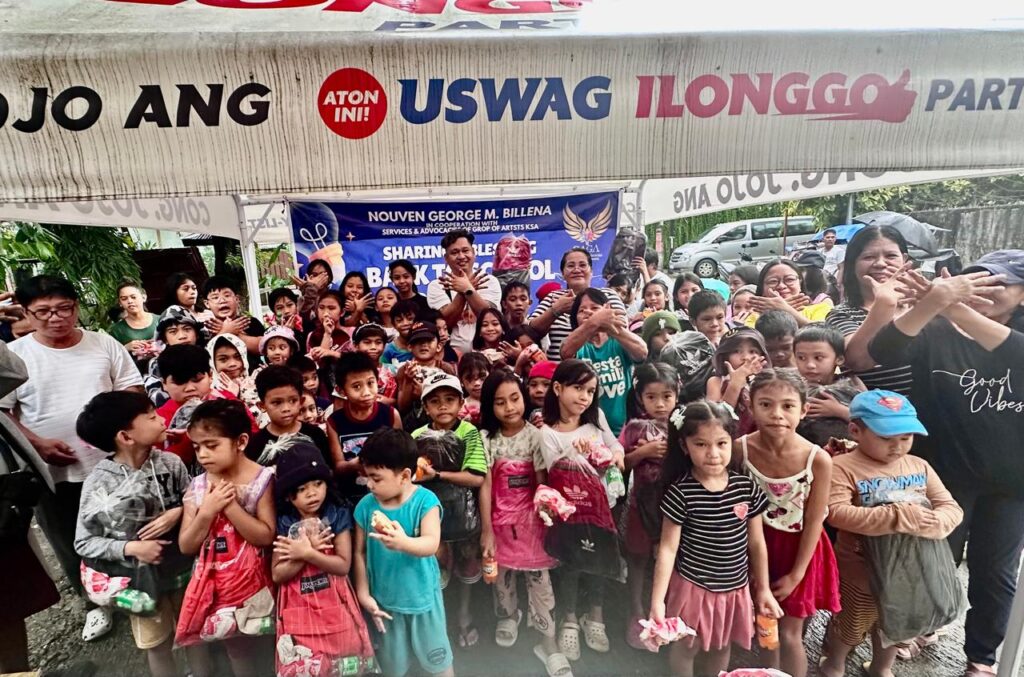
The initiative has since reached more than 300 families through food assistance, disaster relief, educational support, and humanitarian programs. A Back-to-School Project he launched has benefited more than 100 underprivileged children. The reach extended to fire victims, dialysis patients, orphanages, and communities that rarely appear on anyone’s list of priorities. Believing that education is the surest lever out of poverty, he also championed an initiative within Makana that established a scholarship program now supporting five Filipino college students, and he backs the PICPA-KSA Scholarship Program for aspiring accountants.

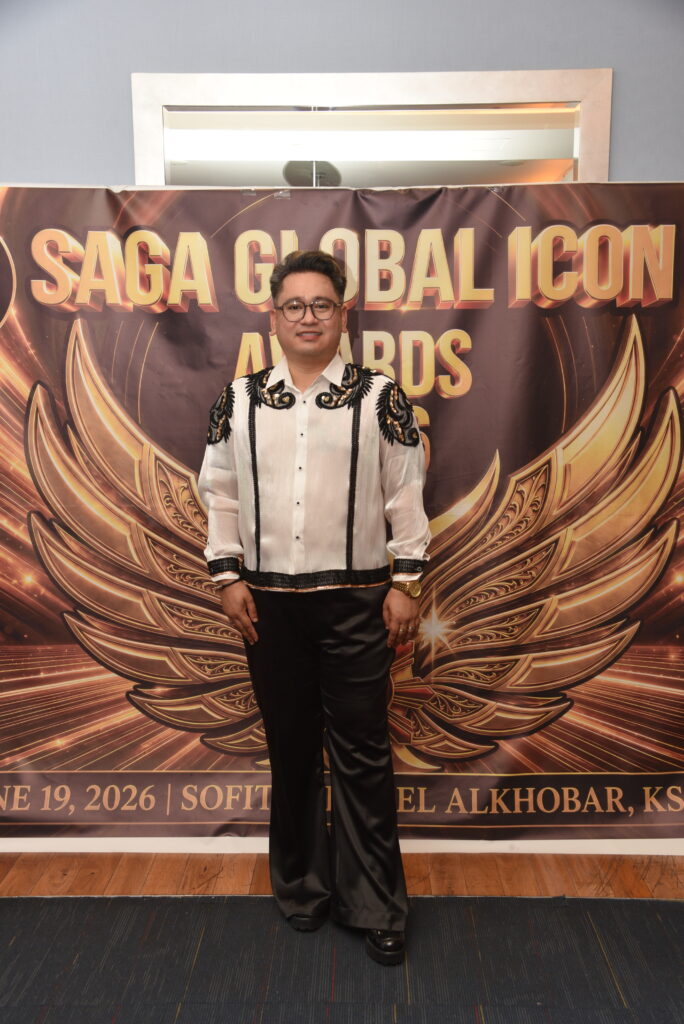
His volunteer résumé reads like a second career. He is a co-founder and the current president of the Services & Advocacy Group of Artists (SAGA), where he previously served as Vice President for Finance & Strategic Planning before leading the organization into its 2026–2027 term. Under his leadership SAGA launched its inaugural SAGA Global Icon Awards, created to honor individuals and organizations whose service has left a lasting mark on the Filipino community in the Kingdom. He also serves as Executive Vice President of the 10th OFW Congress – Eastern Region, having earlier been Director General for Reintegration of the 9th OFW Congress.
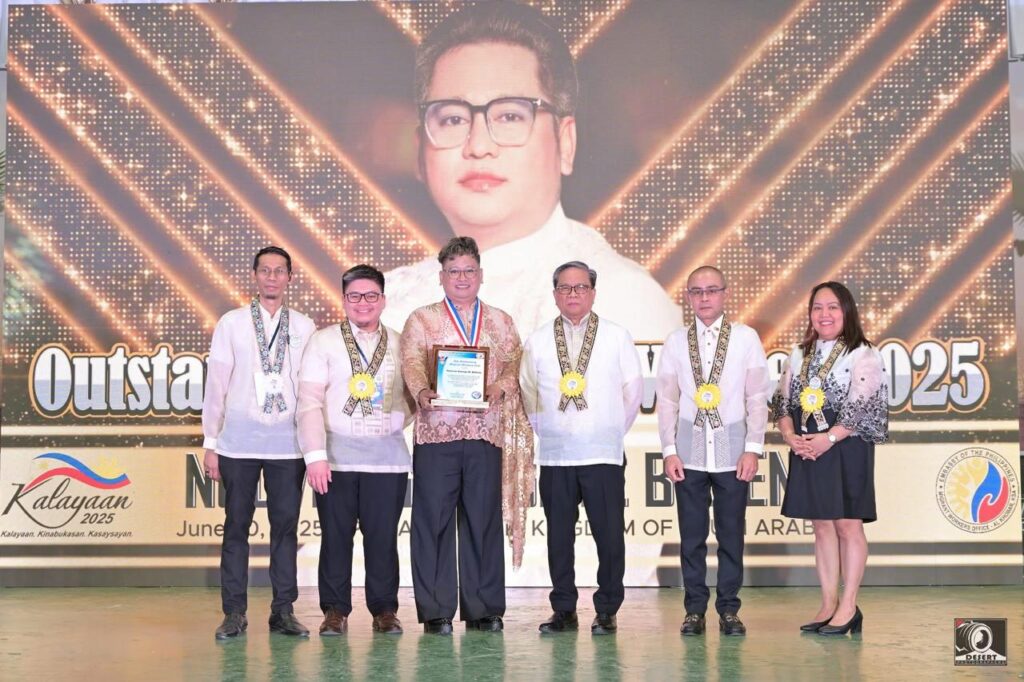
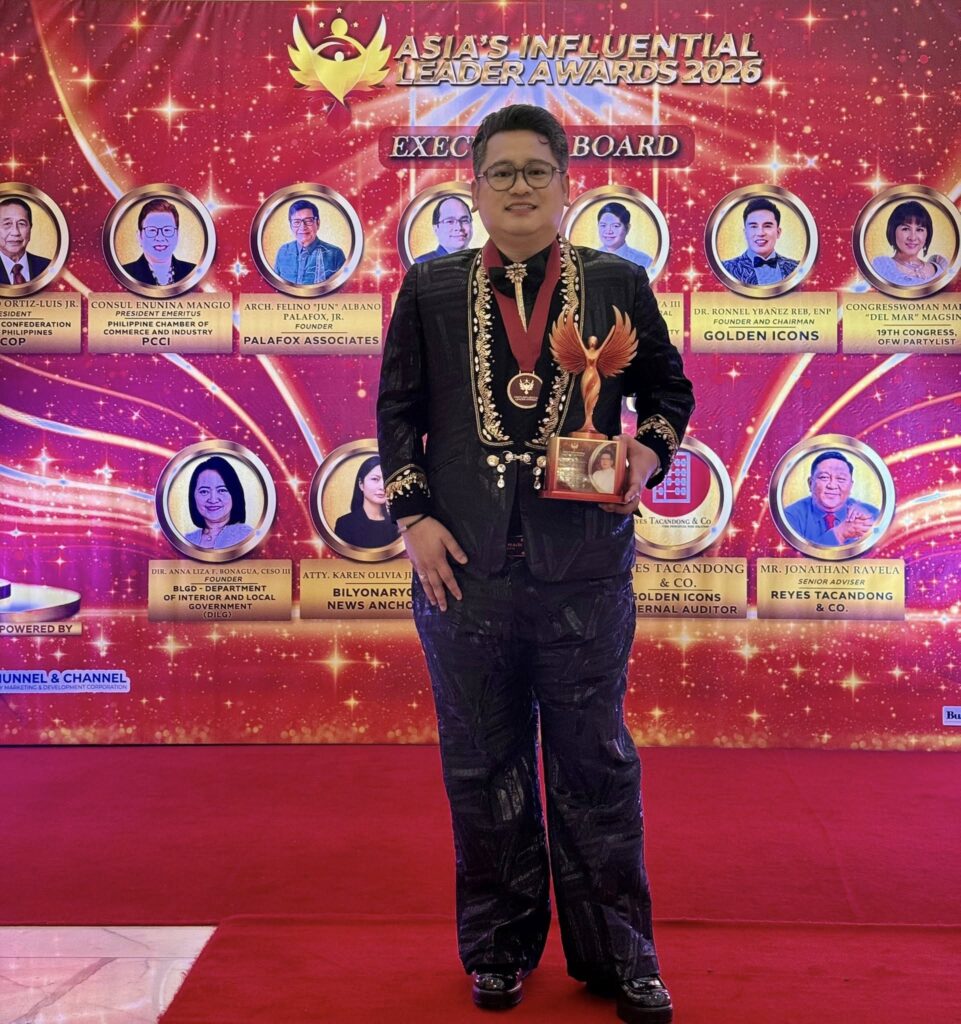
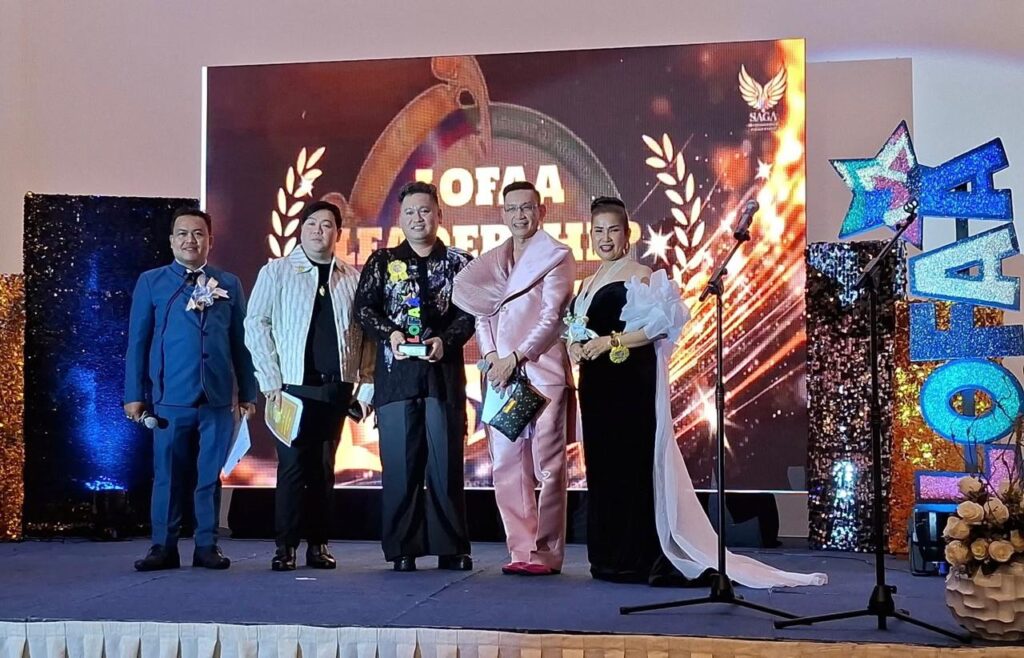
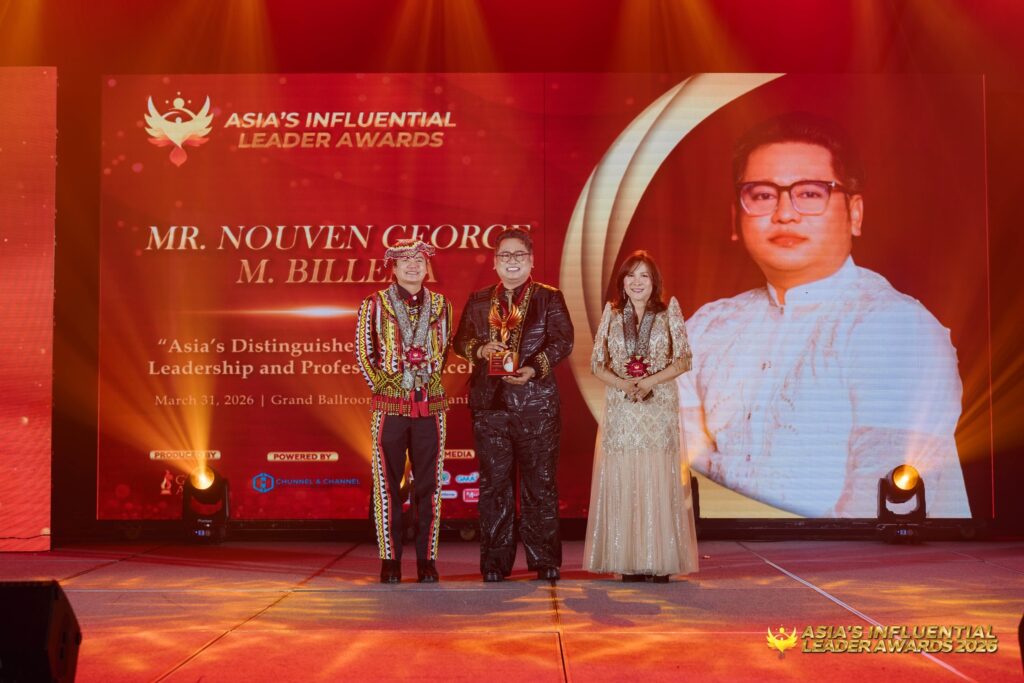
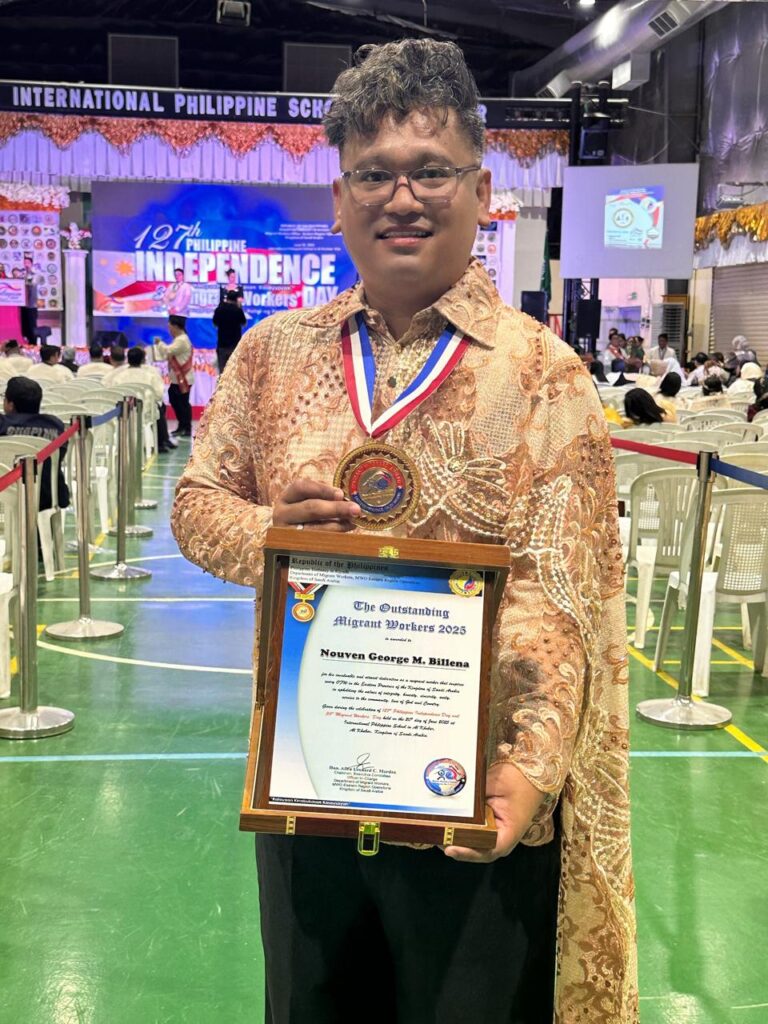
The awards for all of this have accumulated: the Outstanding Migrant Worker Award 2025 from the Migrant Workers Office – Eastern Region, the Visionary Leader Award at the 2nd LOFAA International Awards 2025, and Asia’s Distinguished Global Filipino in Leadership & Professional Excellence at the Asia’s Influential Leaders Awards 2026 held at Okada Manila. The Daily Tribune featured him among its profiled Overseas Filipino Workers in Saudi Arabia.
He accepts the recognition, then quietly sets it aside. “Surprisingly, it is not the promotions, the awards, or the leadership positions I have been blessed to receive,” he says of what he treasures most. “The moments I treasure most are the quiet ones.” He lists them the way another man might list career milestones: a child’s first school supplies, a family’s tears of gratitude, hope restored in someone who was ready to give up.
What the photographs never show
There is a version of this life visible from the outside, and Nouven is quick to point out how incomplete it is. “When people see the awards, the leadership positions, and the accomplishments, they often assume that success came easily,” he says. “What many do not see are the years of sacrifice, loneliness, uncertainty, and silent battles.”
He describes homesickness with a precision that suggests long familiarity. It is not a single ache but a recurring one, sharpest during holidays and family emergencies, in the quiet realization that life at home carries on without you. There were birthdays he could not attend, gatherings he watched through a phone screen. Like every OFW, he says, he carried more than luggage when he left in 2011; he carried the emotional weight of everyone left behind.
His portrait of the OFW experience is unsparing precisely because he lives it. “We smile during video calls even when we are exhausted,” he says. “We tell our families that everything is okay even when our hearts are heavy. We celebrate other people’s milestones while quietly accepting that we are missing our own.”
Faith, he says, was the mechanism that kept him upright. Prayer became his refuge during the uncertain stretches, and his family remained the reason he had left in the first place, a motivation rather than merely a source of guilt. He is careful to credit the people around him: trusted friends, mentors, and colleagues who reminded him, in his words, that no one succeeds alone.
What he did with the pain is the part that reframes everything else. Rather than let hardship harden him, he let it point somewhere. “Perhaps the greatest lesson my struggles have taught me is that pain can become purpose,” he says. The line is not a slogan for him; it is the origin story of Sharing of Blessings, of the scholarships, of the hours he gives to community work. Having known what it is to struggle and to hope, he decided the experience was worth something only if it spared someone else the same isolation. “If my experiences can inspire even one person not to give up, then every sacrifice I made has been worthwhile.”
Advice from someone still in the middle of it
For the kababayans navigating their own difficult chapters abroad, he offers counsel earned rather than theorized, and he leads with reassurance. “I want you to know that you are not alone,” he says.
His financial advice is blunt, the kind an accountant would give. Too many workers, he warns, spend years overseas and return with nothing to show for it because they concentrated on earning and neglected building. Save, invest carefully, avoid needless debt, and prepare for the day the contract ends. “Remember that our goal is not to work abroad forever,” he says. “It is to build a future where our families no longer have to depend on our absence.”
On the emotional front, his guidance is equally direct. He urges fellow workers never to make permanent decisions based on temporary emotions, to pray and pause and reflect before acting on despair, because tomorrow may reveal an opportunity that today conceals. When it comes to relationships, he advises choosing people who bring peace rather than pressure, and he cautions that not everyone who enters your life arrives with good intentions.
Above all he warns against a particular kind of self-erasure common among those who give everything to everyone else. “Never lose yourself while trying to provide for everyone else,” he says. “Success is not only measured by the amount of money we send home, but by the kind of person we become throughout our journey.”
The legacy he is auditing for
Ask him about the future, and the answer is not a retirement plan but a mission statement. He wants Sharing of Blessings to outlive his career entirely, to grow from an annual outreach into a sustainable foundation delivering educational assistance, emergency relief, livelihood opportunities, and community development long after he has stopped clocking in at Makana. Education, the lever that lifted him, remains his priority; he hopes to widen scholarship programs and to persuade more private companies to treat education as a genuine corporate responsibility rather than a line item.
He also intends to keep mentoring the professionals, aspiring leaders, and future OFWs coming up behind him, on the theory that a hard-won lesson shared is a mistake someone else avoids. His career will end one day, and he knows it. His service, he insists, will not.
When he imagines how he wants to be remembered, the Accounting & Systems Manager sets aside every title he has accumulated. Not the position, not the profession, not the awards gathering dust. “If, one day, someone remembers me not because of my position, my profession, or the awards I received, but because I inspired them to believe in themselves, helped them during their darkest moments, or encouraged them to become a blessing to others, then I can honestly say that my life as an Overseas Filipino Worker has been truly worthwhile.”
It is a curious thing for a numbers man to conclude that the most important figures can never be tallied. But fifteen years into a career built on getting the books to balance, Nouven has arrived at a reconciliation of his own. The awards will fade and the titles will pass to someone else. What remains, he is convinced, is the only entry that never depreciates: the lives he chose to lift along the way.
