



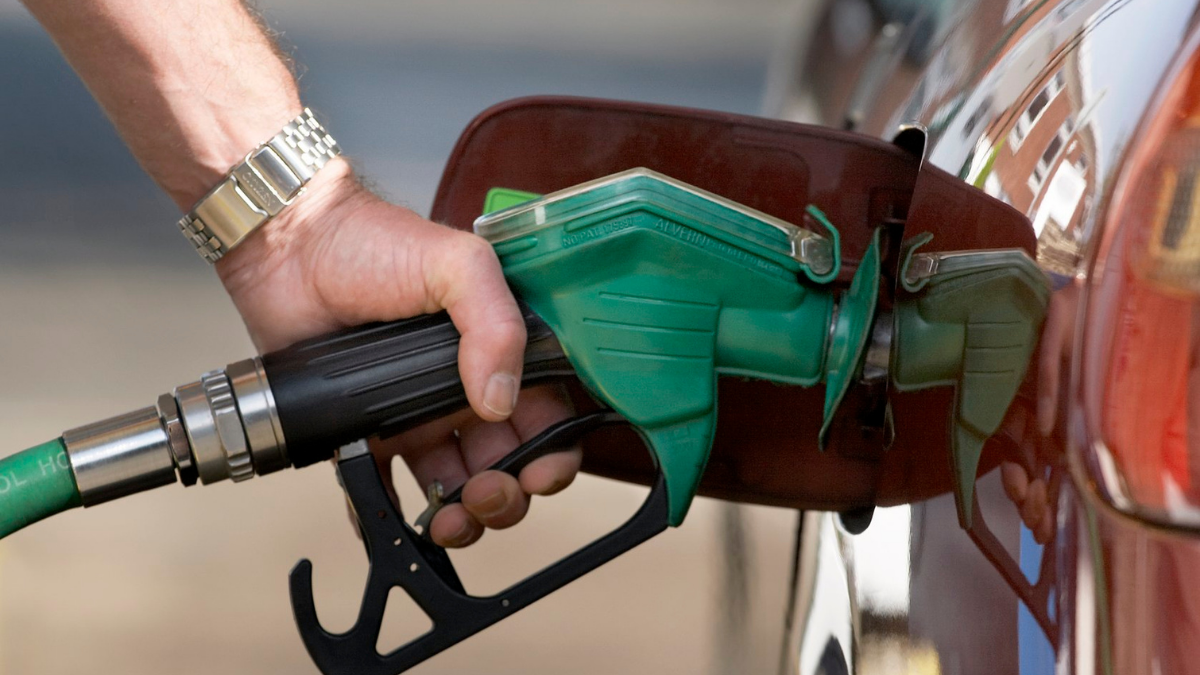

The damage already done to energy infrastructure in the Middle East means Filipino motorists should not expect fuel prices to return to pre-war levels anytime soon — and any eventual decline will be far slower than the surge that preceded it.

Energy Secretary Sharon Garin made the assessment at a media briefing Tuesday, warning that the structural damage to global oil supply chains runs deep enough to reshape market conditions for years.
“Let’s say [the] Strait of Hormuz is cleared and all the thousands or hundreds of vessels through it deliver where they should deliver, there’s no assurance also of the availability of the supply from the Middle East because most of the structures have been destroyed by the wars that are going on,” Garin said.
She added: “It will take months or even years. In fact, years for energy to construct or to rehabilitate all these structures that are part of the Philippine oil industry, because that’s where we get [our supply] and the rest of the world.”
Garin aligned herself with the position of former DOE secretary Jericho Petilla, who had previously raised similar concerns about the lasting effects of the now four-week-old conflict on both supply and pricing.
“For now, 80 percent of the world supply is the one that’s left. And 20 percent we’ll have to see after the war how this could be recovered. So there is a structural change in the oil industry… I would go along with the point of former secretary Petilla, because if it ever goes down, it will take longer; it will not be one month,” she said.

The secretary described the speed of the price increases as unprecedented, with fuel costs having more than doubled within a single month.
At the pump, the impact is already being felt. Shell Pilipinas raised diesel prices by ₱19.80 per liter this week, with gasoline up ₱5.90 and kerosene up ₱9.10. Petron Corp. posted comparable adjustments, though its prices remain ₱1 lower than Shell’s across the board.
Cooking gas has also become significantly more expensive, with the prevailing dealer pickup price now ranging from ₱187 to ₱402 — translating to an estimated retail price of ₱1,141 to ₱1,630 for an 11-kilogram tank.
The DOE’s buffer stock data as of April 3 shows the country holding roughly 50.42 days’ worth of total petroleum supply. Gasoline stocks stand at 57.58 days, diesel at 47.26 days, and kerosene at 106.22 days. Liquefied petroleum gas, at 33.1 days, represents the tightest reserve among tracked fuel types.
To shore up supply, the government expects a 300,000-barrel diesel delivery from Malaysia and Singapore by April 10 — part of a broader 900,000-barrel procurement target for the month. Additional shipments from Russia and India are expected mid-month, with a final April delivery coming from Oman and Singapore.
