




Filipino migrant workers living with HIV stand to gain clearer pathways to care and firmer protections under a policy framework that government and international partners began shaping at a roundtable in Manila this week.

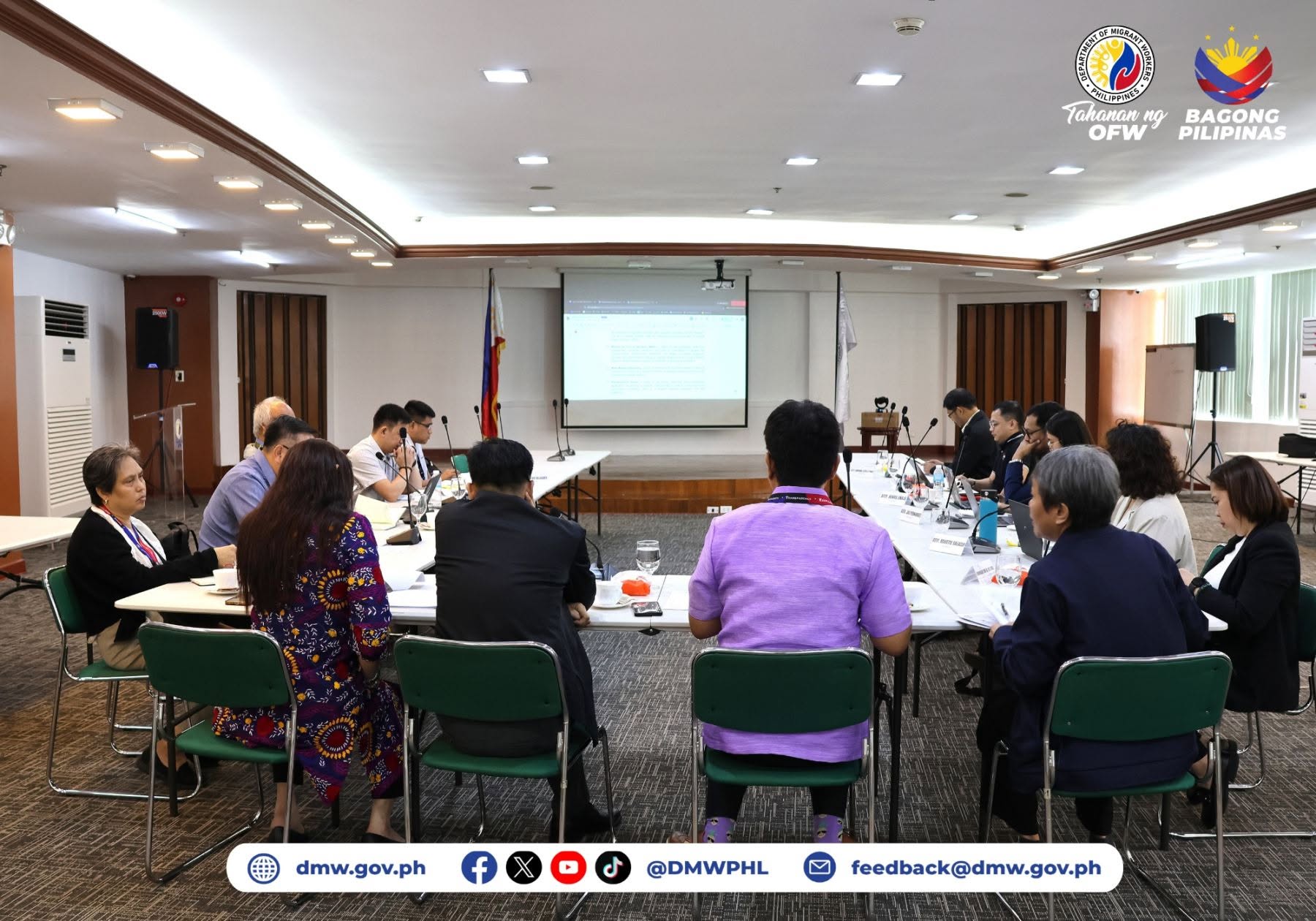
The discussion took place on June 15, 2026, at the Department of Migrant Workers (DMW) Central Office. Convened by the DMW together with the Philippine National AIDS Council (PNAC), the gathering drew in other government bodies, civil society groups, and the International Organization for Migration (IOM). Their shared task was to map out how the state can better serve overseas Filipino workers (OFWs) who are coping with HIV while abroad.
At the heart of the talks were the persistent gaps in HIV programs that leave migrant workers without dependable support once they leave the country. The proposed framework is meant to address those weak points, giving affected workers more responsive treatment and a defined route to assistance at every stage of their time overseas. Participants laid out specific policy directions and recommendations geared toward letting workers seek help without shame or hesitation.

A recurring theme during the roundtable was accountability across agencies. Those present argued that without stronger coordination between the offices responsible for migrant welfare, workers living with HIV will continue to struggle to reach the services they are entitled to. The aim, stakeholders said, is to surround these workers with a community of care while safeguarding their rights and overall welfare.
The Philippine response to HIV and AIDS is anchored in Republic Act 11166, the law that reconstituted PNAC and tasked it with steering the country’s prevention and treatment efforts. The council operates as the central planning and policy body on HIV, drawing its membership from national agencies, civil society, and the community of people living with HIV.
For the DMW, the initiative fits within a broader push to ensure that policies serving OFWs account for their health and dignity, not only their employment. The framework discussed this week signals that workers managing a chronic condition far from home remain part of that mandate.
