




Fathers excluded from informal work and SSS voluntary membership would gain paid childbirth leave for the first time under a bill now pending in the House of Representatives.

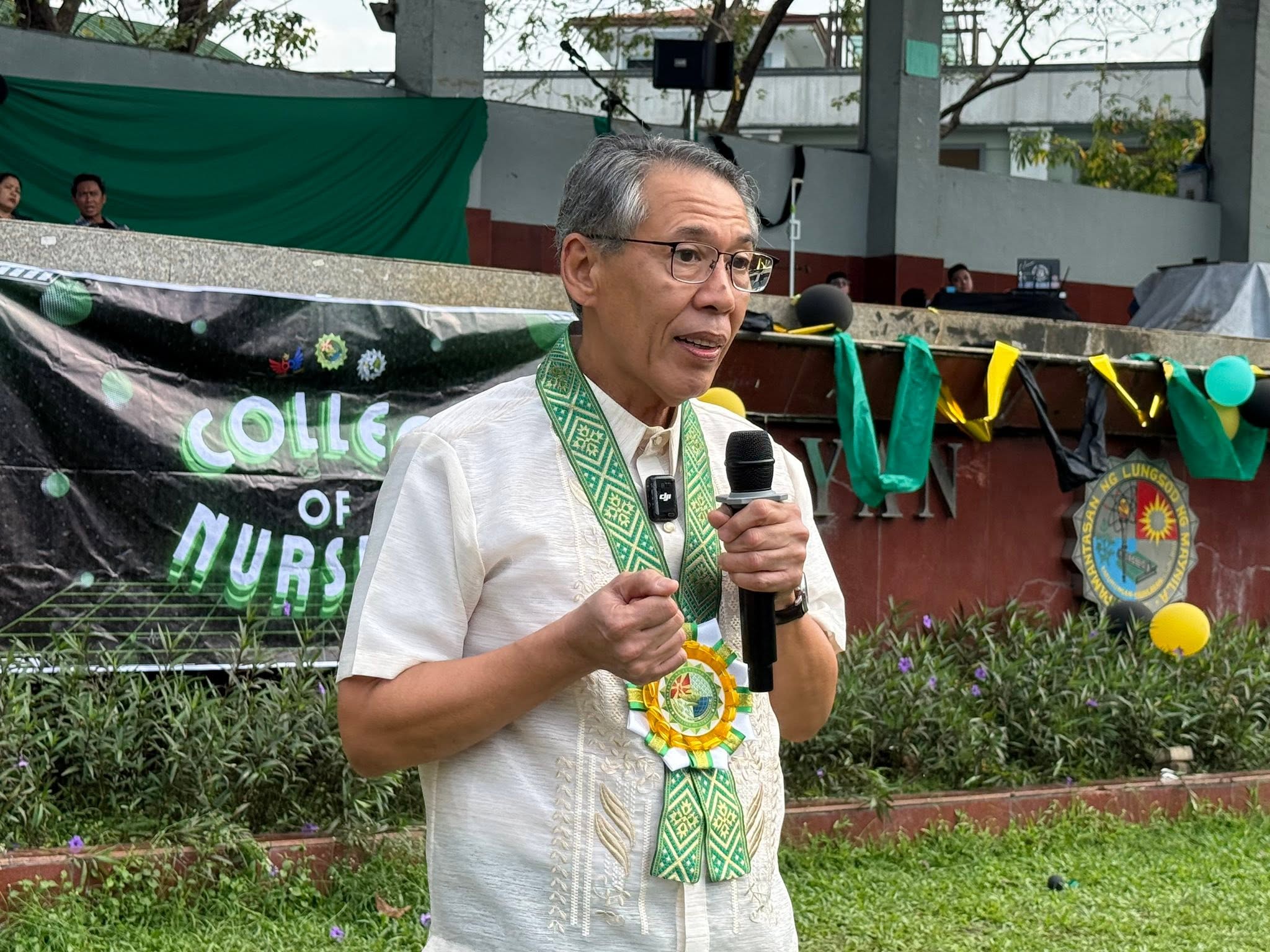
Akbayan Party-list Rep. Chel Diokno introduced House Bill No. 9891 on Wednesday, a measure he calls the Paternity and Parental Leave Act, or PAPA Leave Act. The proposal would lengthen the leave available to fathers far beyond the seven days currently guaranteed, pushing the maximum to 105 days to match the benefit already extended to mothers under the expanded maternity leave law.
The core of the bill grants 90 straight days of paid leave when a child is born alive. Should a pregnancy end in miscarriage or require emergency termination, the father would be entitled to 60 continuous days. Layered on top is a separate 15-day parental leave allotment that a father or caregiver can use at any point within the child’s first year, whether taken all at once or spread across several instances.
Diokno framed the legislation as a correction to how Filipino society distributes the work of raising children. “By investing in shared parenting, this measure advances gender equality, improves child and family wellbeing, and strengthens labor force participation. It affirms that childcare is not solely the responsibility of women, but a shared parental duty that must be actively supported by the State,” he said in a statement Friday.

Who qualifies would also widen considerably. Rather than limiting the benefit to married men, the bill writes in non-marital fathers and other caregivers who take on a real role in looking after infants and young children. Workers in the informal sector and voluntary SSS members are folded in as well, provided they meet contribution thresholds.
Private employers would keep fronting the cost of the leave, then recover the full amount through SSS reimbursement. The measure bars companies from firing, demoting, or otherwise penalizing staff who take the leave, and it sets out fines, jail terms, and the loss of business permits for those who break the rules. Safeguards against fraudulent claims are written in as well.
There is a sharp condition attached for the fathers themselves. Diokno noted that a father who takes the leave but neglects to actually provide care and support is considered to have committed an act of violence under Section 5(i) of Republic Act 9262, the Anti-Violence Against Women and Their Children Act of 2004.
