



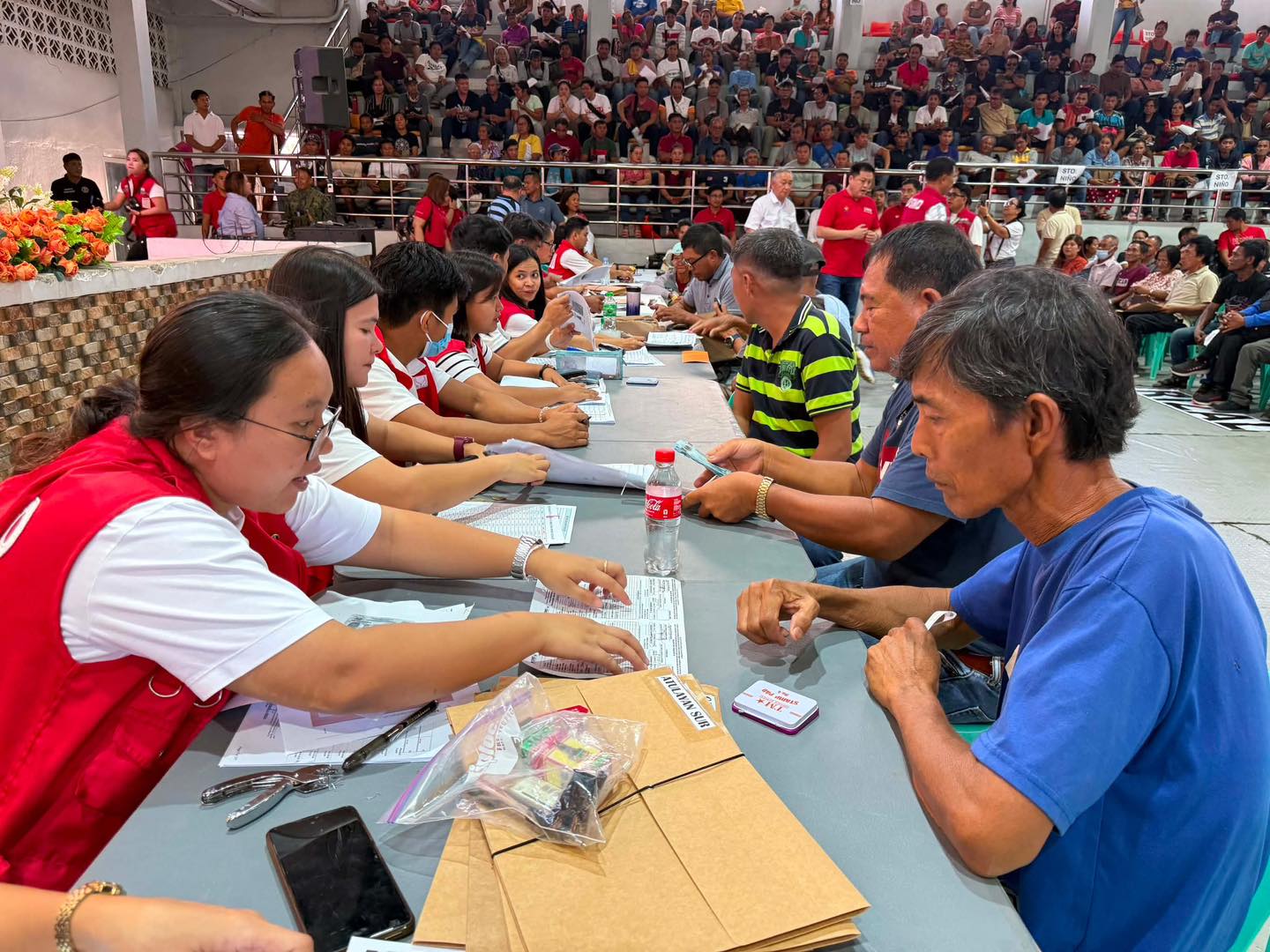

The government’s emergency financial assistance program is open to all income levels — not just the poor — the Department of Social Welfare and Development clarified Thursday, pushing back against a common misconception about who qualifies for help.

Crisis Intervention Program Director Edwin Morata said the Assistance to Individuals in Crisis Situation (AICS) program was designed with the reality that financial emergencies do not discriminate.
“Hindi pinipili ng shocks kung ikaw ay mayaman o mahirap, may trabaho o wala, kung ikaw ay nasa middle class o ikaw ay low-income earner o minimum wage. Maaaring disaster, lahat tayo ay apektado (Shocks do not choose whether you are rich or poor, employed or unemployed, whether you are middle class or a low-income earner or minimum wage worker. During disasters, all of us are affected),” Morata said at a media forum.
The program kicks in when a person or family’s finances can no longer keep up with sudden, unplanned needs — a threshold Morata said is not tied to how much a household earns.
“Kapag may pangangailangan na hindi napaghandaan ng isang tao o pamilya, ‘yung pinansyal na kapasidad nila na tugunan ‘yung pangangailangan, kaya may ganito tayong programa. Ito ay binubuksan para sa lahat (When there is a need that a person or family was not prepared for, and their financial capacity is not enough to meet that need, that is why this program exists. It is open to everyone),” he said.

“Hindi po talaga pangmahirap lang ang Assistance to Individuals in Crisis Situation (AICS is not only for the poor),” Morata added.
Applicants go through three stages: queuing, assessment and interview, and release of assistance. A valid ID is required across all applications, with supporting documents varying depending on the type of aid being requested.
Those applying for laboratory work or medical devices must submit a diagnostic request and price quotation. Patients on therapy or special treatment need a doctor’s order or treatment protocol with a corresponding cost estimate. Medicine requests require a prescription, while hospital bill assistance calls for a statement of account.
DSWD said it continues updating AICS guidelines to keep pace with shifting client needs. As of April, medical assistance accounted for the largest share of disbursements at ₱316 million, with food assistance at ₱22 million and funeral support at ₱8 million.
