



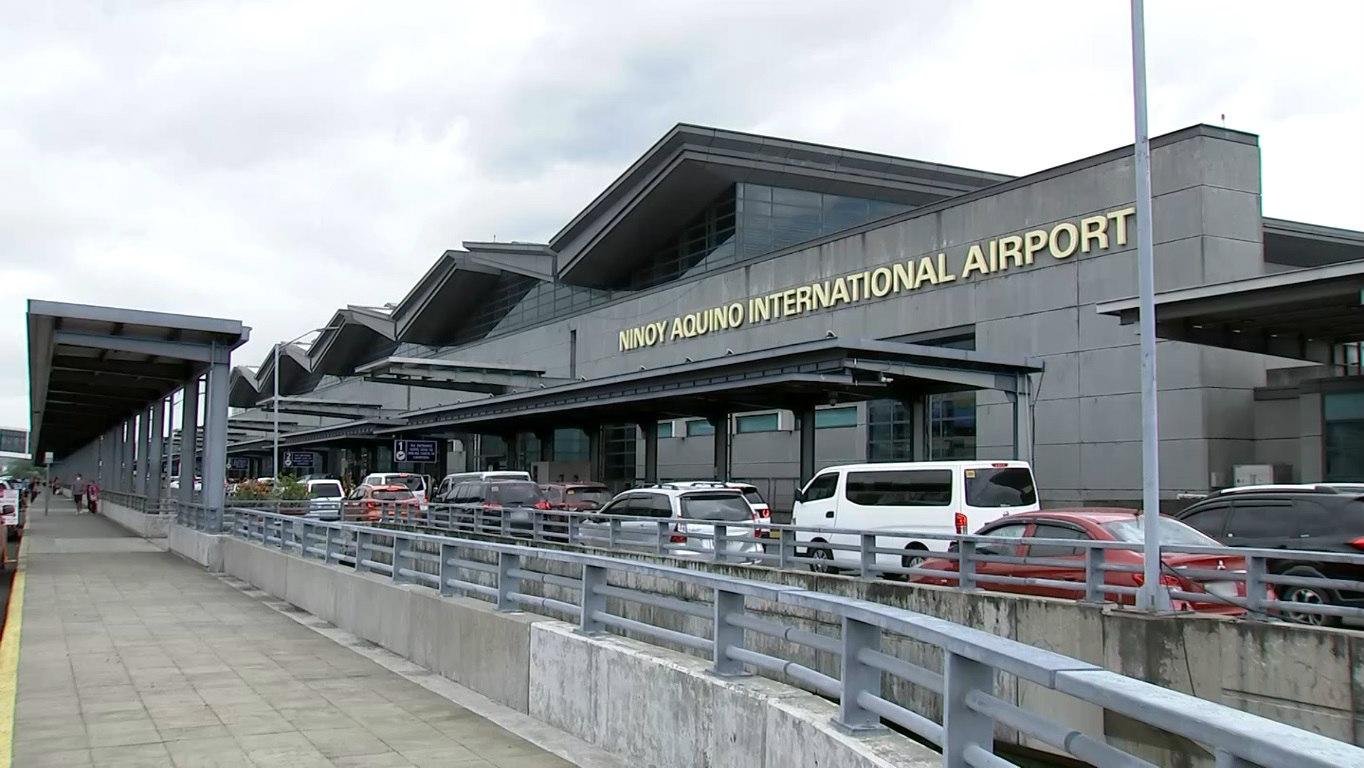

The Manila International Airport Authority (MIAA) is set to take ownership of the 61-hectare property occupied by Ninoy Aquino International Airport Terminal 3 following a P48-billion acquisition agreement with the Bases Conversion and Development Authority (BCDA).

A ceremonial signing of the deal was held on June 11 after negotiations that spanned several years, according to an announcement made by the BCDA on Friday. The arrangement calls for MIAA to settle the amount over a 15-year period, beginning with a P10-billion initial payment.
MIAA General Manager Eric Jose said the transaction would give the agency greater control over a major government asset linked to the country’s aviation sector.
“By securing ownership of the Terminal 3 property, MIAA strengthens its stewardship of a strategic government asset and reinforces its ability to support the long-term development of the country’s premier gateway,” Jose said.
“This acquisition provides greater certainty for long-term planning, sound asset management and the continued advancement of Philippine aviation,” he added.
The agreement follows a memorandum of agreement signed by the two agencies in 2024. Under that arrangement, MIAA was granted three years to determine whether it would purchase the land for P48.89 billion or continue leasing it from BCDA. The same agreement increased the annual lease rate to P489 million from the previous P180 million.
While additional provisions of the sale were not disclosed, details previously released by BCDA indicated that lease payments already made by MIAA would be credited toward the P10-billion down payment. Any remaining balance would carry an annual interest rate of 5 percent.
BCDA also said the financing scheme requires semiannual payments, with yearly obligations amounting to roughly P3.74 billion throughout the 15-year term.

The authority noted that transferring ownership to MIAA would support future airport improvements, including expansion and modernization projects intended to accommodate rising passenger traffic and strengthen the country’s links to international markets. NAIA handled 27 million passengers last year.
The transaction was likewise described as consistent with the infrastructure modernization agenda being pursued under the administration of President Ferdinand Marcos Jr..
BCDA President and CEO Joshua Bingcang said the agreement was designed to ensure that the government derives maximum value from the property.
“This agreement is the result of years of careful work to ensure that the Filipino people receive the greatest possible value from this public asset,” Bingcang said.
“It ensures that the property is placed in the hands of the agency best positioned to maximize its value, while generating revenues that can support public services and infrastructure,” he added.
“This is a practical, forward-looking solution that delivers benefits both today and for future generations.”
Under Republic Act 7227, BCDA is tasked with generating resources from former military reservations through mechanisms such as land sales, leases, joint ventures and concession arrangements. Funds generated from the transaction will partly be remitted to the Bureau of the Treasury as dividends and contributions for the Armed Forces of the Philippines and other beneficiary agencies, with the remainder earmarked for infrastructure projects within BCDA-managed economic zones.
