



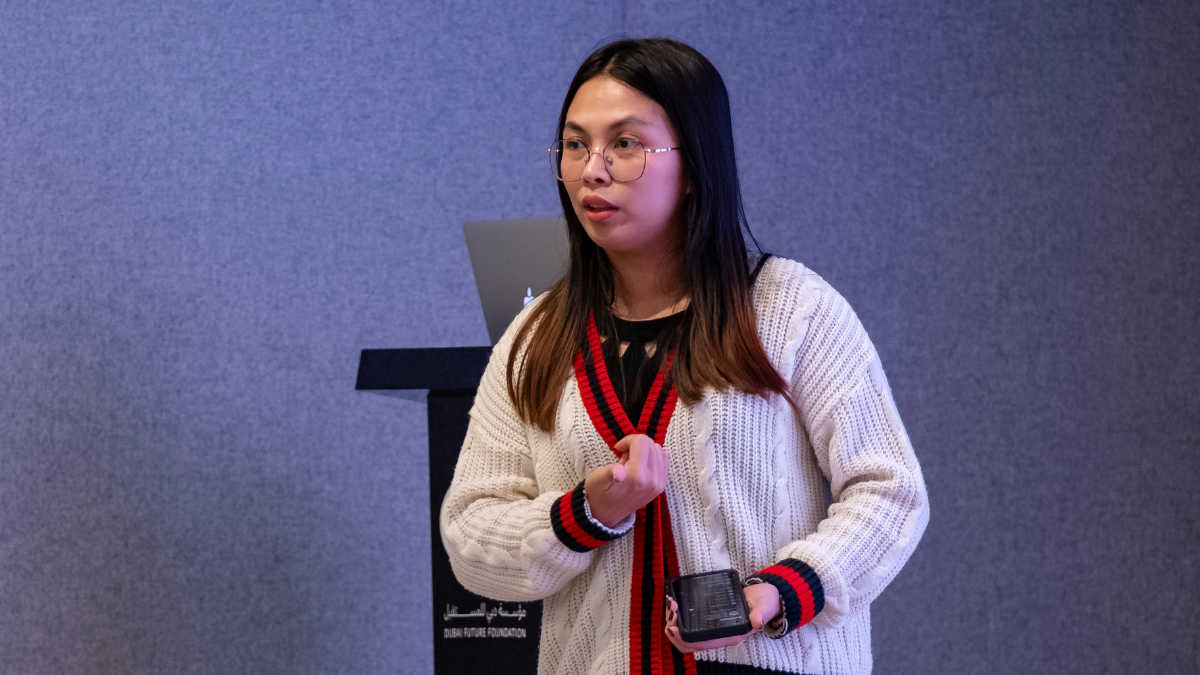

She didn’t set out to become one of the UAE’s most recognized voices in educational technology. Charlene Mae Mapesos Sta. Teresa, 29, will tell you she was just following her curiosity — and it led her somewhere she never quite expected.

Born and raised in the Philippines, Charlene graduated from the Polytechnic University of the Philippines in 2016 and began her career as a Computer Teacher at Miriam College in Manila. Two years later, she packed her bags and flew to the UAE to teach robotics. Today, she is the only Filipina UAE Coding Ambassador for CodersHQ — an initiative under the Office of the Minister of State for Artificial Intelligence — and a Design and Innovation teacher at Raha International School in Abu Dhabi. But sit with her long enough, and the titles fade into the background. What comes through instead is something harder to put on a resume.
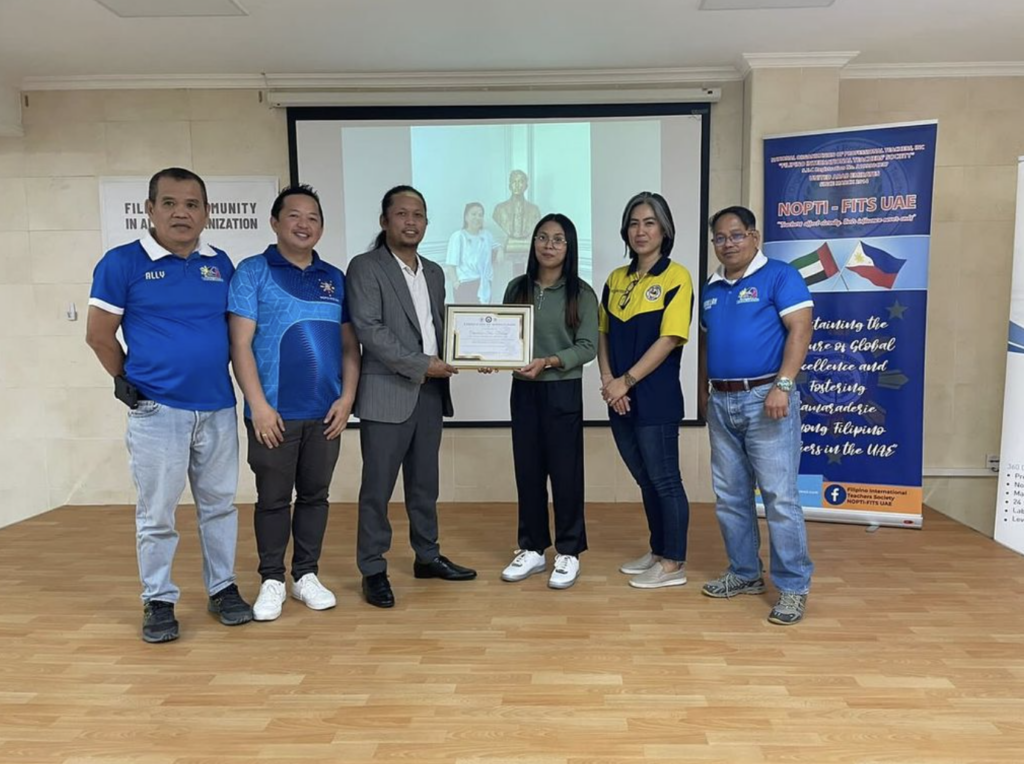
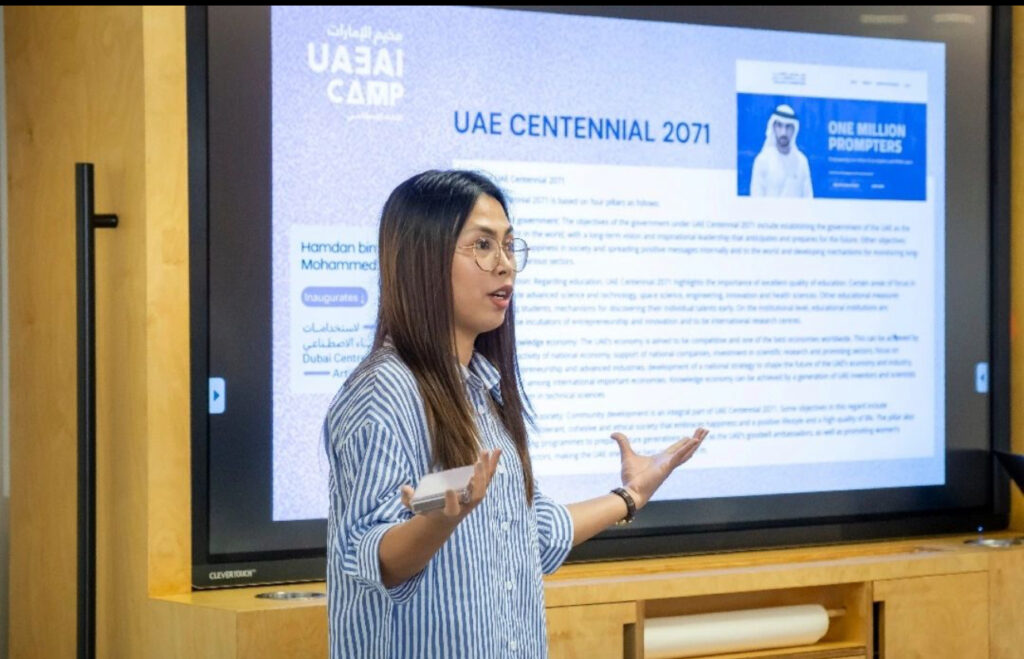
“I’m a very curious person at heart, and a problem solver,” she shares with TGFM. “I’ve always been drawn to understanding how things work and figuring out how to make them better.”
The road to becoming an ambassador
The path from classroom teacher to national coding ambassador was not a straight line. After being promoted to Head of Department at her school in Abu Dhabi, Charlene began developing programs and prototypes, driven by a growing fascination with emerging technology. Around 2019 and 2020, she enrolled in short courses to understand how artificial intelligence actually works — well before AI became a mainstream conversation.
When the UAE Coding Ambassador Program opened applications, she went for it. The selection process was rigorous: multiple stages of interviews and case studies. She came out the other side as one of 56 coding ambassadors in the country, and the only Filipina among them.
The role, she explains, is less about holding a title and more about sustained community work. “Coding Ambassadors are responsible for distributing knowledge, programs, and initiatives about coding and the latest tech trends within the community,” she says. Ambassadors plan and conduct workshops quarterly, partner with third-party organizations, and run independent programs aligned with the broader national agenda. Charlene has been a fixture at UAE Innovation Day and the annual AI Summer Camp, where she transforms dense technological concepts into hands-on experiences for students and educators alike.
When culture meets code
Among everything Charlene has built, one program stands apart — not just for its creativity, but for the story behind it.
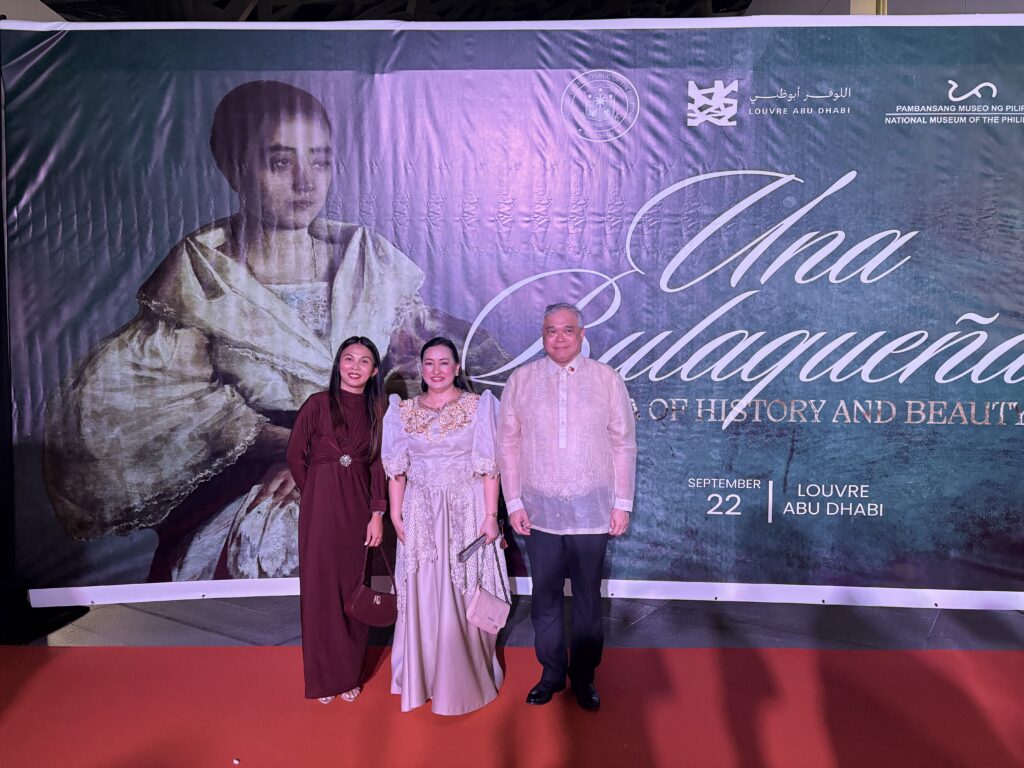
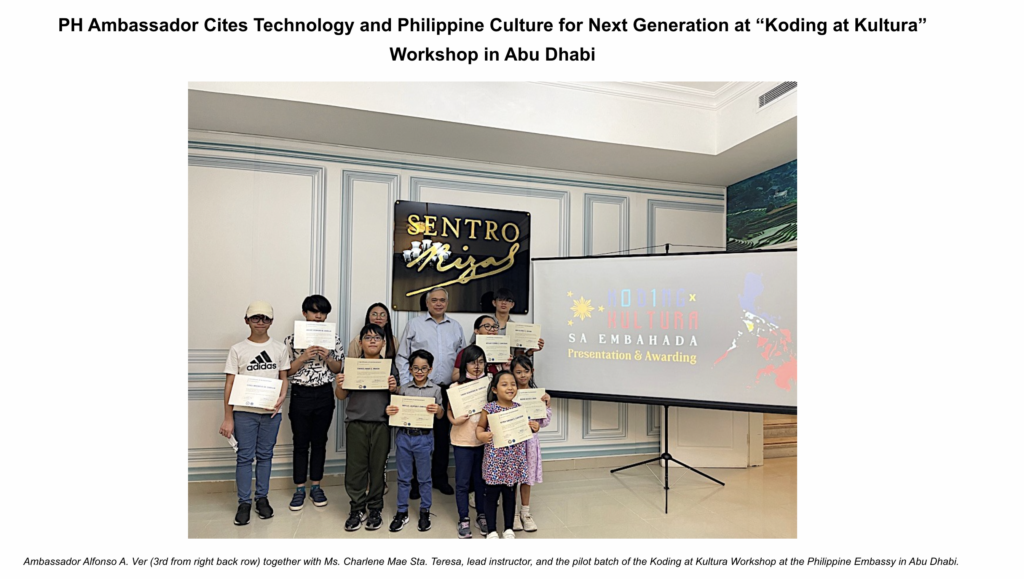
“Koding at Kultura” was born from a conversation with Philippine Ambassador to the UAE, Alfonso Ver, who had noticed something troubling: young Filipinos living abroad were slowly losing touch with their roots. Some struggled to speak Filipino. Others had never heard of traditional games like Patintero.
Charlene took that observation and turned it into a curriculum. Participants in the program learn to code by building digital versions of Filipino games, or by creating AI apps using computer vision that recognizes objects and responds in Filipino — so if the camera sees a pencil, it says lapis; if it sees eyes, it says mata. Held during Buwan ng Wika, the program carried added cultural weight.

“The program was a huge success, with all participants producing their own prototypes by the end,” Charlene says. It is the kind of outcome that is difficult to manufacture — where technical skill and cultural pride arrive at the same moment.
Less jargon, more humanity
One of the biggest misconceptions about EdTech leaders is that they speak in the language of innovation and disruption. Charlene does not. Ask her how she makes coding and AI accessible to people who find it intimidating, and her answer is almost disarmingly practical.
“First, I introduce people to the technology and apps they’re already using but may not realize are powered by AI — like computer vision when you unlock your phone with Face ID,” she says. From there, she strips away technical jargon and meets people where they are, teaching them to use tools like ChatGPT, Gemini, and Claude through proper prompting — letting curiosity lead rather than complexity.
She applies the same philosophy to her advocacy for schools. After years working across K-12 institutions in the MENA region and Southeast Asia, she has seen what happens when technology is introduced without a framework. “Less is more,” she says plainly. “Schools should create a framework, identify what they actually need in terms of technology, and make that the standard — instead of introducing app after app, which just causes extra work and digital fatigue for teachers.”
It is a perspective shaped not by theory, but by watching good teachers burn out under systems that prioritize novelty over necessity.
And then there are the students — who, Charlene admits, have surprised her most. “We often think we’re the ones teaching them new technology, but honestly, they’re the ones exploring it the most,” she says. “I’ve seen students provide solutions — even tutorials — to other students on how to fix a specific issue with a tool, faster than I could have done it myself.”
Seven years into life abroad, Charlene Sta. Teresa is still following that original thread of curiosity — now reaching further, toward programs that can scale and communities that are still waiting to be reached. Her mantra, she says, has never changed: “It’s only impossible until it’s done. If you think you can do it, you definitely can.”
Her advice to young Filipinas who dream of walking a similar path is just as unguarded. “Keep focusing on what you’re truly passionate about, and just do it — even if you think it can’t be done, or you feel scared. You’ll find people along the way who are incredibly supportive, who will guide you and make the journey feel less scary.”
For Charlene, those people showed up when she needed them most — including an Emirati colleague who pulled her aside during one of her first major programs and said simply: “You’re here because you’re qualified to do this. You’re one of us. We got you.”
She never forgot it.
