



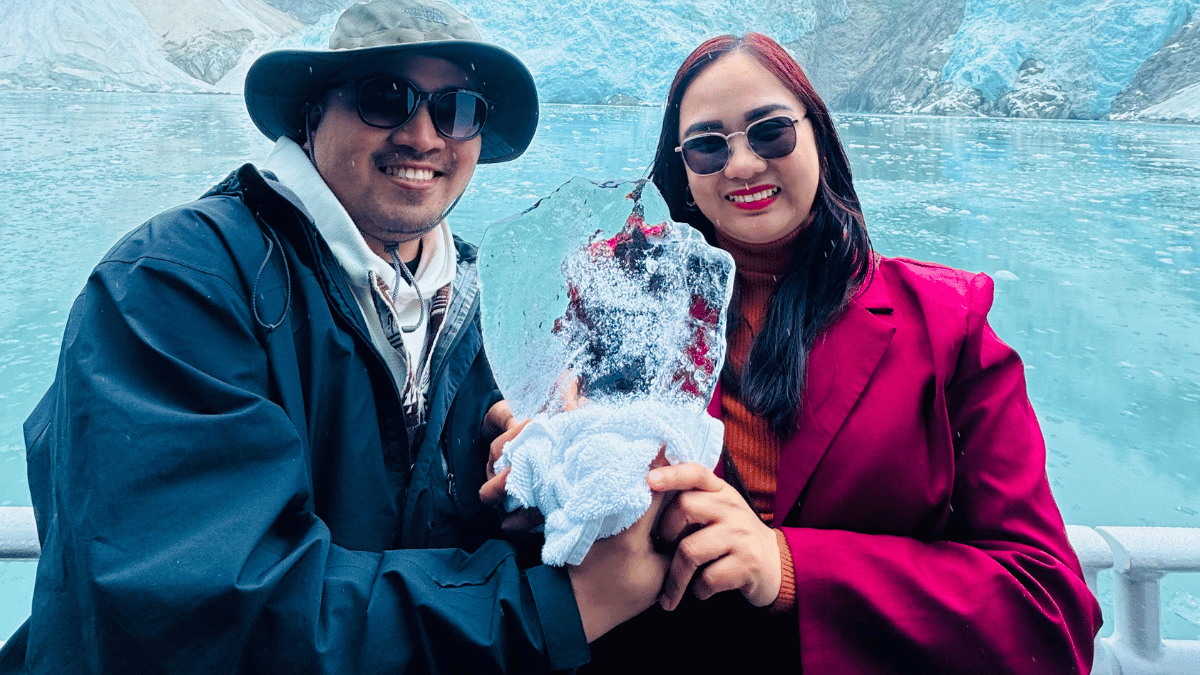

Two award-winning teachers. More than twenty years in the classroom between them. A national curriculum credit, a shelf of innovation awards, two cafés on the side — and still, no clear path to a promotion. That was teaching in the Philippines. Janin Abegail Barruga and King George Barruga fixed it the hard way: they left, taking third- and fourth-grade posts at a single elementary school in Lower Kalskag, a village of a few hundred people in rural Alaska.

Three school years later, they have no interest in going back. But the story of how they got there starts long before Alaska — at a college election in Bicol, where the two didn’t fall in love so much as run against the same odds.
Rivals, then best friends, then something more
They met at the Bicol University College of Education, campaigning for seats on the College Student Council. Shared ambition turned into a friendship that lasted, unhurried, for eight years — through college, through their first teaching jobs, through the ordinary seasons that quietly define a life. “Before we became life partners, we were each other’s biggest supporters,” the couple shared with TGFM. Only later did the friendship become love, and the realization arrived plainly: the person who had always been in their corner was the one they wanted beside them for good.
By the time they married their careers to each other, both had built serious ones. Janin, from Rawis, Legazpi City, in Albay, came up as the fourth child in her family and the one who took on the role of breadwinner. Her teaching began humbly — two years in a private school, then an assignment in a remote coastal barangay, the kind of underserved posting that either burns a young teacher out or sharpens her sense of purpose. It sharpened hers.
“I learned that teaching is not just about delivering lessons; it is about showing students that their dreams matter,” she says. “No matter how remote the community is or how many challenges we face, every child deserves a teacher who believes in their potential.”
That belief followed her from the coast to Jose Zurbito Sr. Elementary School, where she taught in the Special Science Elementary School program for gifted and talented learners. Over more than eight years she earned an Outstanding Private School Elementary Teacher Award in 2016, and when the pandemic upended Philippine education, she stepped up as a Core Writer and Regional Trainer for the Department of Education’s Learning Recovery Plan — helping build the materials meant to close the learning gaps of the country’s youngest students at a moment when the whole system was rebuilding on the fly.
The teacher who proved innovation doesn’t need a budget
King George Barruga, from Aroroy, Masbate, took a different road to the same school. He started in a rural elementary classroom, where the shortage of resources taught him a lesson he still teaches by. “Teaching in rural communities taught me that innovation does not always require expensive resources — it begins with creativity, dedication, and the willingness to find ways to make learning meaningful for every child,” he says.
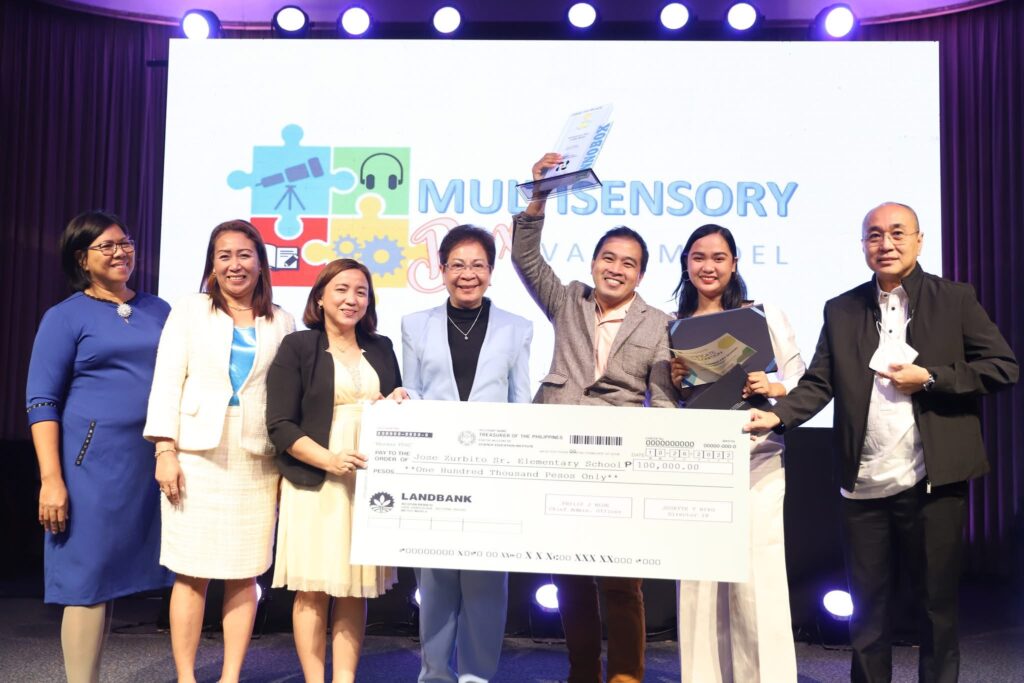
He made that idea his career. Over twelve years in the public system, he became a two-time National Winner of the INNOBOX Most Innovative Science and Mathematics Resource Award, recognized by the Department of Science and Technology and the Department of Education Central Office at the Philippine International Convention Center, and a founding member of the DepEd Circle of Innovators. He also served on the Palarong Pambansa Cleanest and Greenest Committee, folding environmental work into one of the country’s biggest sporting events. Eventually he joined Janin in the SSES program at Jose Zurbito Sr., the two of them teaching gifted learners side by side.
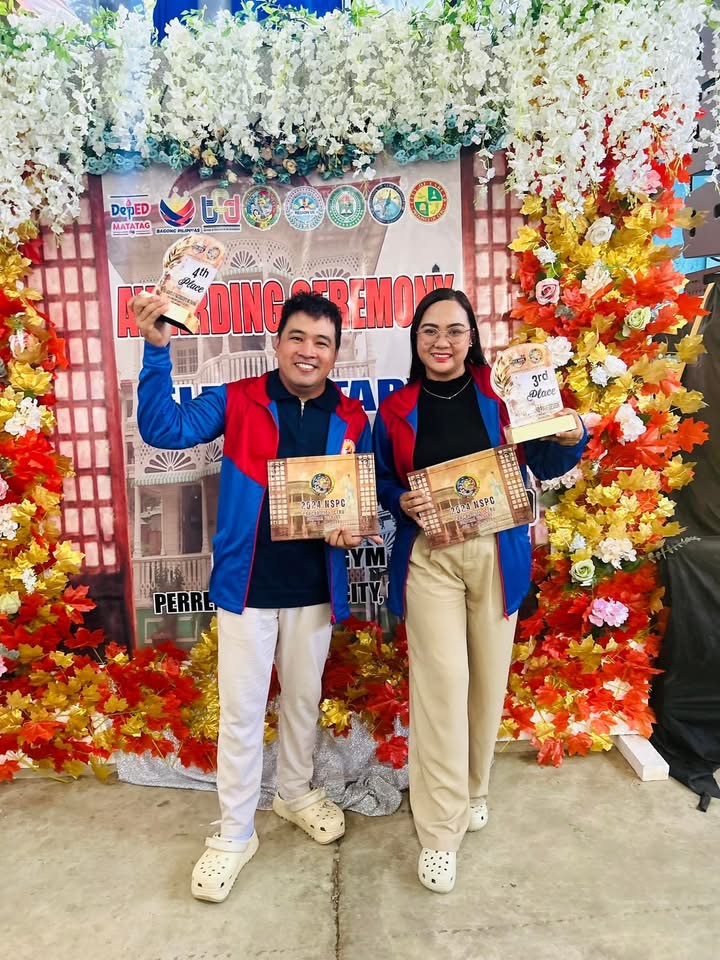
The classroom was never the whole of it. Through Gawad Kalinga and The Storytelling Project, the couple pushed their work past the school gates, and as campus journalism coaches they mentored young writers all the way to the national stage — their student journalists winning at both the Regional and National Schools Press Conferences, their school paper earning NSPC recognition. For a time they ran businesses too, managing Salomon’s Café and Eatlog Café in Masbate City, an education in leadership and resilience that no teaching license covers.

“Our greatest achievement as teachers is not only the awards we receive, but the lives we touch and the confidence we build in our students,” they say. “Every child has a unique gift, and our role is to help them discover and use it.”

Why they left — and why they haven’t looked back
By every visible measure, they were succeeding. The awards were real, the students were winning, the cafés were running. What wasn’t there was room to grow. Years of dedication weren’t translating into promotion, the curriculum kept shifting underfoot, and running two businesses on top of full teaching loads left them drained in a way that recognition never quite offset. They loved the work. The work wasn’t loving them back.
Then came the stories from friends already teaching in Alaska — accounts of educators who were trusted, supported, and given real room to develop. It was enough to make the couple take the leap. They applied to nearly every district that would consider them, sat with the uncertainty, and questioned more than once whether the opportunity would come. Through all of it, they leaned on faith. “With God as your guide, you will never be wrong in the decisions you make,” they say — though they’re quick to add that faith alone wasn’t the plan. “You also need to be strong, brave, and willing to step outside your comfort zone.”
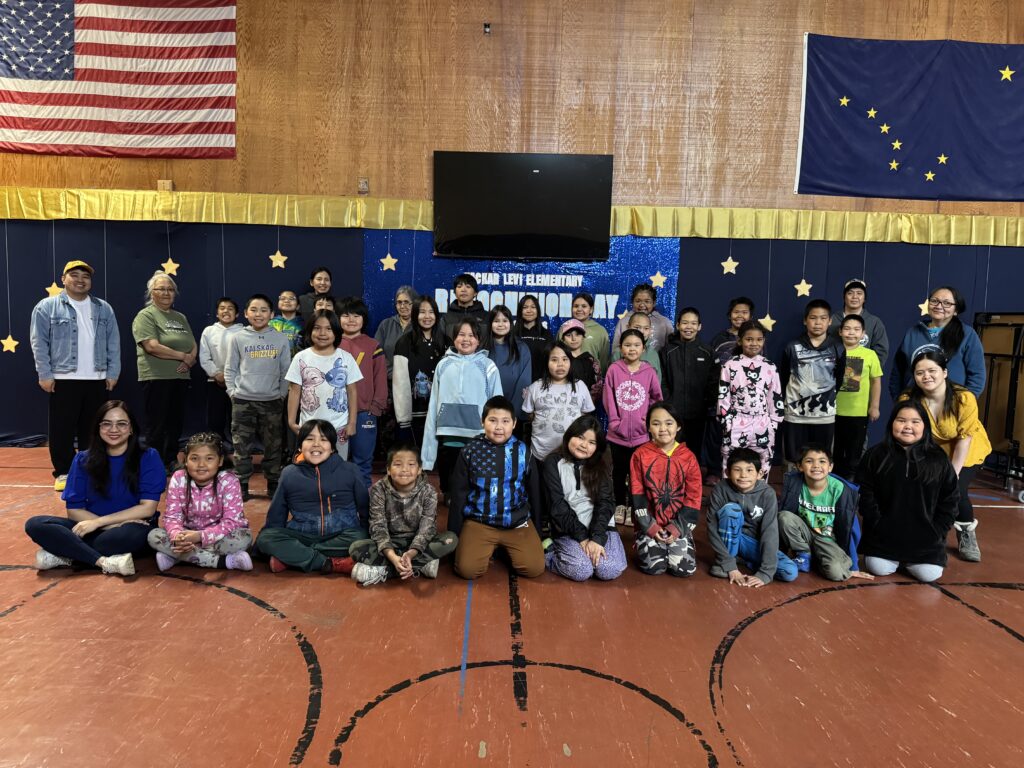
The offer, when it came, sent them somewhere most of their friends couldn’t picture. Some joked they’d be living in igloos. The reality was a modern village, a comfortable home wired with the technology they needed, and a school district that handed teachers the support they’d spent years asking for back home. This school year marks their third as H-1B teachers at Zackar Levi Elementary School in Lower Kalskag, where Janin teaches third grade and King teaches fourth — and, this year, has been named the school’s Lead Teacher. “This journey has exceeded our expectations,” the former SSES teacher says. “We truly feel that coming to Alaska was worth it.”
A second home on the tundra
Teaching together turns out to be its own kind of advantage. From adjoining grade levels, the couple trade ideas daily, compare notes on student progress, and troubleshoot each other’s hard days. “Working together as husband and wife makes our jobs even more meaningful,” Janin says, “because we understand each other’s goals and challenges better than anyone else.”
Into those classrooms they’ve carried the values they grew up with. Compassion shows up in a small tradition they started — a birthday cake for every student, a gesture that quietly knit them closer to families and the wider village. Perseverance is the throughline of their own story, and they press it on their students: mistakes aren’t failures but the raw material of learning. Service, the habit of a lifetime, hasn’t left them either.
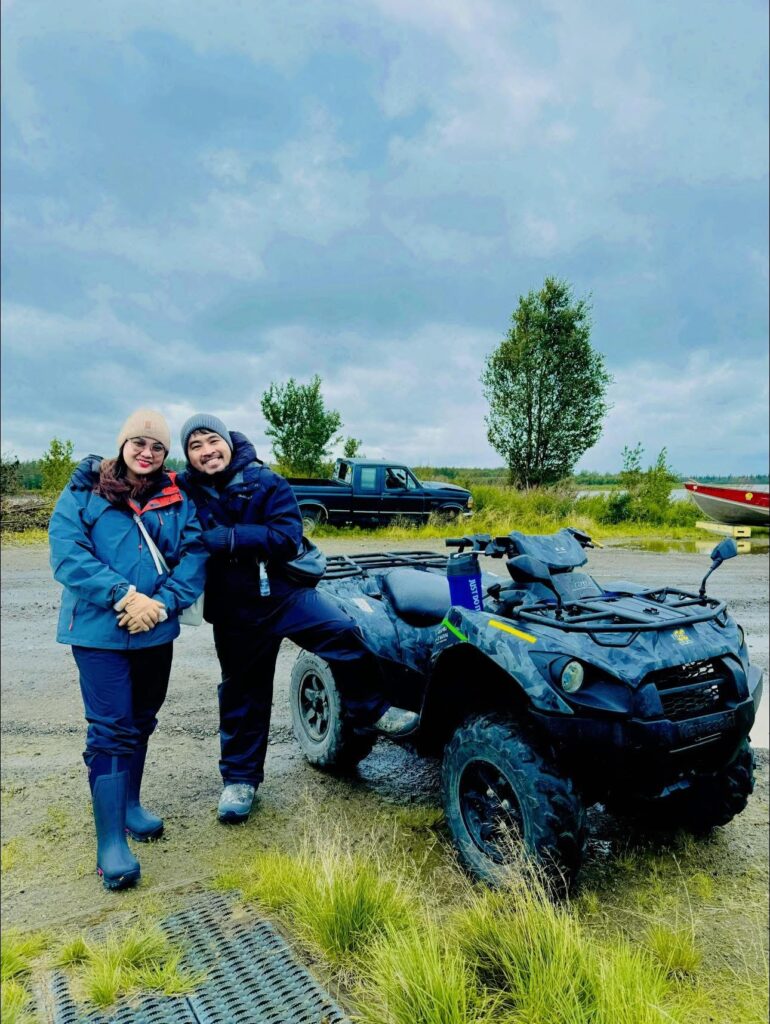
What they didn’t expect was how familiar this far-flung place would feel. Alaska Native and Filipino communities, they’ve found, prize many of the same things — family, respect for elders, hospitality, the instinct to take care of one another. Families have welcomed them with food from their hunting and fishing traditions: duck, geese, moose, salmon, whatever the season provides. “These acts of generosity made us feel accepted,” the couple says, “and reminded us so much of the Filipino spirit of sharing.” On school breaks they explore the state’s enormous landscapes and travel the wider United States; through video calls and a tight local Filipino community, home never feels entirely out of reach.
To the teachers still weighing the same leap they once did, their message is short and hard-won. “Believe in yourself, continue improving, and do not be afraid to take the risk,” they say. The path may not be easy — theirs certainly wasn’t — but as their own journey from a Bicol student election to a classroom on the Alaskan tundra suggests, the doors that open are sometimes ones you never thought to imagine.
