



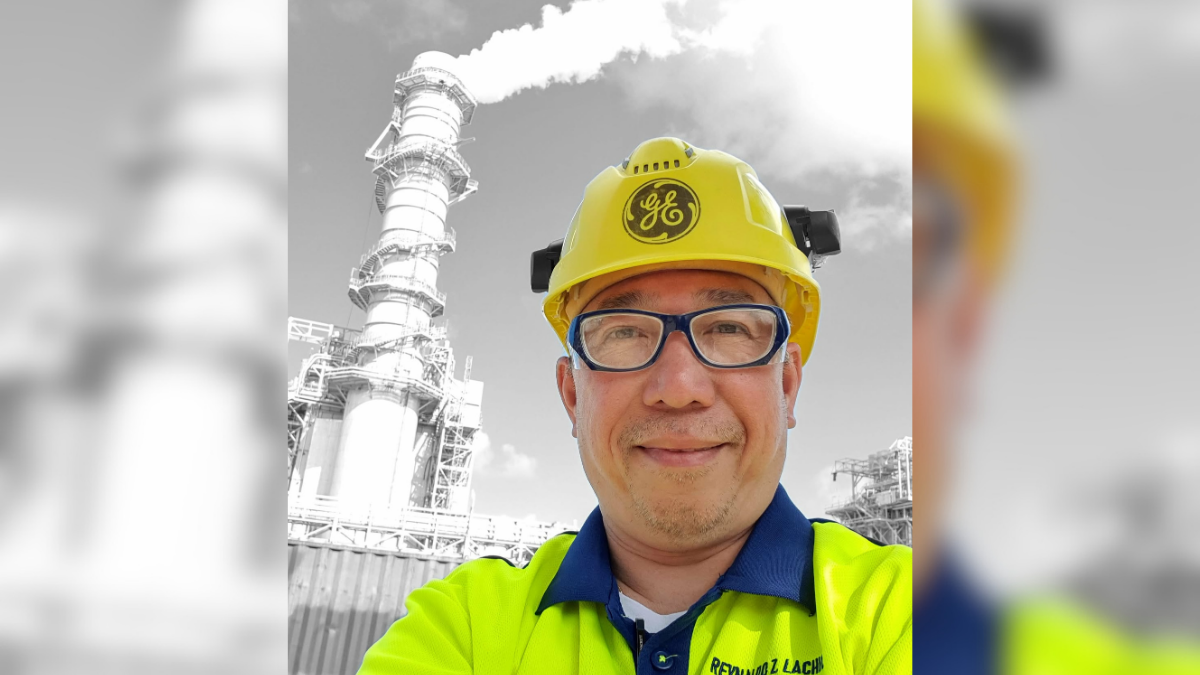

In a power plant the size of a small town, with turbines spinning toward a quarter of a million horsepower and thousands of homes waiting on the other end of the wire, the entire start-up can hinge on one person reading the chemistry right. That person is rarely seen and almost never named in the brochures. In several of the world’s newest power stations, he has been a 56-year-old chemist from Pandacan, Manila named Reynaldo Zaragosa Lachica.

He calls himself, only half-joking, the modern lighthouse keeper. On most of his projects there is exactly one chemist trusted to lead the start-up of the water and steam systems, and for the better part of three decades that chemist has been him, working alone, often the only Filipino on site, in countries where the nearest familiar face is a flag he packs in his luggage.
The youngest who chased the questions
The story does not begin in a control room. It begins in a public school in Manila, in a family of eight children, with the youngest one who could not stop entering quiz bees.
“I’m the youngest in the family of 8 children, who’s the very keen education enthusiast in our family,” Lachica says. He moved through Bagong Barangay Elementary School and Manuel A. Roxas High School collecting wins in subjects that read like a map of his future career — Philippine and world history, biology, and the hybrid contests Manila students still remember, CheMaPhy and BioCheMatics. “Those competitions moulded me as a potential Chemist, Scientist, and Engineer in my future career,” he says.
A chemistry degree from Adamson University followed, finished in 1992, and then the unglamorous apprenticeship that real careers are actually built on. Through the 1990s he moved between contractual jobs as a laboratory technician, inspector, and chemist at Caltex, Pilipinas Shell, Mobil, SGS, and Komatsu — learning the process chemistry of petroleum and lubricants one shift at a time. The turn came in 1998, when he joined the 735-megawatt Pagbilao coal-fired power plant in Quezon, then the largest thermal station on Luzon. It was there, surrounded by online analysers and water-treatment systems, that the general chemist became specifically a power plant chemist. The grounding would carry him across seven countries.
One chemist, eight thousand megawatts
In January 2002 he became an OFW, hired as a senior inorganics chemist in Llandudno, North Wales, analysing water with instruments most people will never hear of — inductively coupled plasma, flow chromatography, vapour distillation. Five years in, permanent residency opened the door to plant work proper, and in 2006 he moved to the 1,000-megawatt Barking gas plant in East London. After that the assignments read like a tour of the global energy industry: King’s Lynn, Marchwood, Carrington, the Isle of Grain and an Oldbury nuclear site in Britain; Hadera in Israel; Landivisiau in France; Ptolemaida in Greece; Axapusco in Mexico; and most recently Jacqueville in Ivory Coast.
Add it up and Lachica has worked on power projects totalling roughly 8,885 megawatts of generating capacity across the Philippines, the United Kingdom, Israel, Mexico, France, Greece and Ivory Coast — enough, by his reckoning, to power seven to eight million homes. His clients have included the so-called Big Three of power equipment: General Electric, Siemens Energy and Mitsubishi Power Europe.
He resists making it sound heroic, reaching instead for the kitchen. “My role is like a chef in a restaurant kitchen to cook the best food,” he says. “As a power plant chemist, I analyse the production of the purest steam that will run the steam turbine that eventually will generate the electricity.” Strip a power station down to its essence and that is the job: water so pure it leaves no trace of corrosion or contamination behind, steam clean enough to turn a turbine the size of a locomotive without slowly destroying it.
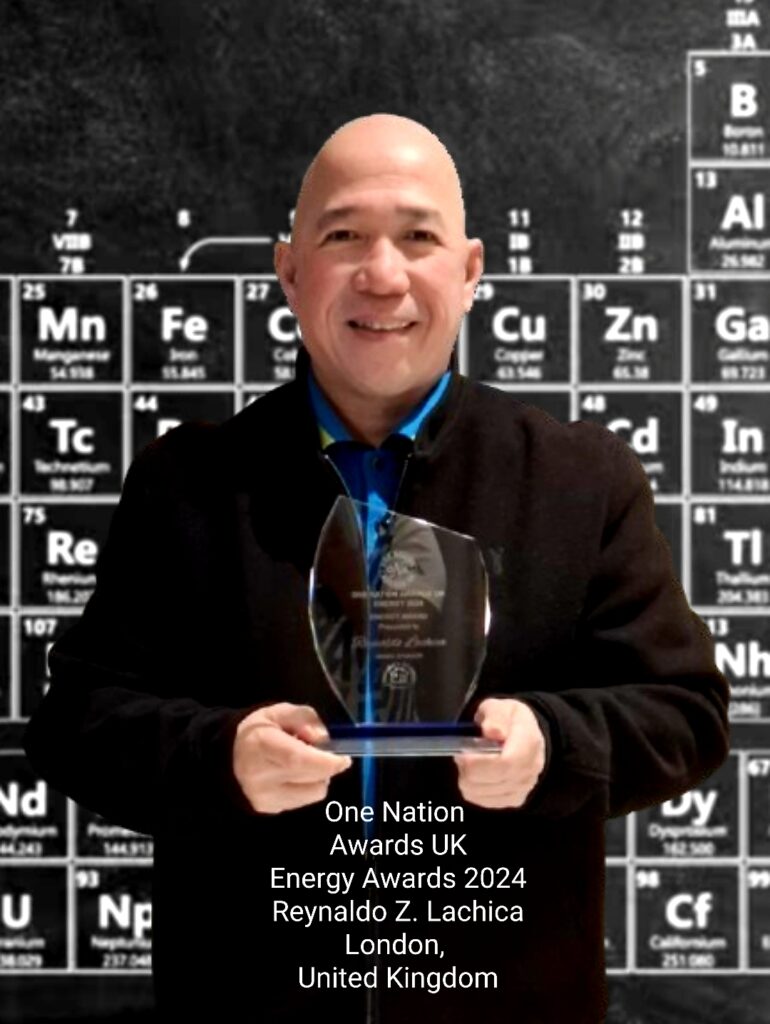
The work earned him the highest professional marks his field offers. In 2012 the UK’s Royal Society of Chemistry conferred the status of Chartered Chemist, and that same year he became a Chartered Scientist — credentials that, as he puts it, “represented the chartered mark for all scientists, recognising high levels of professionalism and competence in chemistry and science.” In 2023 the Society wrote to mark his twentieth year of membership.
The instrument that changed a start-up
Ask him for the single moment that stands out, and he does not pick a country or an award. He picks an instrument.

In June 2009, at King’s Lynn power station in England, Lachica pushed for the installation of degassed conductivity meters to monitor water and steam online — a then-novel way of confirming that steam was clean enough to release into the turbine. It sounds technical to the point of invisibility, and that is exactly the point. The change let operators start the plant faster and with more confidence that the steam was free of the soluble and insoluble contaminants that quietly eat machinery alive. “I’ve pioneered the use of new Degassed Conductivity Meter at King’s Lynn Power Station as a new steam quality criterion for the released of Steam Turbine,” he says. The work brought a nomination in the company’s 2010 awards under, fittingly, the Pioneering Spirit category, and a grade promotion for improving the plant’s reliability.
It is a revealing choice. Given a career spanning conflict zones and billion-dollar projects, the achievement he reaches for first is a quiet engineering improvement that made a power station a little more reliable. That instinct — that the unseen, careful work is the work that matters — runs through everything he describes next.
Staying when others would leave
Twice, Lachica’s commitment was tested by forces far larger than chemistry, and both times he chose to stay.
The first was the pandemic. He was in Axapusco, Mexico, some 60 kilometres northeast of Mexico City, commissioning the 850-megawatt EVM II combined-cycle plant as COVID-19 spread across the world. The electricity it would feed into the Mexican grid was bound for hospitals, homes and industry at the precise moment all three needed it most. He did not go home. “For 12 months, I endured the life of being away from my family and chosen to continuously work despite the pandemic health scare worldwide,” he says, of a stretch running from late 2019 into the end of 2020.
The second test was a war. On December 4, 2023, with fighting underway between Israel and Hamas, Lachica travelled to Hadera, Israel, to commission the country’s largest new power plant — the 1,260-megawatt Orot Rabin combined-cycle station, capable of supplying more than eight percent of Israel’s generating capacity. He stayed on site through the Iranian rocket attacks of April 2024. “I was never deterred by the Iranian Rocket Attacks but safely stayed in the project site location,” he says. He remained sixteen months in all, until the project finished in July 2025, when Israel Electric’s chemical and environmental department wrote him a letter of appreciation for his work through the war.
Whether to call this heroism or stubbornness is a question he seems uninterested in. The plants needed someone who could read the chemistry, and he was the someone. He stayed.
What he sends back home
For all the distance, the thread running back to Manila has never frayed. Lachica has spent years quietly funding the schools that made him — sponsoring the annual Ulirang Kabataan Awards at both his old high school and elementary school, backing Brigada Eskwela, science research projects, teacher training and the journalism students who travel to national competitions. During the pandemic he sent rice, canned goods and cash to indigent students, senior citizens and street vendors across Pandacan and Paco.
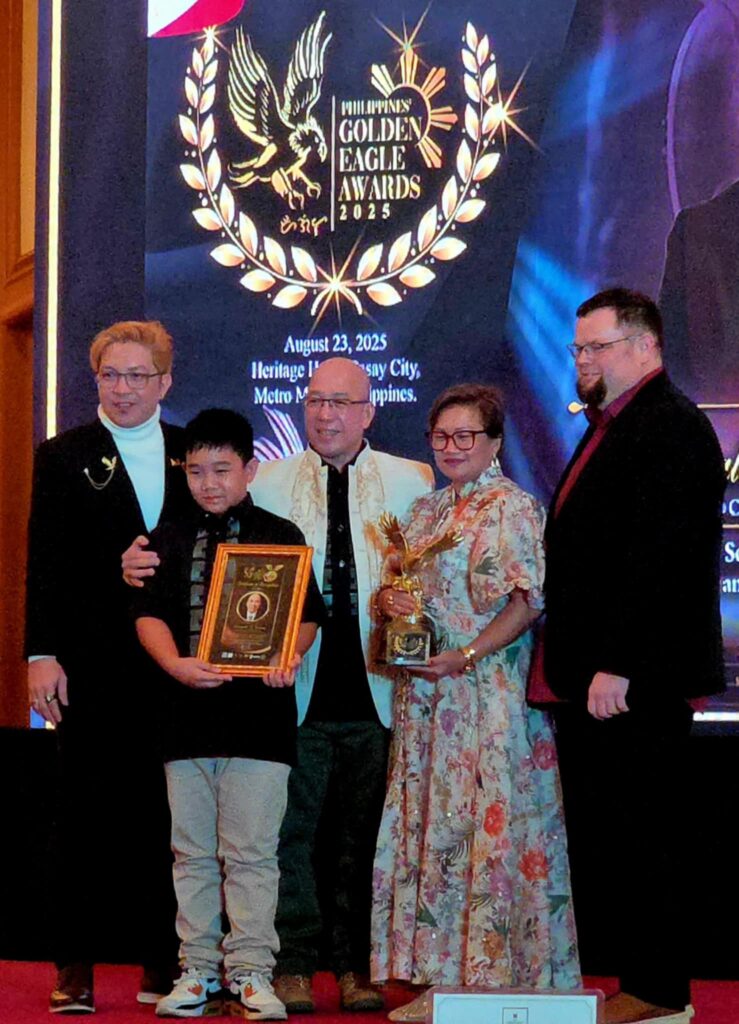
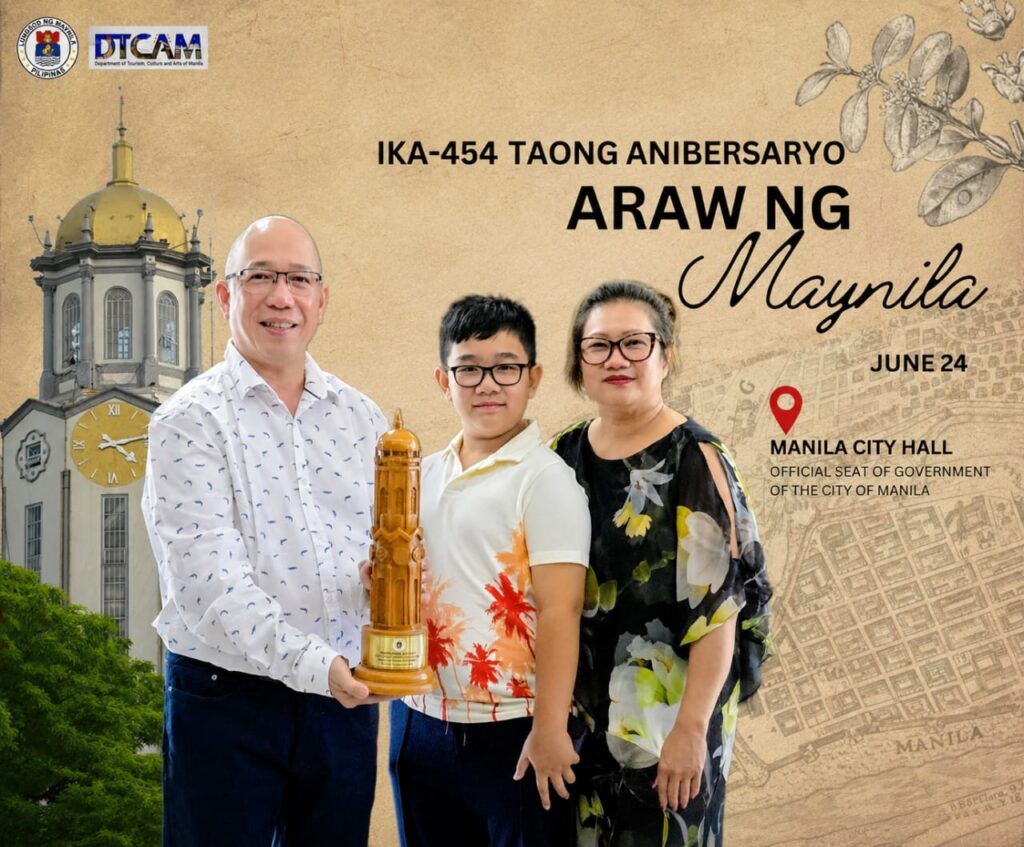
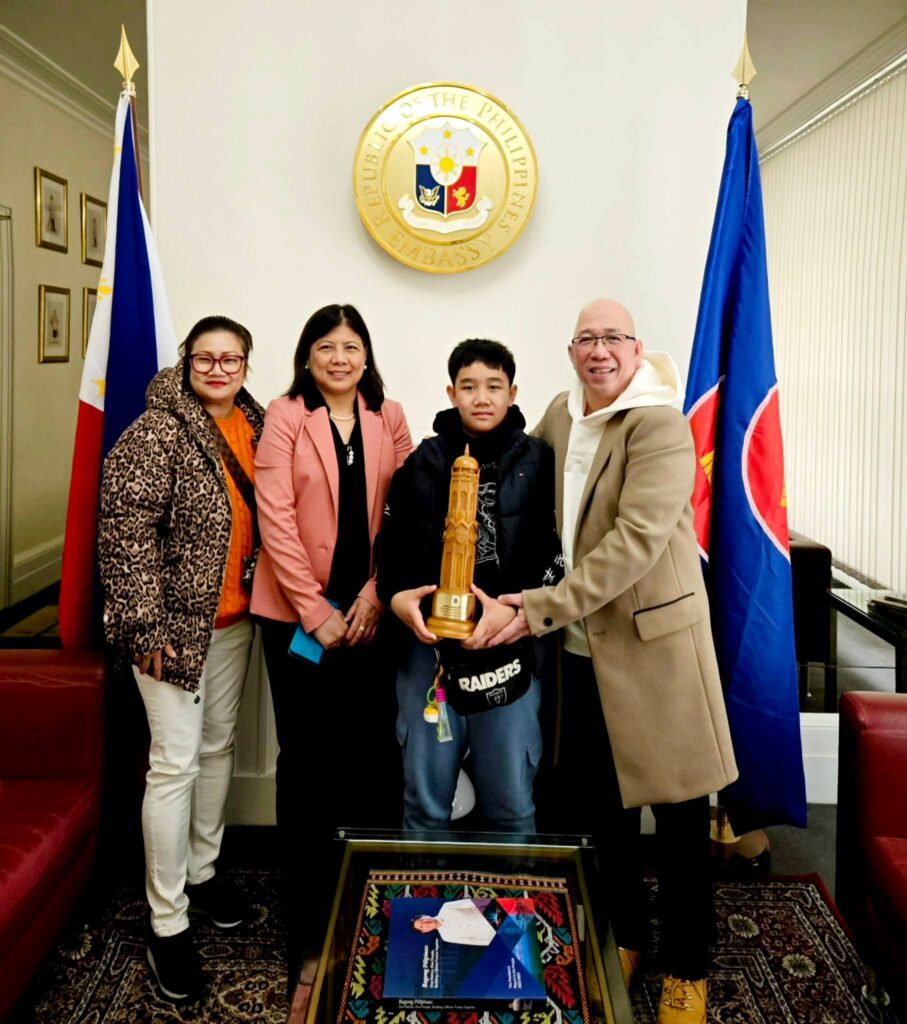
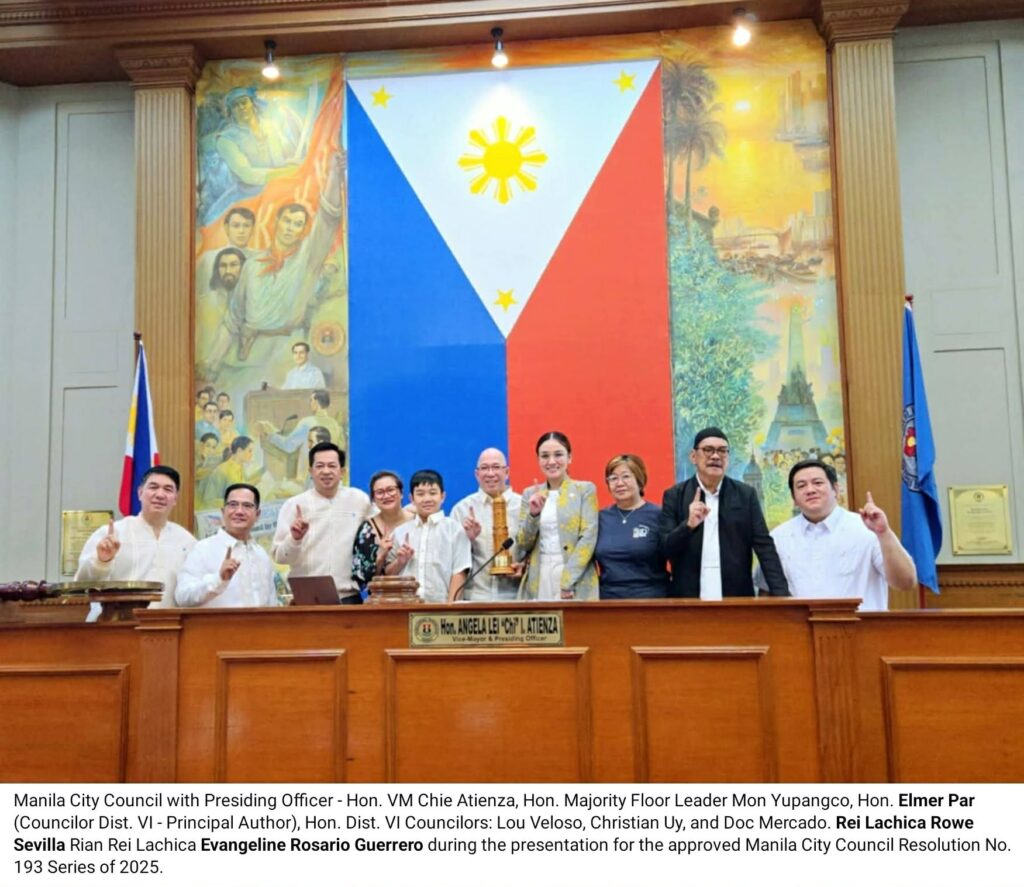
“Having achieved professional success albeit outside our own country, I see to it that I give back by inspiring and motivating young Filipinos back home,” he says. The recognition has come back in waves — a long list of OFW and community-service honours, and in 2025 a Gawad Manileño award naming him an outstanding Manileño in innovation, science and technology, later affirmed by a Manila City Council resolution congratulating him by name.
What he most wants to pass on, though, is not a trophy but a conviction. “Whatever we learnt and experienced in the Philippines, either educational or work-related, are all considered ‘at par’ with the competitive global standards,” he says. “Given the chance and right opportunities, we Filipinos will excel in everything we do no matter where we are.”
His advice to young engineers and chemists is unsentimental and earned: build strong fundamentals, get into the field early, stay disciplined and safety-focused, keep learning, stay humble. “Most importantly,” he says, “protect your professional integrity and never stop improving your knowledge, because long-term success in engineering is built on competence, responsibility, and consistent professionalism.”
It is the kind of thing that sounds like a platitude until you remember where the man saying it has been — alone in a control room in a country at war, reading the chemistry, making sure the steam was pure enough to keep the lights on for someone he would never meet. The lighthouse keeper, it turns out, has been signalling home the whole time.
