





He pictured the conversation differently every time he rehearsed it — but the doctors kept landing on the same word: disabled. Three torn ligaments, severe peroneal nerve damage, a left leg that wouldn’t respond, and a prognosis that he might never walk properly again. Michael Siervo lay there doing the math on a body that had always done what he asked. The Filipino-Canadian finance executive who had spent two decades making things happen was, for the first time, told flatly what would not.

He refused the prognosis — and the recovery that followed became the hinge of a second act few would have predicted. By his own account, Michael had already become the youngest and first visible-minority District Vice President at a major Canadian financial institution, growing assets under management from $19 million to more than $4 billion. After the accident, he kept the discipline and traded the boardroom for a different mission: the millions of Filipino digital workers no institution had bothered to take seriously.
The cost of being underestimated
Long before the accident, Michael was getting used to being underestimated. He was young, came from neither money nor connections, and rarely looked like what the industry pictured when it pictured an executive. The slights were small and routine. “I remember someone looking at me and saying, ‘Your English is amazing,’ even though I was born in Canada,” he shares with TGFM. At one early stage introduction, a voice in the audience muttered, “Wow… they’re just giving these titles away now.”

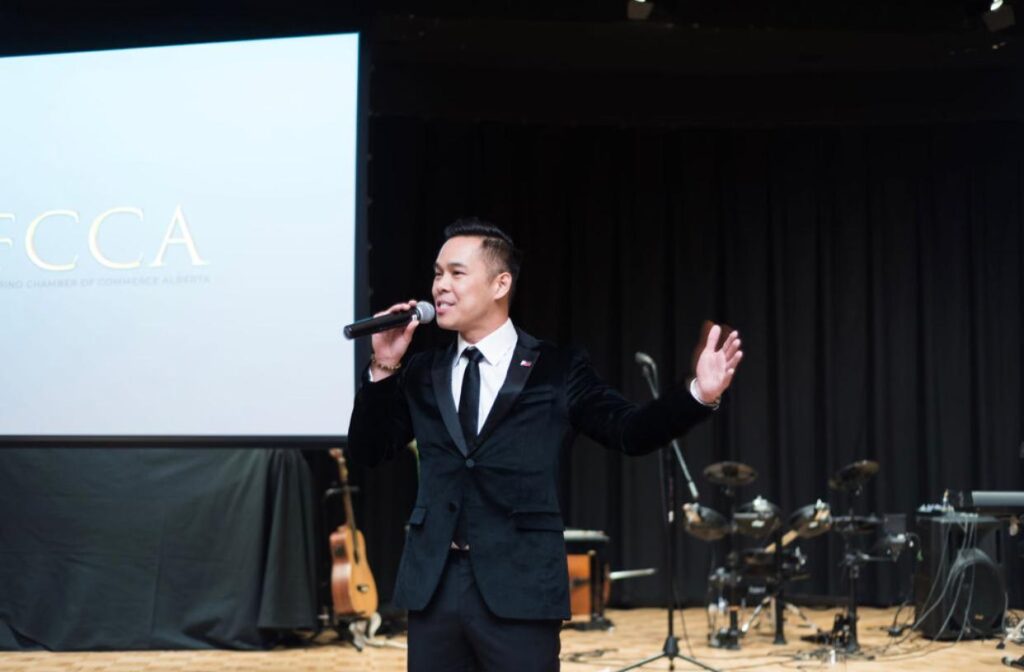
The pile-up forced a choice. “What I realized early on is that when you don’t have connections, pedigree, or instant credibility, you either shrink or you evolve,” he says. “I chose to evolve. To pivot.”
Rather than out-credential the people who doubted him, he leaned on what he actually had — and on technology the industry was slow to take seriously. He walked into meetings with early-generation iPads when colleagues were still printing decks, using digital tools and social media strategies before most of finance paid them any attention. The point was never the gadget. It was finding a way to communicate ideas differently enough that the room had to stop and look. Over time, he says, he stopped trying to fit in and started trying to become undeniable.
He frames those years now not as obstacles but as preparation. “They forced me to build confidence without validation, and competence without permission,” he says — and the lesson he keeps returning to is that a person’s background doesn’t set their ceiling. Their willingness to adapt does.
What $4 billion actually measures
Ask him about the number that anchors his résumé — $19 million in assets grown to more than $4 billion — and he resists treating it as a scoreboard. What it represents, he says, is trust and teamwork: behind every dollar was a family, a business owner, or someone handing over their financial future.

It also represents a workaround. Michael is candid that he didn’t have automatic entry to the elite downtown circles where a lot of that business gets done. “There were rooms I couldn’t get into alone,” he says. So instead of bluffing his way through, he built a team of specialists whose strengths covered his gaps, and made the work itself feel less like a transaction. He describes turning complex financial problem-solving into something almost gamified — collaborative and purposeful in an industry that can feel cold to the people on the other side of the table.
That, more than any single deal, is the leadership lesson he carried out of finance. “Leadership is not about being the smartest person in the room,” he says. “It’s about creating an environment where great people can thrive together.”
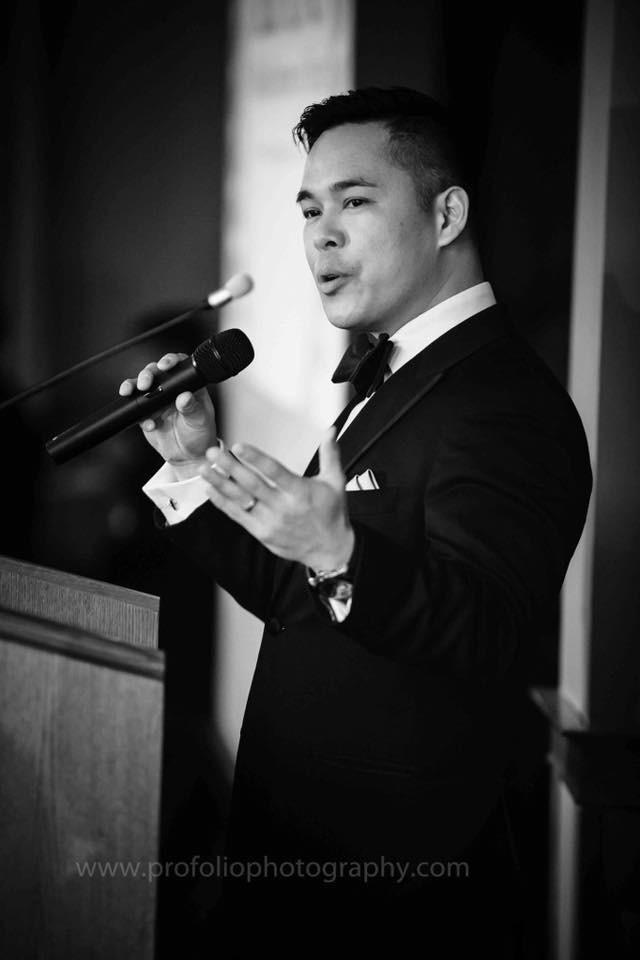


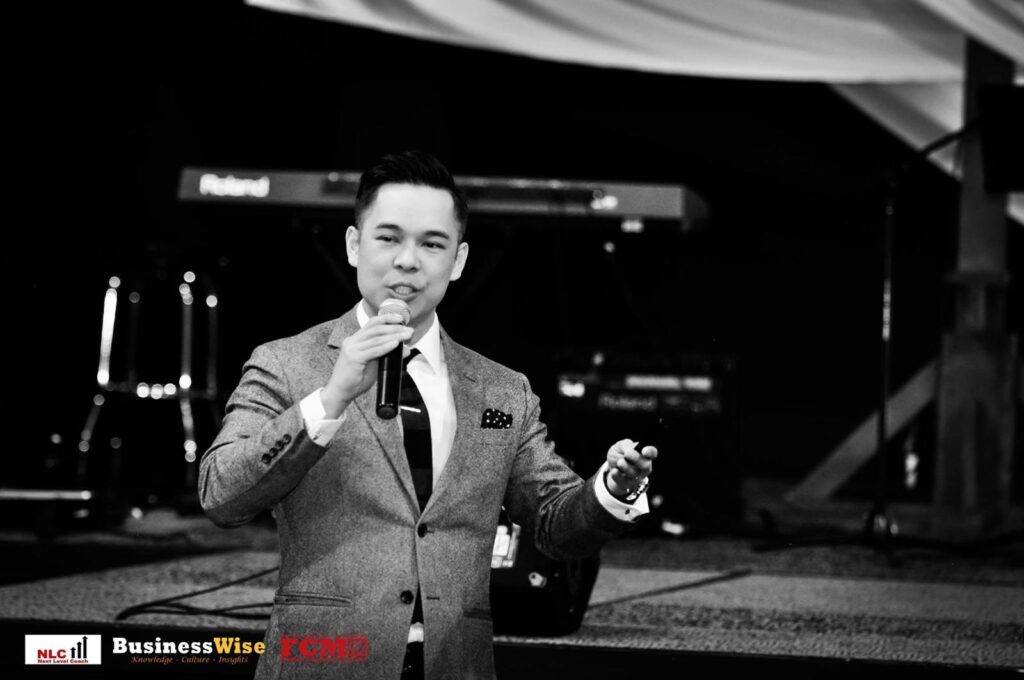
Then the accident rearranged his sense of what any of it was for. Through rehabilitation, persistence, and what he calls faith, he regained enough movement to walk, train, and run again — and the experience left him with a recalibrated relationship to ordinary things. When people grumble about having to walk somewhere, he tells them the opposite. “Wow… we GET to walk,” he says. He links that gratitude to something he sees as distinctly Filipino — the capacity to endure typhoons, hardship, and loss and still pray, smile, and move forward.
Rewriting the word “assistant”
The second act has a target, and it’s specific. Michael built the Modern Institute of Business to address a gap he says the market had simply accepted: enormously talented Filipinos competing on price instead of value, working as virtual assistants who were overworked, underpaid, and largely invisible to institutions and governments.
The shortfall, as he diagnoses it, was never ability. “The issue wasn’t talent,” he says. “What they lacked was leverage, positioning, and professional infrastructure.” His answer is to build a recognized standard — training in AI, communication, ethics, leadership, and branding — meant to close the trust gap between global employers and Filipino digital workers, and to turn a billion-dollar industry’s invisible labor force into credentialed professionals.
He starts with language, because he believes language does quiet, durable work. He’d retire the term “Virtual Assistant” in favor of “Virtual Professional,” on the theory that words shape expectations and expectations shape pay. “That shift elevates the profession… and reinforces the idea that Filipino talent should be viewed as trusted strategic partners — not cheap labor,” he says.
Underneath the enterprises — MIB, his AI-driven media agency Zilla Media, the keynote circuit, the bestselling book whose title is too blunt to print in full — sits a conviction he wants young Filipinos in Manila, Dubai, or Calgary to absorb. “I want them to believe that being Filipino is a strength, not a limitation,” he says. He has a reframing for failure, too, the kind of thing that fits on a slide but that he clearly means: FAIL, he says, stands for Found Another Important Lesson.
The man who was once told he might not walk now spends much of his year on stages telling other people not to mistake their circumstances for their ceiling. He has reasons to believe it. “Sometimes the life you want only begins the moment you stop clinging to the life you’ve outgrown,” he says — which, from someone who left a $4-billion book of business to professionalize a workforce the world had overlooked, reads less like a slogan than a description of what he did.
