



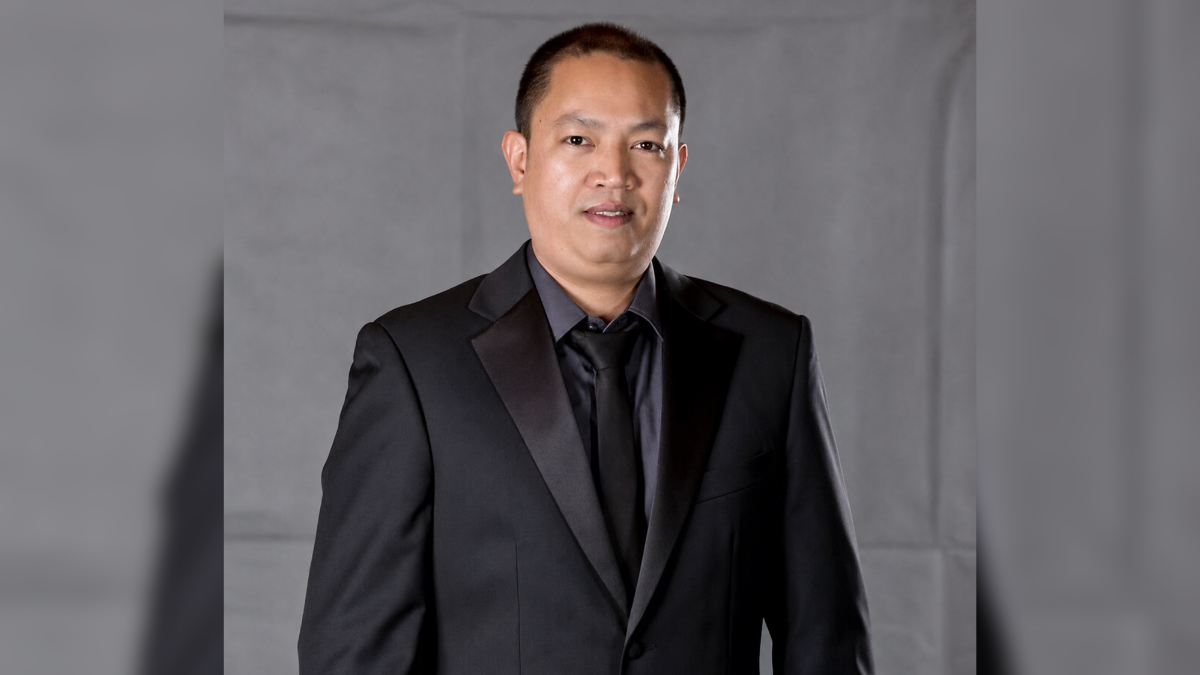

Most people walk into a mall and think about where to eat. They scan the directory, check their phones, follow the crowd. They don’t think about the ceiling heights, the sightlines, the way the corridor curves just enough to suggest something worth finding around the bend. They don’t think about the thousands of decisions — technical, aesthetic, regulatory — that conspired to make the experience feel effortless.

Arch. Carlo Magno Pablo thinks about all of it. As a Senior Retail Architect at Emaar Malls and one of the pioneer members of the company’s design team, he has spent more than two decades shaping some of Dubai’s most visited spaces — Dubai Mall, Dubai Marina Mall, Dubai Hills Mall, among others. Millions of people pass through them every year without a second thought. That, he would tell you, is precisely the point.
Pencils, paper, and a wrong turn
He started drawing before he knew what to call it. Growing up in Zambales, young Carlo sketched constantly — on paper when it was available, on walls and soil and sand when it wasn’t. Simple houses, airplanes, people. The kind of drawings a child makes when the world is still small enough to be captured in a single line.
That instinct followed him to Manila, though the path to architecture was less a decision than a detour. When he arrived to enrol in Civil Engineering, admission had already closed at every school he tried — including Manuel L. Quezon University, his last option. Architecture was the only course still accepting students.
“I took it with the intention of shifting later on,” he shares with TGFM. “But as I went through the course, I slowly realized that it aligned perfectly with what I had always loved doing since I was young.”
He never shifted. What looked like a closed door turned out to be the only one that led somewhere worth going.
Working by day, studying by night
University, however, was not a clean story of discovered purpose. From his second year through graduation, Carlo worked to support himself and contribute to his family’s needs alongside his mother and siblings. His first apprenticeship, under one of his college professors, paid ₱30 a day. When that wasn’t enough, he moved to another employer — earning somewhere between ₱6 and ₱9 an hour, by his recollection — and worked by day while attending school at night.
“The most important lessons those years taught me were perseverance and passion,” he says. “As long as you love what you do, you should never stop pursuing your dreams.”
There is no nostalgia in how he says it. It reads less like a motto than a conclusion drawn from actual experience — the kind that gets tested and retested over years before it holds.
Stepping into the heat
Carlo landed in Dubai in 2004, at a moment when the city was still mid-construction on its own ambitions. The skyline was rising fast, the roads were being laid, and an entire urban vision was taking shape in real time.
His first impression was complicated. There was wonder at the scale of it — the towers, the cleanliness, the sense that something enormous was happening — and then there was the heat. Stepping out of the airport, he remembers, he genuinely wondered whether he could survive it.
“Like many OFWs, my original plan was simple — to complete my contract, save money, and return home to start a new life.”
That plan did not survive contact with Dubai itself. As months became years, the city became familiar, then indispensable. He found a community, a career trajectory, and eventually, a family. “Dubai slowly became more than just a workplace,” he says. “It became home.”
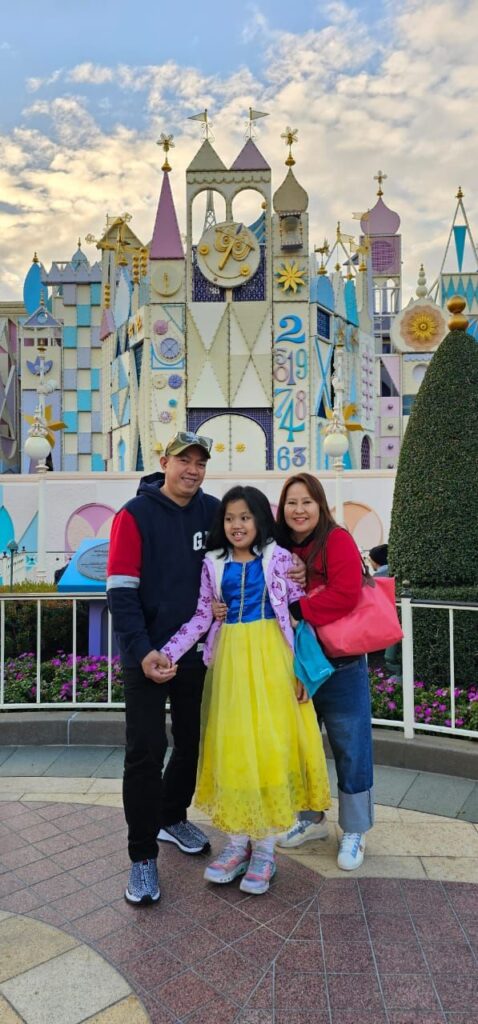
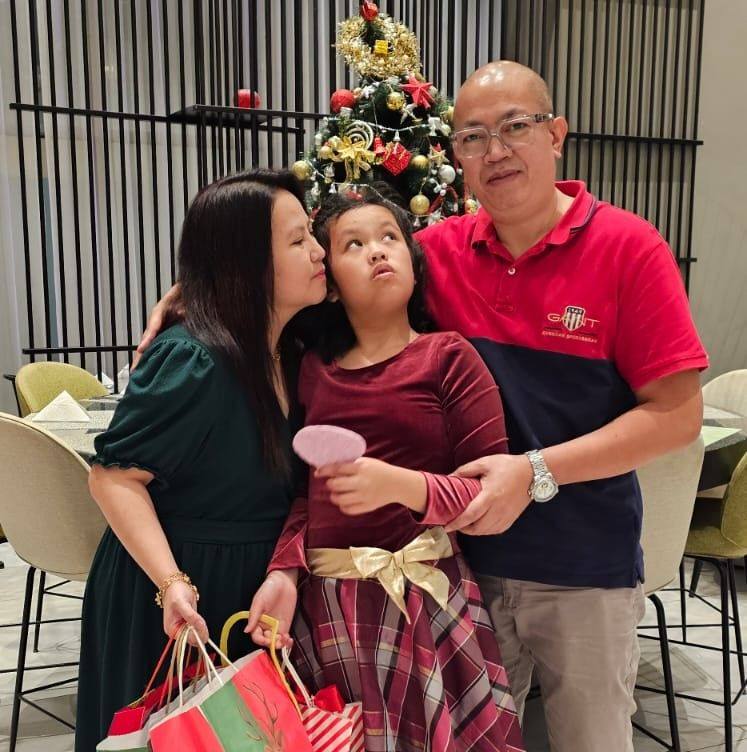
More than twenty years later, he is still here.
What a mall is really for
Ask Pablo what makes a great retail space and he does not begin with aesthetics. He begins with people.

A well-designed mall, in his view, is one that feels intuitive — where movement is effortless, where a visitor never feels lost, where the layout does the navigating so the person doesn’t have to. The technical foundations matter too: local regulations, international health and safety standards, quality of materials, the standard of finishes in flagship stores. But the technical is in service of something more human.
“It’s no longer just about shopping,” he says, “but about how people feel while they are inside the space. A well-designed mall should feel welcoming, balanced, and memorable — a place where people choose to stay, not just pass through.”
When he walks through Dubai Mall or Dubai Hills Mall today, he does so quietly. He watches. He observes how people move through the space, how they linger, how they gather. There is pride in those moments, but also, he is careful to note, humility. He is one part of a large team. The achievement is shared.
“Knowing that something I contributed to is being experienced by millions of people every day is something I’m truly grateful for,” he says. “In my own way, I was able to contribute to something meaningful and lasting.”
He also takes quiet pride in another dimension of that contribution. As a Filipino architect embedded in projects that define Dubai’s commercial landscape, he sees himself as part of a larger proof: that Filipino professionals belong at the table where world-class spaces are designed.
“Our goal is to create the best of the best malls in the world,” he says, “and I am proud that professional Filipino architects are part of these achievements.”
The blueprints no one sees
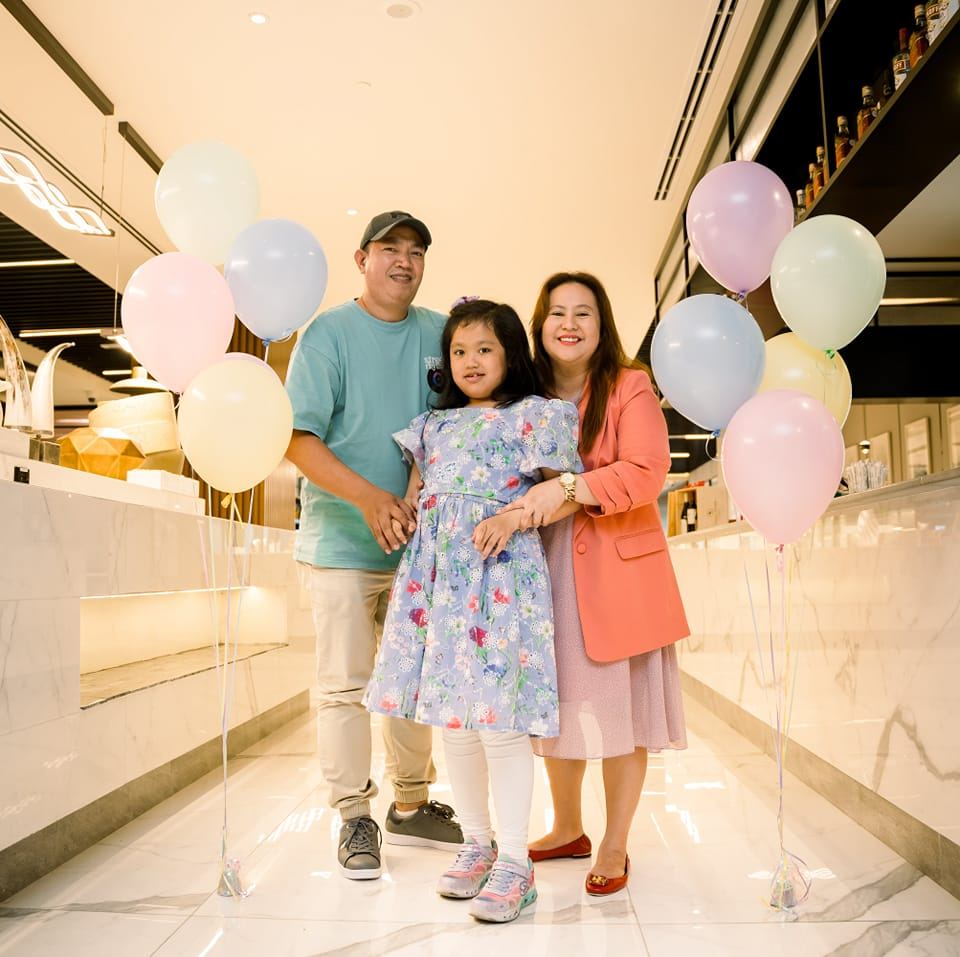
Away from the drafting table, Carlo Pablo’s most important work is less visible but no less deliberate. He is a father to a neurodivergent child — a role that has, by his own account, remade him in ways his career never could.
“It has taught me patience, understanding, and unconditional love on a deeper level,” he says. “It reminds me every day that progress is different for every child, and that’s okay.”
For OFW parents navigating similar circumstances from across the world — without the proximity of extended family, without the informal support networks that make caregiving less isolating — he speaks with the directness of someone who knows that landscape from the inside.
“You are not alone. Your presence, love, and consistency make a big difference in your child’s life.”
He is specific, too, about what that support looks like in practice: showing up for medical treatments, therapies, school interventions. Doing whatever is required, consistently, even when the results are slow or uncertain. “As parents, we must give our full support to our child’s needs at all costs,” he says, “to help shape their future and prepare them to stand on their own.”
That sense of long-term responsibility — building something that will outlast you, that will stand on its own — echoes, perhaps not coincidentally, the philosophy he brings to architecture.
For the ones still drawing
As a member of the UAP Dubai Chapter, Carlo remains connected to a community of Filipino professionals navigating careers in the same city that once surprised him with its heat. He values that connection — the shared knowledge, the mutual support, the continuity of belonging to something beyond a job title.
To young Filipino architects considering the same journey, his advice is grounded and unhurried.
“Stay patient and committed to your craft. Success does not happen overnight. Continue pursuing your dreams with passion and dedication.”
And then, the part that matters most to him: “Never forget the importance of family. We are here not only to build successful careers, but more importantly, to support our loved ones and give them a better life and a brighter future.”
He has been building in Dubai for more than twenty years now — malls that millions walk through, a family that he is present for, a career that still feels like the right fit. None of it was exactly planned. The course he enrolled in almost wasn’t his. The city he ended up in almost wasn’t his destination. But somewhere in between the sketches on soil and the blueprints for billion-dollar retail destinations, Carlo Magno Pablo found the life he was always drawing toward.
