



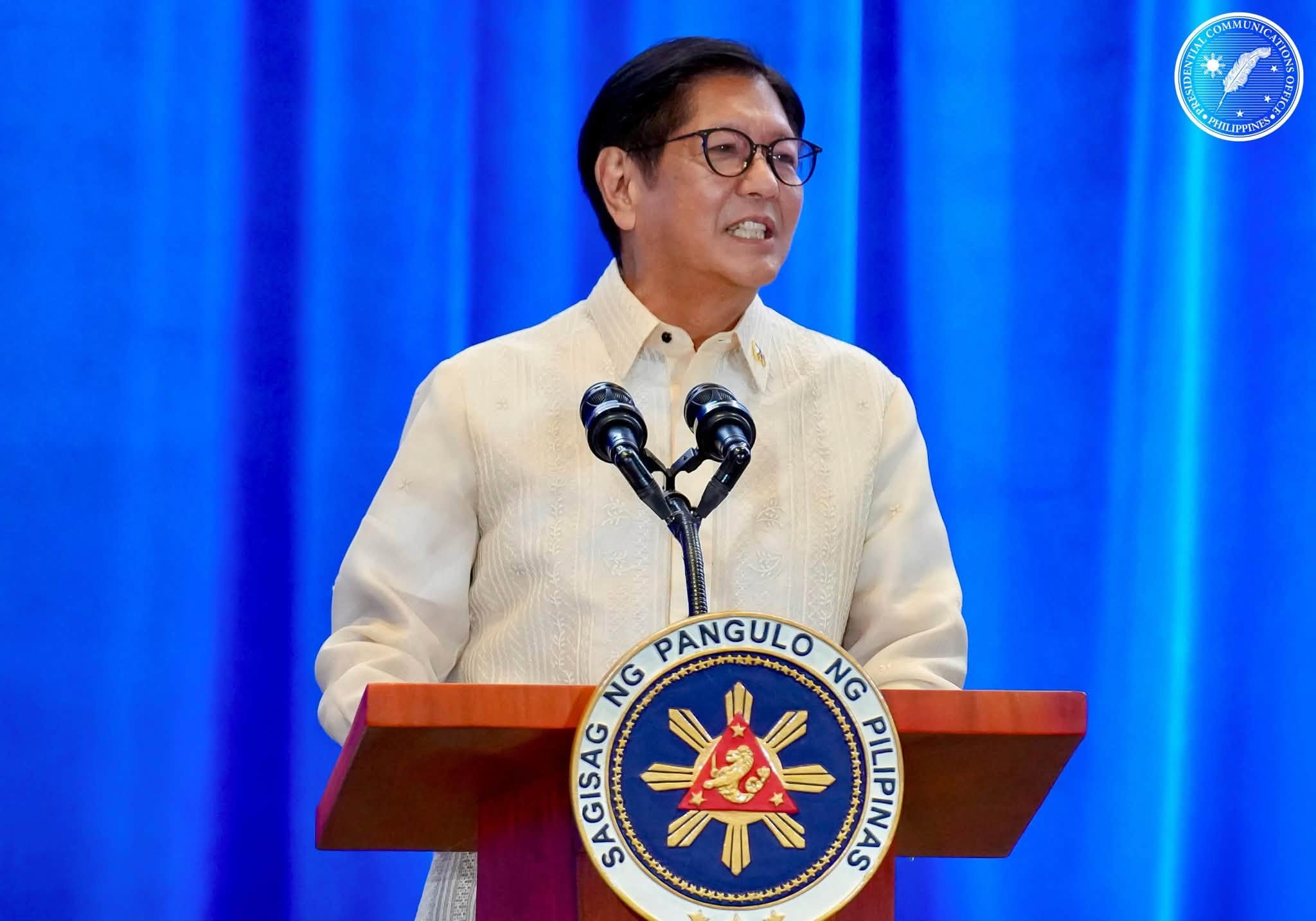

Canadian companies operating in mining, critical minerals, energy, services, and the IT-BPM sector agreed to pour a combined $2.5 billion into the Philippines, President Ferdinand Marcos Jr. announced as he wrapped up a four-day working visit to Vancouver on Saturday, Canada time.

The figure emerged from a series of roundtable talks with Canadian executives, among them B2Gold Corporation, OceanaGold Corporation, Telus Corporation, and NQX, all of which signaled plans to grow their footprint in the country. Marcos framed the pledges as proof that the Philippines has become a credible base for firms looking to spread their operations across the Indo-Pacific.
At the center of the trip was a decision by Manila and Ottawa to raise their diplomatic relationship to the level of a strategic partnership. “Ushering in a new chapter in our ties with Canada, Prime Minister Carney and I announced the elevation of Philippine-Canada relations to a strategic partnership,” Marcos said. He characterized the upgrade as both an acknowledgment of decades of close ties and a template for expanding cooperation going forward.
“This move, while reflective of the deep and strong bilateral relations that we have developed with Canada, also catalyzes our next steps towards the new phase of our relations in ensuring the sustained and dynamic growth of our bilateral ties,” he added.

To carry the partnership from announcement to practice, Marcos instructed Foreign Affairs Secretary Maria Teresa Lazaro to coordinate with her Canadian counterpart, Anita Anand, on a joint action plan. “I have tasked the Secretary of Foreign Affairs, Maria Teresa Lazaro, to work together with Canadian Foreign Minister Anita Anand to create a plan of action focusing on joint initiatives that will help both our countries adapt to shifting global realities, address shared challenges, and build capacities for future-ready partnerships,” he said.
The President tied the investment momentum to trade negotiations already underway between the two governments. “Thus, it is already timely that we presently are negotiating a free trade agreement with Canada, which we hope will further strengthen our economic cooperation once it enters into force,” he said, adding that he hoped a parallel ASEAN-Canada trade pact could be finalized within the year.
Marcos also welcomed Ottawa’s entry into the Luzon Economic Corridor, where Carney pledged an initial two million Canadian dollars toward infrastructure, supply chain, and clean energy work. A Joint Declaration of Intent on Energy and Natural Resources Cooperation was signed during the visit, aimed at reinforcing energy security and building more resilient supply chains, alongside separate agreements touching on labor and migration, tourism, and culture and the arts.
On regional security, Marcos thanked Canada for backing a rules-based order in the South China Sea. “I also thank Prime Minister Carney for Canada’s vocal and consistent support in upholding the rule of law in the South China Sea, particularly based on Unclos and the 2016 Arbitral Award,” he said. With the ruling marking its 10th anniversary this year, he urged Ottawa to keep pressing for its recognition as a settled legal standard.
