



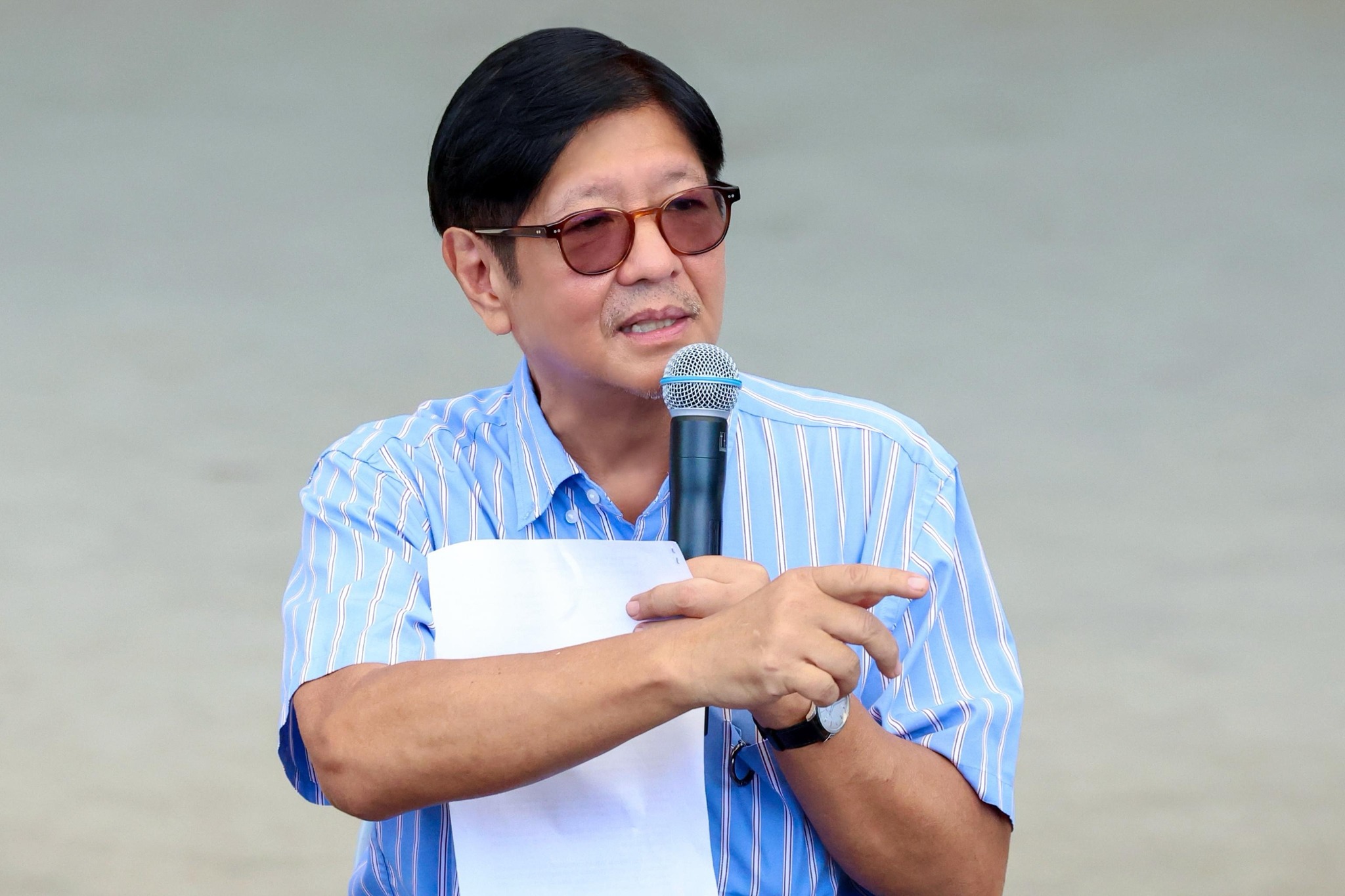

President Ferdinand Marcos Jr. called on bus operators Tuesday to work alongside the government in shielding commuters from escalating fuel costs, as his administration began distributing P10,000 cash subsidies per bus unit at the Paranaque Integrated Terminal Exchange.

Twenty-seven operators running a combined fleet of 1,096 buses received the assistance during the event, which Marcos attended alongside Transportation Secretary Giovanni Lopez. The two also conducted an inspection of PITX facilities during the visit.
While multiple payment channels are being accepted, the president made clear his preference for digital transactions. “But perhaps it’s more convenient, easier and more practical if, as much as possible, we use digital payment,” he said. Operators unwilling to go cashless, however, will not be turned away. “There are still some who really prefer not to go digital. That’s also fine. They can issue a check, and if really necessary, even cash is still allowed,” Marcos added.
The subsidy rollout comes as oil firms are set to impose another double-digit price hike, with diesel projected to hit P120 per liter starting Tuesday — a development Marcos acknowledged directly. “We all know what’s happening — the price of oil is changing all over the world,” he said, framing the cash aid as the government’s direct response to that pressure.

He appealed to operators to do their part. “Please help us so that our riding public will not have too much difficulty, first of all, and won’t be too heavily burdened by fares,” Marcos said. “We are always in need of assistance, support, and cooperation from the operators, the drivers — the entire system,” he added.
On the mechanics of the program, Marcos said the administration is focused on keeping distribution orderly. “We are now providing a 10,000 subsidy for each bus unit. Then for the method of payment, all kinds of payment methods are allowed,” he said.
The broader national rollout is scheduled to begin April 6, according to a presidential vlog released ahead of Tuesday’s event.
