



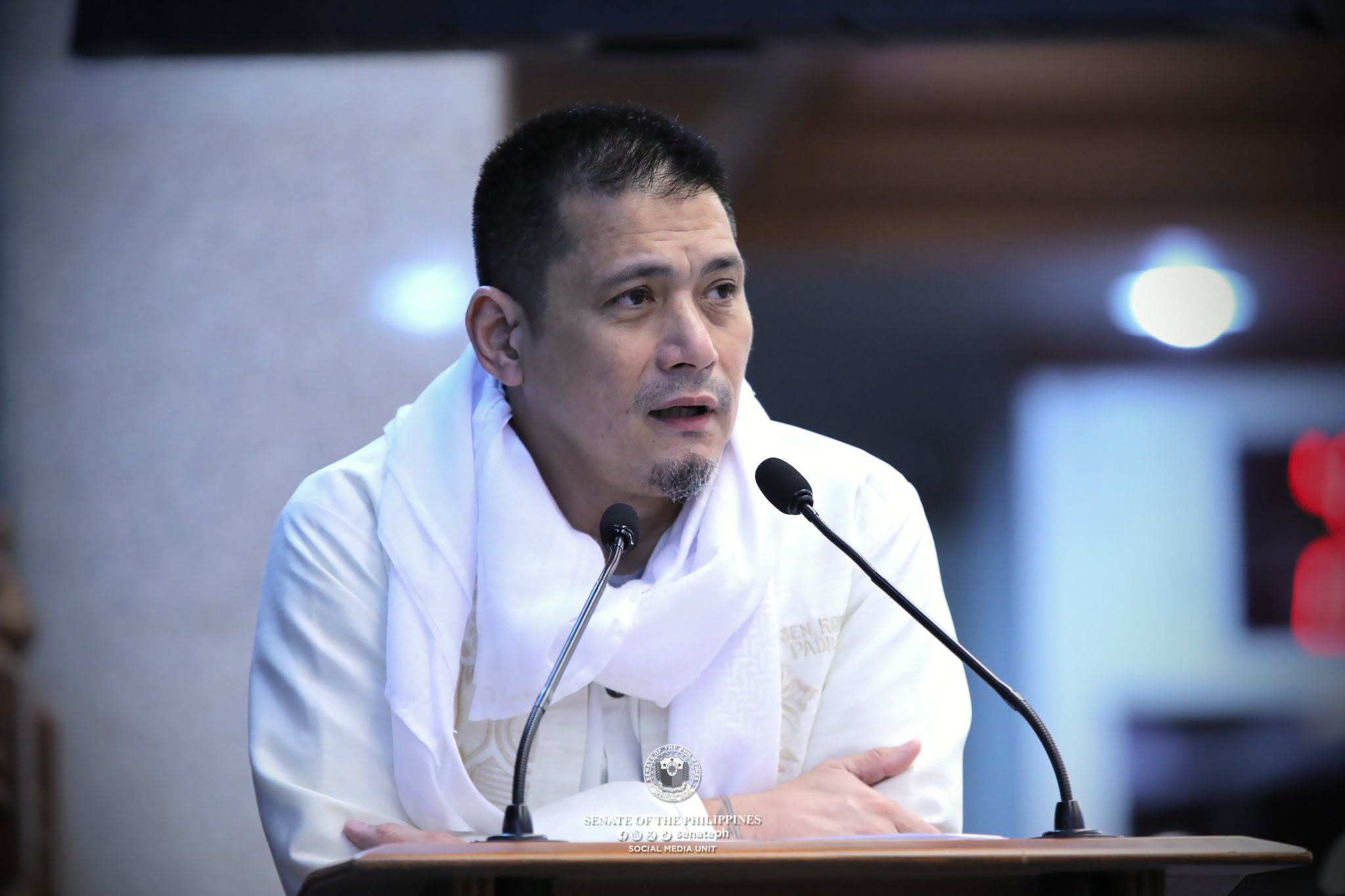

The Liberal Party of the Philippines pushed back this week against Senator-Judge Robin Padilla, telling him that the pseudonyms Filipino revolutionaries adopted served an entirely different purpose than the questionable names now under scrutiny in Vice President Sara Duterte’s impeachment trial.

Addressing Padilla directly in a Filipino-language message posted online late Wednesday, the party laid out a roster of figures from the independence struggle and the names they went by: Jose Rizal wrote as Dimasalang, Andres Bonifacio as Agapito Bagumbayan, Emilio Jacinto as Pingkian, Marcelo H. del Pilar as Plaridel, Antonio Luna as Taga-Ilog, and Emilio Aguinaldo as Magdalo. Benigno “Ninoy” Aquino Jr., the party noted, traveled under the name Marcial Bonifacio.
The party said it took no issue with any of that. “There is no issue with them having aliases. Many of them used pseudonyms while writing, organizing, and fighting for the freedom and independence of the nation,” the group said, framing the cover names as tools of a liberation movement rather than instruments of concealment.
What separated those men from the present controversy, the party argued, came down to two questions it posed pointedly: Did any of them hide behind an alias to collect confidential funds? Did any sign acknowledgment receipts for public money under a false name? The heroes cloaked their identities while resisting colonial rule, the party said, not to evade accountability — a distinction it called the whole of the matter.
The rebuke followed an extended exchange on the trial’s 19th day, when Padilla, a Duterte ally in the Senate, used National Heroes Day to press private prosecutor Mae Divinagracia on whether she recognized a string of revolutionary code names. According to Inquirer, he ran through aliases including Dimasalang, Siling Labuyo, Taga-Ilog, Magdalo, Leon Kilat, Lakambini, Alipato, and Liwanag, and invoked the Katipunan along with the betrayal by Teodoro Patiño that exposed the secret society to Spanish authorities.

Divinagracia acknowledged familiarity with some of the names but drew a boundary Padilla resisted, telling the court that the country was under armed foreign occupation when those pseudonyms were in use. When Padilla countered that communist insurgents today likewise operate under aliases, she maintained that internal conflict is not the same as war. He held that both carry a clear and present danger.
The senator’s argument leaned heavily on the idea that genuine covert work obliges operatives to shield their real identities. Earlier in the questioning, he had asked OVP Assistant Secretary Lemuel Ortonio whether aliases were suitable in handling confidential funds; Ortonio declined to answer categorically, saying such activities are sensitive and that the governing Joint Memorandum Circular is silent on how names should appear on payment records.
The names at the heart of the dispute emerged from the prosecution’s effort to account for confidential money released to the Office of the Vice President. Among the recipients listed on acknowledgment receipts were figures such as Mary Grace Piattos — a combination lawmakers flagged as pairing a coffee-shop chain with a potato-chip brand — along with variations like Renan Piattos and other unusual entries including Andy Lim and Alejandro Pikit.
Senator-Judge Bam Aquino, Ninoy’s nephew, intervened to correct the record on his uncle’s inclusion in Padilla’s list. “Tama, si Ninoy Aquino, may alyas para makauwi siya sa Pilipinas noong nasa Boston siya, pero wala siyang confidential funds,” Aquino told the court, drawing the line between a passport name used to come home from exile and a signature on a liquidation document. He added that his uncle held no acknowledgment receipts tied to any confidential fund.
For its part, the prosecution has been careful about how far it will go on the aliases. Its lawyers clarified in open court that they never asserted the recipients’ names were merely pseudonyms, noting that even the defense had not characterized the informants that way — a position that leaves the identities formally unresolved even as the receipts remain a central pillar of the case against Duterte.
