



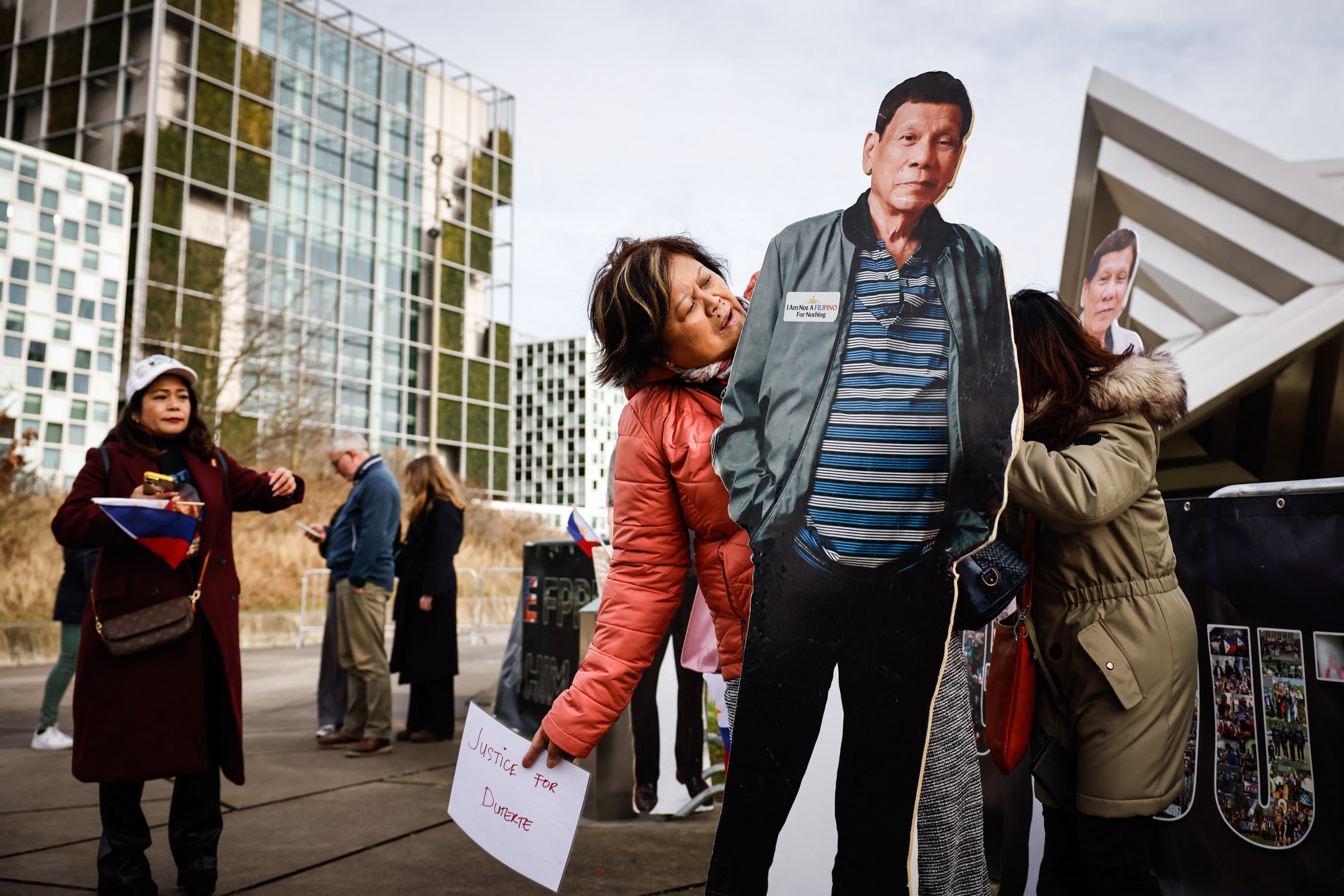

Prosecutors at the International Criminal Court are pushing for an aggressive timeline in the case against former president Rodrigo Duterte, proposing that trial proceedings open on Nov. 30, 2026 — a schedule they say would rank among the swiftest in the court’s two-decade history.

In submissions filed before Trial Chamber III ahead of a May 27 status conference, the Office of the Prosecutor said it expects to wrap up all pre-trial preparations, including witness identity disclosures, translations, transcriptions, expert reports, and the bulk of evidence disclosure, by Sept. 30, 2026. That would leave a roughly two-month gap before opening statements.
Prosecutors acknowledged the pace is exceptional, noting in their filing that “with the exception of the Al Mahdi case, which was subject to a plea agreement, the proposed timeframe would result in this being one of the fastest cases to go to trial following the decision on the confirmation of charges.”

The Al Mahdi case they referenced involved Ahmad Al Faqi Al Mahdi, a member of the extremist group Ansar Eddine with ties to al Qaeda, who was charged over the destruction of UNESCO-listed cultural heritage sites in Timbuktu, Mali. His trial opened and closed within three days in August 2016 — just months after charges were confirmed in March of that year — because he entered a formal guilty plea, the first in ICC history since the court’s founding in 2002. He was sentenced to nine years in prison on Sept. 27, 2016.
Duterte’s situation differs significantly. He faces crimes against humanity charges tied to killings carried out under his administration’s “war on drugs,” which the prosecution alleges formed part of a widespread and systematic attack on civilians. He has given no indication of intending to plead guilty.
The prosecution said the compressed disclosure schedule was designed to head off complications, stating it was necessary to “prevent problems arising during the trial which could cause delay.”
