



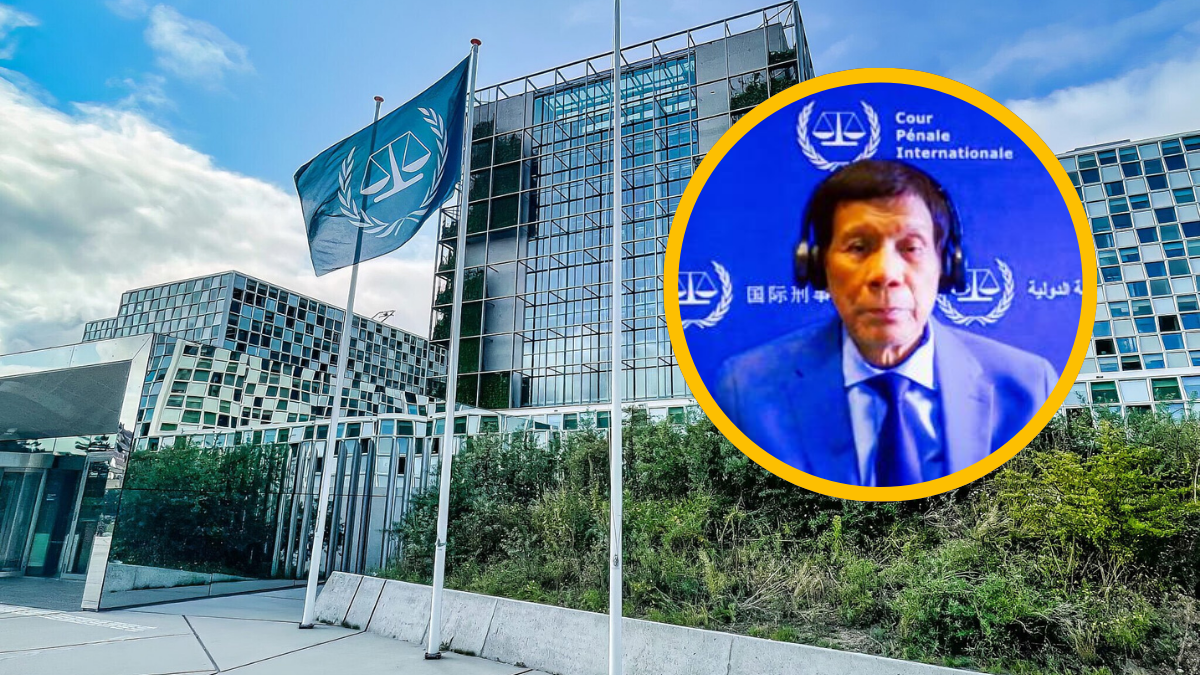

Communities in the Philippines whose members are listed among the victims in the case against former president Rodrigo Duterte will be able to follow the start of his crimes against humanity trial in a language they understand, after the International Criminal Court instructed its registry to put interpretation services in place.

The directive came from Presiding Judge Joanna Korner of ICC Trial Chamber III, who told the registry to handle the arrangements ahead of the trial’s opening on Nov. 30. Her reasoning centered on accessibility for audiences back home. “I think it’s important that opening statements can be understood by those in the Philippines,” she said.
That outcome was driven in part by an argument raised early in the proceedings. Senior trial lawyer Julian Nicholls used the opening of the conference to call for interpreters to be brought on immediately, arguing the trial should reach viewers in Tagalog and other local tongues rather than English alone. He pointed out to the bench that residents of the areas the alleged victims come from “do not have a good command” of English, even though the language is widely used elsewhere in the country.

Nicholls framed the matter as one of public reach. “There’s a lot of interest in this case in the Philippines and having it not broadcast – I know that’s not the main point and we don’t always do that – but it would be much better for the population and the victims and people interested in this case if it could be broadcast in Tagalog or the other languages,” he told the chamber.
A timing question complicated the request. The registry, which manages the court’s administrative work outside the judicial process, had floated a January start so its staff would have enough runway to recruit and prepare interpreters. Korner pushed back on the idea that this would be difficult, observing that legal proceedings in the Philippines are typically conducted in English — a point she suggested should ease the task of locating and training suitable interpreters.
Korner’s decision to fix the Nov. 30 date carries one condition: it stands only if the former president is determined fit to undergo trial.
