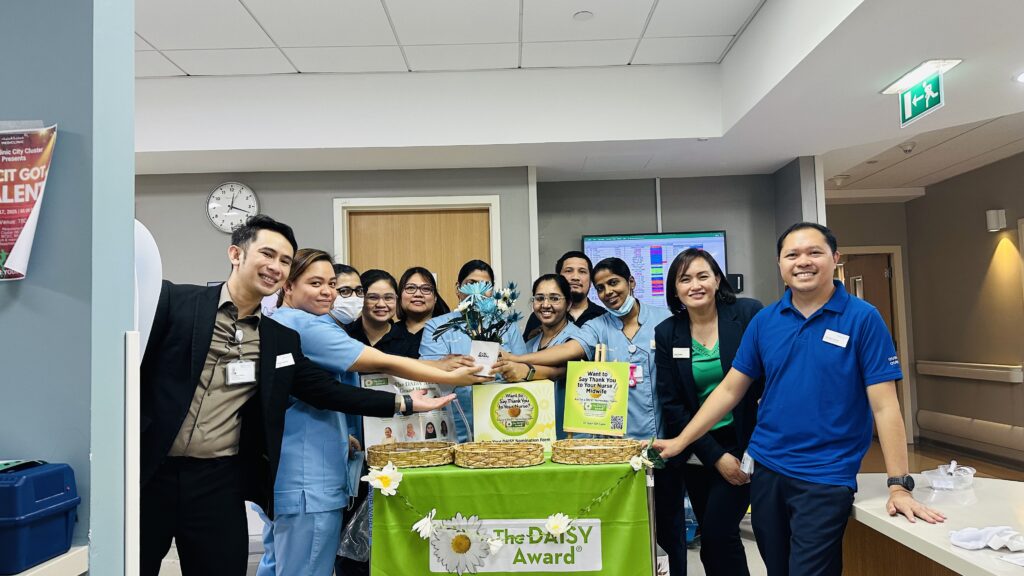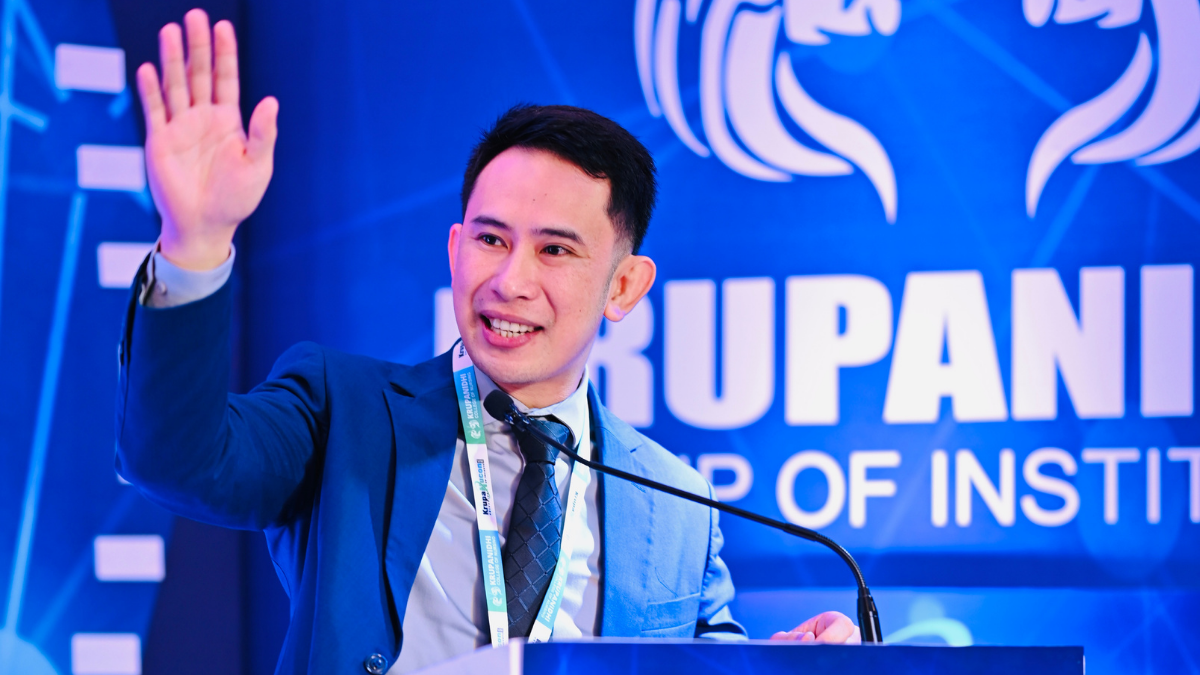

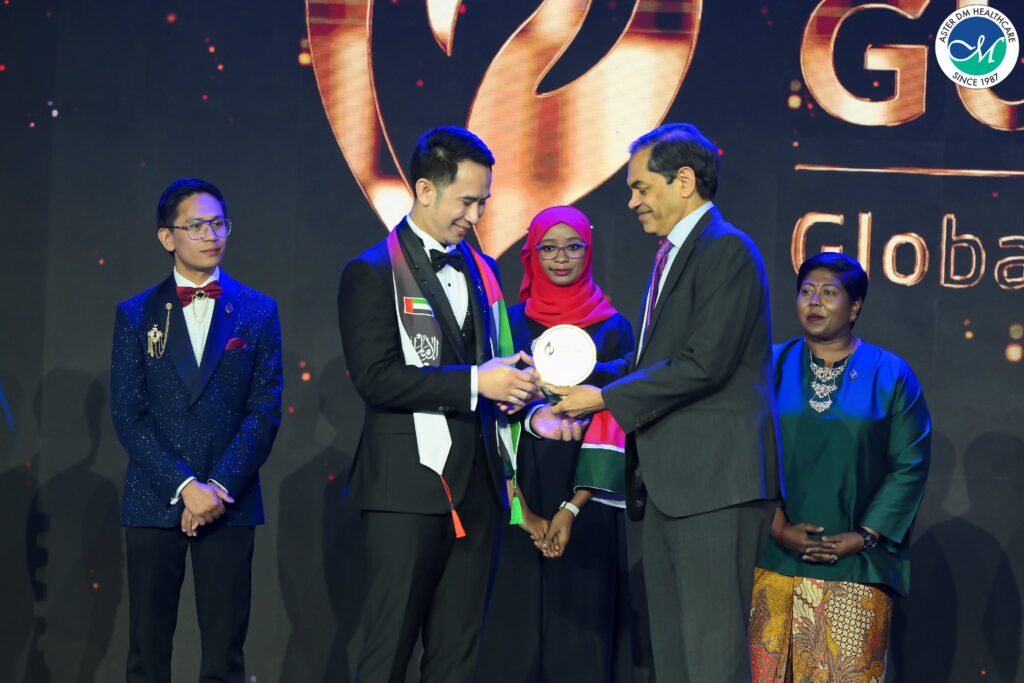
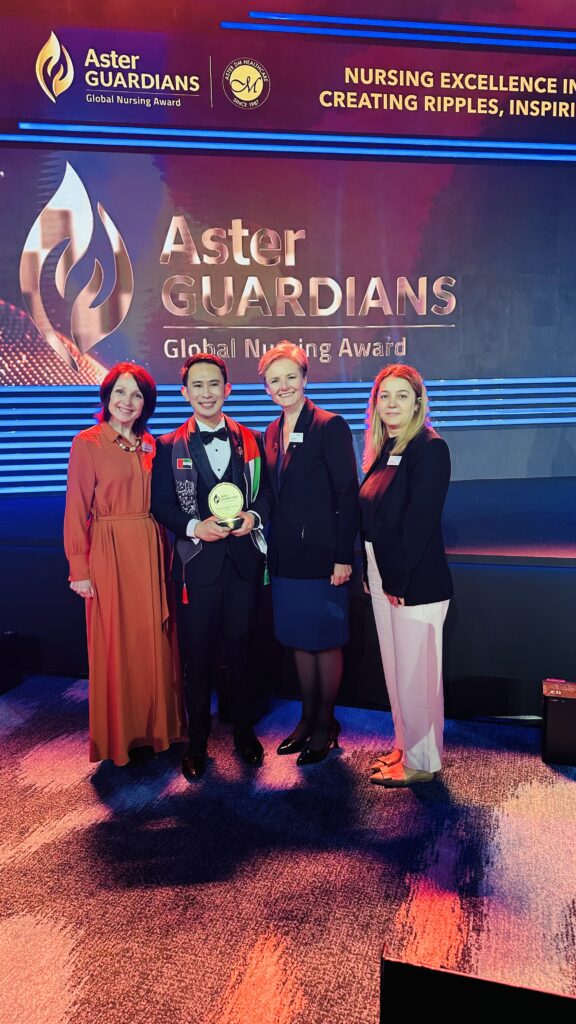
Some careers are made in a straight line. Fitz Gerald Camacho’s was not. Fourteen years ago, he left the Philippines as a staff nurse hoping for growth; today, he manages the daily operations of a major hospital in the United Arab Emirates — and was recently recognized as one of the Top 10 awardees of the Aster Guardians Global Nursing Award 2025, chosen from a field of more than 100,000 nurses worldwide. The distance between those two points was not simply a matter of time. It was built through setbacks, quiet discrimination, and the particular stubbornness of someone who refused to be underestimated.

Starting where the stakes are highest
Camacho began his nursing career at Southern Philippines Medical Center’s Heart Center in Mindanao, where he worked in the Pediatric ICU. It is not the gentlest environment for a new nurse. Critically ill children, cardiac cases, families in crisis — the unit demanded both technical precision and emotional endurance. For Camacho, it was exactly where he needed to be.
“Caring for critically ill children requires not only clinical expertise but also emotional strength and empathy,” he says. “The most fulfilling part of my work is seeing patients recover and knowing that our team has made a difference — not only in the life of the child, but also in the lives of their families.”
That foundation drove him abroad. Saudi Arabia came first, where he worked as a Pediatric Cardiac Nurse in a multicultural healthcare setting that sharpened both his clinical skills and his ability to adapt. Then the UAE, where his career took its sharpest turn yet — away from the bedside and toward education, leadership, and system-wide impact.
The weight of proving yourself
Camacho is candid about what working abroad as a Filipino professional actually looks like from the inside. The international exposure and career advancement are real. So is the friction.
“As a Filipino working abroad, I encountered subtle forms of discrimination, particularly in opportunities for career advancement and promotions,” he says. “At times, I found myself needing to work harder to demonstrate my capabilities and earn recognition.”
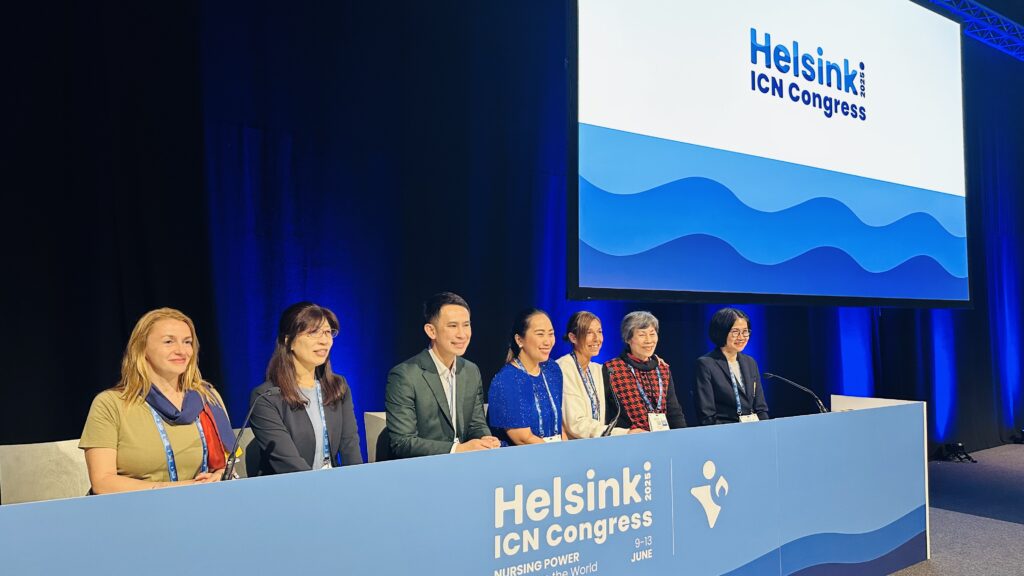
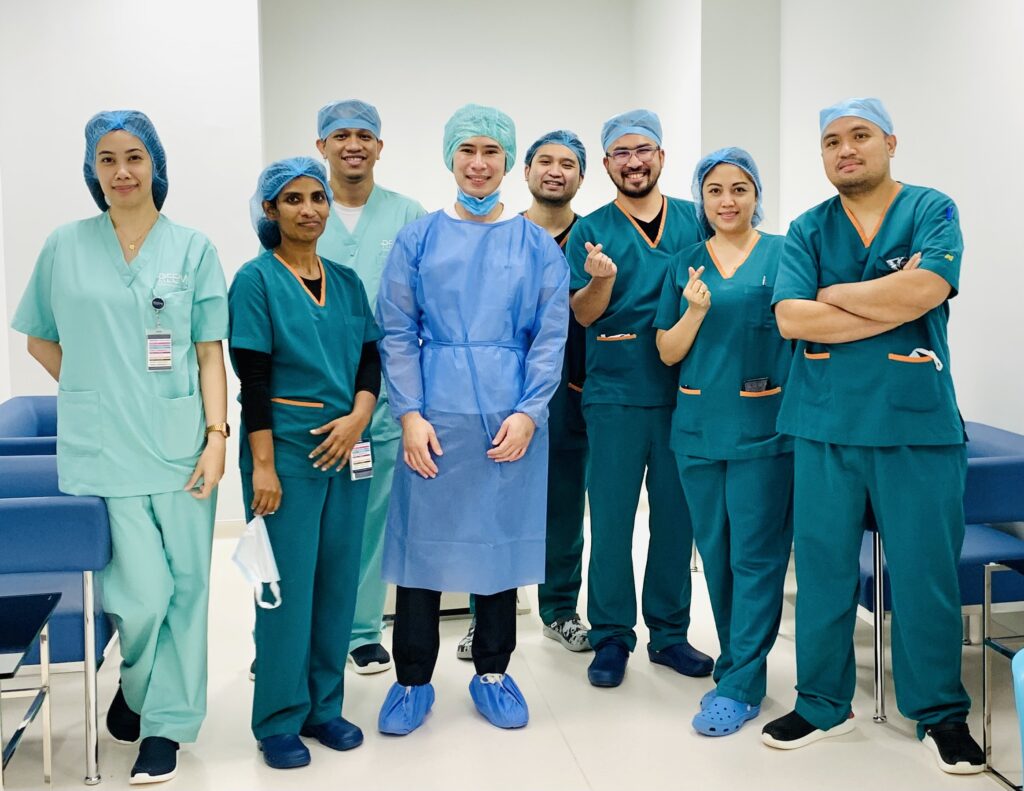
He does not dwell on it as grievance. Instead, he describes it as fuel — a reason to build an unassailable track record through performance rather than politics. In the UAE, he moved through roles as a Clinical Learning Specialist and Clinical Resource Nurse before crossing into management, eventually overseeing departments including the Pediatric ICU, General Pediatrics, and Pediatric Oncology. Today, as Duty Manager, he coordinates the day-to-day operations of the hospital across departments.

That progression did not come without cost. “There were moments of self-doubt and intense professional pressure, especially in high-stakes clinical settings,” he admits. What carried him through, he says, was perseverance, continuous learning, and a support system he leaned on heavily — family, mentors, and colleagues who kept him grounded during the hard stretches.
Building beyond his own unit
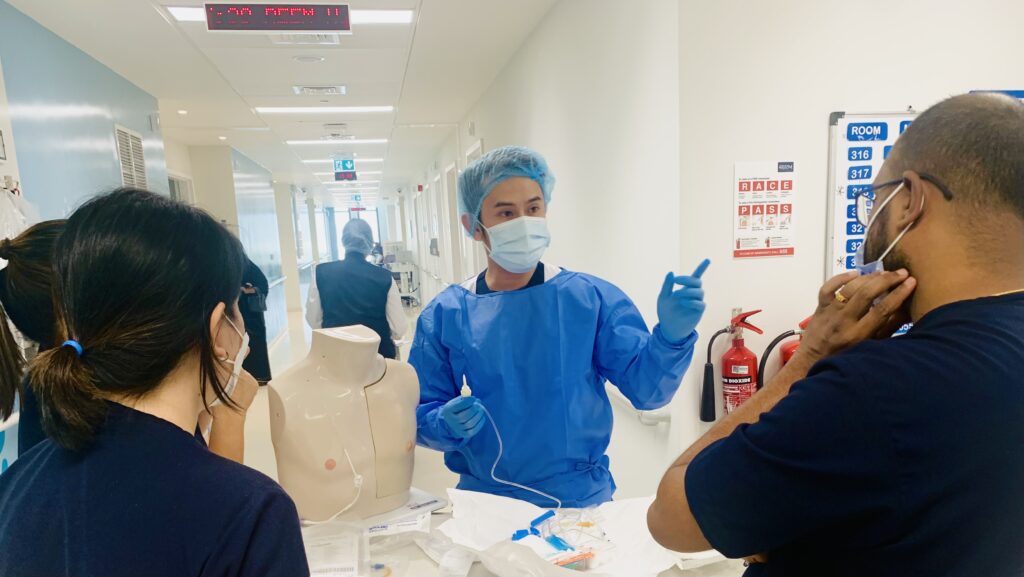


What distinguishes Camacho’s career is not simply how far he rose, but how broadly he reached. He served as Chair of the Mediclinic Middle East Pediatric Forum, leading collaborative efforts across the hospital network to strengthen pediatric practice and promote knowledge-sharing among healthcare professionals. He is Vice Chair of the Emirates Nursing Association Pediatric Nursing Society. He sits on the Nursing Advisory Board at the American University of Kurdistan, where he also serves as Adjunct Faculty — shaping the next generation of nurses in a region far from his own.
He also volunteers with Operation Smile, joining humanitarian missions that provide surgical care for children with cleft conditions. The work connects back, in a way, to where everything started: a child in a hospital bed, needing someone in the room who knows what they are doing and cares about the outcome.
The awards have followed. Beyond the Aster Guardians recognition, he has twice been named among the Top Healthcare Professionals in the Middle East, and in 2026 received the Asia’s Influential Leader in Pediatric Nursing and Clinical Excellence Award. He is measured about what those honors mean.
“Our greatest impact is not measured by titles or awards, but by the lives we touch and the difference we make in the world,” he says — a line that might sound like a platitude from someone else, but lands differently coming from a man who has spent his nights managing pediatric emergencies and his days building training programs for nurses who will handle the next wave.

The road back, and what comes with it
Camacho is clear-eyed about the future. He wants to continue in strategic leadership, shape nursing policy, and eventually give back to the Philippines through mentorship and healthcare education. Pediatric patient safety, in particular, remains close to him as an advocacy.
His advice to fellow Filipinos abroad is straightforward: “Stay grounded in your values and never lose sight of your purpose. Be wise in managing your finances, invest in continuous learning, and surround yourself with people who uplift and support you. Never compromise your principles for temporary gains. Your character is your greatest asset.”