



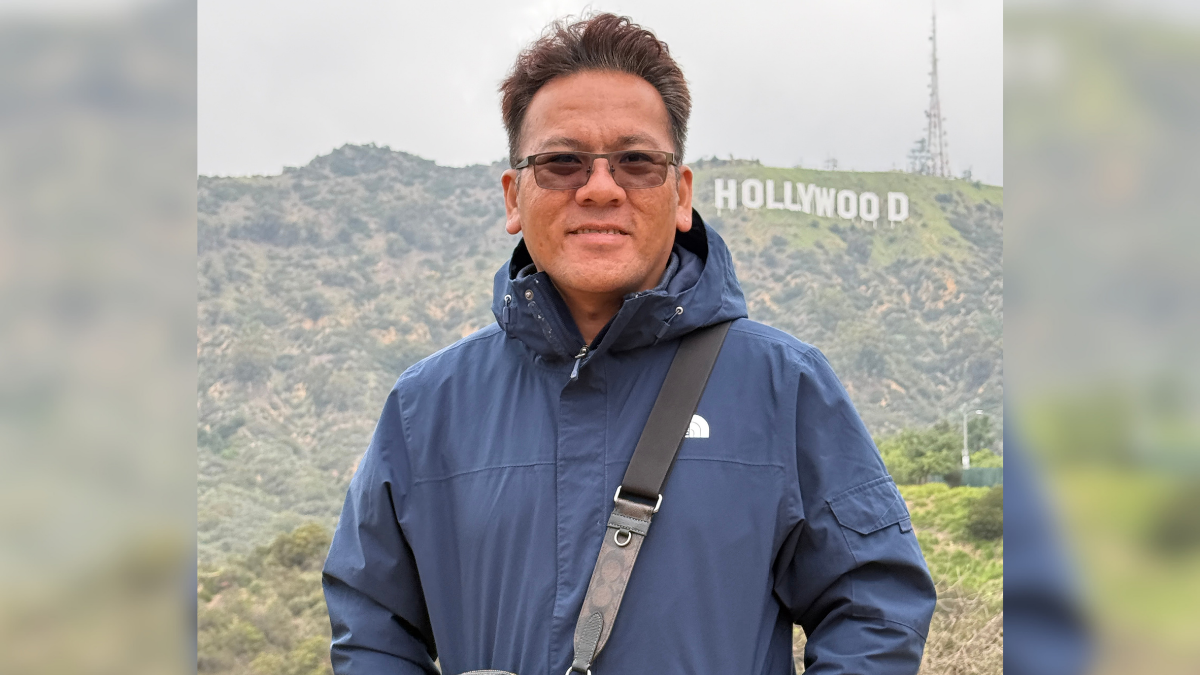

In a country where the teacher of the year might also be the teacher who gets sworn at before lunch, the job rarely matches its job description. That gap is where you find Faizal Cortez Jacang, a Filipino physical science teacher at the South Academic Center in Las Vegas, Nevada, who spends his days with students most systems have already written off.

The 42-year-old educator arrived in the United States in July 2023 under the J-1 Teacher Exchange Program, after more than a decade as a public high school teacher and college instructor in the Philippines. It was, remarkably, his first job abroad. He did not ease into it. He stepped straight into classrooms filled with young people carrying behavioral, academic, and personal challenges that would test a veteran, let alone someone learning a new educational system at the same time.
The classroom no one volunteers for
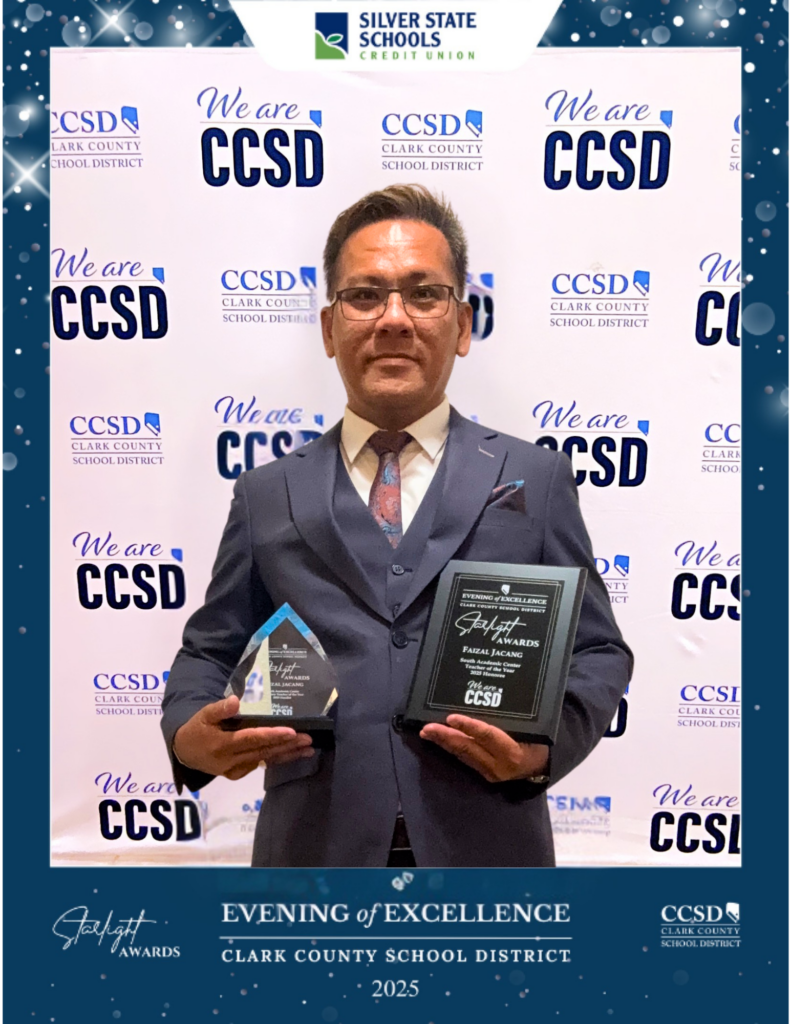
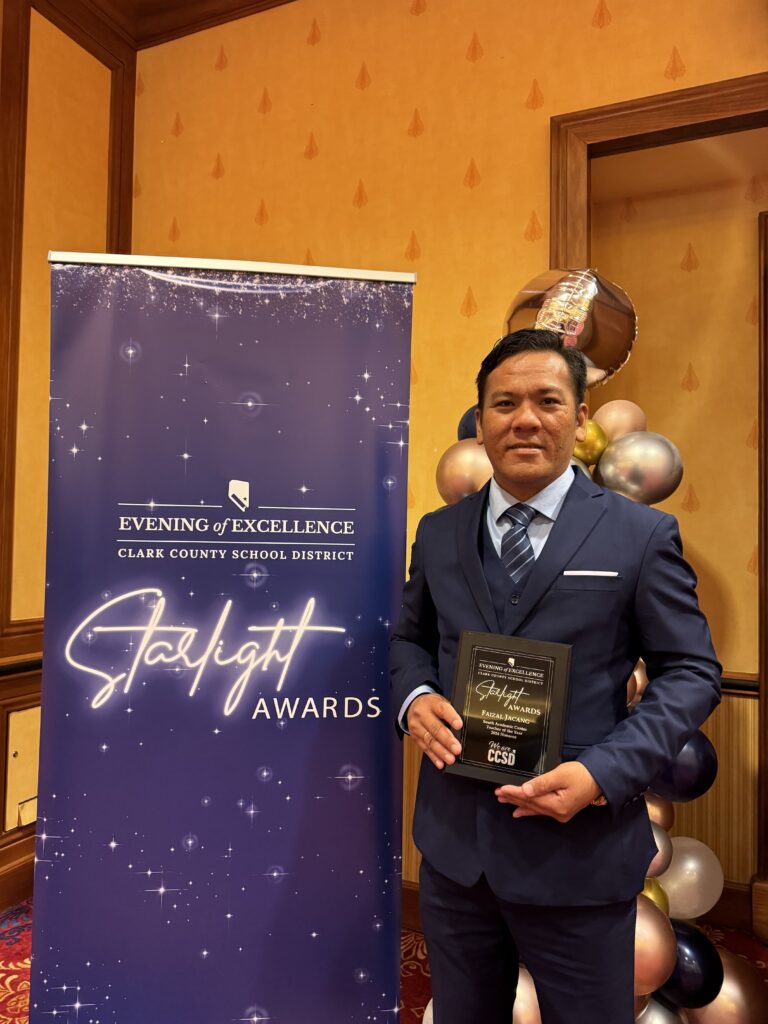
The South Academic Center is not the assignment teachers daydream about. Faizal’s students arrive with histories, and many of those histories are difficult. “Many of my students have struggled academically, behaviorally, or personally,” he shares with TGFM, “and helping them discover their strengths is incredibly fulfilling.” The work covers the full range of the profession and then some: preparing and delivering lessons, monitoring progress, managing behavior, and coordinating with colleagues and parents.
What makes the role demanding is not the curriculum. It is the human variable. He describes moments of “verbal hostility, classroom disruptions, and difficult situations that tested my patience and perseverance.” For a teacher fresh off a plane, adjusting to cultural differences and homesickness, those moments could have been the end of the story. Instead they became the spine of it.
Faith as a working method
Faizal does not separate his faith from his teaching. He frames the entire vocation through it, calling education “more than a profession—it is a ministry.” That language is not decorative. It is how he explains why he kept showing up to the hardest room in the building.


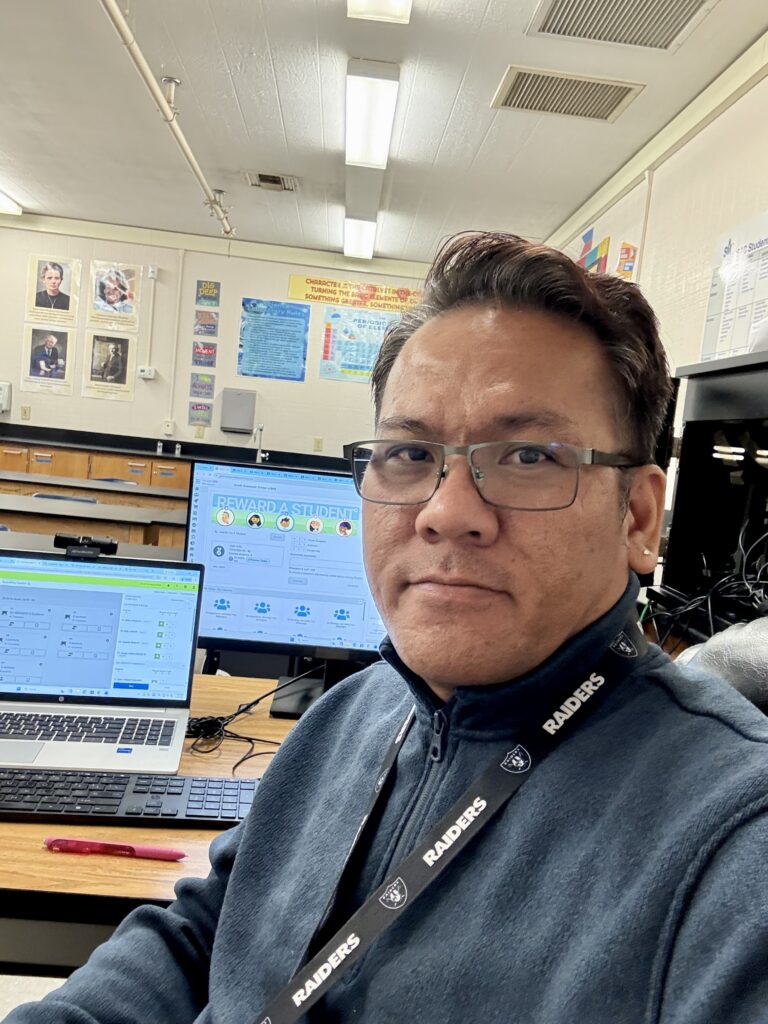
When asked how he survived the early stretch, his answer is direct: prayer, continuous learning, and a support network of family, colleagues, church community, and friends. He leaned on mentors and school leaders who “demonstrated resilience and compassion.” The former Philippine educator has come to a settled conclusion about the difficulty itself. “These experiences strengthened my belief that challenges are opportunities for God to work through me,” he says. It is a way of reframing hostility not as a threat but as raw material.
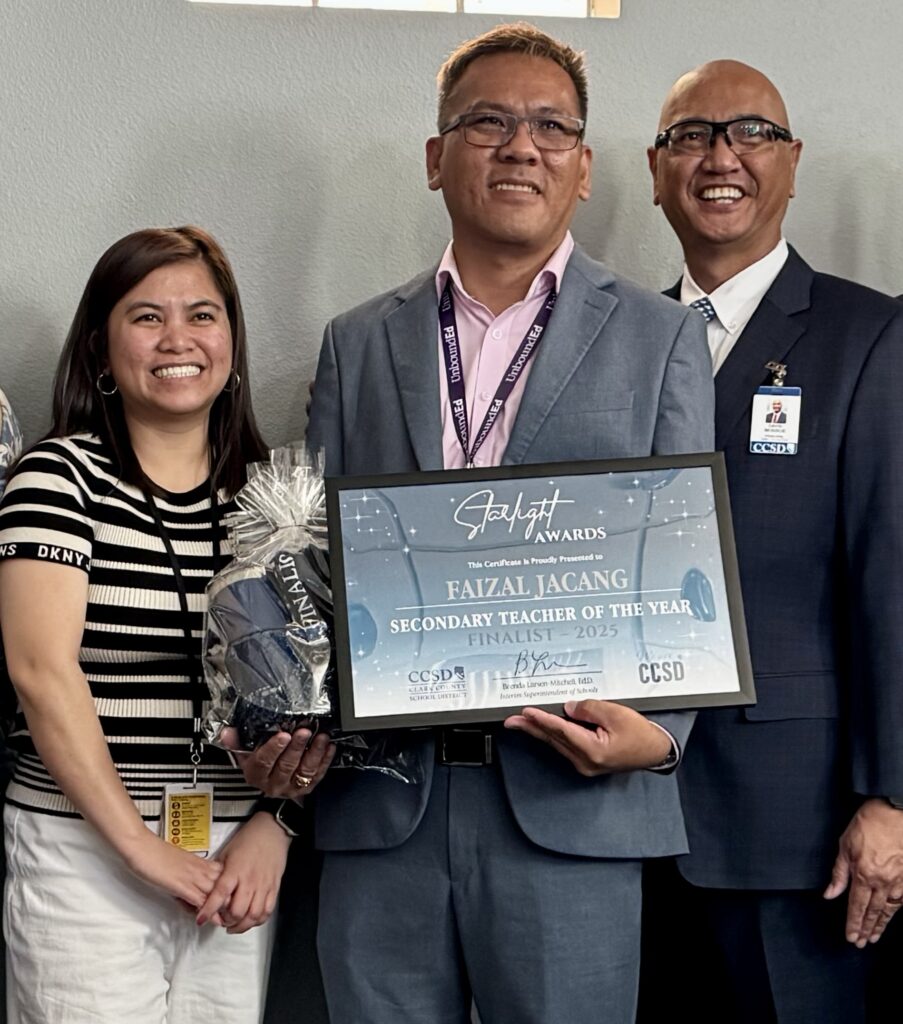
That reframing seems to be what carried him through. And it appears to have been noticed. Faizal was named Teacher of the Year at his school and became a finalist for a regional teaching award—recognition that, in a center built around students others gave up on, says as much about persistence as talent.
What success actually looks like
Ask him what he is proudest of, and the trophy is not the answer. The recognition matters less to him than the slower, quieter wins. “Seeing a student who once struggled begin to participate, improve academically, and develop hope for the future reminds me why I became a teacher,” he says. The most rewarding part of the job, by his account, is watching transformation happen in real time—students regaining confidence and earning credits toward graduation.
He is candid that he came abroad for layered reasons. There was professional growth, the chance to study a different educational system, and the goal of providing better opportunities for his family. But he insists the financial motive was never the whole picture. He calls the move a calling, an opportunity to carry “the values, dedication, and resilience of Filipino educators” into another country’s classrooms.
That sense of identity shapes the advice he offers other overseas Filipinos, and it doubles as a quiet correction to how success is usually measured. Success, he argues, “is not measured only by financial gain but also by personal growth, integrity, and the lives you impact.” He urges kababayans to stay close to family, manage money wisely, choose their circles carefully, and hold onto faith. “Never forget your identity as a Filipino,” he says, “and the values that brought you this far.”
His plans after the exchange remain deliberately open. He hopes to keep contributing to education, in the Philippines or wherever the road leads, with advanced studies ahead and a continued focus on disadvantaged students and future teachers. For a man who built a career out of betting on young people everyone else stopped betting on, the through-line is consistent. “Every struggle carries a lesson,” he says, “and every challenge presents an opportunity for growth.”
