



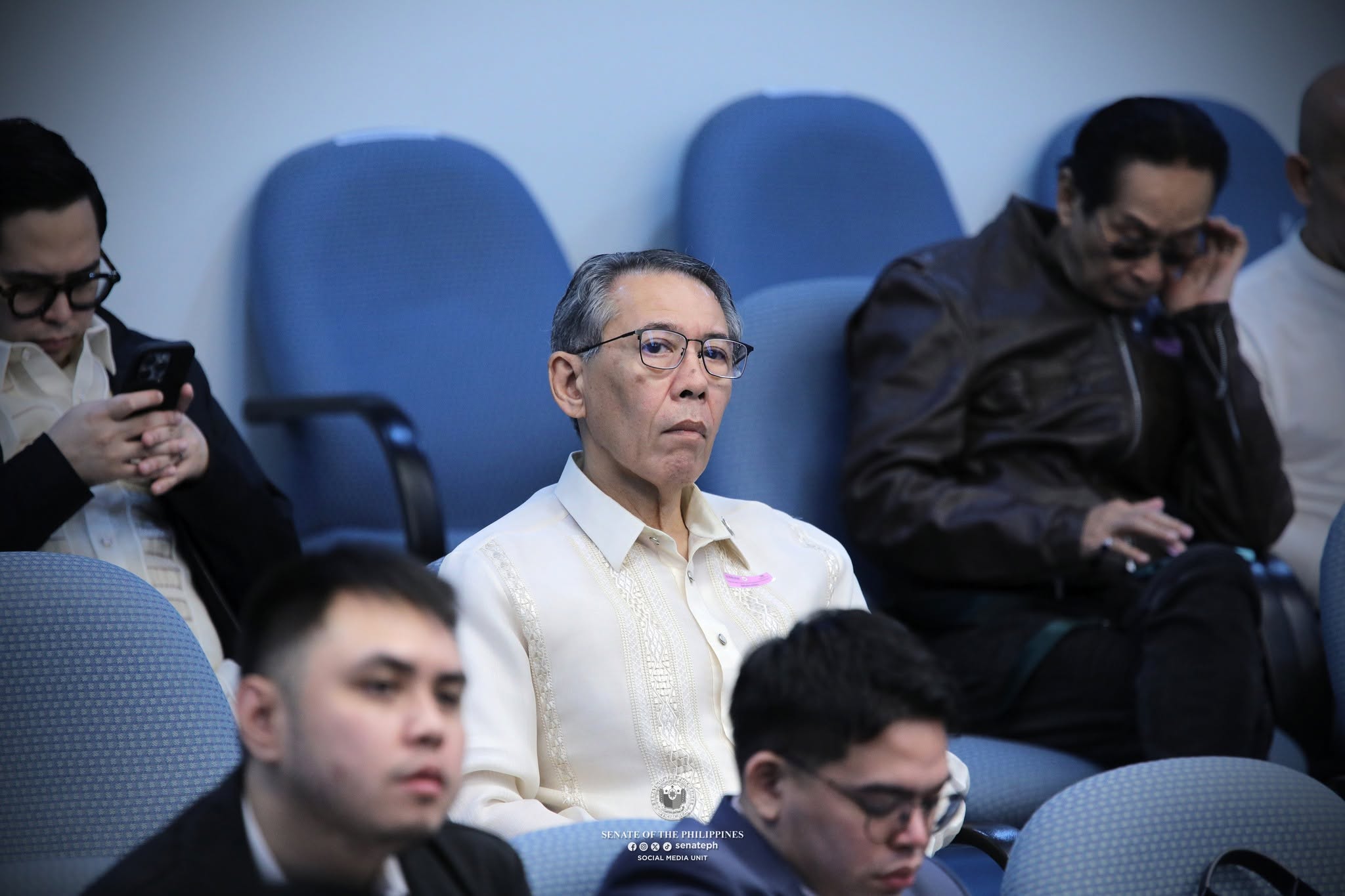

The tone inside the Senate impeachment courtroom, not the charges against Vice President Sara Duterte, drew the attention of Akbayan Party-list Rep. Chel Diokno after the fifteenth day of proceedings on August 12, a session he described as falling short on courtroom conduct.

A trial lawyer with more than thirty years of experience, Diokno framed his worry around the next generation of the profession. “Minsan ako ay nalulungkot kasi baka maisip ko minsan na iba ‘yung natututunan ng ating mga law students ‘pag pinapanood nila ‘yung impeachment proceedings,” he said. He wanted the wider legal community to draw a clear line from the televised hearings. “Gusto ko rin malaman ng lahat ng legal community, especially our young law students and lawyers, what is proper and what is improper during a court proceeding,” he said.
For Diokno, that line begins with a single principle. “Ang pinaka-essence ng court decorum talaga ay respeto. Respeto sa judge, respeto sa kalaban. At that is what we are hoping and insisting will happen in this impeachment case,” he said.
He singled out shouting matches between opposing counsel as conduct that serves no purpose. “Magkalaban kayo sa court tapos tataasan ka ng boses ng kalaban mo. I don’t think that’s even necessary in court,” he said, naming no one. His point rested on how cases are actually won: “Ang kailangan lang matibay, solid, ang argumento mo. Hindi naman pataasan ng boses ang court hearing.” Judges, he noted, weigh the strength of an argument rather than the volume behind it.

That standard collided with an episode from the same hearing. One of Duterte’s defense lawyers, Kristine Ferrer, appealed to the prosecution for “kindness” only after trading sharp words with prosecutor Lorna Kapunan.
Diokno also pressed on how witnesses should be treated on the stand, insisting they be allowed to answer in full during both direct and cross-examination. “We should never interrupt a witness while they are speaking,” he said, explaining that courtesy required him to hold his own response. “May tinanong ako sa witness, nagsasalita ang witness, hindi ko pwede siyang pigilan. Hintayin ko dapat out of respect ‘yung sasabihing kabuuan ng testigo, and then I can respond appropriately.”
Even a reply the lawyer considers improper, he said, should be met by waiting for the witness to finish and then asking the court to strike it from the record rather than cutting the person off mid-answer.
