



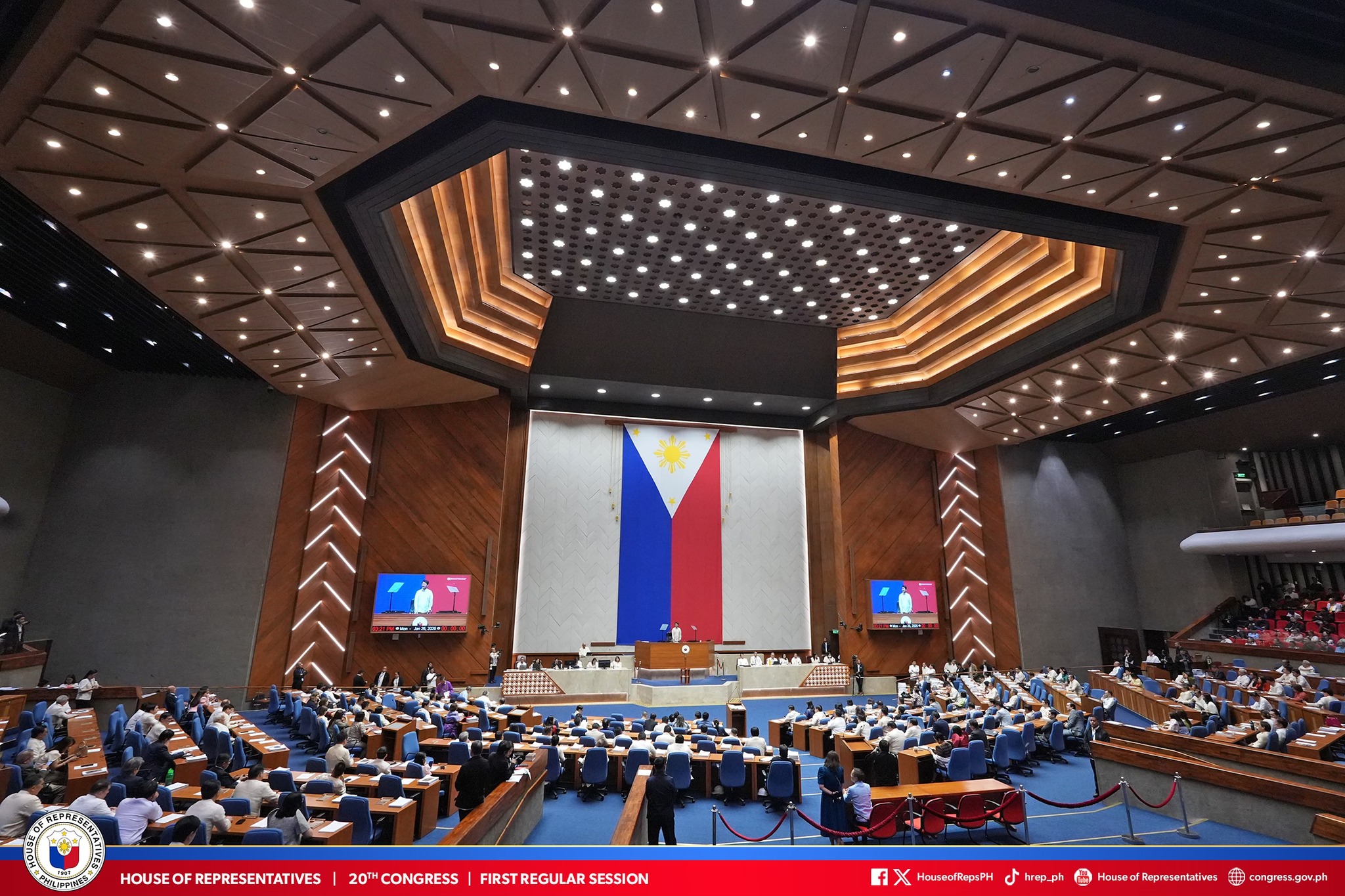

After more than three decades of failed attempts to legislate transparency, the House of Representatives has cleared a measure granting Filipinos a legal right to obtain government records.

The chamber approved House Bill No. 9397, the proposed Right to Information Act, on third and final reading with 284 lawmakers in favor and not a single vote against or abstention.
At the heart of the legislation is public access to a wide range of state-held material: official records, government contracts, expenditure data, policy papers, and research findings drawn from agencies across the bureaucracy. The bill extends its reach beyond the executive, covering all three branches of government as well as constitutional commissions, local government units, state universities and colleges, and government-owned corporations.
Two new mechanisms anchor the proposed framework. A Right to Information Commission would be tasked with overseeing the law’s rollout, hearing appeals when requests are turned down, looking into possible violations, and compelling compliance from agencies that resist disclosure. Alongside it, a centralized online portal would allow citizens to lodge requests and track their progress.

The push carries added weight given its place on the priority agenda set by the Legislative-Executive Development Advisory Council, which coordinates the legislative goals shared by Congress and Malacañang.
Backers have repeatedly tied the measure to the country’s ongoing reckoning with public fund misuse. “We could have stopped the massive corruption hiding behind substandard flood control projects and unchecked confidential funds if Congress had armed our citizens with a real right to information sooner,” said Dinagat Islands Rep. Arlene “Kaka” Bag-ao, who argued that years of inaction had let irregularities go unexamined.
The Constitution has guaranteed a right to information since 1987, yet no consolidated national statute has ever given it teeth. Access in the executive branch currently rests only on an executive order issued during the previous administration, a directive limited in scope and lacking the durability of legislation.
With the House version now settled, the proposal moves to a bicameral conference committee, where negotiators will work to align it with the version already passed by the Senate before any final law can take shape.
