



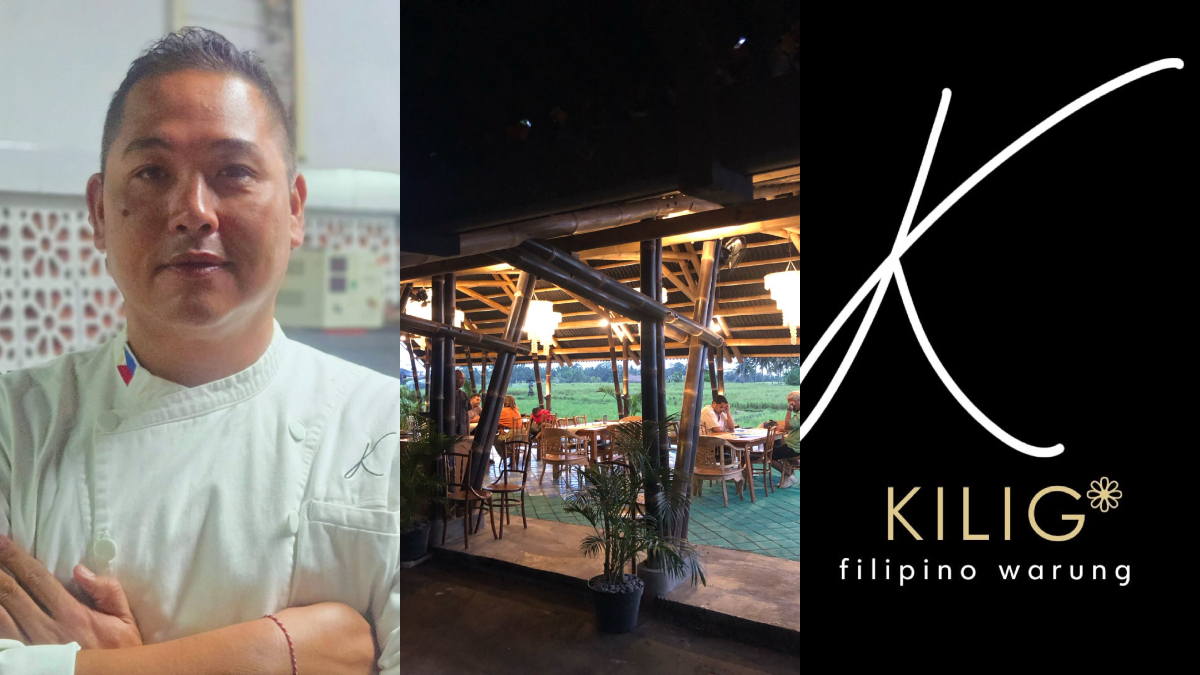

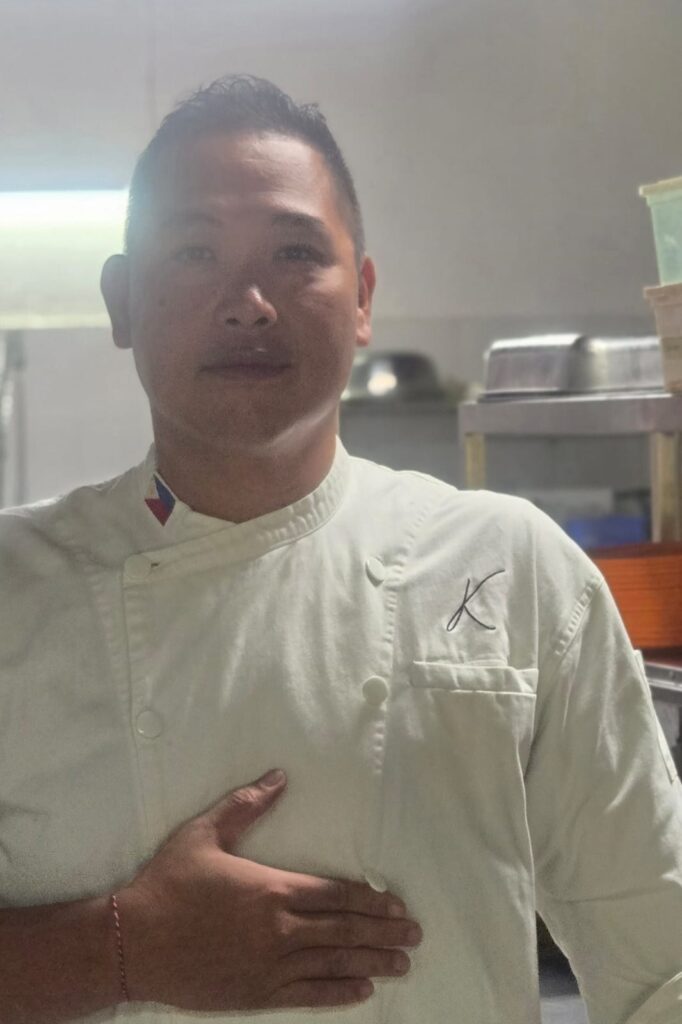
It’s not uncommon to hear of chefs discovering their passion in culinary school or elite kitchens. But for 45-year-old Executive Chef Juan Manuel Guino-o Gadi, it all began with something far simpler — free lunch and a bit of extra cash. That small incentive led him to a humble karinderya in Davao, Philippines, where his journey into the world of food would begin, one plate at a time.

“I discovered more than food — I found purpose,” he shared with TGFM. “What began as a need turned into a calling.” For Gadi, who is now heading PT Hayag Farms in Bali, Indonesia, that early experience continues to shape not only how he cooks, but why he cooks. “My humble beginnings grounded me in the kind of chef I am today — one who believes that everyone deserves good, honest food without the hefty price tag.”
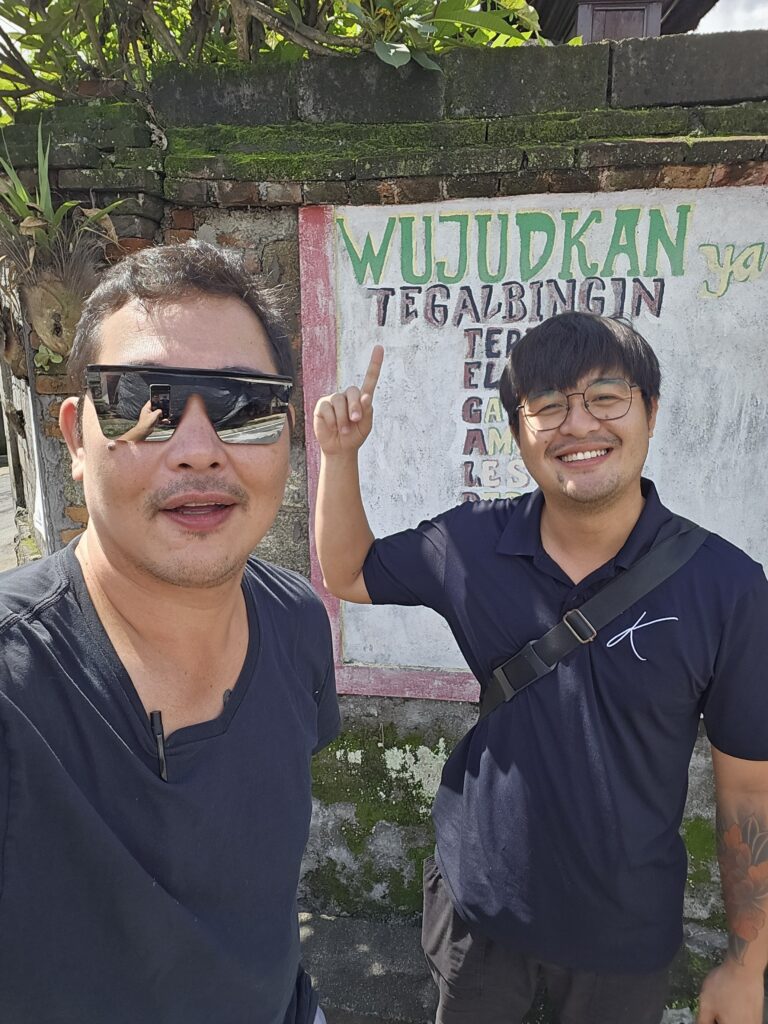
Finding purpose through pain and perseverance
Gadi’s culinary rise wasn’t without its trials. At one point, he managed nine restaurants spread across three cities — a thriving achievement that came to a sudden halt during the pandemic. “Losing the restaurants broke me. But it also built something deeper in me — hope, humility, perseverance, and generosity,” he recalled.
With the industry in collapse, Gadi and his wife took a bold step: transforming their own home into a catering hub. They housed their kitchen staff, reassigned their team as delivery riders, and kept their service alive — not just for business, but for their people. “The pandemic wasn’t just a pause in my career — it was a turning point in my life,” he said.
From that season, a deeper sense of gratitude bloomed. They supported their team, helped the original karinderya where Gadi first worked, and even adopted an indigenous community in Marilog, Davao. “Every dish since then has been more than just food. It’s resilience, community, and heart on a plate.”
Planting Filipino roots in Bali
The decision to bring Filipino cuisine to Ubud, Bali — a place known more for yoga retreats than kare-kare — was a leap of faith. “We had been visiting since 2010, and over time, Bali started to feel like home,” Gadi said. What began as regular visits eventually led to sending their children to school there, and finally, planting deeper roots.
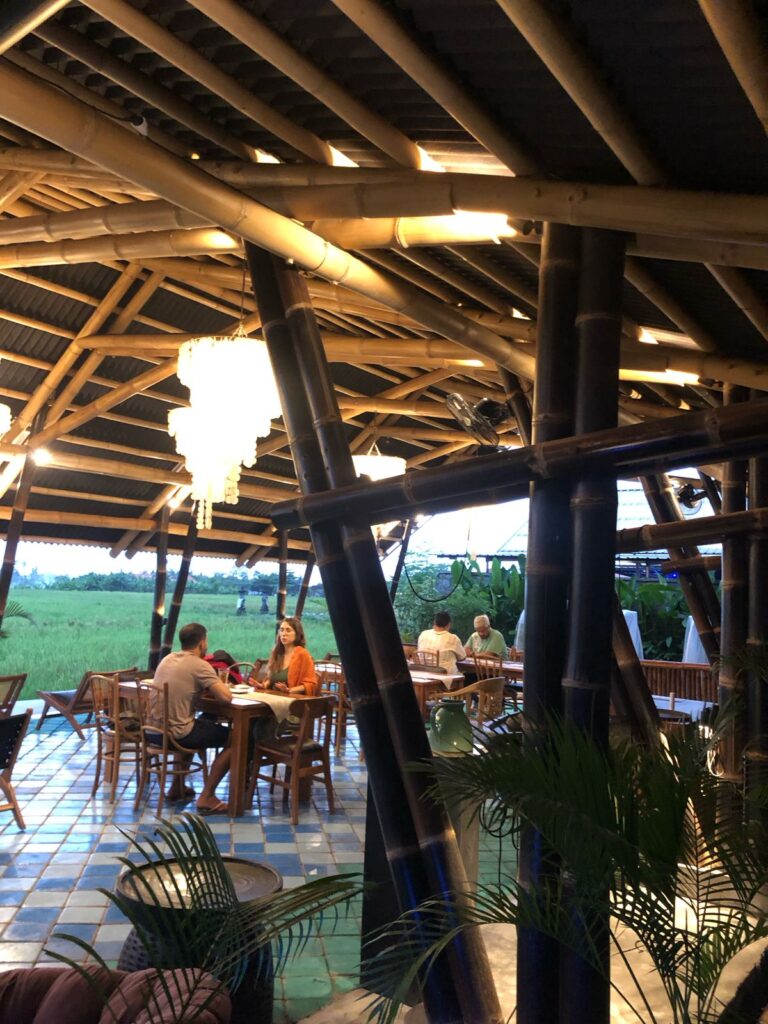
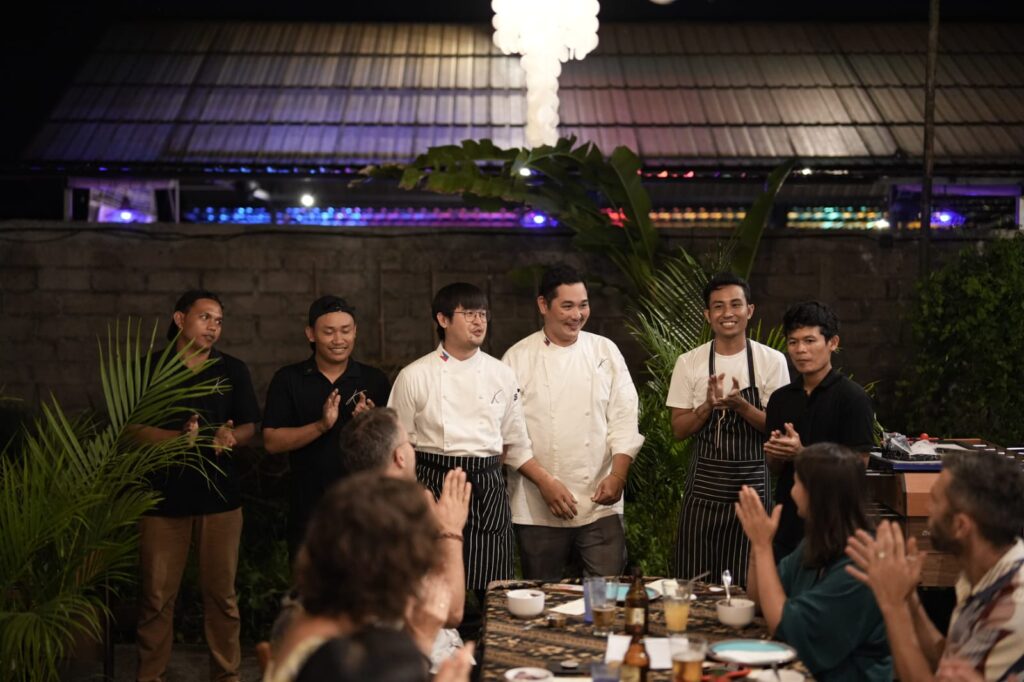
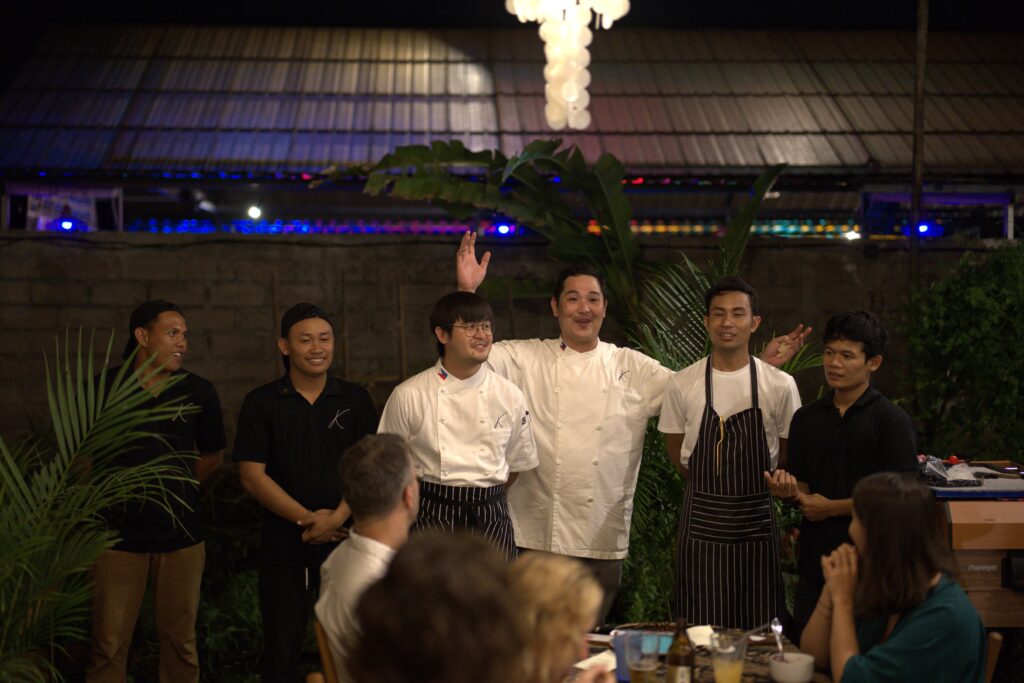
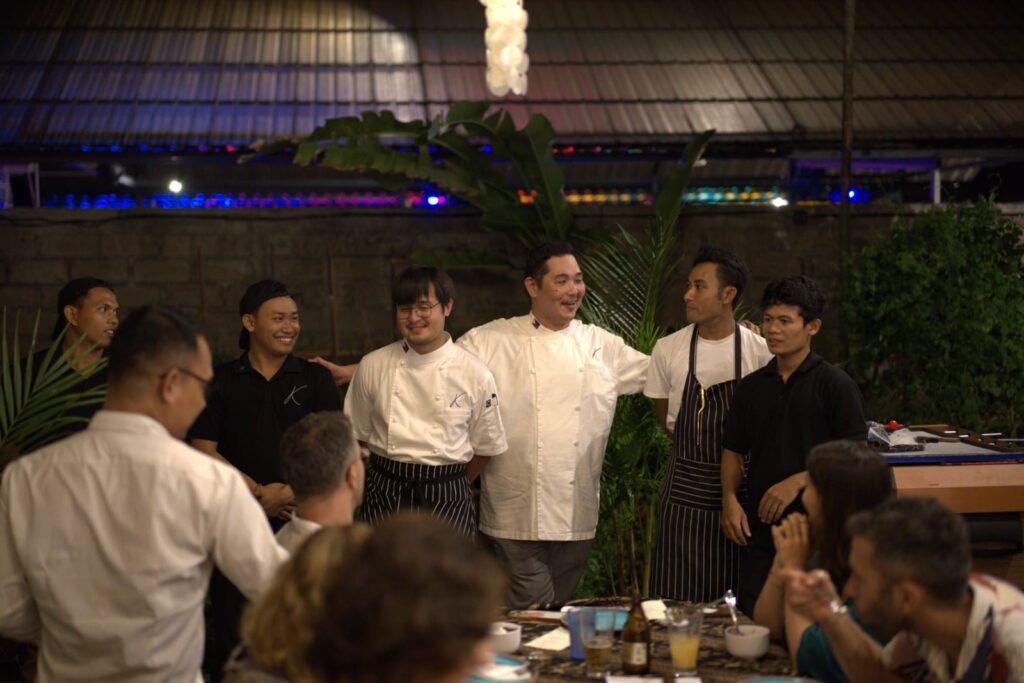
“There was no Filipino restaurant, no competition. But more than that, we saw the responsibility — to represent our culture, to introduce the flavors of home to a new audience,” he explained. The result was Kilig Filipino Warung, an eatery that now stands in the middle of Ubud’s rice fields, serving dishes that carry the soul of the Philippines.
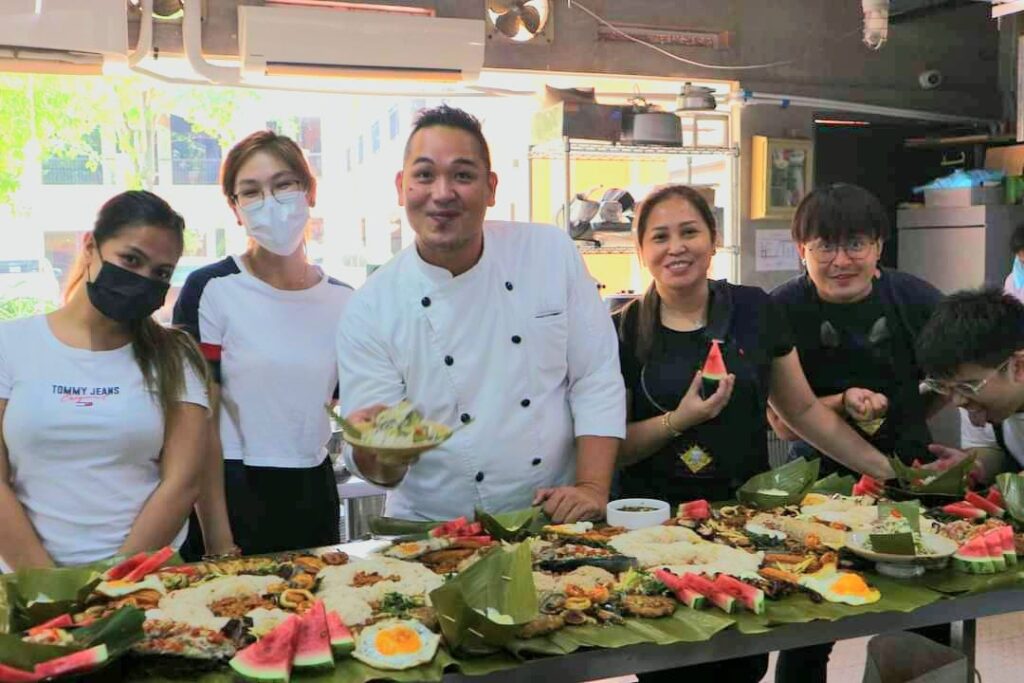
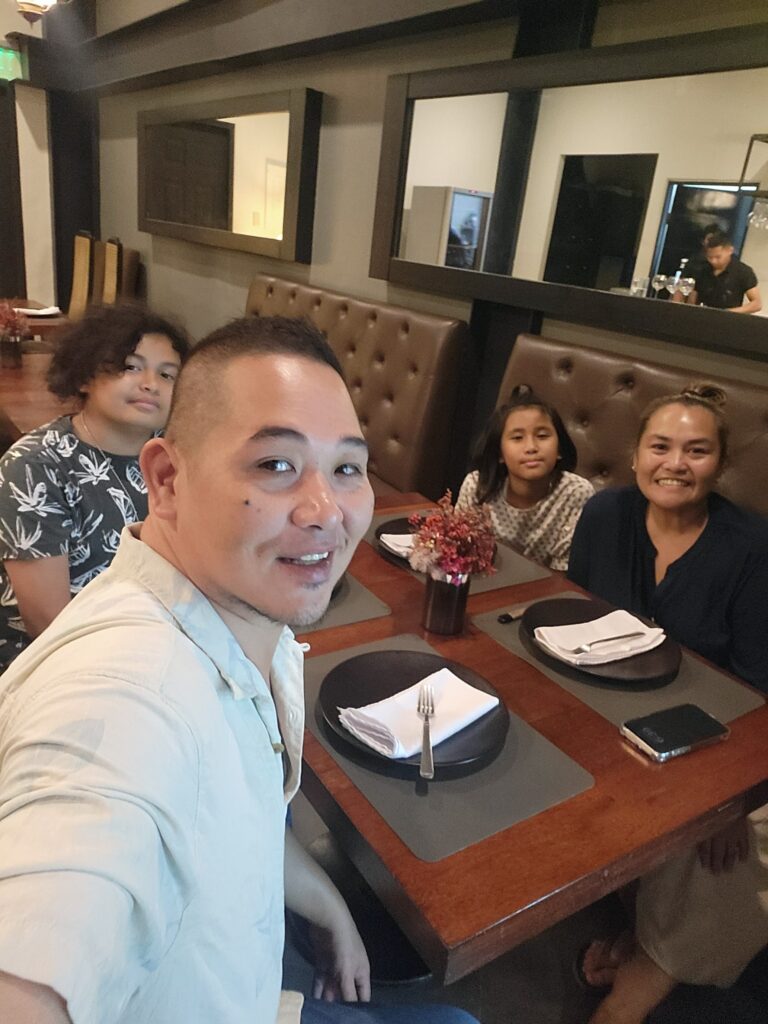
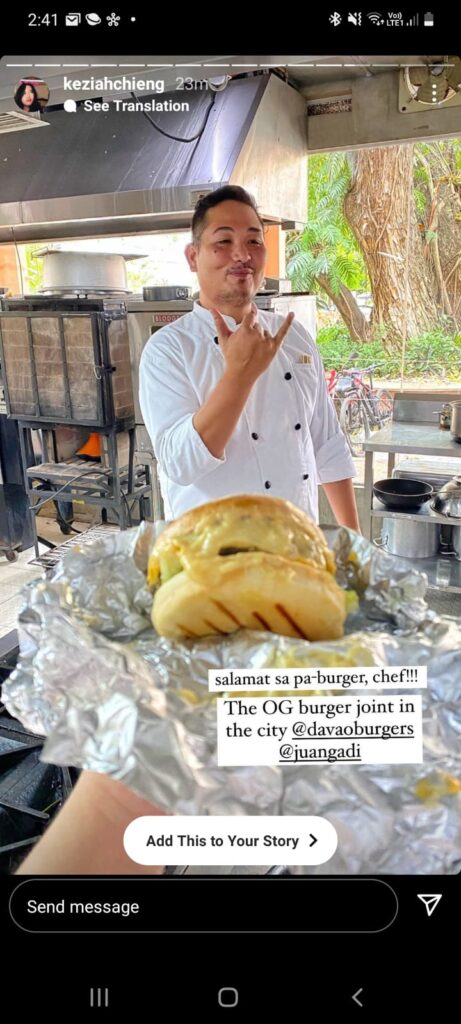
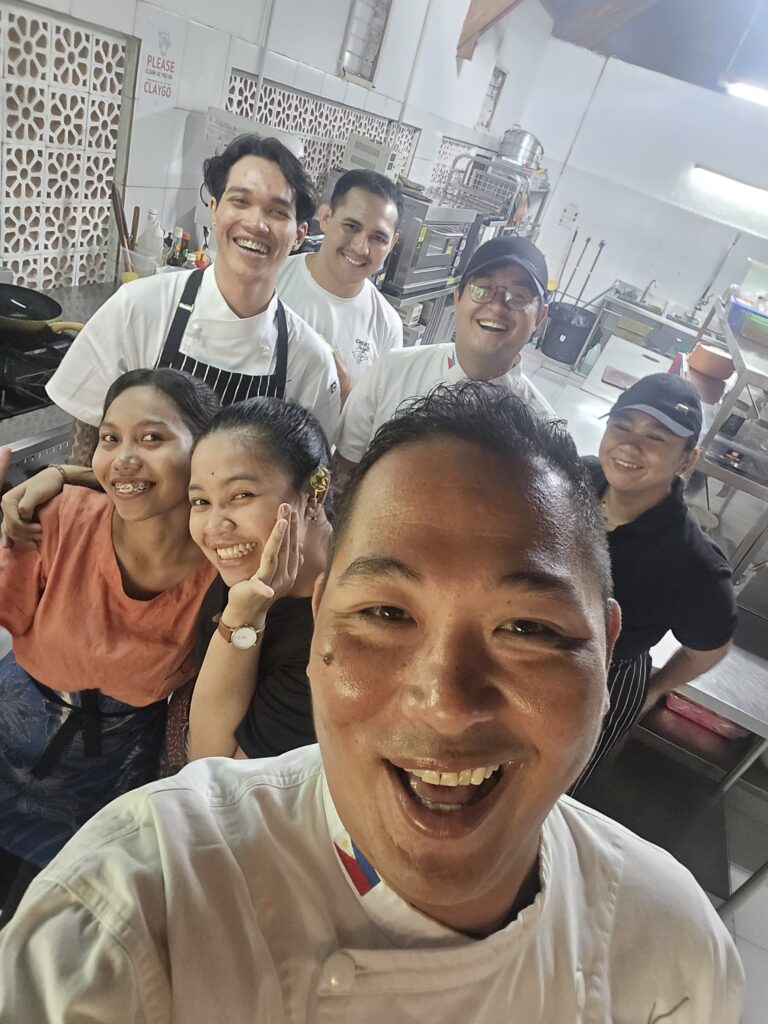
Yet, opening Kilig came with its own share of hurdles. “I moved to Bali with a dream — but no ingredients, no common language, and no idea how hard it would actually be,” he admitted. “Recreating authentic Filipino flavors felt impossible at first.”
Language barriers and unfamiliar local produce forced Gadi to adapt quickly. But he didn’t give up. “I stopped asking ‘Why is this so hard?’ and started asking, ‘How can I make this work?’” That mindset shift opened doors — especially with the help of the Balinese business community, which welcomed him warmly. “It made me wish our own system back home welcomed outsiders the same way,” he added.

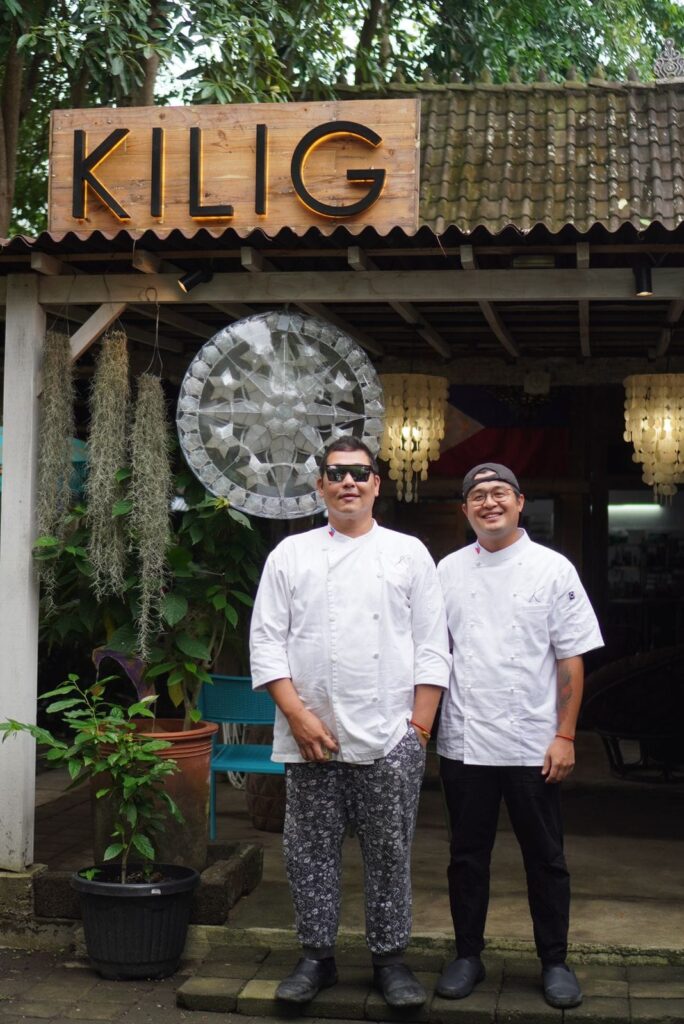
More than just learning how to navigate a new culinary environment, Gadi also experienced something entirely new: collaboration. Partnering with his former student, now co-chef, John Michael Anthony Tecson Ferrazzini — known as Chef Tonskie — turned out to be one of the most fulfilling decisions of his career. “Now I can’t imagine doing this alone,” Gadi admitted.
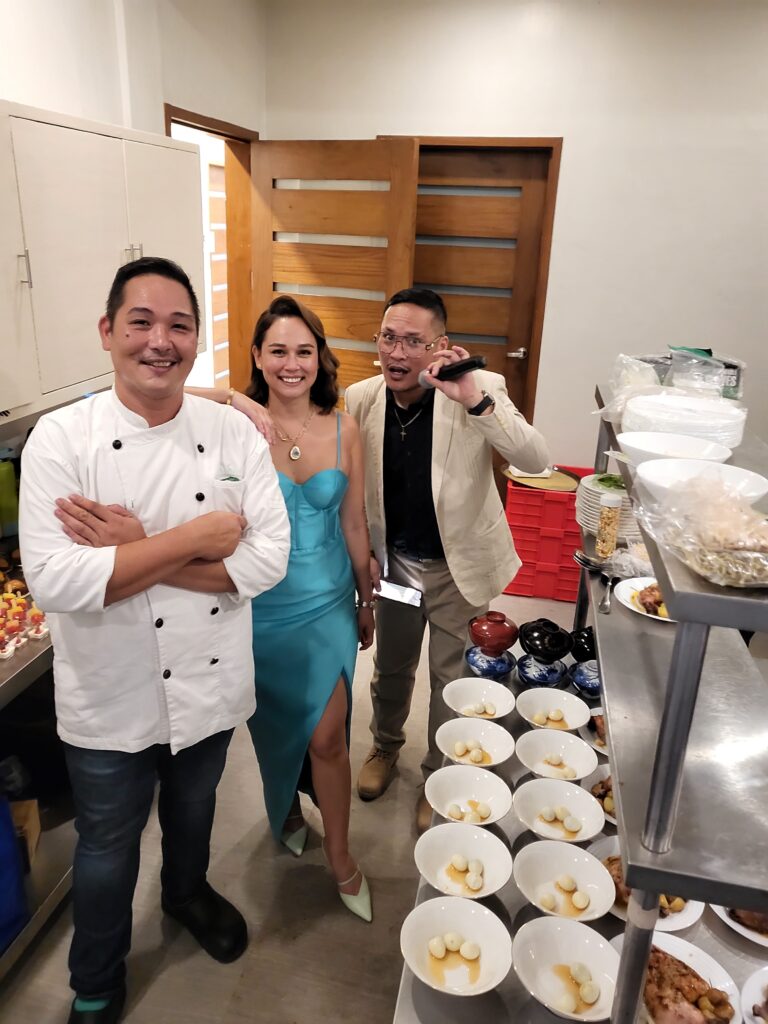

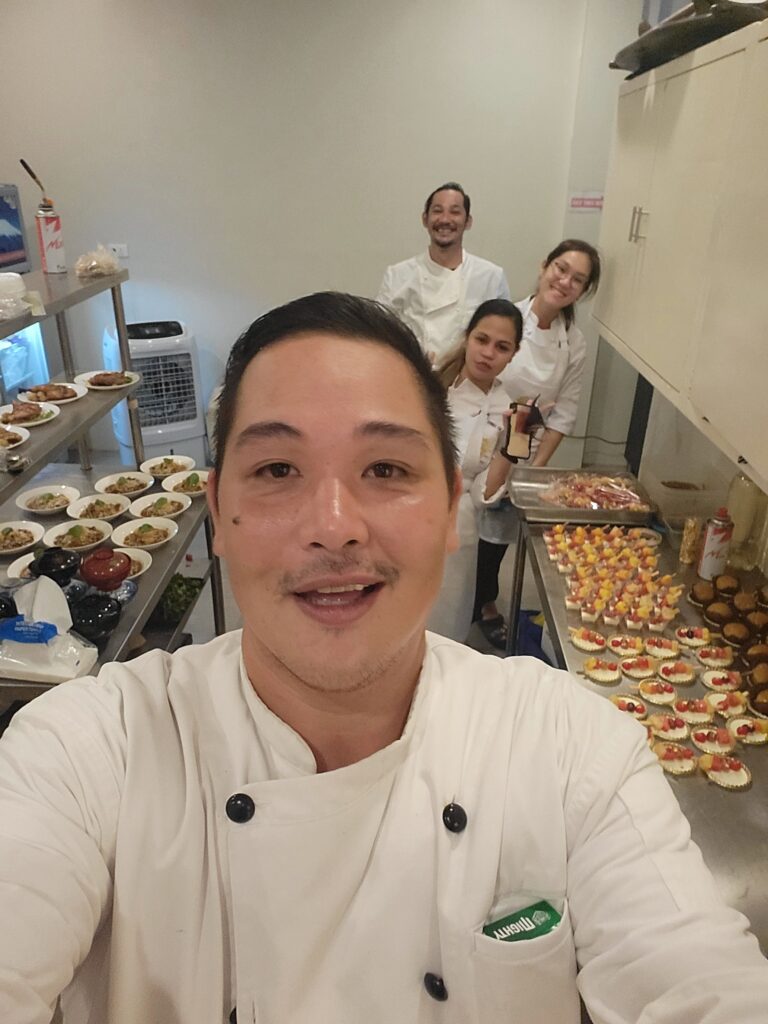
Their joint creativity shines through the menu, especially in dishes like the pork satay with kare-kare sauce. “It’s weird, it’s wonderful — and a total crowd favorite,” he said with pride.
From cooking to teaching, from surviving to thriving
In a twist of fate during the pandemic, Gadi also stepped into the role of a mentor. It was his own mentor, Chef Gene Gonzalez of the Center for Asian Culinary Studies, who reached out unexpectedly. “He slid into my Instagram DMs and asked, ‘Can you fill in?’” Without overthinking, Gadi said yes — and began teaching.
That “yes” turned out to be life-changing. “For two years, I stood in front of aspiring chefs — while juggling my businesses and community work — and felt something shift,” he recalled. Drawing from his nursing background, Gadi discovered that nurturing came naturally. “In that classroom, I didn’t just teach recipes — I passed on purpose.”
Among his students was none other than Chef Tonskie, now his partner in Kilig. “Looking back, saying yes during chaos led to one of my calmest joys,” he said. “I learned to loosen up, let people in, and breathe in something new.”
The reaction to Kilig has been overwhelmingly positive. “The flavors may be unfamiliar, the Filipino hospitality brand new… but the love and warmth in every bite clearly spoke to them,” Gadi shared. From generous Google reviews to returning customers, it’s clear that Filipino food — when done with heart — transcends borders.
If given the chance to serve one dish to his younger self back in that karinderya in Davao, Gadi knows exactly what it would be: a warm, slow-cooked beef kaldereta. “I’d make it rich, comforting, and honest — a dish passed down through generations, just like the quiet strength he never realized he carried.”
And what would he say to that boy?
“Here. You don’t have to prove anything today. Just eat. However you want, as messy or slow as you need. You’ve earned this comfort. You’ve always deserved softness — not just from others, but from yourself.”
