





The rhythm of overseas work has a way of teaching patience—long hours, delayed dreams, and the quiet question of whether all the effort will ever circle back to something personal.

Michael Lucero knows that rhythm well, and it eventually led him to build something he once thought was out of reach: a guitar brand rooted in home, memory, and craft.
Lucero is the founder of JMJ Guitars, a Filipino-owned brand based in Pampanga that is steadily carving out a name by doing the opposite of mass production. The instruments are handcrafted, the process is deliberate, and the story behind each guitar stretches across borders—from high school dreams to years of overseas work, and finally, a return to purpose.
A dream that waited its turn


Music entered Lucero’s life early, but access was limited. “During my high school days, I owned a guitar, but like any musician, I dreamed of having a full solid wood guitar,” he recalls. That dream stayed just that for years. In 2006, he left the Philippines to work abroad as an overseas Filipino worker, chasing stability rather than sound.
Over time, he managed to buy two high-end acoustic guitars from well-known international brands. Yet even then, something was missing. “However, neither was truly solid wood, as guitars made entirely from solid wood were beyond my budget at the time,” he says. The irony wasn’t lost on him—years of work abroad, premium instruments in hand, and still the sense that the ideal guitar remained out of reach.
Music, however, was never only his story. His wife, Junill “Nil” Lucero, grew up in a household shaped by it. Her father earned a living as a guitarist, performing locally and overseas, including stints in Japan. Nil later found her own connection through church music ministry, grounding music in both family and faith.
By 2024, after nearly a decade overseas together, the Luceros made a pivotal decision. Nil and their two children returned to the Philippines from Qatar to pursue the business they had long imagined, while Michael transferred to Dubai for work as an engineer in a construction firm. The distance was practical, but the vision was shared.


Building a business from lived lessons
The couple’s years abroad were not just about survival; they were an education in entrepreneurship. In Qatar, Nil began a small food business fueled by her Kapampangan love for cooking and baking. She trained formally, completed commercial bread-making workshops and Wilton cake decorating courses, and sold customized cakes through Filipino community groups online.
Orders grew quickly—birthdays, weddings, restaurant events, community celebrations—but growth came with discipline. “Demand became so steady that we intentionally limited production to protect quality and care in every piece,” Lucero explains.
Alongside this, Nil juggled freelance teaching, homeschooling their children, and later working as a preschool teacher after pandemic restrictions eased. The couple saw up close how fragile small businesses abroad could be, especially within the OFW community. Fluctuating demand, delayed salaries, intense competition, and COVID-era shutdowns shaped their thinking.
Those years sharpened their approach. “But those years taught us discipline, financial tracking, cash-flow planning, pricing responsibly, and understanding that sustainability matters more than fast profit,” Lucero says. One observation stuck with him in particular. “One colleague said it plainly: small profit, steady flow.”
That mindset would later define JMJ Guitars.
Craftsmanship over shortcuts

JMJ Guitars formally took shape in Pampanga, beginning with a physical store: JMJ Musical Goods Trading in Angeles City. The shop carries a wide range of instruments—guitars, violins, ukuleles, keyboards, drums, professional audio equipment, and accessories—mixing imported brands with local ones. But the heart of the space is the guitars bearing their own name.
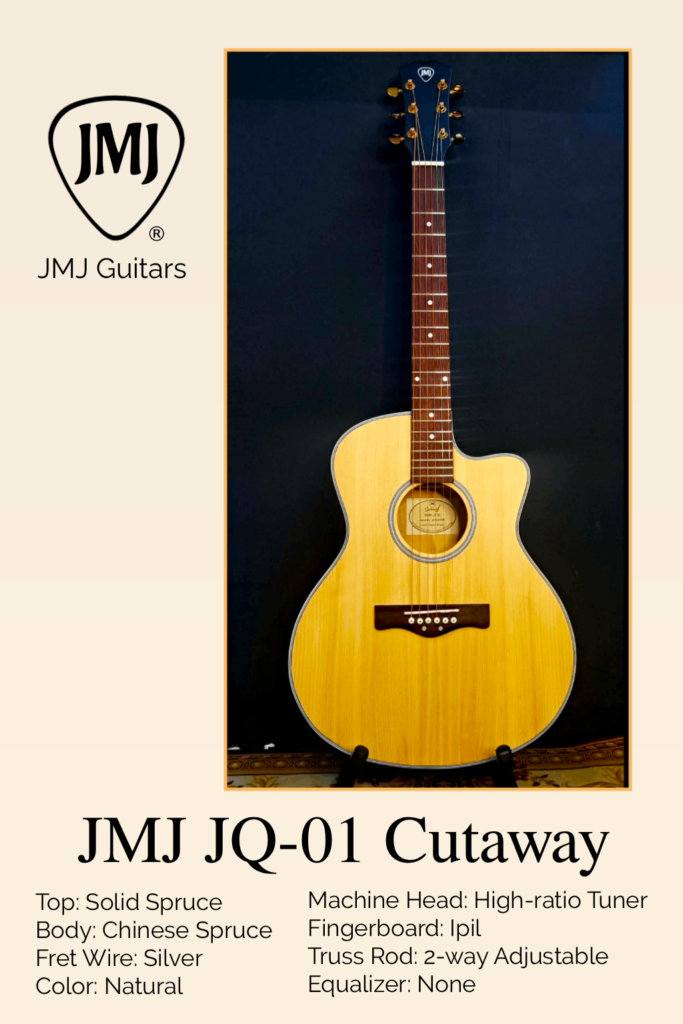
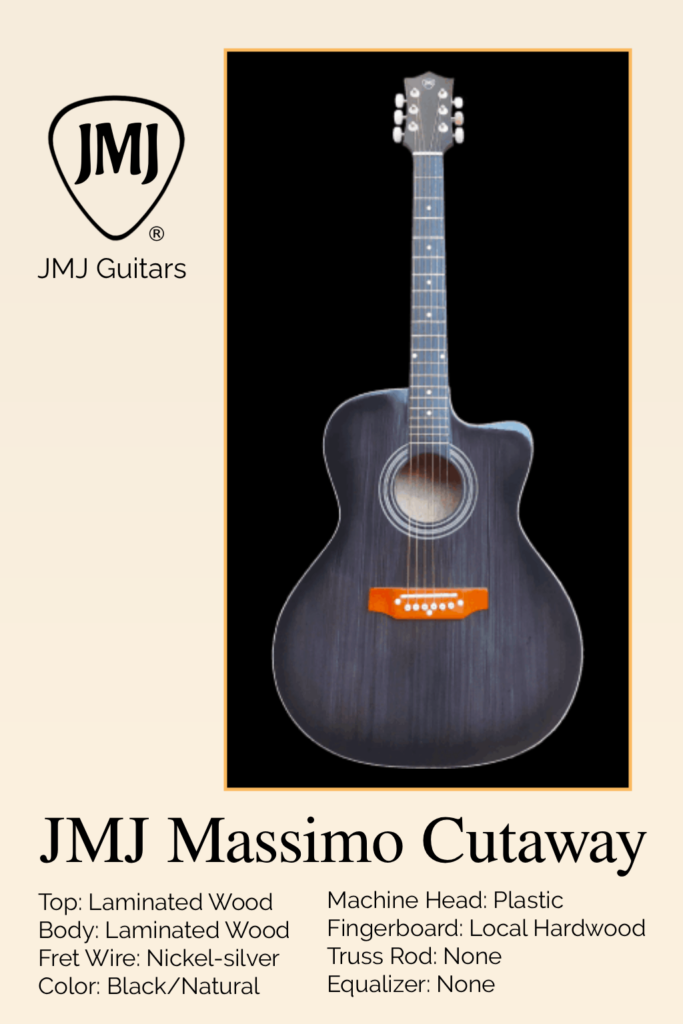
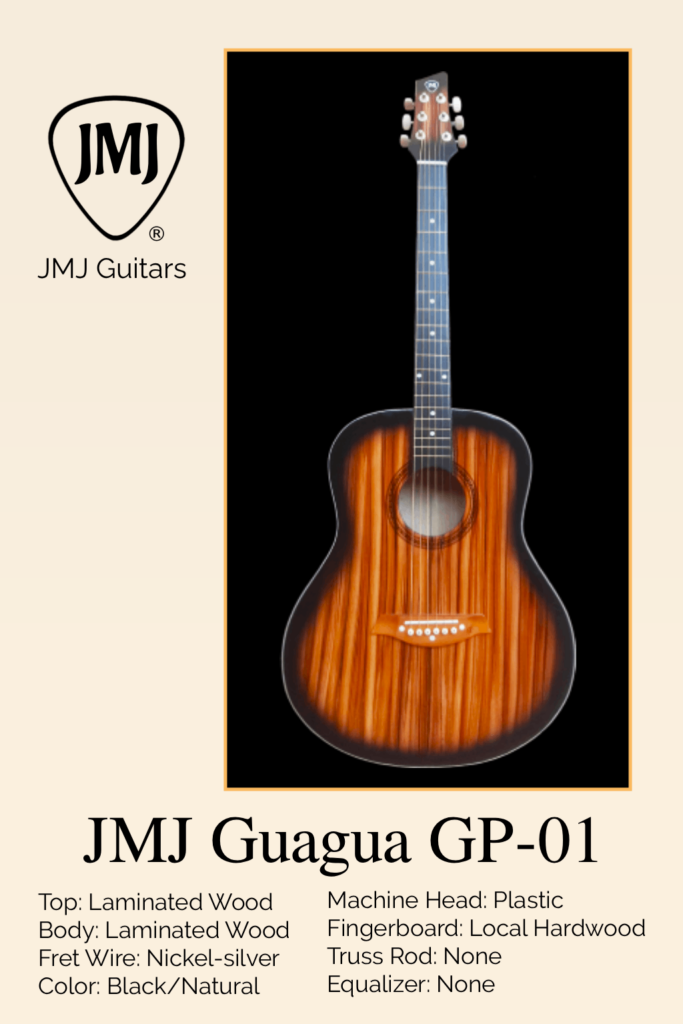
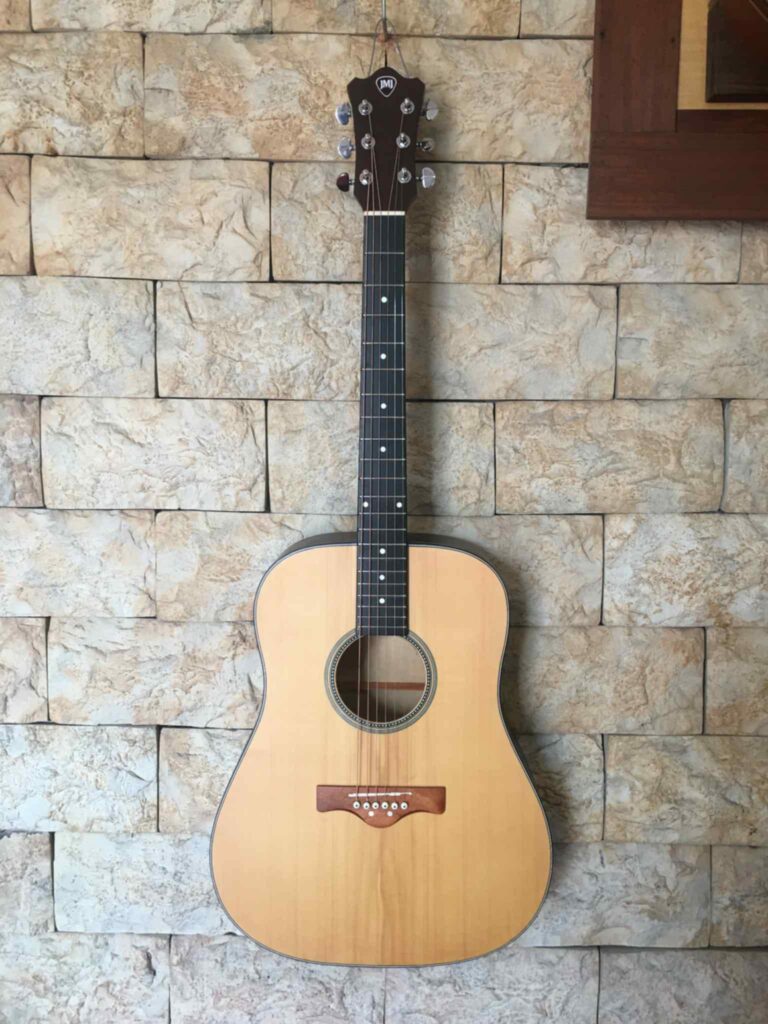
The brand now offers three distinct lines: the ValuePro Line, made from laminated woods; the Premium Line, crafted entirely from solid woods; and a Custom-Designed Line that allows clients to choose specifications down to the finest detail. All of them are handcrafted.
“What inspired us to shine a light on Filipino-made guitars,” Lucero says, “is the level of dedication our luthiers bring to their work.” Years of working alongside people from different nationalities gave him perspective. “I noticed something unique about Filipinos: we are often chosen for roles that demand precision and attention to detail.”
That observation led him back to Pampanga, particularly Guagua, a town long associated with guitar-making. JMJ’s luthiers work with techniques passed down through generations, combining traditional methods with modern components like Fishman Isys Equalizers, precision tuners, and advanced finishing techniques.
“We deliberately chose not to pursue factory mass production,” Lucero explains. “Focusing instead on preserving traditional craftsmanship while thoughtfully integrating innovation.”
A family at the center
Although Michael founded the brand, he is clear about where leadership lives day to day. Nil is the owner and manager of JMJ Guitars and JMJ Musical Goods Trading, overseeing registrations, documentation, store operations, and overall business management. She is also the primary face of the brand in the Philippines.
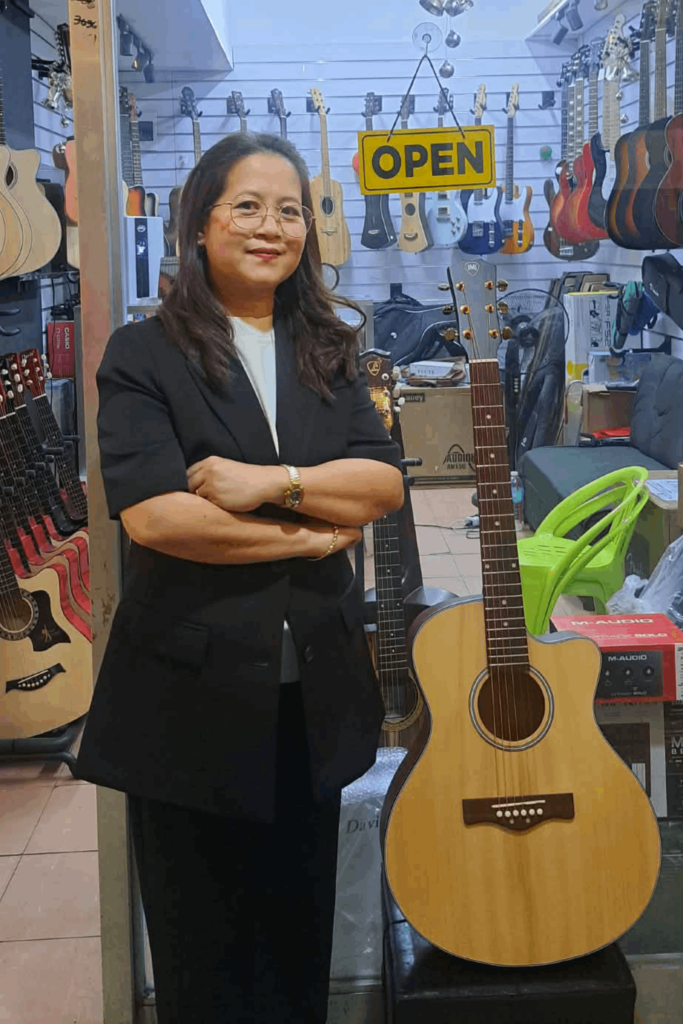
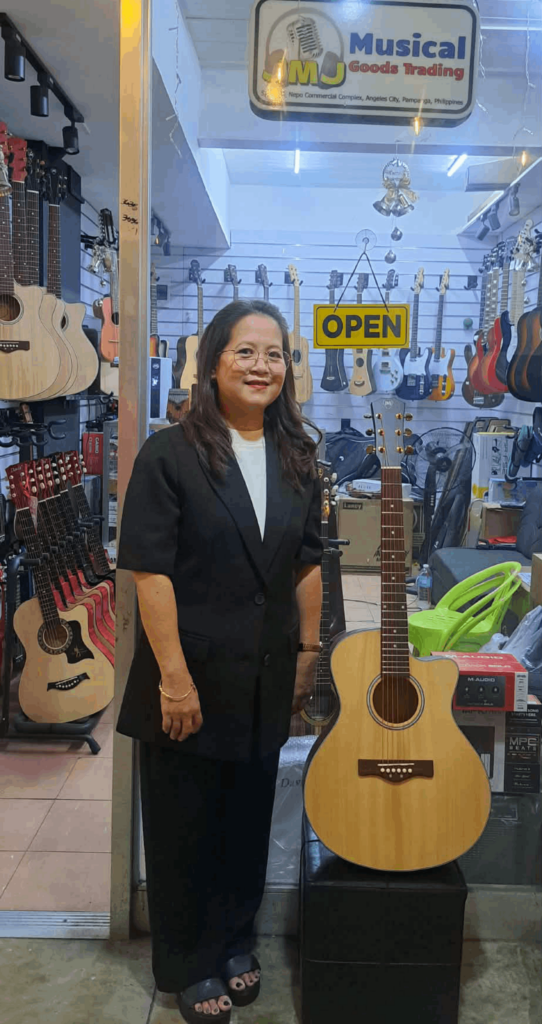
From Dubai, Michael supports brand development and social media management while continuing his engineering work. It is not an ideal setup, but it reflects the reality many Filipino families navigate—building something at home while still relying on overseas work.
“Our family plays a central role in every aspect of JMJ Guitars,” he says. From design decisions to quality control and customer relationships, the business is shaped by shared values and long-term thinking rather than rapid expansion.
That approach has also influenced pricing. “We realized we didn’t need to chase big profits,” Lucero says. “Our goal is to make guitars affordable for those who dream of owning one, just as I did back in my high school years.”
From Pampanga to beyond
Interest in JMJ Guitars has been growing steadily within the Philippines, and now, signs of international curiosity are beginning to surface. A UAE-based musician has expressed interest in the brand and plans to visit the Pampanga workshop in 2026. For Lucero, who continues to live and work in Dubai, the moment feels quietly full circle.
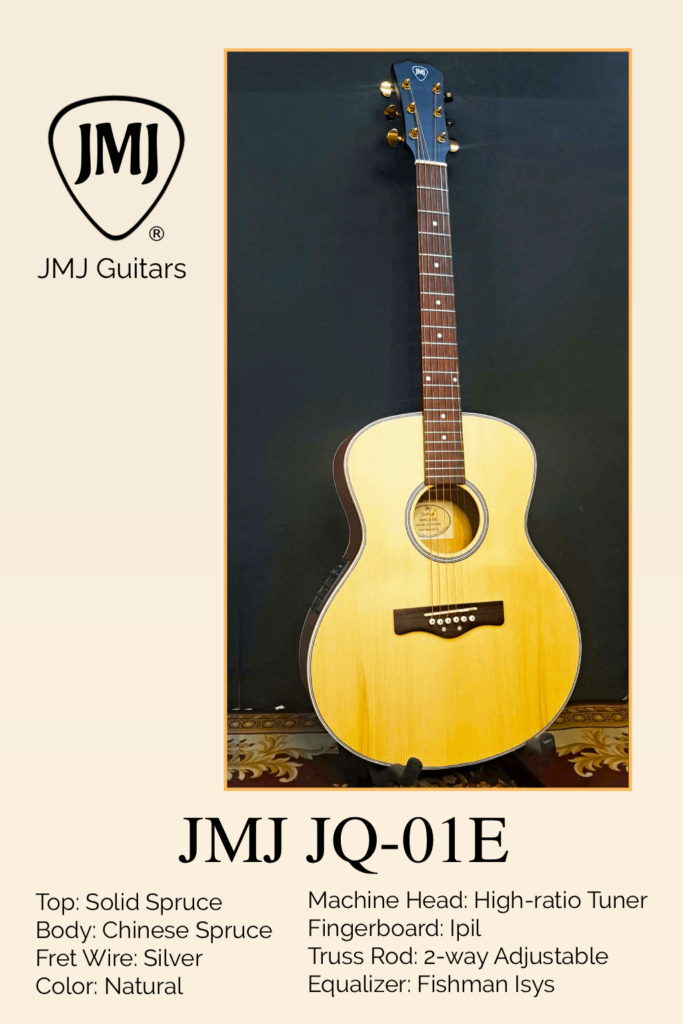
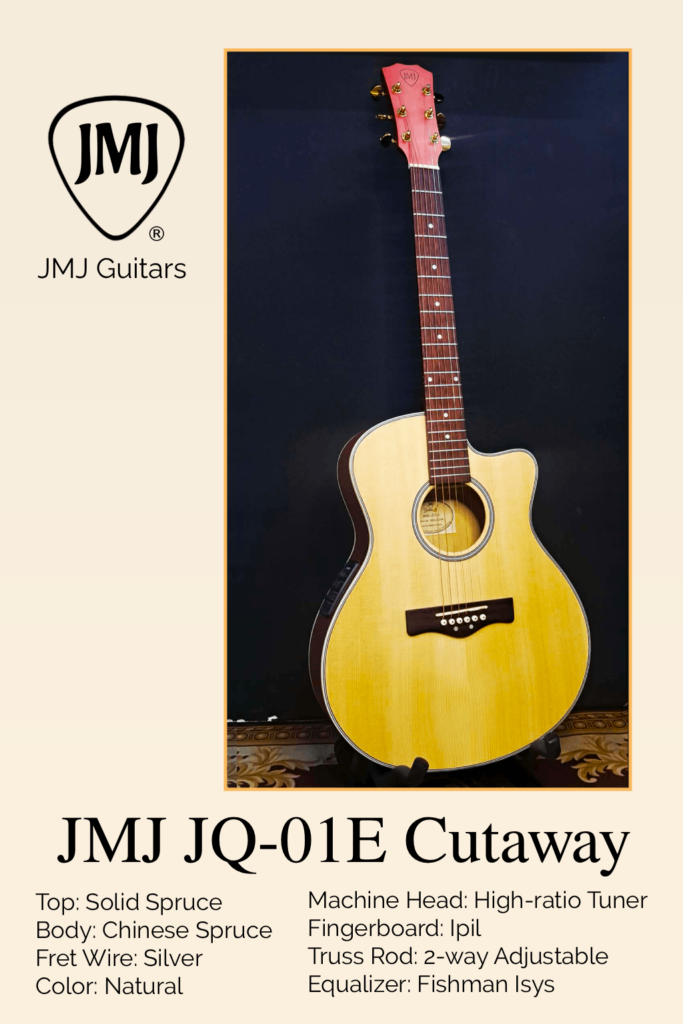
“It’s incredibly rewarding to see growing interest in our guitars, both in the Philippines and abroad,” he says. “Knowing that musicians from different cultures appreciate the craftsmanship, sound, and character of our guitars fills us with pride and motivation.”
Looking ahead, Lucero’s hopes remain grounded. He wants JMJ Guitars to grow, but not at the expense of its roots. The bigger goal is to help sustain and inspire the next generation of Filipino luthiers, proving that traditional craftsmanship still has a place in a modern, global market.
