



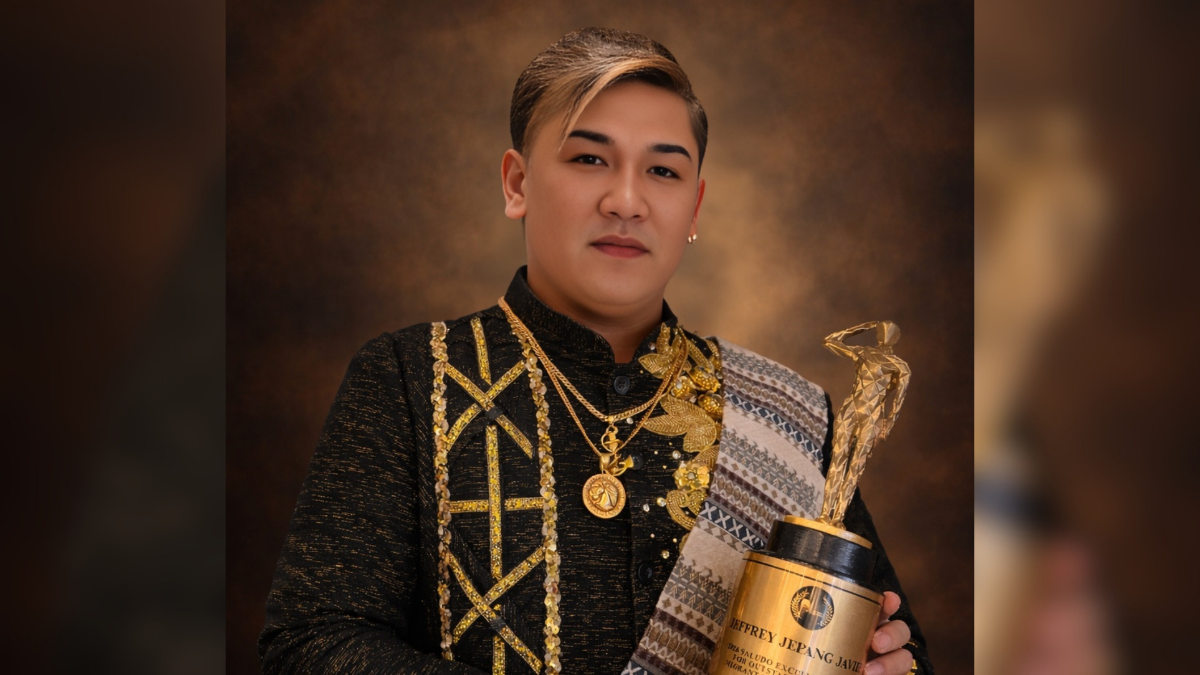

Almost every OFW success story skips the part where the first business fails. The kiosk that shuttered, the salon that never caught on, the grocery that drained the savings — these get folded quietly into the past, footnotes on the way to the awards stage. Jeffrey “Jepang” Javier doesn’t skip them. He counts them.

Before there was a multi-awarded restaurant in Al Ahsa in Saudi Arabia, before the trophies and the GMA-conferred humanitarian citation, there were three small businesses in Bangar, La Union — a food kiosk, a beauty salon, a grocery — and all three went under. “These setbacks became a turning point in my life,” he shares with TGFM, and he means it less as a polished line than as a plain accounting of what happened. The failures came first. Everything else was built on top of them.
From the barangay hall to the departure gate
Jepang, 41, grew up the youngest of three in Barangay Central West 2, Bangar, raised by Hilario and Antonia Javier in what he describes as modest circumstances. The ambition showed early. He graduated with honors from Bangar Central School in 1998, moved on to the Regional Science High School for Region 1, and earned a degree in Secondary Education from Saint Louis College in San Fernando. He trained to be a teacher.


He also got an early taste of leadership the way a lot of small-town kids do — through the Sangguniang Kabataan. He chaired his barangay’s youth council and later served as SK Federated Secretary for the municipality of Bangar. By 2014, the Filipino community in Saudi Arabia would name him Most Outstanding Community Leader, but the instinct was there long before, in the local council meetings of a coastal La Union town.
What he didn’t anticipate was how hard it would be to make a living at home. The food kiosk, the salon, the grocery — launched around 2007, fueled by exactly the entrepreneurial energy that would later define him — simply didn’t work. They bled money. For someone who’d been the honors student and the youth leader, the failures stung in a particular way.
So in 2009 he did what roughly two million Filipinos do every year. He left.
The flower shop, the pandemic, and the taxi
Saudi Arabia became home, and for a while the second act looked like the comeback the first act had promised. From 2016 to 2019, Jepang ran Diamond Flower Shop and Wedding Events in Hofuf, Al Ahsa — arranging flowers, planning weddings, building a clientele largely made up of fellow OFWs. It worked. In 2019 the Philippine Overseas Labor Office’s Eastern Region named him Most Outstanding Migrant Worker, and that October, OWWA Region 1 commended his family for their civic and community service.
Then the pandemic arrived and took the business apart piece by piece.
His clients were OFWs, and OFWs were exactly who got laid off and sent home first. As the weddings stopped and the repatriation flights filled, demand for floral arrangements and event planning evaporated. He closed the shop. For the second time in his life, a Jepang business had failed — except this time he had employees who’d been depending on it, and a family back home counting on the remittances.
This is the stretch of the story that explains the rest of it. Rather than wait the crisis out, Jepang drove a taxi. He delivered food. He has talked about making deliveries by riding in taxis himself just to keep the income flowing. A man who had stood on a stage in Jeddah in 2016, speaking at an OFW Leaders’ Summit, was now behind the wheel and on the delivery route, doing whatever the day required.
“This experience taught me the importance of resilience, adaptability, and perseverance,” he says. “It strengthened my character and reminded me that challenges are opportunities for growth.” It’s the kind of sentence that can sound like a motivational poster — until you remember he earned it in a taxi during a global lockdown, not in a seminar.

The restaurant that finally stuck
Out of that low point came Jepang’s Filipino Restaurant.
The logic was almost stubborn: he had tried food before, back in Bangar, and it had failed. He tried it again anyway, this time in Al Ahsa, this time with two decades of hard lessons behind him. And this time it held. The restaurant built a reputation on authentic Filipino cooking and the kind of service that turns first-time diners into regulars, and the recognition followed quickly. In May 2024, Netizen’s TV named the restaurant Netizen’s Choice for Best Filipino Cuisine and honored Jepang as Most Empowered Business Leader and Entrepreneur. In April 2025, the venture was recognized at the Asia’s Best Brand and Leadership Awards.
Ask him why this work, of all the things he’s done, and the answer isn’t really about food.
“I appreciate that my current work allows me to serve people while making a positive impact on their lives,” he says. “As a restaurant owner and community leader, I enjoy providing quality food, creating employment opportunities, and bringing people together.” He chose hospitality, he explains, “because I have always been passionate about service, hospitality, and helping others. Coming from a humble background, I understand the value of hard work and perseverance.”
The phrase “creating employment opportunities” lands differently once you know about the flower shop. He remembers what it felt like to close a business and have to tell people their jobs were gone. The restaurant is partly an answer to that memory.
What the awards leave out
Jepang has collected a long list of honors — a La Union Service Award from the provincial government in 2020, a Greater Goods humanitarian recognition in 2024, Model OFW Family of the Year from OWWA Region 1 in 2025, and most recently the Saludo Awards’ Most Outstanding Filipino Migrant Worker of the Year in April 2026. Lined up, they read like a victory lap.
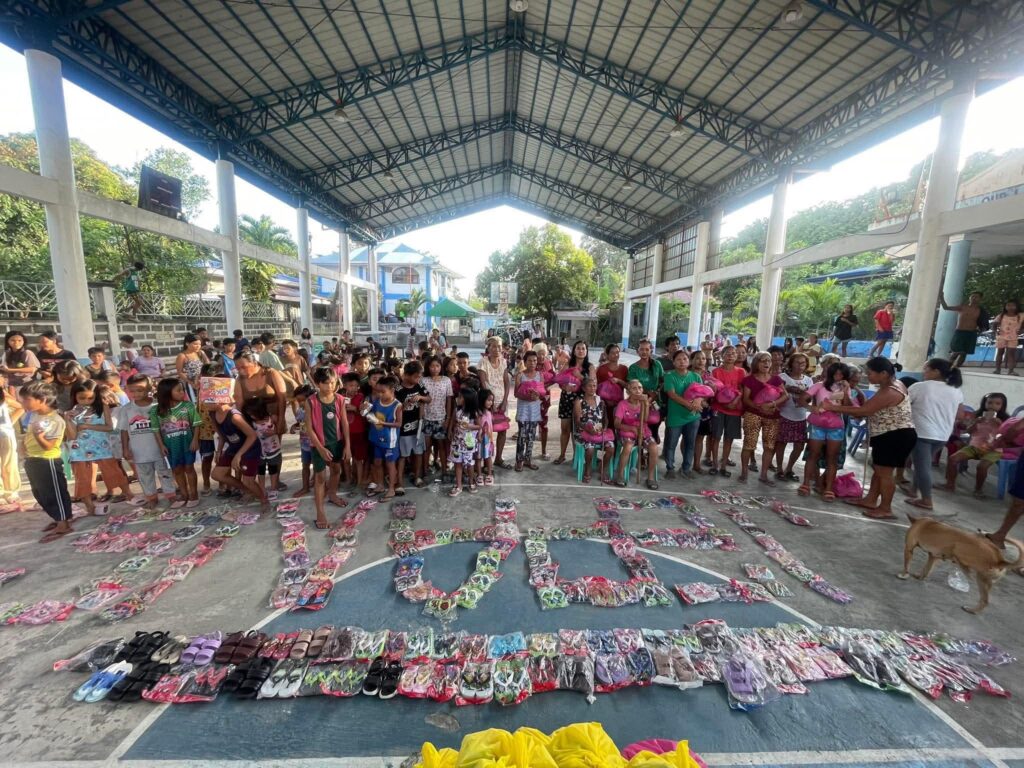
What the citations don’t capture is the work underneath them. He founded Filcomah, a Filipino community organization in Al Ahsa that supports distressed OFWs through advocacy and direct assistance — the people who get laid off, stranded, or caught in disputes far from home. He established the Jepang Scholarship Foundation to help students from poor families finish school; some scholars have already graduated and found stable work. When his older sister passed away, he took on her children, putting nieces and nephews through college, two of whom have already finished.
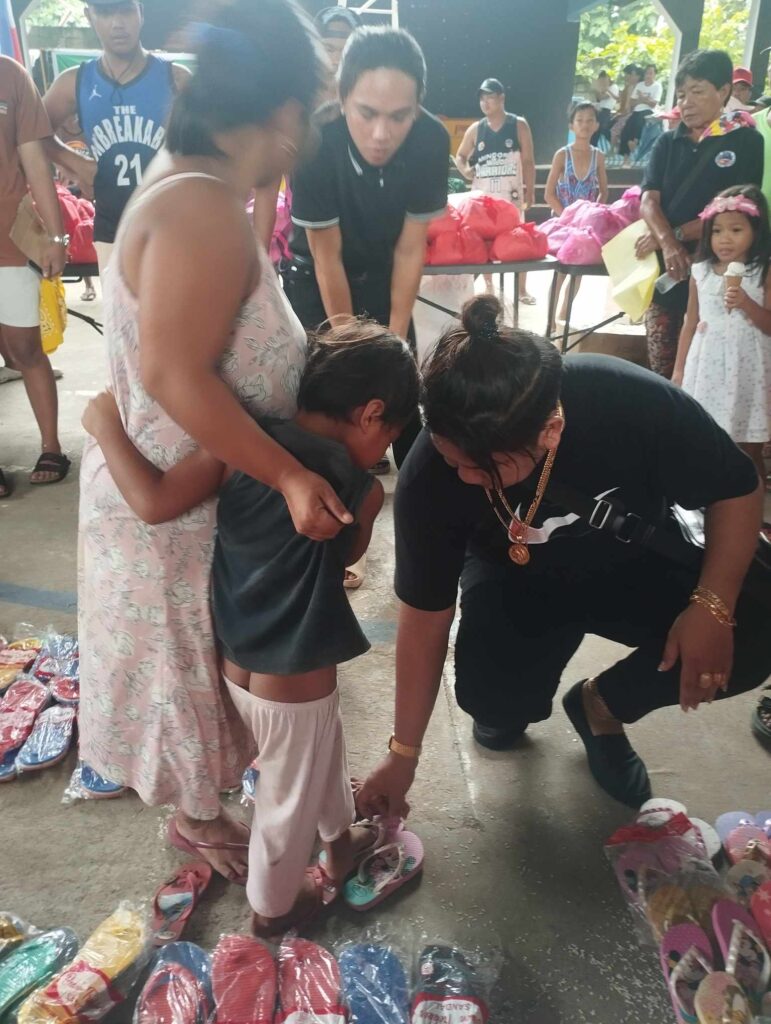


“Success becomes more meaningful when it is shared,” he says — and the structure of his life backs the claim up. The giving isn’t a postscript to the success. It runs alongside it, and frequently it came before the money did.
His advice to other OFWs carries the same weight, because he’s lived every line of it. “Always remember the reason why you started your journey,” he says. “There will be challenges, sacrifices, homesickness, and moments when you feel like giving up, but stay focused on your goals.” Then, switching to the language that says it most plainly: “Parating balikan ang rason bakit ka po nag-abroad. Mahirap pero pag makikita mo ang saya sa iyong pamilya na naibibigay mo ang pangangailangan nila, iba sa pakiramdam.”
He talks about going home eventually — expanding the scholarship foundation, pushing for financial literacy among OFWs, building livelihood programs for families back in La Union. The plans are specific and unglamorous, which is how you can tell he’s serious about them.
Seventeen years abroad, several failed businesses, one closed flower shop, and a stint driving a taxi through a pandemic stand between the honors student from Bangar and the restaurant owner he is today. Jepang never pretends that line was straight. “Success is not measured solely by awards, titles, or financial achievements,” he says, “but by the number of lives we are able to touch and inspire.” Coming from someone who has plenty of the former, it sounds less like modesty and more like a man telling you exactly what he learned the hard way.
