




Nine out of 10 rank-and-file teachers are earning below the family living wage, Alliance of Concerned Teachers chairperson Ruby Bernardo said Thursday, April 16, warning that the ongoing energy crisis is compounding an already severe debt burden among educators who depend on loans to cover basic needs.

The disclosure came as multiple government agencies scrambled to extend crisis relief beyond the transport sector, with programs now reaching minimum wage workers, fisherfolk, and small-scale operators across the country.
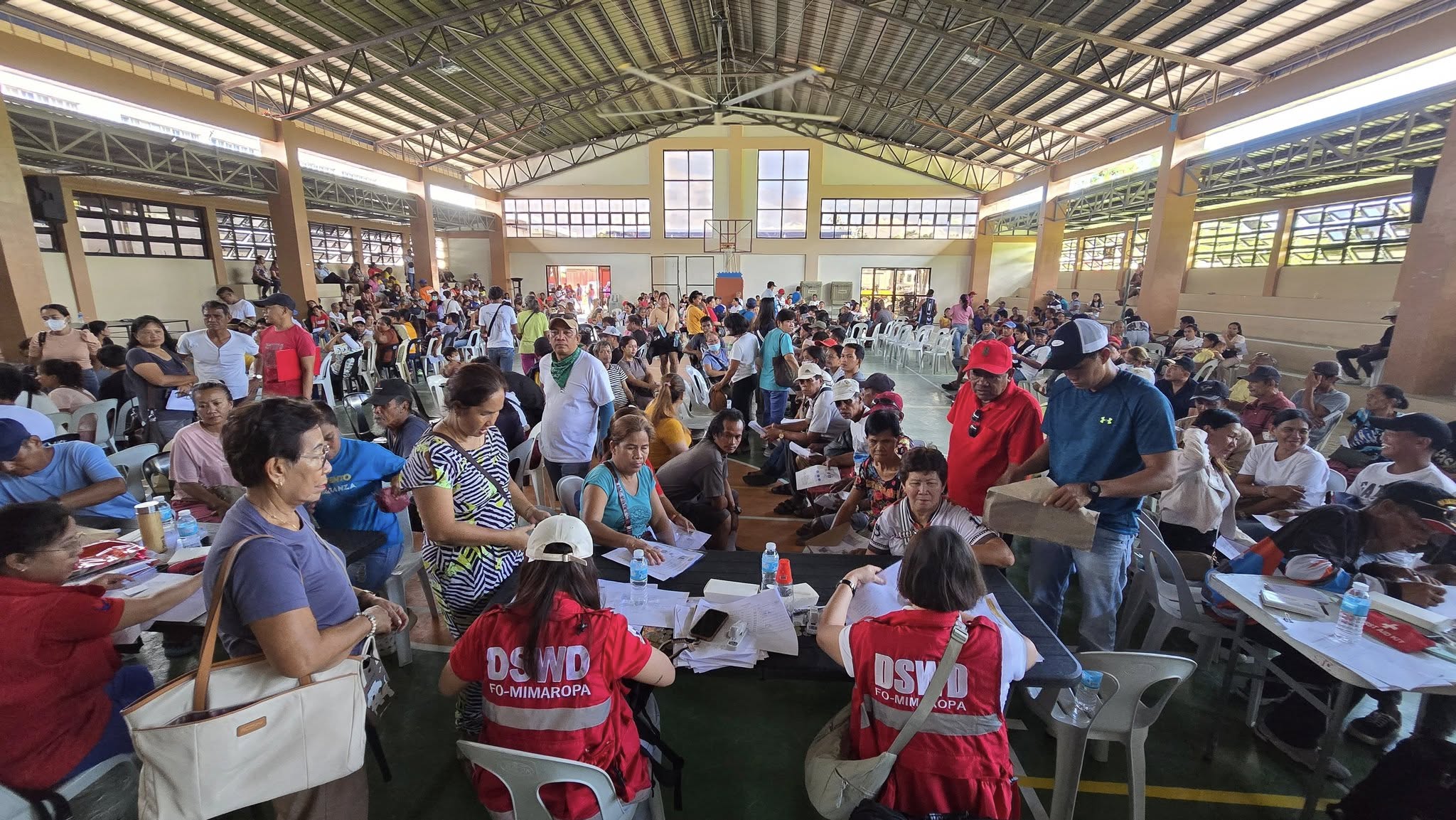
The Department of Social Welfare and Development clarified that its cash relief under the Assistance to Individuals in Crisis Situations program is not confined to public utility vehicle drivers. Undersecretary Adonis Sulit, speaking at a Senate committee hearing on April 13, said the program covers anyone experiencing hardship regardless of income bracket.
“The cash assistance being distributed by DSWD is a social protection intervention. Being part of the Assistance to Individuals in Crisis Situation, all individuals whether poor or middle income can access this program,” Sulit said.

He added that DSWD Secretary Rex Gatchalian has put forward a proposal for a household top-up of at least P6,000 and an individual-level top-up of P1,500.
Sulit described the broader cash relief mechanism as the agency’s emergency response to the effects of the Middle East conflict on domestic prices. “The cash relief assistance being implemented by the DSWD are our emergency scheme to address those mostly affected when the conflict in Middle East started,” he said.
At a separate Congressional hearing on April 15, the Department of Labor and Employment announced it was broadening its TUPAD Tuloy Pasada rollout to include paddlers, motorized banca operators, and tricycle drivers — groups previously outside the program’s initial scope. Undersecretary Ernesto Bitonio said DOLE drew from existing appropriations under its Integrated Livelihood and Emergency Employment Program, setting an initial allocation of P1.2 billion for the crisis response.
Farmers and fisherfolk are also receiving some breathing room, with the Department of Agriculture’s credit arm announcing a suspension of loan repayments as rising fuel costs cut into production and operating expenses.
