



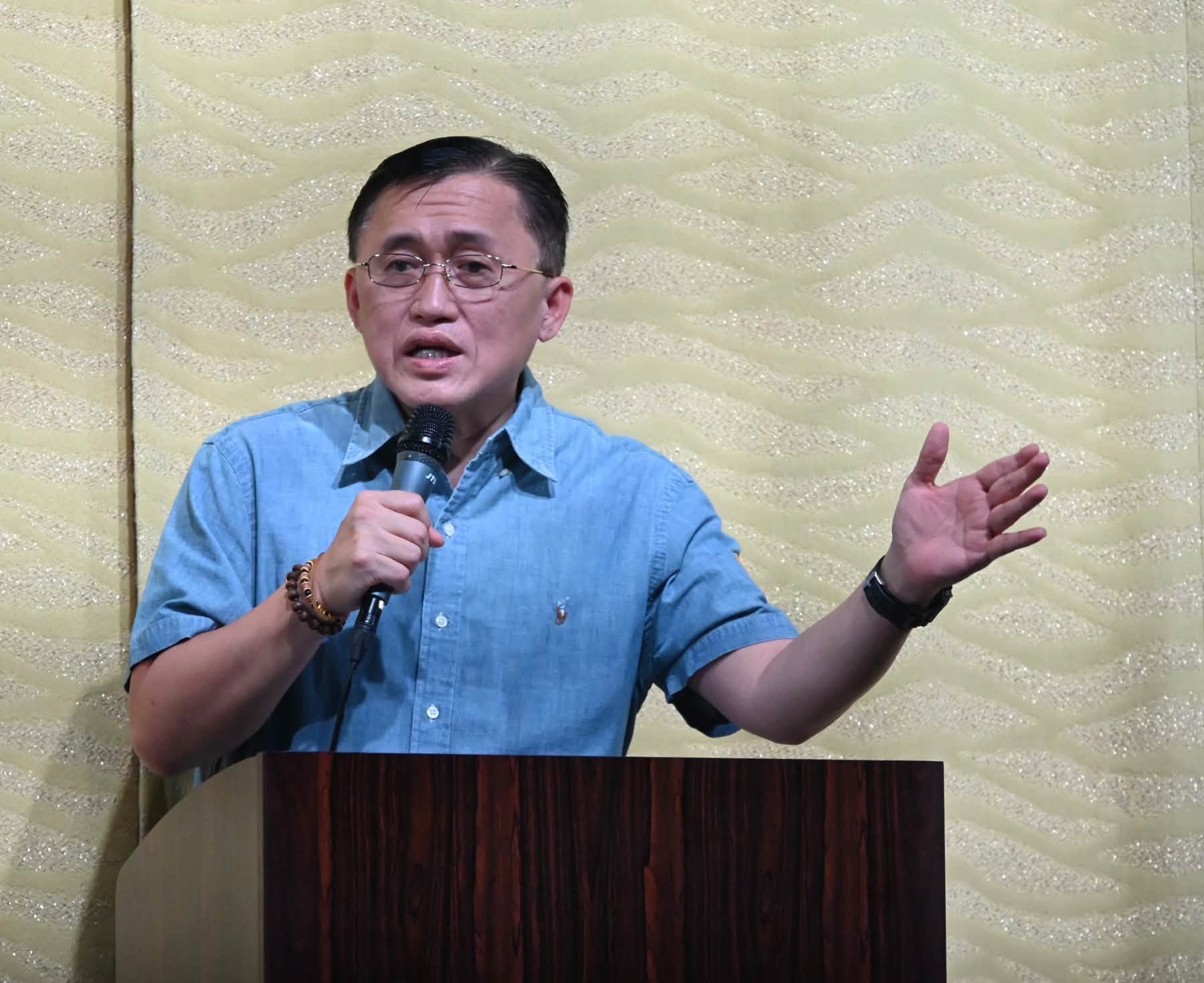

Sen. Bong Go has urged the government to reconsider a proposal to increase the regular passport fee from P950 to P1,500, arguing that Filipinos are already facing higher living costs and economic pressures.

The proposal was discussed during the Senate hearing on the Department of Foreign Affairs’ (DFA) 2027 budget, where Senate Finance Committee Chairman JV Ejercito said the APO Production Unit, Inc., which produces Philippine passports, had requested a price adjustment to keep its operations financially sustainable.
Ejercito said APO warned that without an increase, it could eventually be forced to stop producing passports, potentially creating a supply problem.
“They are saying that if they fail to adjust the price, they might be forced to cease their operations and maybe soon, we will not have a passport by next year … of course, this will be a big problem,” Ejercito said.
Under the proposal, the passport fee would increase to P1,500, while senior citizens and overseas Filipino workers would be charged a discounted rate of P1,200.
Ejercito said the Senate had asked APO to delay the proposed adjustment after receiving its request. He explained that the agency’s appeal stemmed from discussions over the cost of continuing passport production.
“This letter from APO is a consequence of certain negotiations. When they said that they want to increase the price of the passport from the present P950 to P1,500, we told them that, if it is possible, to postpone the increase,” he said.
Foreign Affairs Secretary Maria Theresa Lazaro acknowledged that APO’s request had a basis, noting that passport fees have not been increased for more than a decade. She also cited the shift to 10-year passport validity from the previous five-year period.
The DFA, however, has asked APO to hold off on the increase because a next-generation Philippine passport is scheduled for rollout in mid-2028. Lazaro said raising the fee in January could complicate the transition to the new passport.

“You cannot increase the price of a passport within three years,” Lazaro said, citing the Philippine Passport Act.
She added that the DFA would also need to prepare a public communications plan should a passport fee increase eventually proceed.
Go, meanwhile, said raising the cost at this time would place additional pressure on Filipinos, particularly overseas Filipino workers. He cited the continuing effects of the Middle East crisis, including higher oil prices and increases in basic goods and services, as well as July 2026 unemployment figures.
“Let us not add to the burden already being carried by our people, especially OFWs who sacrifice every day for their families and our country,” Go said.
The senator also recalled that the passport validity period was doubled from five years to 10 years during the administration of former president Rodrigo Duterte, a change intended to reduce the expenses associated with more frequent renewals.
He questioned the need for a higher fee following that extension and suggested that government support could instead be considered if additional funding is genuinely required.
“If it is really necessary, the government should consider subsidizing it rather than allowing the funds to end up in corruption,” Go said.
“Billions of pesos in public funds are available — why not use them for the benefit of the people? What Filipinos need now is compassion, not additional hardship. Service, not business,” he said.
Ejercito said the DFA should inform the Senate if subsidizing passports becomes necessary, while acknowledging that the government is operating within limited fiscal space.
