





Every dance floor holds a quiet contradiction: the movements look effortless, but behind each clean routine are years of aching muscles, failed auditions, and days when quitting seemed like the only sensible option. Mark John Almeria knows that contradiction intimately. Known professionally as ZIN MARKIE, the 33-year-old international performer, licensed Zumba instructor, and hip-hop choreographer has spent his life proving that the gap between how easy something looks and how hard it actually is can be closed only by refusing to stop.

For him, dance was never a hobby that happened to grow into a career. “Dancing was more than just a passion—it became my life,” he shares with TGFM. That distinction matters. It is the difference between someone who performs and someone who cannot imagine himself doing anything else.

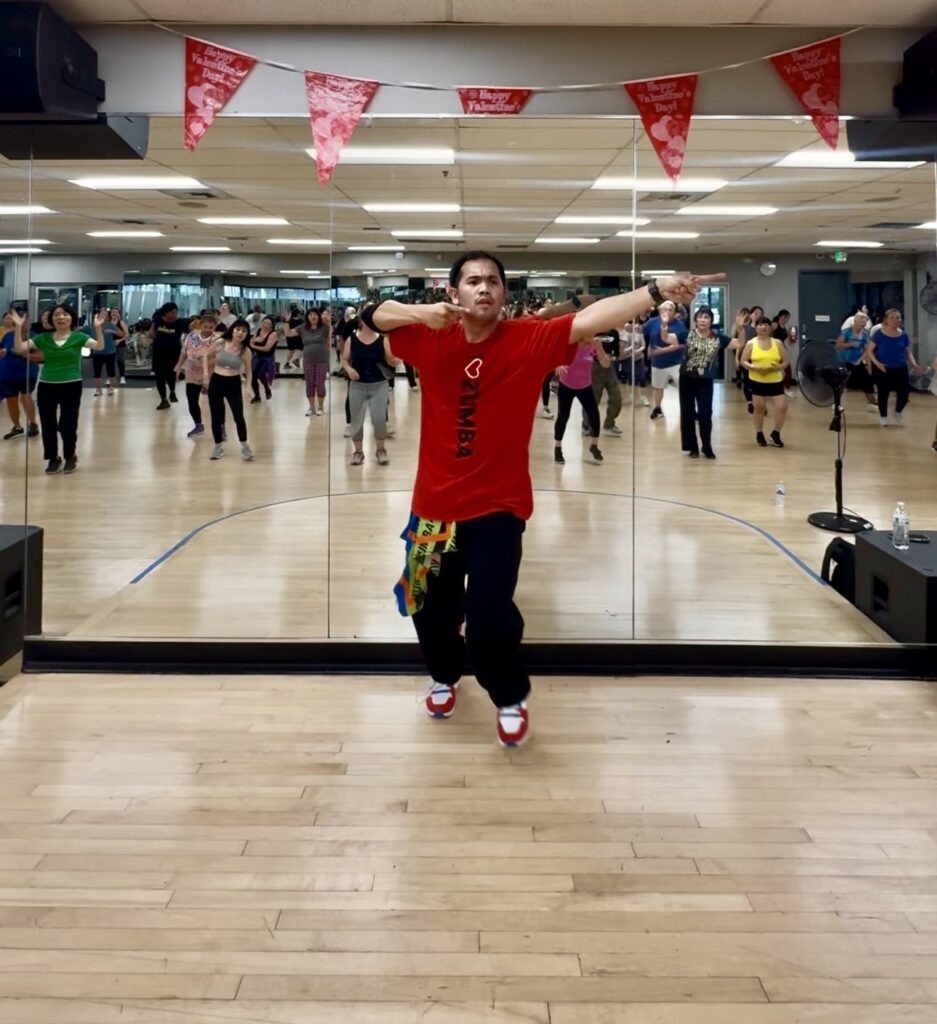
Learning that movement is only half the work
Long before the United States entered the picture, the foundation was laid in the Philippines, where he trained, competed, coached, and eventually became one of the pioneers of Junior New System, the Filipino dance group that first carried his talent onto international stages. It was there, in the rehearsals and the losses and the long hours, that he learned what dance actually demands.
“It is about discipline, sacrifice, teamwork, courage, and believing in yourself even when nobody else sees your dream yet,” he explains. That last phrase carries the weight of experience—the specific loneliness of chasing something before anyone believes it is possible.
What is striking about the way he tells his own story is how little of it is about himself. Ask him what made those early years meaningful, and he keeps returning to other people. As a choreographer and coach, he found purpose in helping other performers build their skills, their confidence, their stage presence. “When I teach someone a routine, coach a performer, or encourage a young dancer who is struggling, I feel that I am passing forward everything that dance has given me,” he says.
It is a generous way to describe a competitive field, and it hints at something that would later define his work abroad: the conviction that talent means little unless it lifts someone else with it.
A leap of faith with no safety net
Three years ago, he made the decision that reroutes so many Filipino lives—he left. The choice was not made lightly, and he does not pretend otherwise. Leaving meant walking away from people, places, and memories that anchored him. “Sometimes, you have to leave your comfort zone to discover how far your dreams can take you,” he reasons.
He calls the move to America a leap of faith, and the phrase is not decorative. He arrived knowing the challenges would be real and knowing, too, that he had no guarantee any of it would work. The early months tested exactly the things he had been warned they would. A new culture. Different living standards. An unfamiliar environment. And, hardest of all, the language.
“There were moments when communicating with people was difficult, and there were times when I felt that I was far away from everything familiar,” he recalls. Homesickness arrived on schedule, and with it, the question that visits nearly every worker who has ever boarded a one-way flight: whether the whole gamble was a mistake.
His answer was not dramatic. It was methodical. “I listened. I observed. I practiced communicating. I learned the culture. I made mistakes, but I kept trying.” There was no single breakthrough moment, no scene where everything suddenly clicked. There was only the slow, unglamorous work of adaptation—the part of the immigrant story that rarely makes it into the highlight reel.

What kept him upright, he says, was a refusal to forget why he had come. “I did not come here simply to have an easier life. I came here to build a better future and to give my dreams a chance.” The support of family, friends, and fellow Filipinos did the rest.

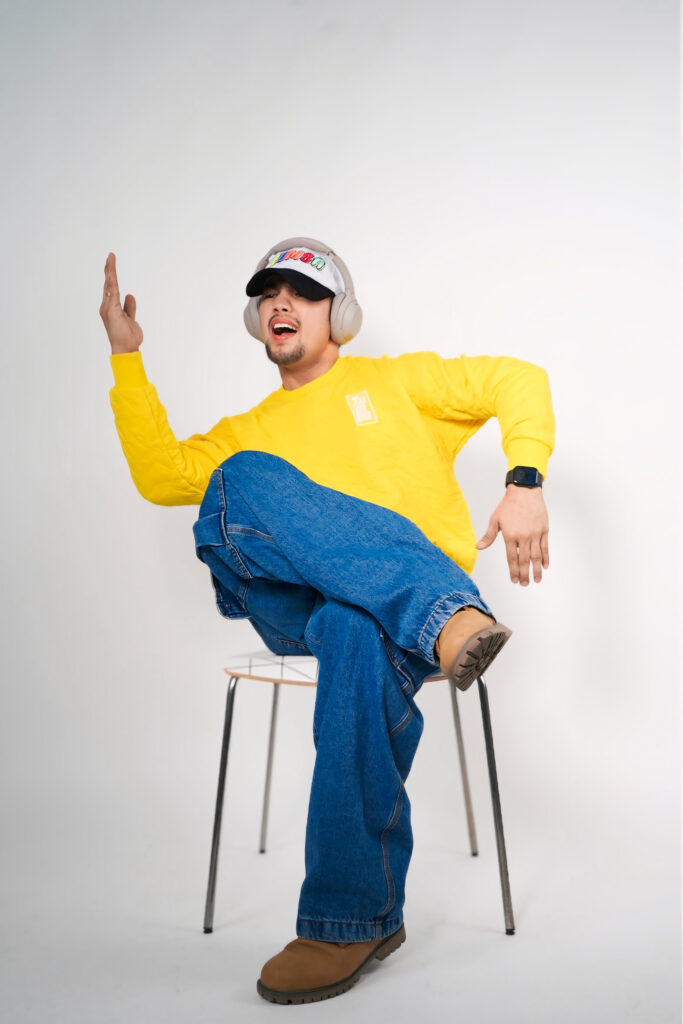
Where the real reward turned out to be
Somewhere in that process, the career he built in America began to look different from the one he had imagined. He still performs and choreographs, still represents the discipline and artistry of Filipino dancers on international stages. But it is his work as a licensed Zumba instructor—and specifically, who he teaches—that seems to have reshaped his sense of what success means.
For him, a Zumba class is never just a workout. “When people walk into my class, they may come carrying stress, loneliness, worries, or personal struggles. But when the music starts, we move together, we smile together, and for that moment, they can forget their problems.” It is a small kind of alchemy, and he is clearly moved by it.
The people who move him most are the older adults. Watching them dance, laugh, and rebuild their confidence has quietly become one of the most meaningful parts of his work. “Seeing them dance, laugh, become active, and gain confidence reminds me that age should never be a reason to stop enjoying life,” he says. It is a lesson delivered in reverse—the students teaching the teacher something about persistence.
That is why the smallest moments land the hardest for him. “Every time someone tells me, ‘Thank you, Mark, your class made my day,’ I feel that I am exactly where I am supposed to be.” For a man who once measured achievement in stage lights and competition wins, it is a telling recalibration. The greatest reward, he has decided, is not applause. It is making a single person smile.
The dream that reaches beyond himself
The ambitions have not shrunk—if anything, they have widened. He wants to tour the United States and beyond, conduct dance and Zumba masterclasses, and keep performing for communities that might never otherwise encounter his work. But the plan he speaks about with the most feeling is not a stage at all.
“I hope that one day I can establish my own dance studio and school, where I can teach the younger generation,” he says. He imagines a place where young dancers can find discipline, confidence, and proof that their circumstances need not decide their futures. The curriculum, in his telling, sounds less like choreography and more like a code to live by: dream big, work hard, stay humble, and never give up.
His advice to other Filipinos abroad follows the same grain, shaped by everything the last three years cost him. “Don’t allow one difficult chapter to convince you that your story is over,” he urges. Be patient. Save wisely. Protect your peace. Believe in yourself even when the journey feels slow.
He is candid that his own story is unfinished—still full of uncertainty, still being written day by day. What he wants from it, in the end, is not personal glory. It is a young Filipino dancer somewhere seeing what he has done and thinking, if he can do it, maybe I can do it too.
He puts it plainly, and it doubles as the truest summary of the man himself: “My dream is not only to reach the top. My dream is to reach the top and bring other people with me.”
