





Some students are told, in so many words, that they were never meant for the front of a classroom. Too young. Born in the wrong part of the country. Handwriting too messy to belong to a teacher. Edelmiro J. Domingo Jr. heard all of it before he had even found his footing in the profession — and answered it by building one of the more unusual careers in the Filipino teaching diaspora, one that now spans two licenses, four levels of education, and 13 years in a single Thai province.

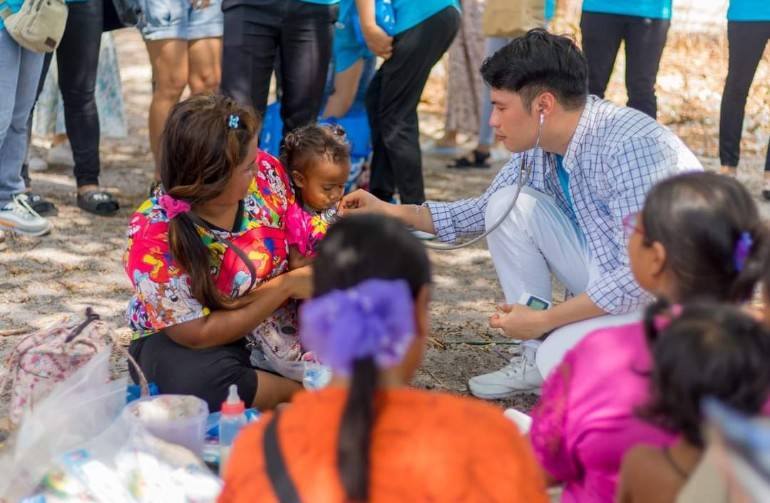
At 37, he is a Year 5 homeroom teacher and school nurse at Balance International School in Surat Thani, Thailand. The pairing is deliberate, not accidental: he holds degrees in both Nursing and Education, and his work folds the two together daily. He teaches, and he also looks after the health and well-being of the children in his care. “Teaching and Nursing are just needing ‘hard work’ but also ‘heart work’: not just molding the minds but also the heart and the bodies for the future of our children,” he says — a line that doubles as his working philosophy.
The nurse who chose the classroom
Edelmiro’s path abroad began with a problem familiar to a generation of Filipino health workers: too many nurses, too few jobs. He was among the roughly 9,000 who passed the Nursing Licensure Exam out of the 90,000 who sat for it — and still found the calling crowded. Rather than wait, he redirected.
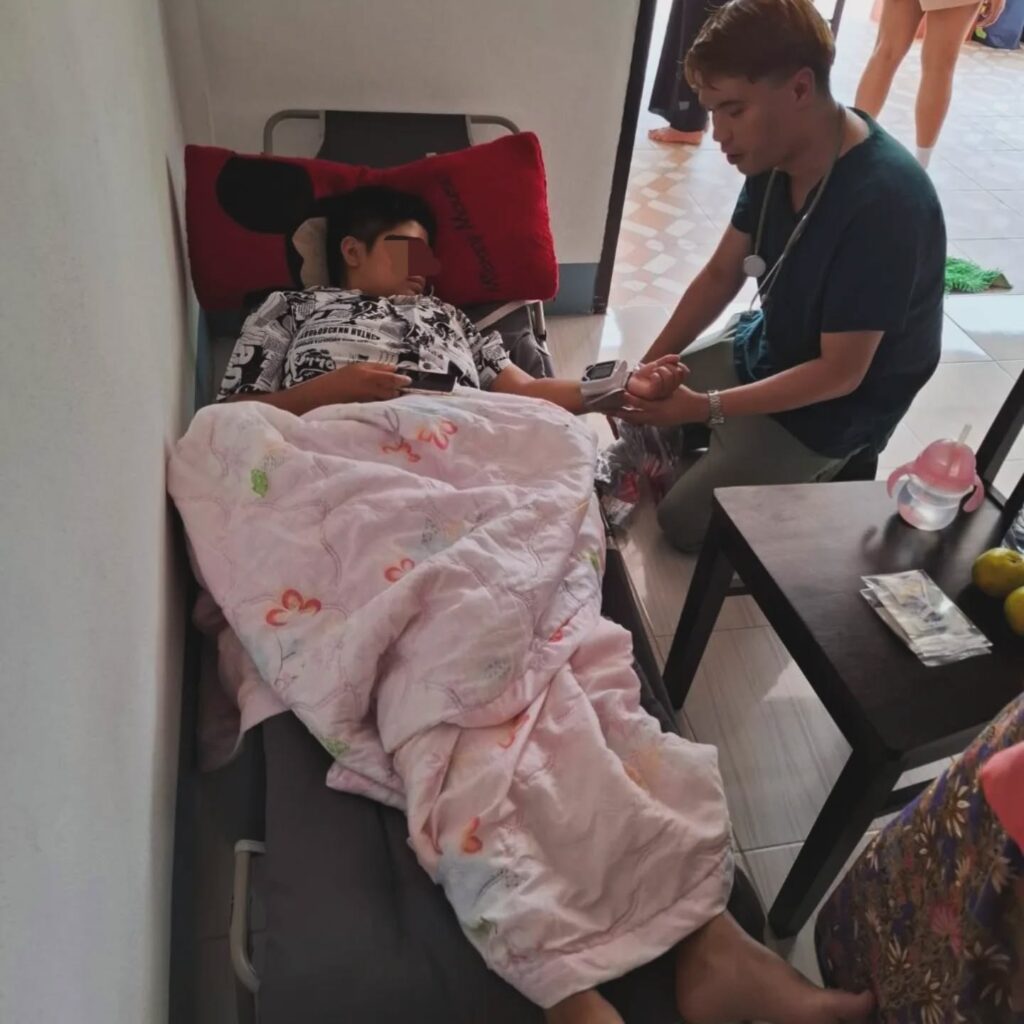
The decision was not purely strategic. Teaching, he says, was his first love. The catch was money. To fund a second degree in Education, he took teaching work in Thailand during the week and studied on weekends, financing the dream he actually wanted while drawing a paycheck from a country that valued him more readily than his own had.
His account of his early years in the Philippines is blunt. “When I was working in the Philippines, I was overworked and underpaid since I was not an education graduate,” he says. He describes being discriminated against in the workplace and taking odd jobs at low pay to get by. Colleagues, he recalls, dismissed him for being too young, for coming from Mindanao, and — in one memorably petty verdict — for having handwriting they deemed too ugly for a teacher.
Thirteen years, one province, every grade level
What he did next reads almost like a survey of the entire education system. He started at a developmental center in Bangkok working with children aged zero to six, then moved through public primary, middle, and high school, into university lecturing, and finally to international school teaching. Along the way he became the youngest — and first Asian — head teacher in the English Program at Surat Thani under the Andrew Biggs Academy, a tenure that ran seven years and began with him teaching gifted English, science, and health.
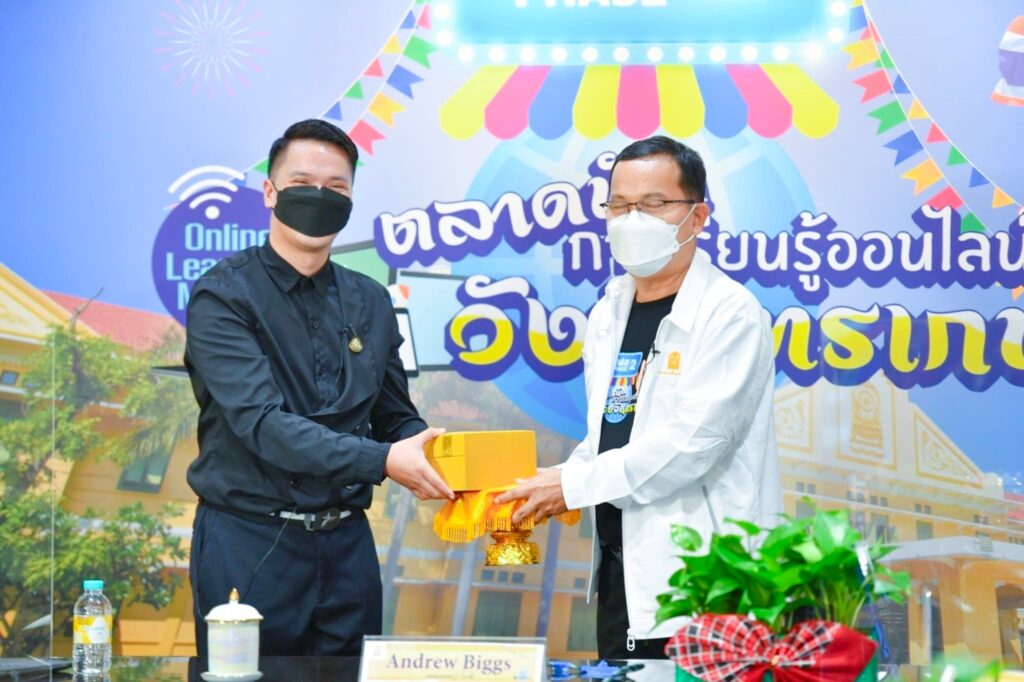
More recently, three years ago, he lectured at Prince of Songkla University’s Surat Thani campus, teaching English for wellness, TOEIC preparation, job applications, and food and beverage service within the Faculty of Liberal Arts.

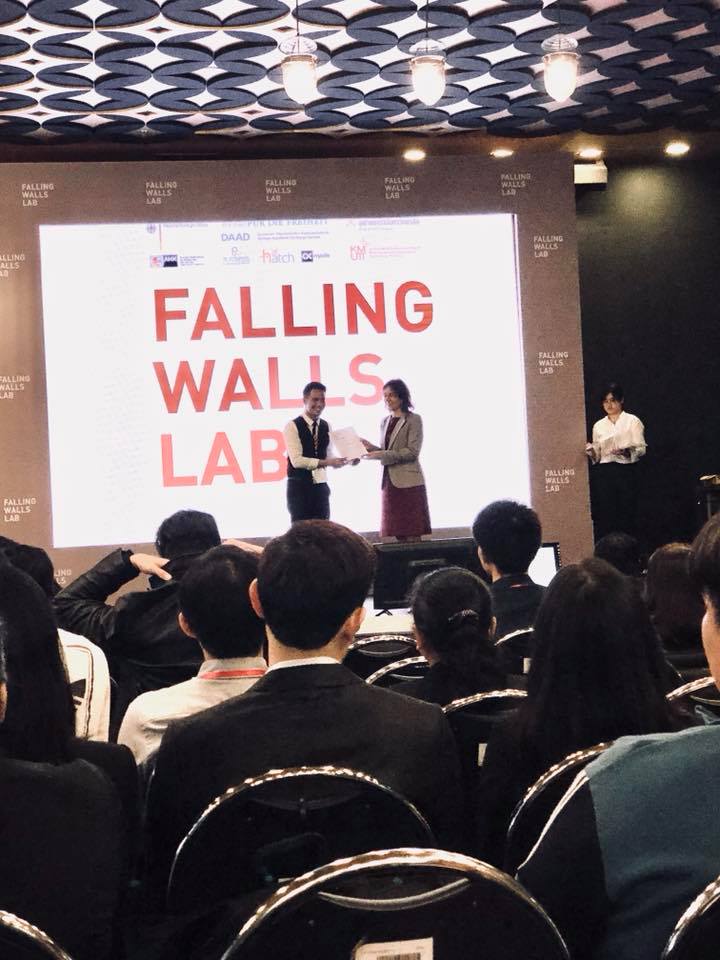
The recognition followed the work. He was the first Filipino teacher invited to speak at Thailand’s Ministry of Education for its nationwide active-learning broadcast, presenting on gamification and game-based learning. He was a finalist and webinar-category winner in the Most Outstanding Filipino Teachers in Thailand awards backed by LE Business Solutions Inc., and a finalist at the Falling Walls Lab Thailand international forum, where he argued for breaking down traditional education through game-based methods in the classroom.
That same research interest has carried into his current studies. He is finishing a master’s in Education majoring in Administration and Supervision, and has already taken best research and most innovative research honors for his study on using gamification and game-based learning for TOEIC preparation.
Heart work, and what comes after
Ask him why the job satisfies him and the answer circles back to the two careers he refused to choose between. He once pictured himself “trapped, working in a hospital with desperate and depressed patients.” Instead he found something he describes with evident relief: the chance to educate young minds and tend to their health at the same time.
His sense of what Filipino professionals offer abroad is expansive. Filipino teachers and nurses, he argues, are appreciated and respected in Thailand and beyond — not only for their labor but for a habit of continuous improvement maintained “despite being underappreciated or discriminated by other races and even our fellow countrymen.” The resilience, he adds, is hard-won: “We are resilient and we have the grit to endure hardships even though we stand alone and being separated from our families.”
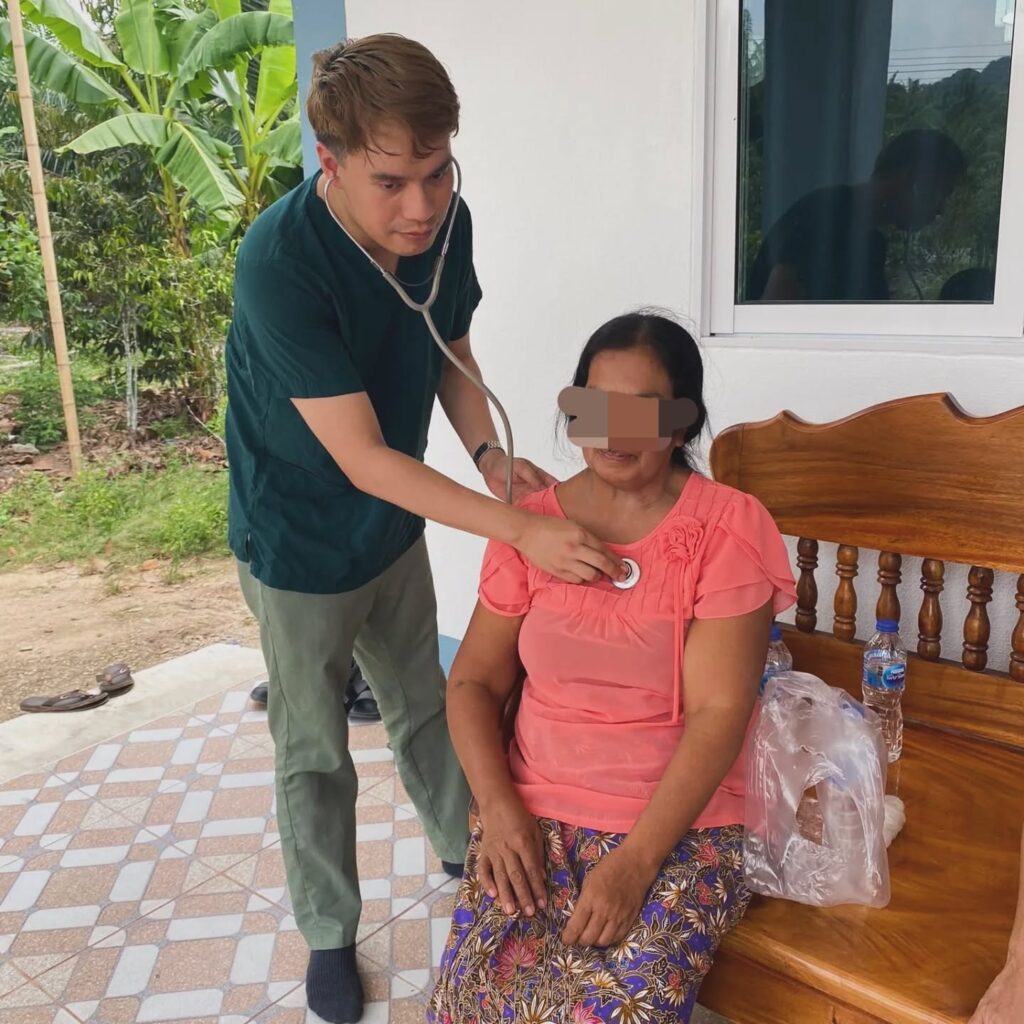
His support during the lean years came from an unlikely quarter. His own family wanted him to stay a nurse and earn more; it was his students and their parents who cheered him on, having watched him push through. “Though no one believed me, I have faith and I believed in my God-given gifts,” he says.
What he wants next is to teach the teachers. Having now taught every level from kindergarten to university, he hopes to mentor educators — Filipinos especially — so they can make a difference wherever they are posted, at home or overseas.
His advice to kababayans abroad is delivered with the conviction of someone who has tested it. “We need to undo the crab mentality and inferiority complex but instead excel and make excellence a habit by helping each other and paying it forward.” For Filipino teachers in particular, his message is simpler still: stand out, showcase the skills, and put the heart in alongside the hard work. “We can do hard things too,” he says, “and we are cut out for the challenge.”
