



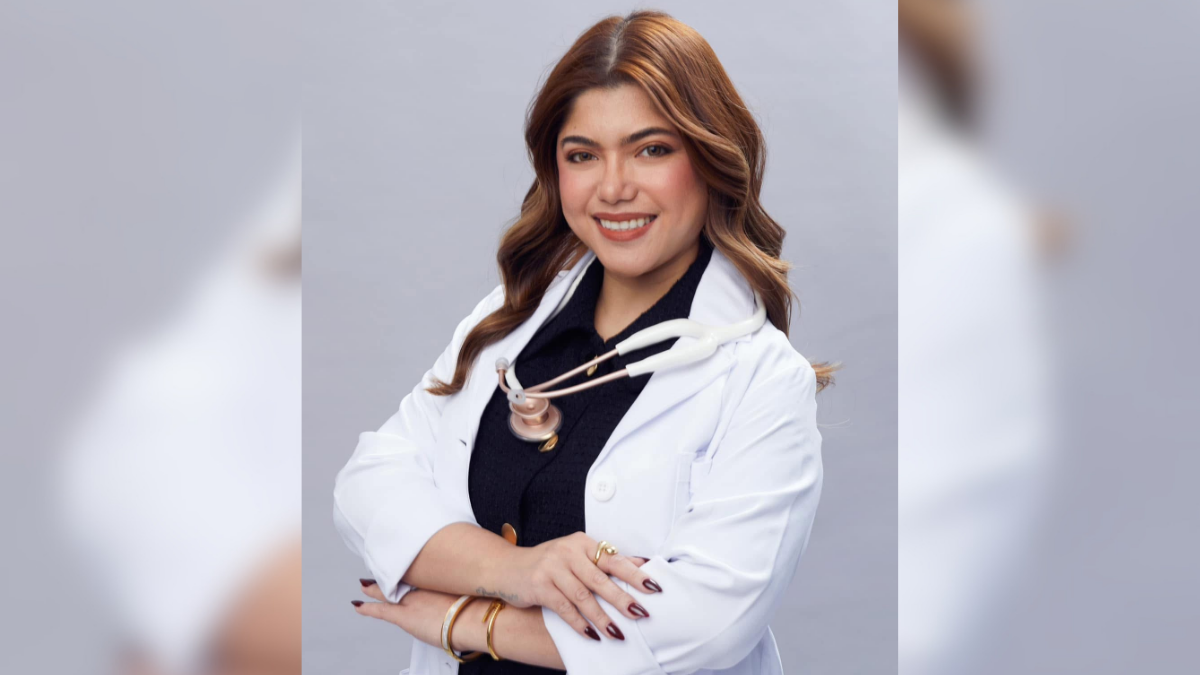

Most overseas Filipinos can name the exact thing they gave up to get where they are. Time with parents. Birthdays. The chance to be home when it mattered most. For Mae Ashley Lagat, the arithmetic of sacrifice came due in 2023, when she lost her father while building a life half a world away in New York City—and chose, in the middle of grief, to keep going.

That decision says almost everything about her. A registered nurse at The Mount Sinai Hospital, she has spent fourteen years abroad turning a provincial upbringing into a career that now spans clinical practice, graduate study, and a growing list of community work back home. But she is quick to locate the source of it all somewhere far smaller than Manhattan.
“Growing up in a small province taught me some of life’s most important lessons—hard work, resilience, faith, and the value of helping others,” she says of her childhood in Naval, Biliran. The lessons stuck. Her guiding mantra—”Mata sa langit, paa sa lupa,” eyes to the sky, feet on the ground—reads less like a slogan than a description of how she has actually lived.
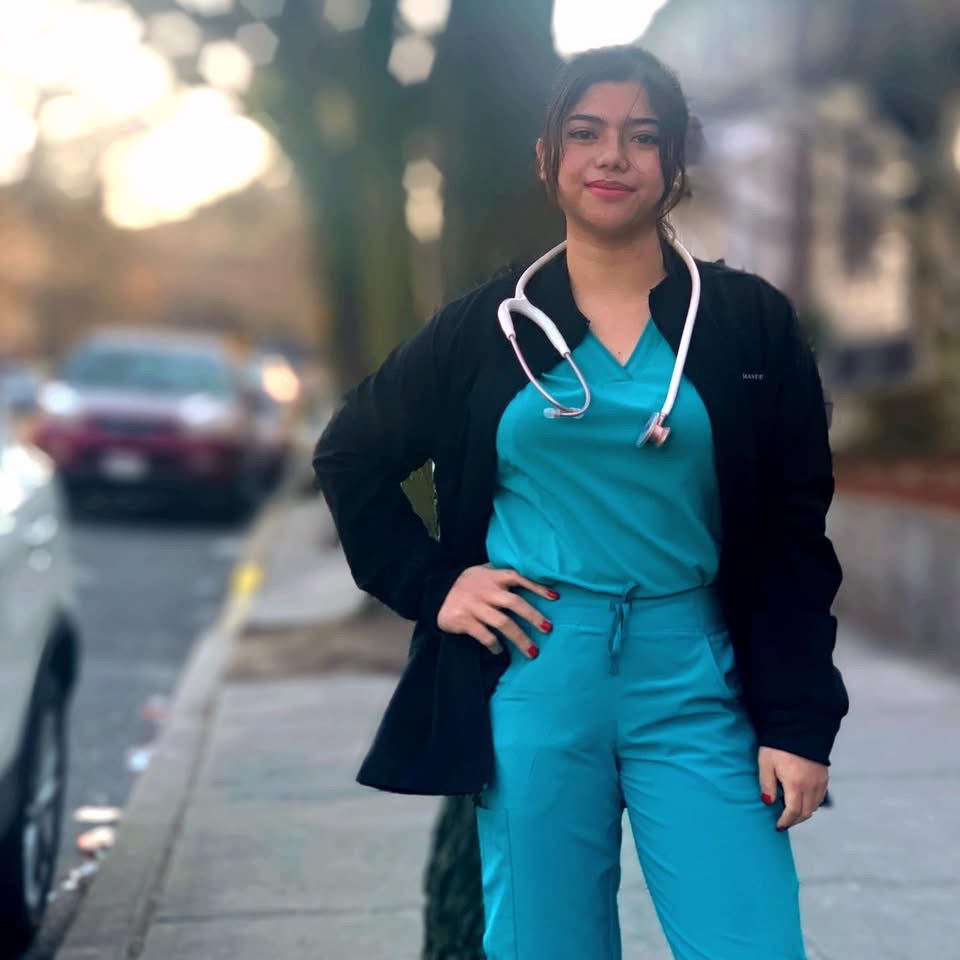

From a small town to a New York hospital floor
The path out of Biliran began the way it does for so many Filipinos: with a search for something more. “Like many Filipinos, I left home in search of greater opportunities,” she explains. But she is careful to draw a line between leaving and abandoning. “My reason for working overseas was never just about career advancement. It was also about creating opportunities for myself and my family while gaining the knowledge and experience that I hope to bring back to the Philippines one day.”
She completed her nursing education in the Philippines, then earned her licensure in New York and built her entire professional career in the United States. The progression was steady and deliberate. She served as a nurse supervisor in a skilled nursing and rehabilitation facility before moving into emergency and observation nursing—roles that sharpened both her clinical instincts and her ability to lead. Today she works in a fast-paced New York City hospital environment, stepping into charge nurse duties when needed, coordinating patient flow and supporting staff while keeping the quality of care steady.
The American healthcare system became its own kind of classroom. “Working in the United States exposed me to a diverse healthcare system and taught me lessons that go far beyond medicine,” she says. “It taught me independence, adaptability, cultural competence, and the importance of lifelong learning.”
What keeps her in it is not the pace or the prestige but something harder to measure. “What I appreciate most about nursing is the opportunity to make a difference in people’s lives every single day,” she says. “I chose this profession because it combines science and compassion. Every patient has a story and being entrusted with their care is a responsibility I never take for granted.”
Grief, and the choice not to be defined by it
Then came the year that tested all of it. Her father—a retired Philippine National Police colonel and former public servant in Biliran Province—died in 2023. He had been, in her words, “one of my greatest sources of strength and inspiration,” a man whose example of “leadership, compassion, integrity, and service” she had spent a lifetime absorbing.

Losing him while continuing to work full-time, study, and carry family responsibilities pushed her to the edge of what she thought she could manage. “There were moments when I questioned whether I could continue pursuing my goals,” she admits. The honesty is striking from someone whose résumé suggests nothing but forward motion.
She continued anyway. And the loss, rather than slowing her, redirected her. “His passing profoundly changed my perspective on life and public service,” she says. “It strengthened my desire to advocate for better healthcare access, stronger institutions, and meaningful community engagement.” Her conclusion is plainly stated and clearly hard-won: “Rather than allowing hardship to define me, I chose to let it shape my commitment to service and leadership.”
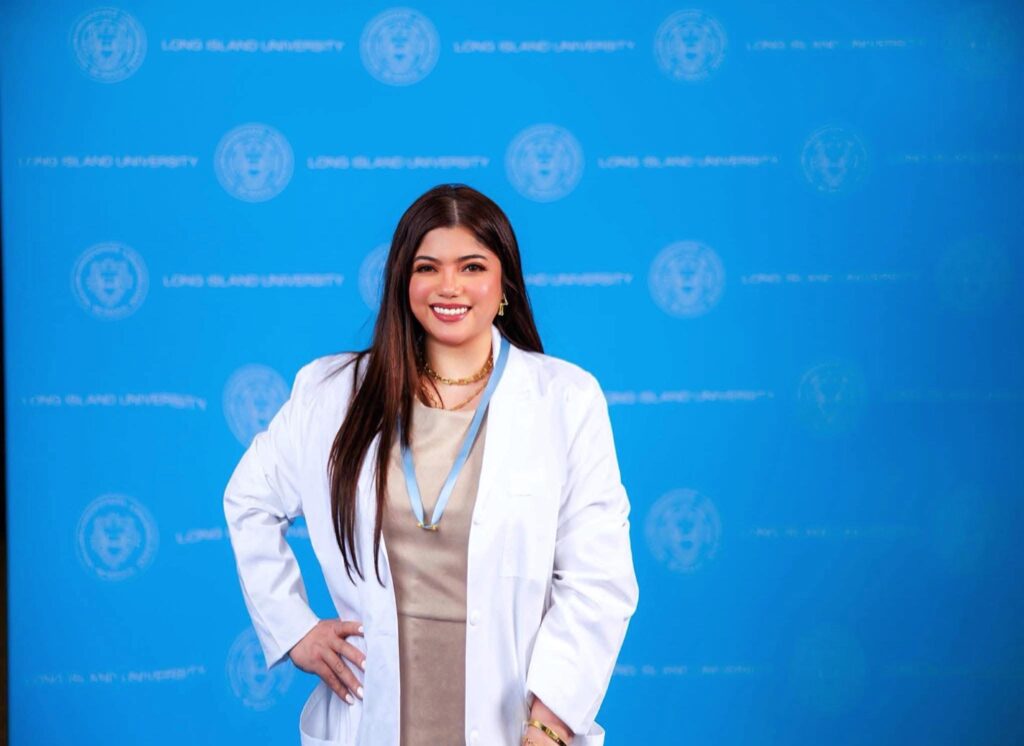
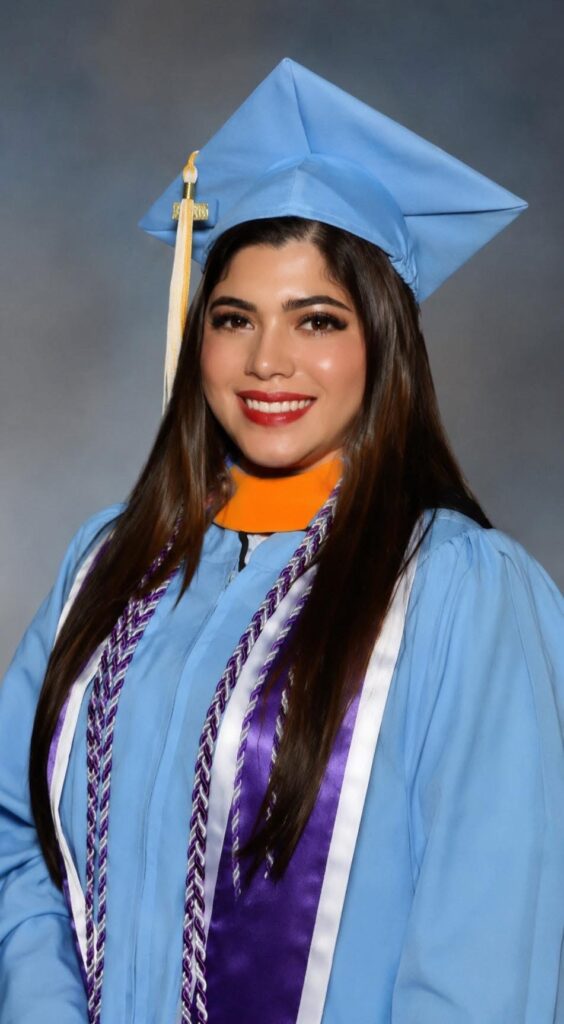
That commitment shows up in the timeline most people would have paused. While working and grieving, she completed her Master of Science in Nursing–Family Nurse Practitioner—a degree earned in stolen hours between shifts. The work was recognized formally when she was inducted into the Sigma Theta Tau International Honor Society of Nursing, one of the profession’s most prestigious circles, an honor reserved for those who demonstrate not only academic excellence but leadership, scholarship, and service.
The fundraiser, and a vision that points home
Long before the master’s degree or the honor society, there was a quieter test of who she was. When COVID-19 swept through her hometown, the New York nurse turned her attention back to Naval. She launched a fundraising campaign, and with friends abroad, local donors, and community members pulling together, raised roughly ₱500,000 to support frontliners and healthcare workers during the worst of it.
The effort drew recognition from LEAD, the Leadership in Education Academy and Development, and from the Local Government Unit of Naval, Biliran. But she frames the reward differently. “The greatest reward has always been seeing communities come together to help one another,” she says. “Those experiences reinforced my belief that ordinary people can create meaningful change when they choose to act.”
Her time in New York has placed her in the public eye more than once. She was featured by NBC in connection with civic participation after acquiring U.S. citizenship, and appeared in a documentary chronicling Filipino nurses on the city’s pandemic frontlines.
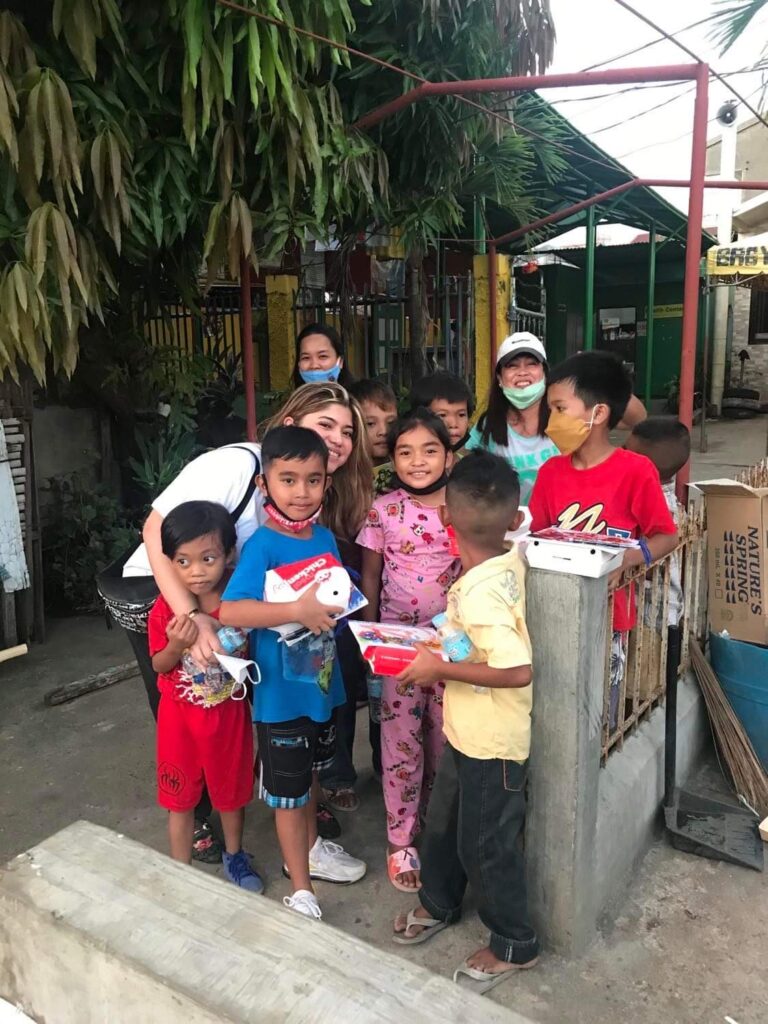
Now her ambitions are turning toward home. She is planning The Ashley Aesthetics, a medical aesthetics and wellness clinic in Pasig City built around preventive care, patient education, and what she calls “ethical and evidence-based care.” Running parallel to it is The Heart of Ashley, an outreach initiative still in development, aimed at underserved communities through health education, humanitarian assistance, youth empowerment, and community development. “I believe healthcare should extend beyond clinic walls and reach those who need it most,” she says.
For kababayans navigating the same loneliness and uncertainty she has known, her advice is unadorned. “Never underestimate the power of education, perseverance, and faith,” she says. “Continue investing in yourself. Learn new skills, pursue further education, and never stop improving. At the same time, remain grounded and never forget where you came from.”
It is, in the end, the same balance her mantra describes—and the same one she has kept through fourteen years, one degree, one fundraiser, and one profound loss. “Where you start does not determine where you can go,” she says. For a woman who began in a small town in Biliran and now walks the floors of a New York hospital, it is less a hope than a record of fact.
