



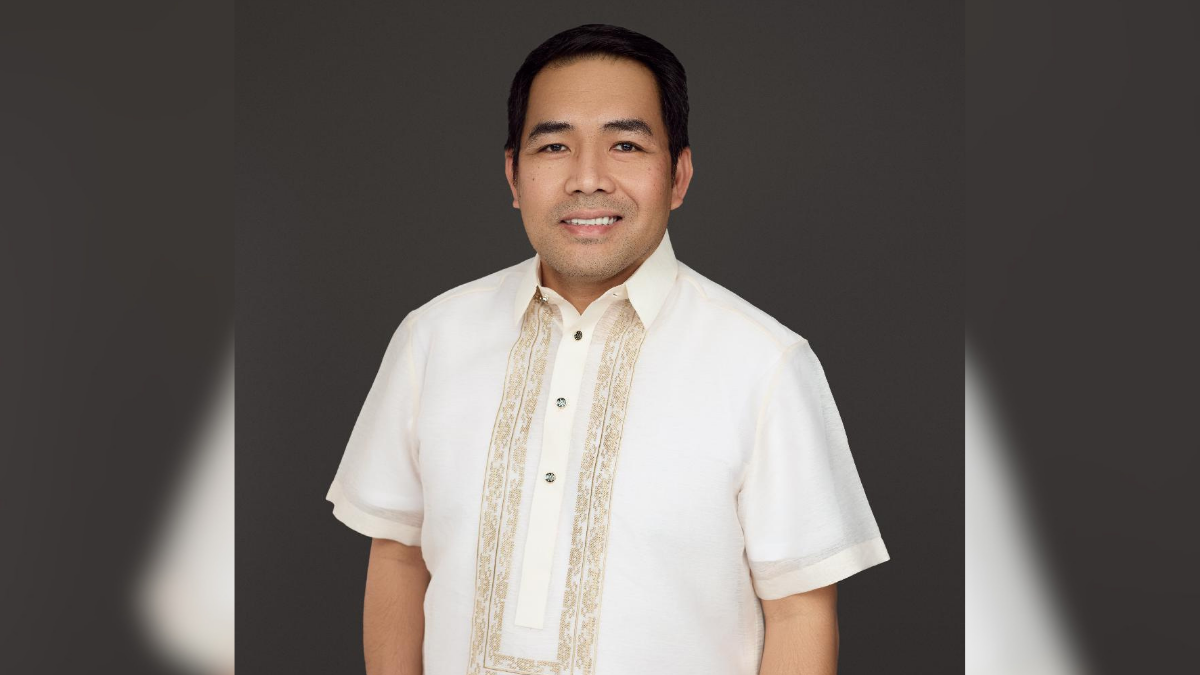

The thing about failing a board examination is that it doesn’t announce itself as a turning point. It just feels like an ending.

In 1998, Bernard Laxamana Carpio walked out of his Nurse Licensure Examination having not passed. He was fresh from nursing school, from a small barangay in Caramutan, La Paz, Tarlac, and he had no fallback. What followed was not a clean narrative of resilience — it was seven years of rerouting, of working in banks, of teaching in classrooms, of carrying a failure that nobody else had to know about but that he knew about every single day.
He retook the exam in 2005. This time, he passed.

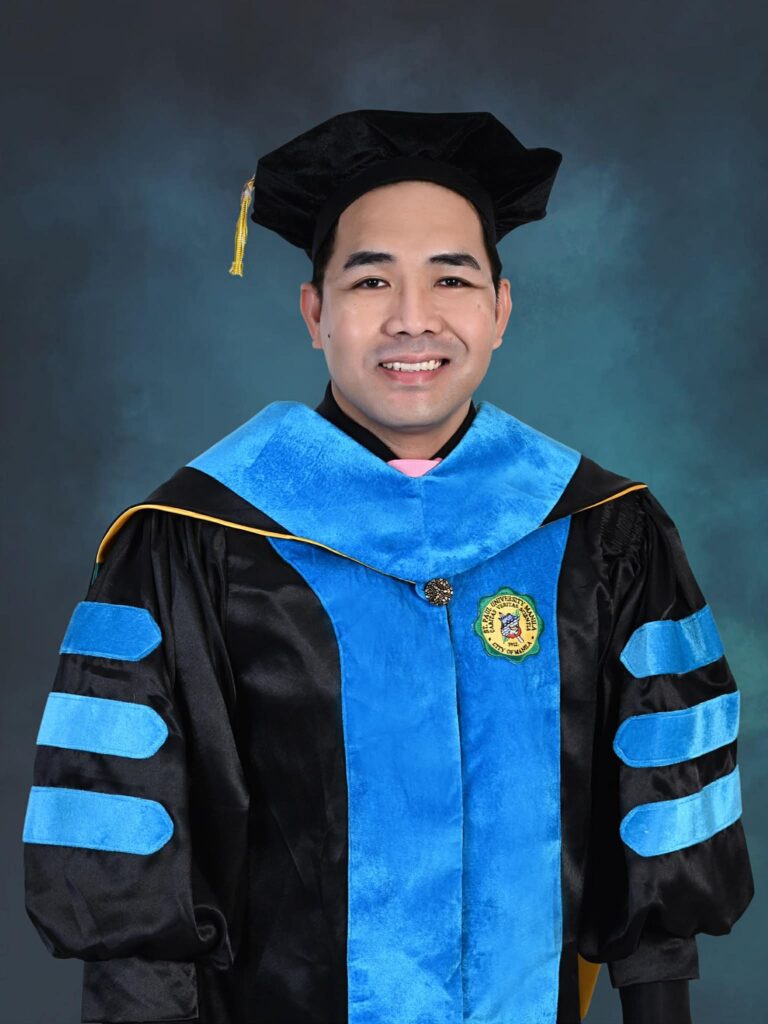
Dr. Bernard Carpio is now a Nurse Specialist at King Fahd University of Petroleum and Minerals Medical Center in Dhahran, Saudi Arabia — a position he has held since 2010. He holds credentials that take most nurses a career to accumulate: Registered Nurse, Registered Midwife, Licensed Professional Teacher, Nurse Specialist under the Saudi Commission for Health Specialties, NCLEX-RN passer. He completed a Doctor of Philosophy in Curriculum Design, Development, and Supervision while working full-time abroad. The man who almost didn’t become a nurse now trains the nurses of tomorrow.
What a banking job teaches you that nursing school doesn’t
Before healthcare claimed him entirely, Dr. Bernard spent time in the financial sector as a Supervising Technical Officer and OIC. It is the kind of detail that gets glossed over in professional profiles, filed under “before things got serious.” But Dr. Bernard doesn’t treat it that way.
The pivot into banking wasn’t a distraction — it was a formation. Managing systems, leading teams, navigating institutional bureaucracy: these were skills that a bedside nursing curriculum had never handed him. When he eventually returned to clinical practice full-time, working across the Emergency Room, Delivery Room, OB-Gynecology, Pediatrics, and Outpatient departments, and later as an academic instructor in Anatomy and Physiology, Pharmacology, and Maternal and Child Care, he brought something his classmates hadn’t necessarily developed — the ability to see the hospital as an organization, not just a ward.
That perspective would matter more than he knew once he left the Philippines.

A doctorate earned between shifts

In Saudi Arabia, Dr. Bernard’s clinical responsibilities are demanding by any standard: triage assessments, admissions, medication administration, wound care, and the mentoring of junior nurses at one of the country’s most prominent academic medical institutions. By 2019, he had also taken on a formal education role at Health Alliance Training Center in Al Khobar, where he works as Instructor and Training Coordinator.
Most people in that position would consider the workload sufficient. Dr. Bernard used the years to finish a PhD.
He doesn’t linger on how he managed it — the logistics of doctoral work done in a foreign country, while employed full-time, midway through a career. He simply says that “growth does not stop with age or circumstance,” and leaves the weight of that sentence to do its work. Coming from someone who spent seven years between licensure failures and licensure success, it doesn’t sound like optimism. It sounds like policy.
The degree in Curriculum Design, Development, and Supervision is not incidental. It points to where Dr. Bernard intends to go when his time abroad eventually ends — back to the Philippines, and into the institutions that shape who Filipino nurses become before they ever touch a patient.
The failure that became the method
There is a particular kind of authority that comes from having struggled with something that your students are struggling with now. Dr. Bernard has it. When he sits across from a nursing student who is questioning whether they belong in the profession, he is not drawing on empathy in the abstract. He is drawing on 1998.

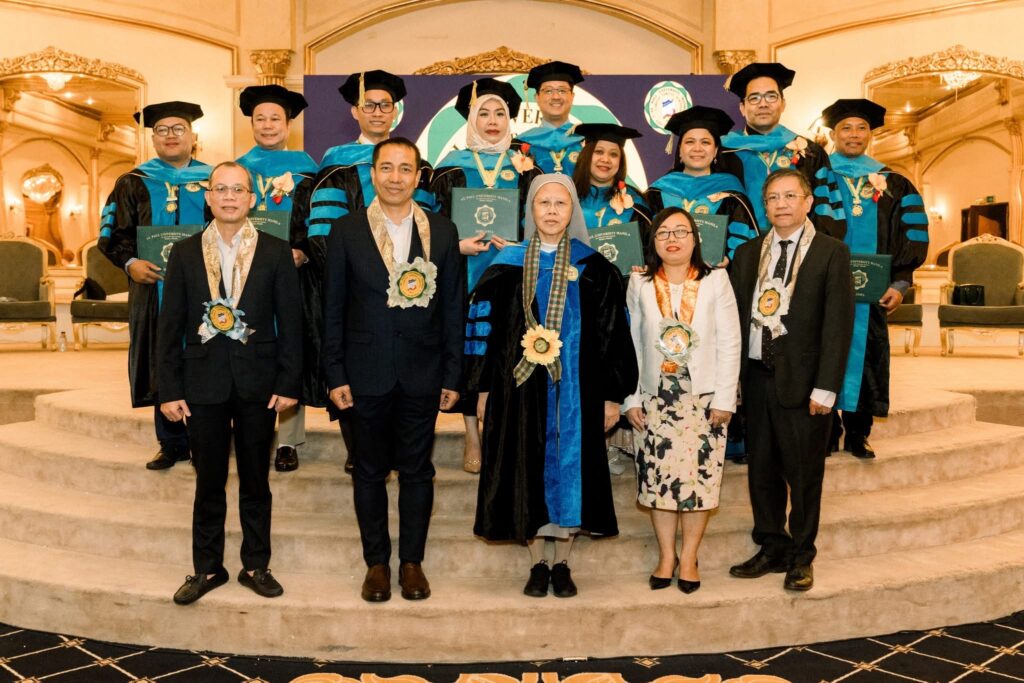
“My own experience of failure made me more compassionate toward struggling students and young professionals,” he says. “I understand what it means to fall short — and what it takes to rise again.”
That understanding extends to the message he carries for fellow Filipinos navigating difficulty overseas — the homesickness, the professional pressure, the particular loneliness of building a life somewhere you did not grow up in. “Do not let failure define your future,” he says. “Continue learning. Improve yourself. Protect your integrity. Invest wisely. Most importantly, believe that your present struggle can become your future testimony.”
It is the kind of advice that can sound rehearsed when it comes from someone for whom things worked out smoothly. From Dr. Bernard, it carries the credibility of someone who sat with a failed exam result for seven years before he earned the right to say it.
