



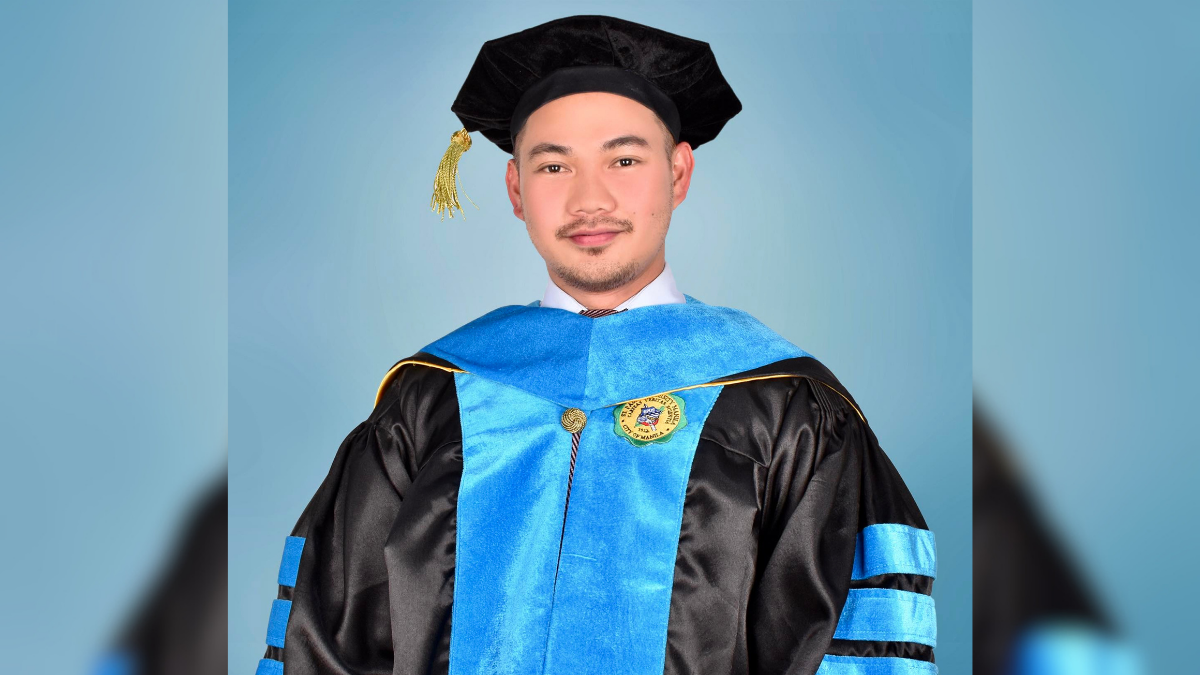

Most people spend years deciding what they want to be. Dr. John Rey Torres had education decide for him — and he never looked back. The Filipino school leader, now Vice Principal and Head of Teaching, Learning and Assessments at Sharjah International Private School, didn’t set out to become an educator. He became one almost by accident, and then outran nearly every expectation the profession had of him.

By 32, Torres was overseeing close to 200 academic and operational staff. That’s a number that would give seasoned administrators pause. For a man who grew up in Masiag, Bagumbayan, Sultan Kudarat — a remote municipality in Mindanao — the distance between there and a senior leadership office in the UAE is not just geographical. It is a story of deliberate reinvention.
The role nobody prepared him for
Ask Torres what a typical day looks like and he doesn’t reach for vague platitudes about “making a difference.” He describes systems. Lesson observations. Curriculum checks. Staff appraisals. Assessment quality reviews.
“My daily work is dedicated to elevating instructional standards across the school,” he shares with TGFM. “This involves conducting regular lesson observations, refining curriculum implementation, and providing rigorous quality assurance for all assessments.”
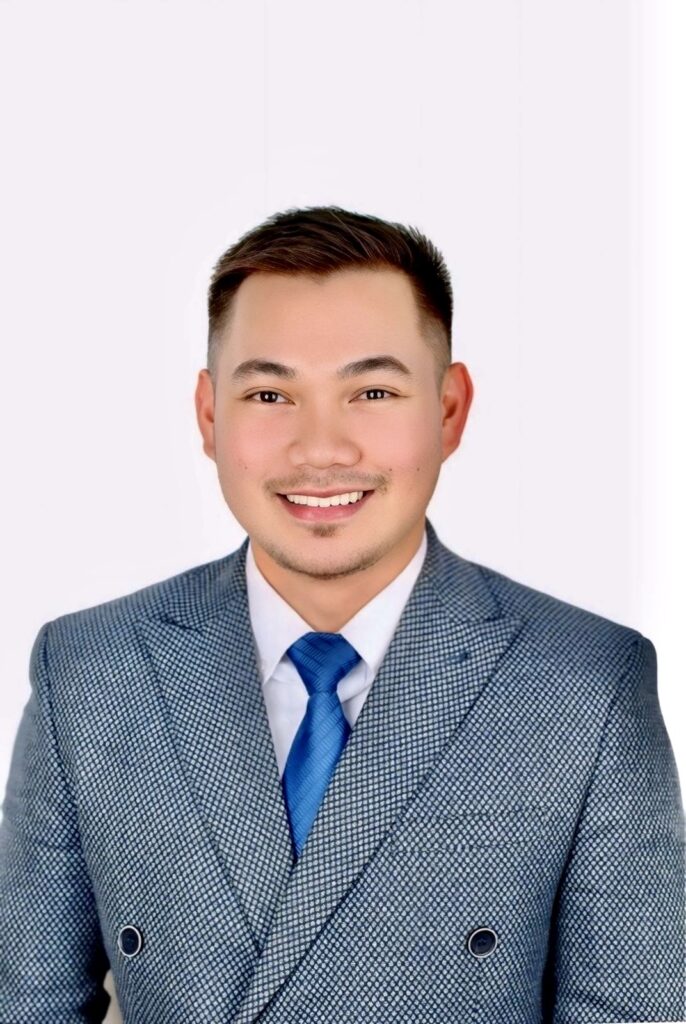
He also manages recruitment, pastoral concerns, and what he calls the physical atmosphere of the school — the corridors, the displays, the small environmental details that most administrators quietly ignore. For Torres, nothing is outside his purview if it touches the learning environment.
It’s a lot to hold together. But then again, holding things together is what he was built for.
An unexpected beginning, a deliberate path
Torres is candid about how he arrived in education. It wasn’t a lifelong dream.
“My entry into the field of education was not a path I initially envisioned,” he admits. “What began as an unexpected career choice evolved into a deep-seated passion for the craft of teaching and, eventually, a natural transition into school leadership.”
That transition accelerated faster than most. He started as a classroom teacher in Dubai, moved through senior roles in Ras Al Khaimah, and steadily built a reputation as someone who didn’t just fulfill a role — he expanded it. His ascent to vice principal before most peers had even settled into mid-level management wasn’t luck. It was, by his own account, a combination of relentless preparation and a stubbornness about purpose.
He holds PhD degrees from the Philippines with specializations in Curriculum Design, Development, and Supervision, is pursuing a second doctorate in Educational Management, and was conferred an Honorary Doctorate in Education from Maryland State University in the United States. The academic credentials are impressive. What’s more striking is how actively he applies them — through published research, professional development programs for educators across the region, and a mentorship practice that has opened doors for teacher aspirants in his network.
Young, but not unready

The question of age comes up inevitably. Reaching executive leadership at 32 in a school community as complex as Sharjah International Private School invites scrutiny. Torres addresses it directly, and without defensiveness.
“Age has never been a barrier, but rather an engine for the energy and innovation I bring to my school every day,” he says.
He traces his comfort with leadership back further than his professional life — to student council roles in his early school years, where he first learned that leading wasn’t about rank. It was about building something. That early exposure gave him what he describes as a foundation for his leadership style long before anyone was paying him to use it.
What also helped, he acknowledges, was intentionality. “I have always been intentional about my career path, constantly seeking ways to contribute more than what was expected of my role.”
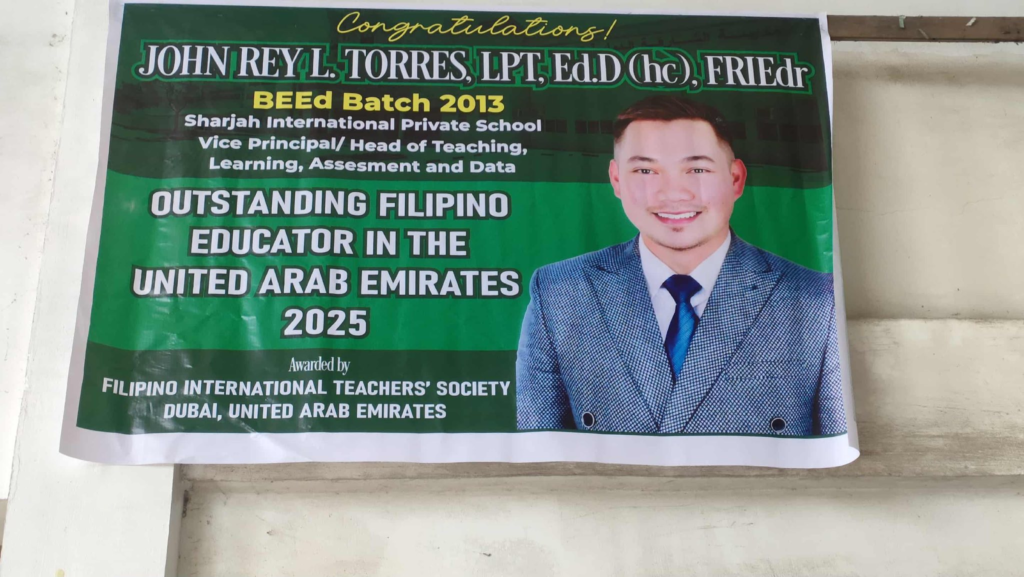
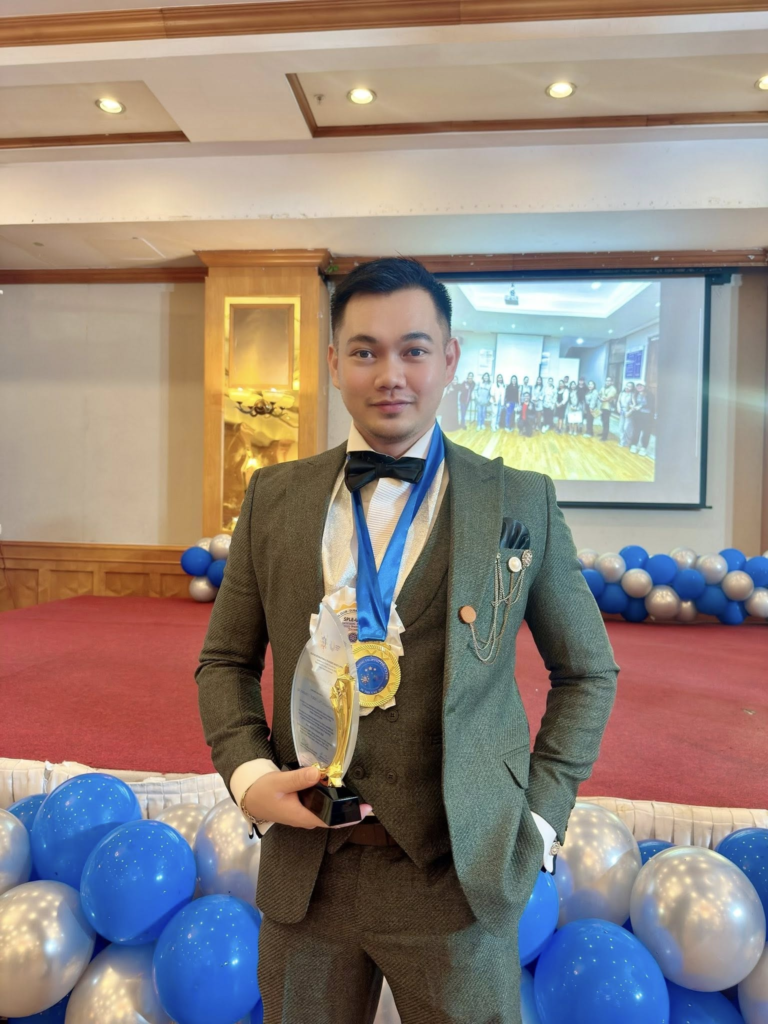
His awards reflect that pattern. The Most Outstanding Filipino Educator in the UAE 2025 and the Outstanding Leadership Award from the World School Summit are not the kind of recognitions handed to people who simply clock in and execute. They go to people who shape institutions.
Sustainable excellence, not burnout
Managing 200 international staff, pursuing a second doctorate, conducting academic research, and mentoring the next generation of educators would flatten most people. Torres makes it work through what he calls strategic integration — meticulous scheduling during the week, disciplined rest on weekends.
“I believe that peak performance is fueled by a healthy lifestyle,” he says. Sports, fitness, travel, and social connection are not afterthoughts in his schedule. They are part of the system.
He frames this intentionally for his staff and students. The message isn’t that leadership requires sacrifice until there’s nothing left. It’s that “academic rigour and personal well-being are not mutually exclusive, but deeply interconnected.”
For the educators he mentors — particularly young Filipinos eyeing international careers — his advice is both practical and pointed. Master data-driven instruction. Develop cultural intelligence. Don’t wait for a perfect moment to lead; create one.
“By staying relevant, staying curious, and staying resilient,” Torres says, “you will find that there are no limits to how far your career can take you, regardless of your starting point.”
He would know. He started in Masiag.
