




Additional skull fractures — damage a forensic pathologist described as “perimortem, or occurring at or around the time of death” — surfaced when Dr. Raquel Fortun re-examined the exhumed remains of a teenager killed during the anti-drug campaign of former president Rodrigo Duterte.

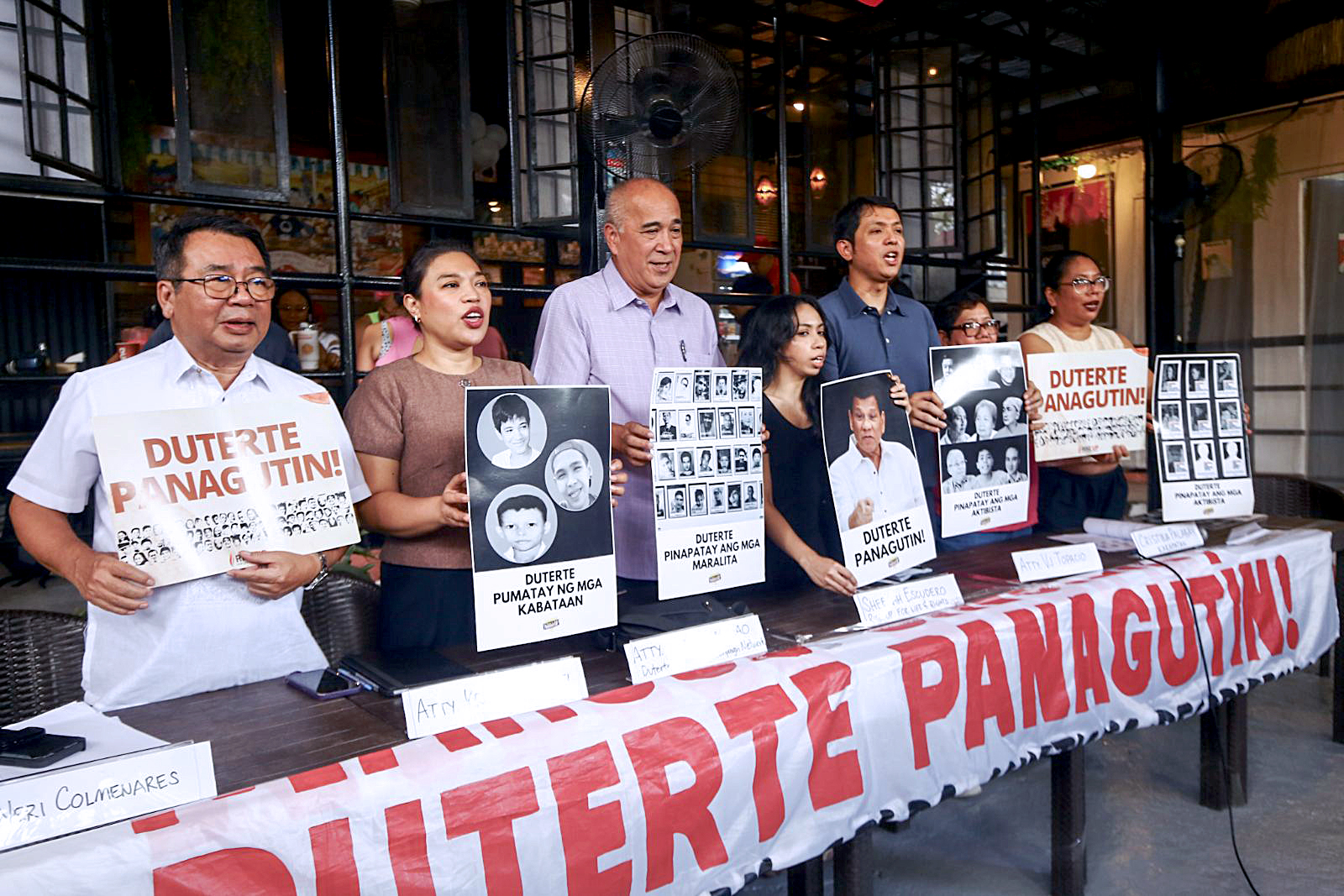
Fortun laid out what she found on Friday at the opening public session of the Philippine Drug War Truth Commission, held at the Pope Pius XII Catholic Center along United Nations Avenue in Manila. The inaugural hearing centered on Raymart Siapo, 18, seized and slain in Navotas City on March 29, 2017, and counted among those said to have died in the extrajudicial killings linked to the former president.
The forensic team turned up damage well beyond what records had noted. “A lot more fractures as we documented it and as seen in the photographs,” Fortun said.
Her findings ran up against the original autopsy paperwork, which named gunshot wounds to the head as the cause of death and counted three such wounds. Fortun took issue with several elements of that document, pointing to absent photographs, diagrams, and written accounts of the wounds and the bullets said to have been recovered. “Where are the pictures? Where are your drawings?” she said.
The condition of what remained placed limits on how far the examination could go. Portions of the jaw and feet were gone, she noted, and even the number of shots eluded a firm count. “I don’t know how many times he was shot. Probably more than one,” Fortun said.

Testimony from the teenager’s mother, Luzviminda Siapo, traced the days framing his death. A quarrel with a neighbor had gone before the barangay on March 28, 2017, she said, after the neighbor accused her son of selling marijuana — a claim she rejected. The parties were still sorting out the dispute at the barangay on March 29, when he was alive, when a relative’s message reached her: “Tiil, patay na.” The nickname pointed to her son’s clubfoot, she explained. A photograph came next, showing him bloodied, and she set out to confirm what she feared.
Both she and her son had cast ballots for Duterte in the 2016 presidential race, Luzviminda recalled, quoting the young man’s reasoning in Filipino: “He was really the candidate I wanted to vote for as well. Because, Ma, he [Duterte] was for the poor. Did you see his platform on drugs? He ate out in public, he was such a simple president, Ma.”
That earlier faith gave way to a written rebuke she read into the record, holding the former leader’s campaign responsible for a death she said came without due process. “You destroyed the dreams of our children,” she said in Filipino. “I believed that when you became president, the country’s trajectory might improve… I believed you wanted to eradicate drugs, but it was all wrong. You deceived me and my son.”
Gaps in the first medico-legal report were what drove her to seek the exhumation and a fresh look at the remains, she told the commission. She also described how fear settled over neighborhoods as the campaign wore on, leaving families like hers without allies. “Why, during the time of the war on drugs, was there no one to defend us?” she read. “People were afraid. They were afraid to talk to us because they worried they would also be accused of protecting drug users or be viewed as addicts themselves.”
The campaign, she charged, bore down on the vulnerable and the young rather than the figures running the drug trade. She closed with a warning to those who directed it, saying whatever power and money they hold will not follow them. “Power and millions will all be left behind when you die. Everything will fade away,” she said.
